. . telling stories from 25+ years of living and travelling in Turkey; some are informative, some cautionary and some are downright hilarious - all of them are interesting. There's never a dull moment.
Alan is the founder of the Okçular Book Project and author of 2 outstanding and best-selling books about Okçular Village; 'Okçular Village - a Guide' and 'Backways and Trackways' a walking and cycling guide to the area including Kösten and Ölemez Mountains. All of the money raised by the project helps his village community. More info: bofs.blog surmanfenn@gmail.com
Continuing our tour of discovery of enchanting old mosques.
Akköy and Belenardıç
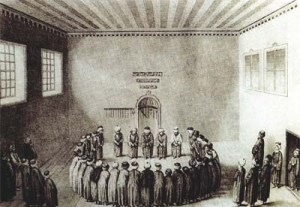
This is supposed to be a ‘mystical’ tour, seeking out village mosques that have their foundations firmly rooted in the tenets and traditions of Sufism. Sufism has had a chequered history of misunderstanding and persecution but its influences on music, poetry, painting, calligraphy and much else have been profound. In making this tour I find that being able to take a moment to conjure up mental images of bygone times have added greatly to the experience. Times when candles flickered and worshippers swayed and circled rhythmically chanting, perhaps to the soft and beautiful whisper of the ney.
Our dismay at the poor condition of the Hanönü camii at Kızılcabölük meant that we approached the mosque at Akköy, a few minutes drive from Pamukkale, with some misgivings. It, like Hanönü, was crowded by a very new (2008) mosque.
not a lot of promise
Outside it looked a trifle sad with broken windows and bags of coal stacked in the entrance. As it was nearly prayer time we sat and waited for the imam and congregation to arrive. When they did the key was produced and we were invited to carry on whilst they got on with their devotions in the new building.
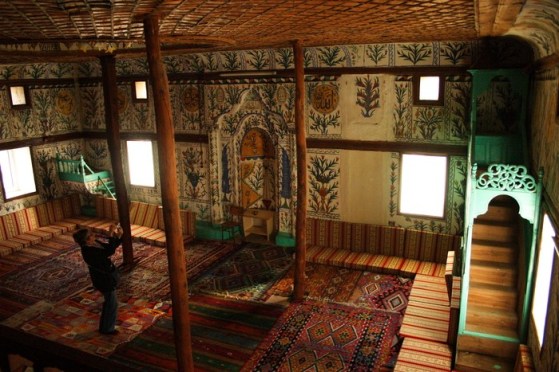
What greeted us as we stepped over the threshold took my breath away for here was everything that we might have hoped for.
the stunningly beautiful interior
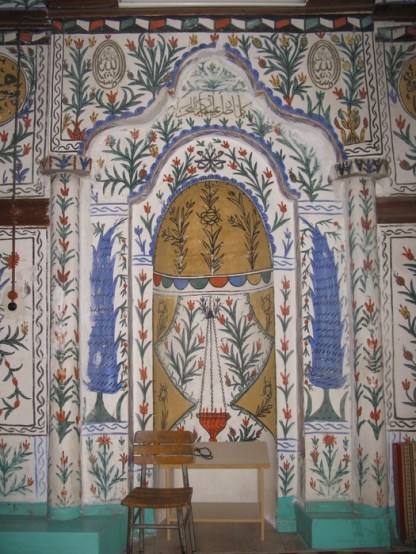
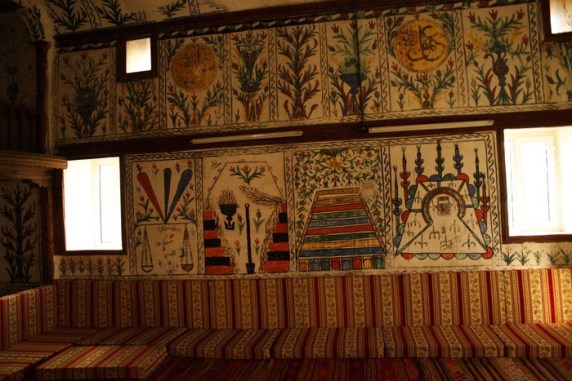
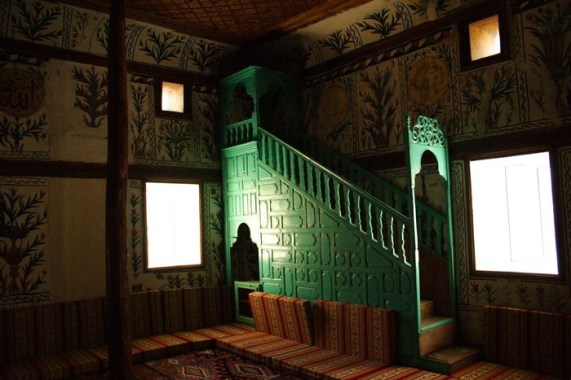
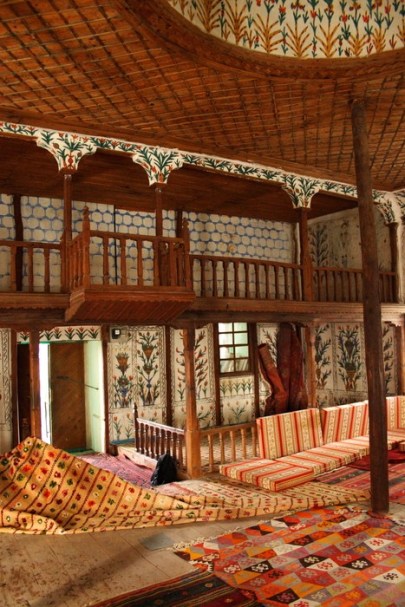
Built around 1877 and redecorated in 1909, this is a gem that shines and sparkles. Although no longer used for prayers it is used for study and instruction and is so obviously cared for and loved.
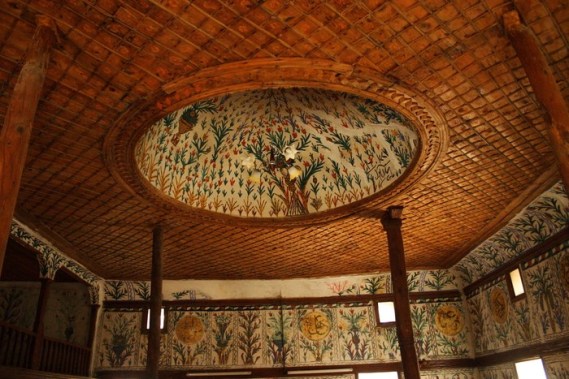
the ceiling and cupola
Look at the stunning cupola and wooden ceiling, the vivid blue cypress trees intertwined with flowers – in Islamic visual art a representation of the beloved’s figure and the reunion of lovers. The names of the artisans and artist who created this treasure are lost in time, so here are some photos by way of tribute to them and to whet your enthusiasm for your own visit.
the elaborate and metaphoric mihrabthe Day of Judgement, Hell, Heaven and Ka’bamimbarthe women’s gallery
The imam and his congregation were very welcoming and delighted that interest was being shown. The new mosque has been very nicely decorated with tiles and painted decorations and is worth a visit when you are here – these people were proud of both.
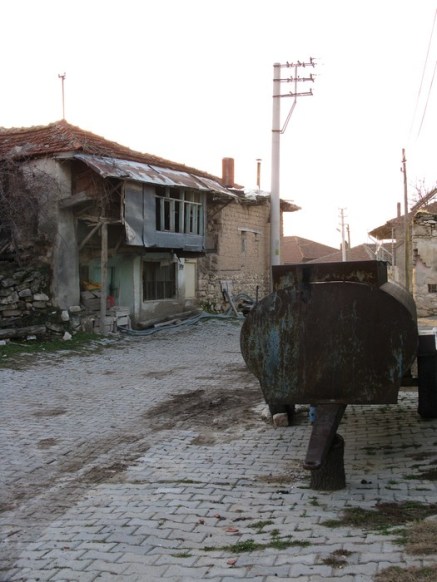
Belenardıç lies up in the mountains 20 kms north of Pamukkale; the road is narrow and winding but good for driving. It is a small and poor village of less than 400, most of the buildings are in sad condition with many in a state of collapse.
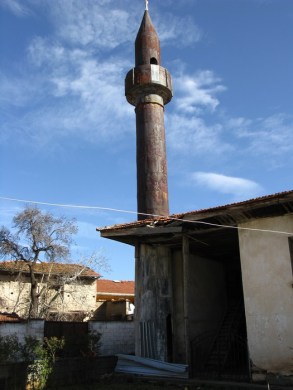
so much looked like thisonce again an unpromising exterior
The mosque lies at one end of the village square and the kahvehane, our first port of call, at the other. Coffee and tea houses are a great source of help and hospitality – as a visitor you will not be allowed to buy your own tea. Having struck up a conversation with the men who were sitting outside smoking and joining them for tea, it wasn’t long before someone went off to speak with the muhtar and gain permission for us to enter the mosque.
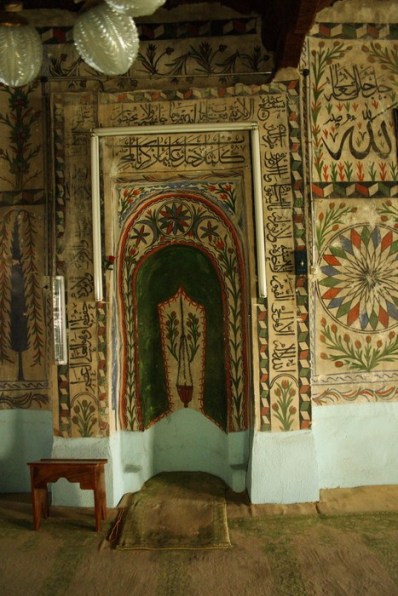
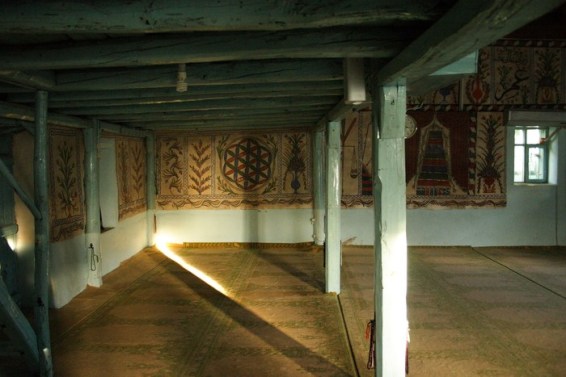
the beautiful and elaborate mihrab framed by Koranic verseevening sun illuminates this working mosque
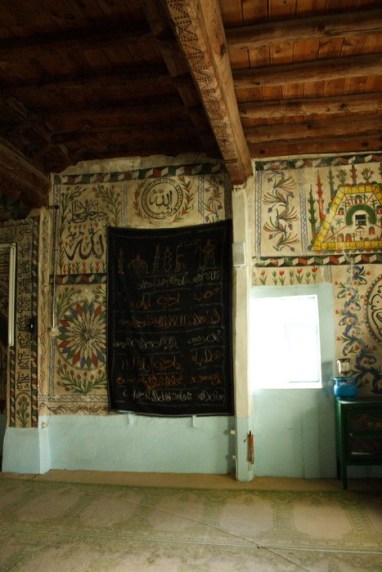
Built in 1884 by ‘Mehmed, son of Ali of the Denizli Hafız Ağazade’ and painted the following year. The paints used in these mosques are referred to by locals as ‘made from roots’, ie they are made from natural dyes. The mihrab is highly symbolic and depicts a lamp behind parted curtains and refers to the 24th Sura of the Koran (Al-Nur, The Light). It is surrounded by Koranic verses.
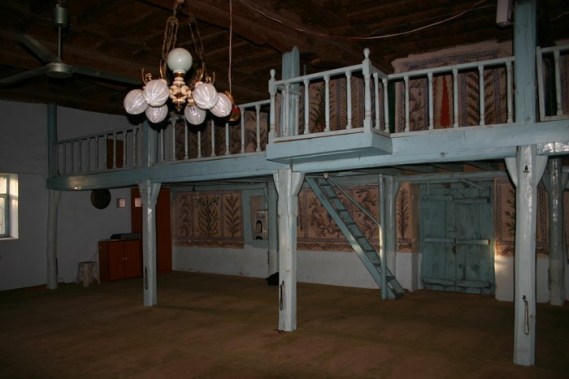
the simple and rustic women’s gallery
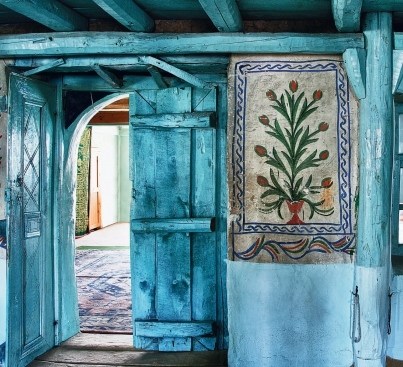
The walls are painted with flowers, moons and stars, and apocalyptic images of heaven and hell. High up you will see the names of four caliphs and the grandsons of the Prophet (PBUH). There is much simple carving and incising of the ceiling beams.
incised beams and caliphs’ names
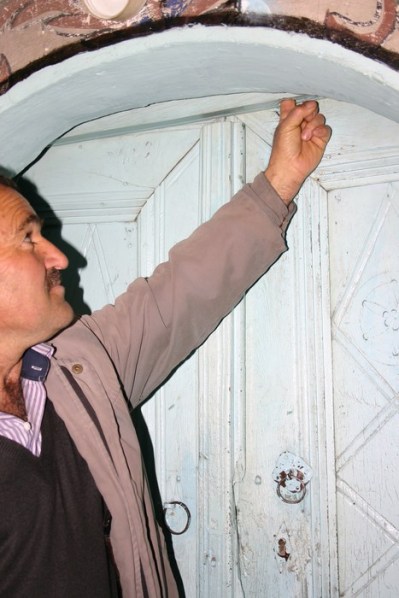
Gaining entrance to this beautiful and much loved mosque was to experience old technology; a finger is pushed up through a small hole in the door jamb which lifts a locking latch and allows the door to open. As it opens a further latch lifts and holds the door in place – a simple and very effective system. Once again, photographs will save a thousand words.
the ‘secret’ locking systemthe locking/latching mechanism
Having satiated ourselves we retired to the kahvehane for more talk and tea. Evening was drawing on and it was getting cold so we stepped inside and were hit by a wall of heat from the soba and steam from the customers! We were also greeted by a wall of curiosity written large across many faces – J has a set piece address for these situations so we were soon joined by a few of the extra curious as the rest got back to their games of ‘Okay’. After the joy of discovering this gem of a mosque for ourselves we were able to wind down with an hour of tea and good company – a perfect end to the day.
I hope these posts will encourage you to explore off the beaten track, what you will discover will likely be (as ‘Bones’ used to say in Star Trek) ‘. . life Jim, but not as we know it!’
Begun in January 2013 this series of posts in Archers of Okçular that epitomises what living in and exploring Turkey and Turkish life is all about. It has given me considerable pleasure to save and resurrect them – I hope you enjoy them again too.
Part 1 – Kızılcabölük
Magical? Absolutely! Mystical? Sort of, depending on your ‘inner self’. It was also to prove to be so much more with people adding a delightful and surprising element to the whole trip. Our aim was to visit some of the old, painted village mosques around Denizli that have their foundations firmly rooted into the traditions of Sufism. Our hope was that there would be someone available and willing to let us in and, if possible, to make a photo record that we could share with you. Our expectations were mixed – were they met? You’ll have to read on to find out.
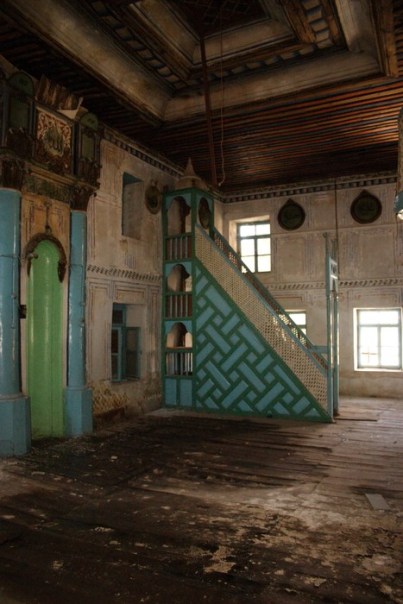
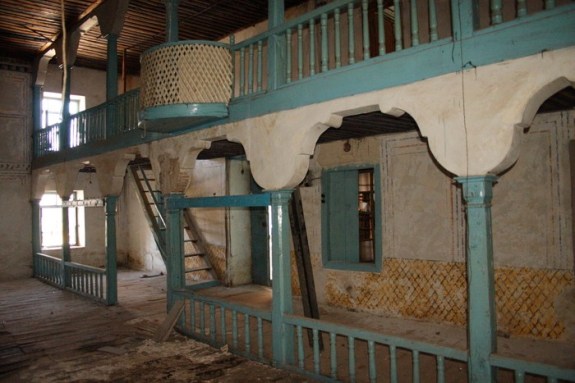
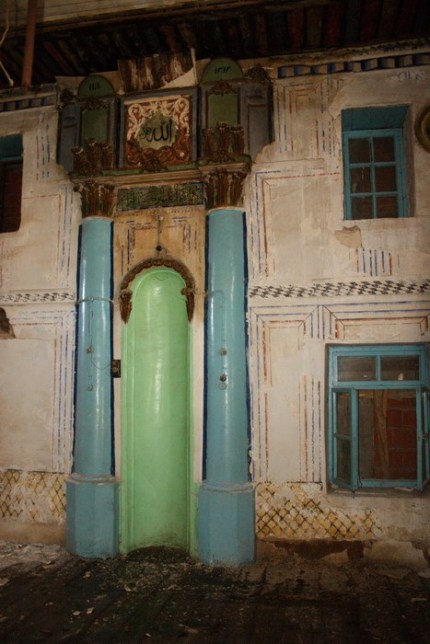
The small farming town of Kızılcabölük near Tavaş is a place of many mosques and few visitors. It is home to the Hanönü Camii (in front of the Han) which has an unusual history because it was built by Ümmi the daughter of Köse Mehmet Ağa sometime around 1697. There is a date above the mihrab that indicates redecoration in 1895. With a modern, concrete mosque jammed in alongside, the state of the exterior did not bode well for what we might find inside. Broken metal sheets were nailed across the entrance, sections of the roof were falling away and there was a general air of filth and dilapidation. Pulling aside a corrugated sheet of metal we ‘broke in’!
Standing at the door and looking inside left me with a mixture of wonder and profound sadness. This had once been a place vibrant with colour and life and it wasn’t difficult to picture how it might have looked when adherents of this inner, mystical form of Islam gathered together for worship.
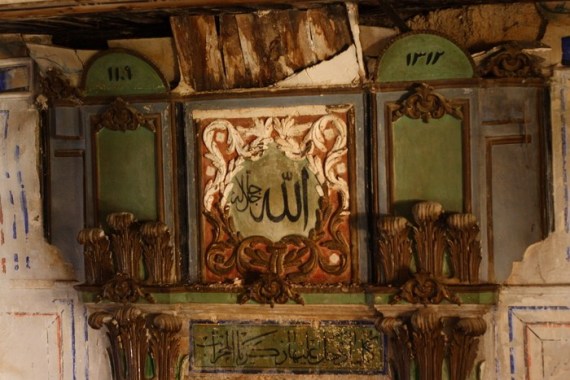
Glory in Decay – ceiling Hanönü Camiimihrab, mimbar and rotting floorboardscolonnade and women’s gallerythe ornate mihrabthe name of God left to rot
Now, water dripping through the ceiling was rotting plaster, floorboards and the faded but still beautiful ceiling panels. That no one cares was obvious – why, was not.
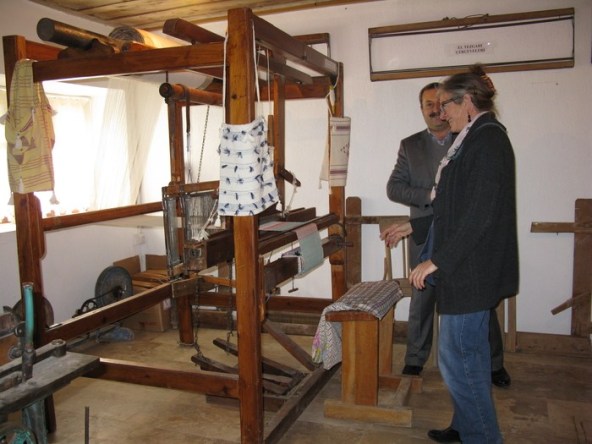
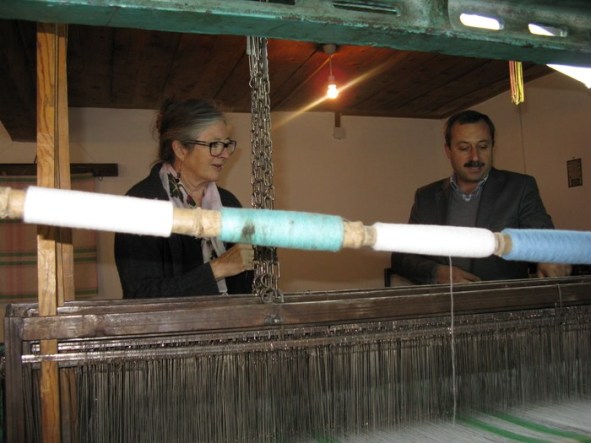
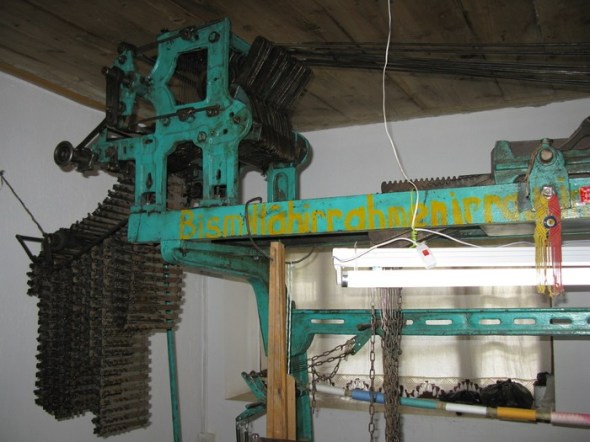
Back at the kahvehane (coffee house) for a morale reviving çay (tea) and a chat with the locals we were directed next door to the Textile Museum. This turned out to be a super little place with a delightful curator (the people bit) who took us on a conducted tour (as I said, there are not many visitors). He knows his stuff and had some of the machinery up and working for us. The mechanical ‘computer’ on the still functioning and in use loom was a source of considerable joy to this old boffer.
our curator and guide at the textile museumthe man knows his stuffthe amazing mechanical ‘computer’ on this still working loom
Is it worth a special trip? No! But if you are anywhere near Tavaş then it surely is. To find such a place in such a town was a surprise and a treat and deserves some support. Just head for the centre of Kızılcabölük and ask at any of the coffee houses; the mosque and museum are right there – at least one will still be standing this time next year!
. . that what you say I cannot hear! A variation on ‘Deeds speak louder than words!’
(recovered from Archers of Okçular blog first posted 20.01.2013)
Here in Turkey I am lucky enough to live in a country that is so enthusiastic about protecting its natural environment that it has probably signed up to more treaties, conventions, agreements and memorandums of understanding than any other on the planet. Turkey ‘Talks the Talk’ like few others. The obverse of the coin, ‘Walking the Walk’ leaves something to be desired!
It would be more accurate to say that ‘Money Talks and Walks the Walk’ – in 16 years of living here I have seen example after example. I want to stress that Turkey is no better and no worse than most other countries around the world – greed, ‘primitive accumulation’ lies at the heart of the economic system; a system that commodifies everything – including the environment! If tiresome protection laws get in the way of the ‘fast buck’ then they are to be ignored, rescinded or bribed away.
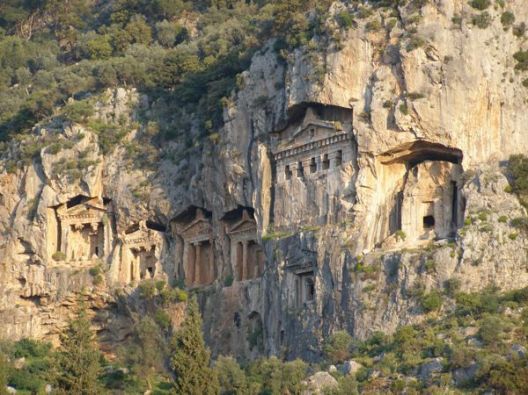
The small town of Dalyan is a case in point; it sits at the heart of Turkey’s very first Specially Protected Area – the setting is stunning! Carian tombs, mountain views, amazing beach and Loggerhead Turtles, the potential for exploitation was enormous and so exploited it was!
the last of its kind, Omer’s ‘Old Turkish House’ bar in Dalyan – demolished and replaced by a row of concrete shops
These days the attractive old houses have been demolished and replaced by concrete. Great swathes of once beautiful countryside are covered in villas that stand empty much of the year. Unregulated development means an excess of hotels, pansions, restaurants, fashion shops, boats on the river, etc., all chasing too few customers to make a decent living. The once magnificent reed beds of the Dalyan canal and delta are gone, replaced by sedge due to salination because of excessive fresh water extraction. Inadequate infrastructure means some parts of the town stink of raw sewage in the summer.
all that remains of old Dalyan’s charm
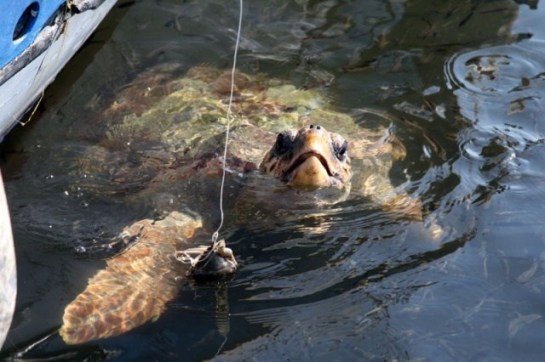
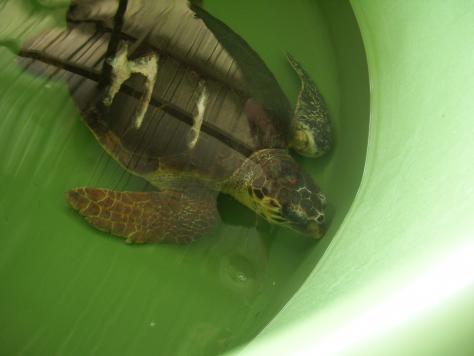
Tourists are now guaranteed to see endangered Caretta caretta turtles as the captains have taken to baiting them with kitchen scraps on fishing lines so they hang around instead of going off and living a natural life. Many are injured or killed by boat propellers, some have bitten tourists and had to go for ‘rehabilitation’. Much of what once drew visitors to the town has now gone – exploited away, and no amount of fancy floodlight illumination of the Carian Tombs or plastic turtles in the park will bring it back.
baiting endangered Caretta with endangered Blue Crab at Dalyan (travbuddy.com) and below the consequences. . and one of the consequences
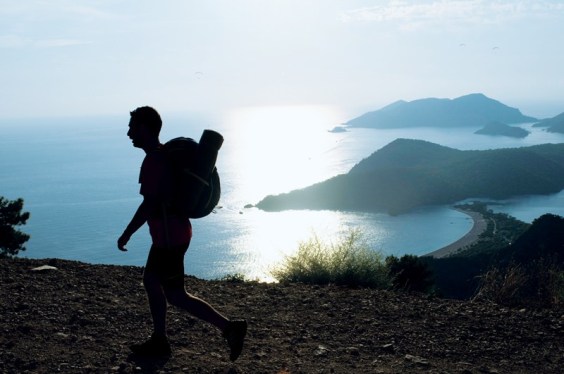
Another case in point is the Lycian Way – Turkey’s first long distance walking route.
my copies of Clow’s books
Pioneered by Kate Clow, the route begins at Hisarönü near Fethiye in the west and ends, 500kms later, at Hisarçandır 25kms short of Antalya in the east. In between lies some of the most beautiful, rugged and unspoilt countryside to be found anywhere along Turkey’s Turquoise Coast – but, for how long? Truth be told, Turkey gets a lot of prestige but very little money out of the Lycian Way. The Lycian Way will never really be an income generating asset – unless that is it can be turned into a commodity!
Lycian Way above Ölüdeniz Lycian Way near Mt Olympus
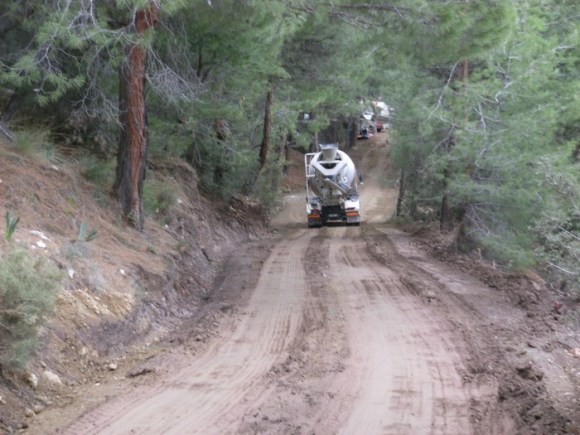
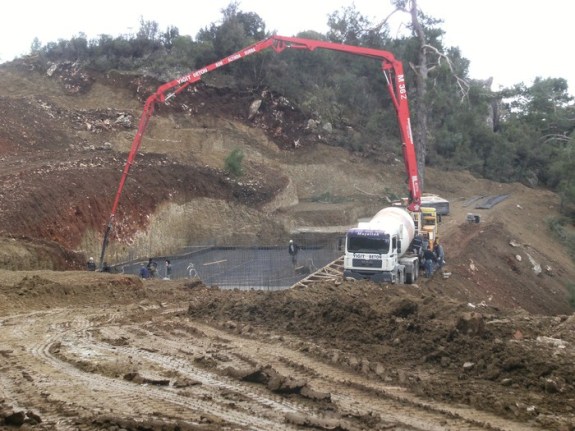
‘Tadaaaa!’ Welcome to the future as Ölüdeniz Belediyesi (local council) blithely drives the thin end of a very big wedge under its end of this world famous, world class walk. How? By granting permission, admittedly together with the Environmental Agency for hotel development on the first few hundred metres of the route, and then allowing the bulldozing of the ancient path to make way for the standard, 7mt wide, access road.
getting it wrong – the future for the Lycian Way. . is that the rustle of leaves or banknotes I hear?
It won’t stop there of course, it never does. There will be others anxious to give tourists access to this most beautiful, rugged and unspoilt path by building hotels, swimming pools and restaurants (whilst making a little honest income, of course). And they’ll be ready to grease the odd palm to do so! Just as has happened at Hasankeyf and so many other places money will trump ÇET (environmental impact) reports and the earth-moving machines will be in before you can organise a protest group. The damage will be done, shoulders will be shrugged and the wedge will get another surreptitious tap or two from the bulldozer.
One day those who jumped on the bandwagon will wake up and realise that the very things that drew visitors to the area have disappeared along with the visitors. There will be much wringing of hands and midnight flits; the once snazzy ‘butik’ hotels will become sleazy flop-houses as overheads outstrip income. I predict that the ‘patient’ will straight-line within a few years. The Lycian Way, one of Turkey’s genuine, long-term assets will have been ‘Dalyanised’ and no amount of green fluorescent strip lighting or plastic palm trees will bring it back.
Mass tourism, that ‘pile-it-high flog-it-cheap’ commodity has had its day and is declining rapidly. Unless the politicos, local and national, wake up to the real worth of this beautiful, historic country that they have inherited, and start to protect and defend that worth then sustainable tourism is finished. Not in my lifetime, it’s too late for people my age, but what about your grandchildren Başkan – don’t they deserve something better than the ‘fast buck’ you are offering now?
Brrrr! By Jove, it’s bloody cold in our corner of SW Turkey. The wind is whistling in from ‘Siberia’ and the clear skies mean there was quite a frost last night up our little valley; it is not a day to be out and about. Generally, our winters here are mild and gentle which manifests itself as a long and colourful springtime.
(This post was recovered from Archers of Okçular first published January 2013)
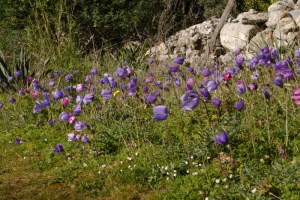
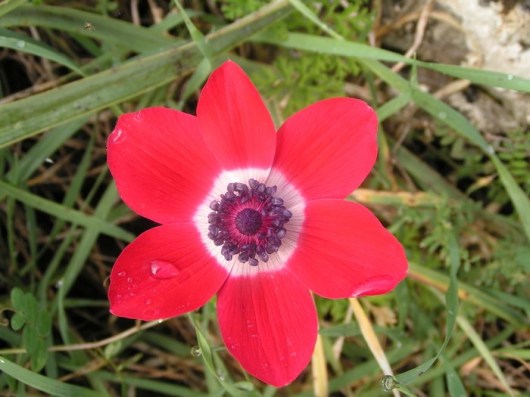
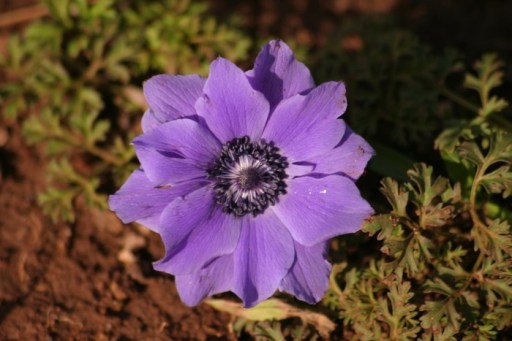
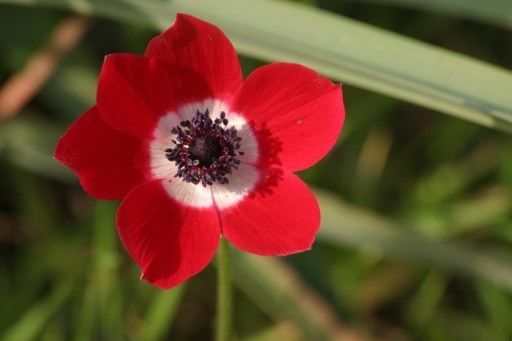
Flowers abound with one particular species front and centre at this time – Anemone coronaria the Crown Anemone. Walking around the area, especially if you are using the maps and guide notes in ‘Okçular Village – a Guide’ and ‘Backways and Trackways’, is a feast for the eyes with great swathes of multi-coloured anemones wherever you look.
Crown Anemones are native to the Mediterranean region and have had a special place in the various cultures for thousands of years. The Sumerians (3000BCE) named them for their god, Nea’man; the Greeks for Adonis, who died of wounds whilst hunting wild boar and was transformed into a flower stained red by his blood. In Hebrew its name is ‘Calanit’ or ‘Kalanit’, and there is even a link to my old mob, the Parachute Regiment. As the British Mandate for Palestine wound down in bloodshed and ignominy, the Paras serving there were nicknamed ‘Kalaniyot’ for their red berets.
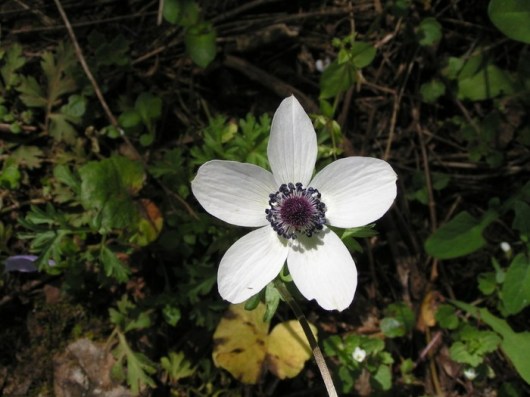
For me, the joy of this flower lies in its profusion and the staggering range of hues of varying intensity – from purple through to palest blue; from scarlet to palest pink to pure white.
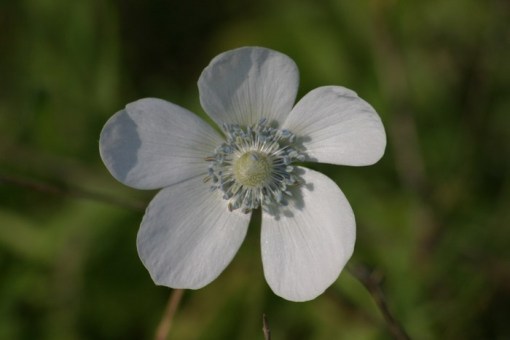
There is also an ‘albino’ where even the stamen and stigma are white; these are not very common around here, although there are enough that I could guarantee to show you some in Kocadere Valley. That said, I’ve never seen any elsewhere.
a beautiful white anemone, compare it with the ‘albino’ below
So, ‘Why’, I hear you ask, ‘aren’t you well wrapped up and out there admiring these jewels?’ Because, dear reader, with a flowering period of over three months I can toast my toes by the fire, read a book or write a post and wait for this bitter north wind to blow itself out.
Then I shall wander around, find a warm, sun-dappled spot, and soak up one of the most beautiful and colourful sights in all of nature – countless wild, un-fiddled with ‘Jewel in the Crown Anemones’ set against the backdrop of Okçular’s Kocadere Valley.
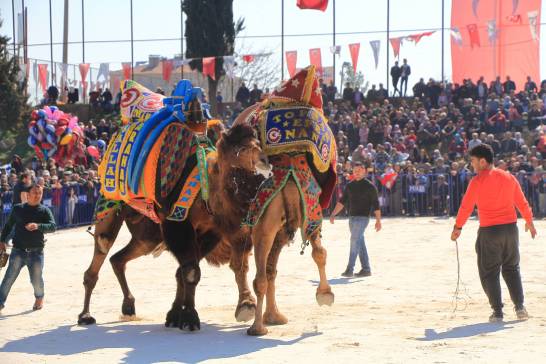
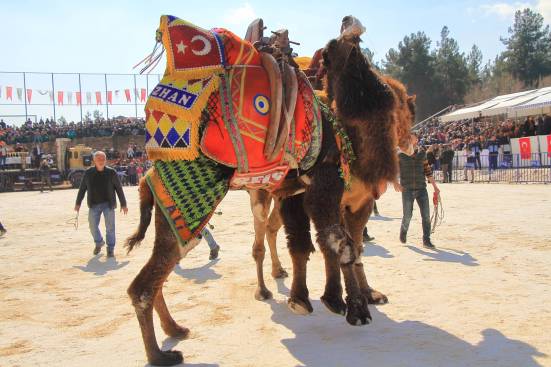
J and I have an inbuilt, genetic fascination with camel wrestling events here in Turkey. I know some of you out there will shudder and/or point an accusatory digit and even start sticking pins in voodoo dolls because you hate any and all forms of animal exploitation (but hope the pins will cause bits of my person to experience great pain or even fall off!). I understand your objections but remain unrepentant.
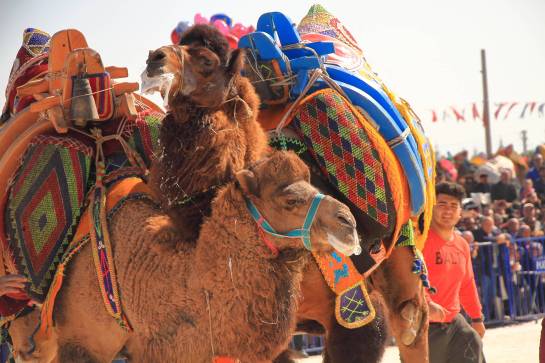
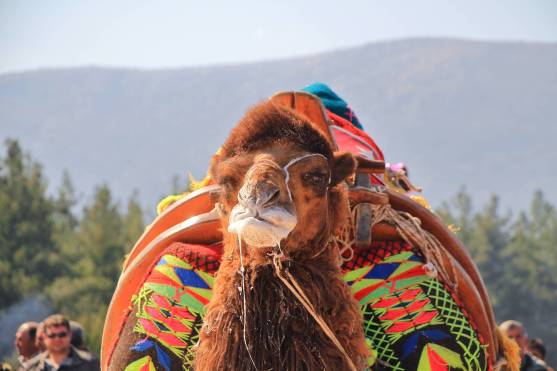
a magnificent beast decked out in all his finery
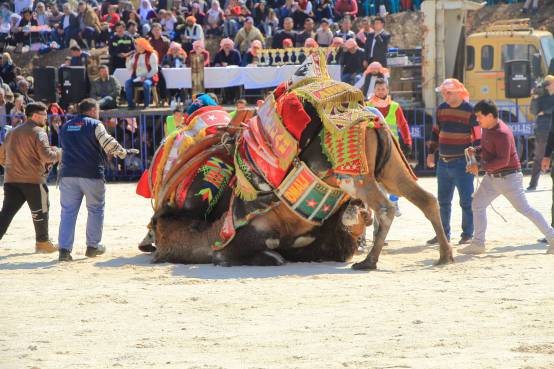
These events have their roots in the nomadic culture of Asia that goes back, quite possibly, for thousands of years. During the rutting season, which lasts just a few months, nomads would gather at long-established traditional sites for the prime purpose of breeding their she-camels with the strongest bulls. These bulls would go through a natural selection process amongst themselves by ‘wrestling’ for the right to pass on their genes.
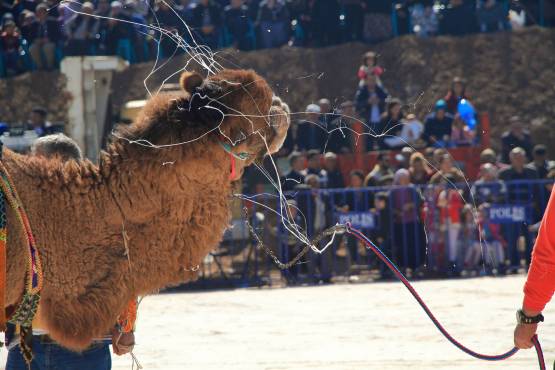
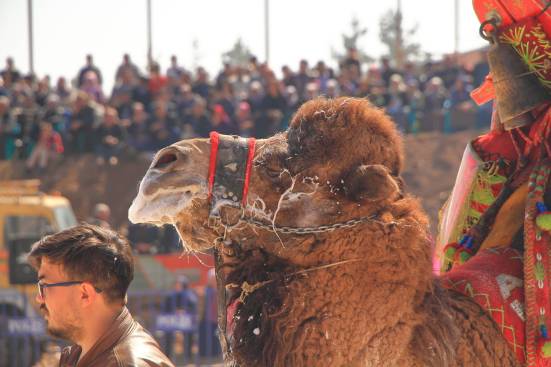
there is much pushing and shoving and frothing at the mouthmuch lifting of one’s opponent off the ground
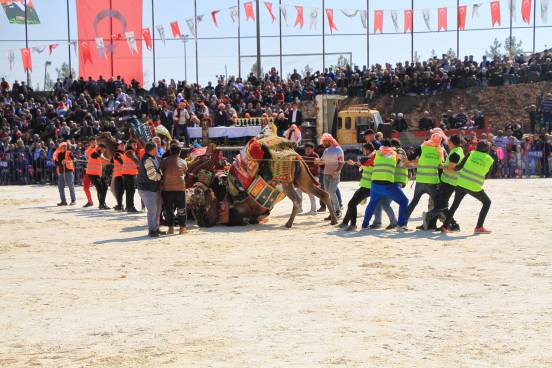
In many respects it’s a bit like watching Mick McManus and Giant Haystacks without the gouging or forearm smashes. The animals can’t bite as they would naturally do because of a special binding on their jaws. I’ve never once seen a drop of blood or an injured camel apart from the occasional bruised ego!
until eventually one or other gets pinned for a count of threeonce the referee makes his call teams rush in and haul the protagonists apartand the victor gets to put on his most arrogant face and strut his stuff
J and I prefer to frequent the venues where the spectators are usually all local Turks – small towns and even villages away from the areas with expat communities. This is not a snobby thing but a seeking after the authentic experience because there is more than just watching these magnificent animals do their thing.
Towns like Buldan and Çal in Denizli Province are magnets to us and so worth the extra miles of driving to get to them. Often the only barrier between a couple of tons of tunnel-visioned contesting-for-the-damsel’s-favours camels and the picnicking spectators with their barbies, bottles of rakı and mixed grill is a chicken wire fence. When hormonal gladiators run amuk or even amok there is no funnier site than a bunch of shouting, gesticulating, well lubricated men trying to save their very hot barbie, rakı glass in one hand and waving plastic chairs at two single-minded, blind-to-all-else furry gladiators with rumpy-pumpy on the brain!
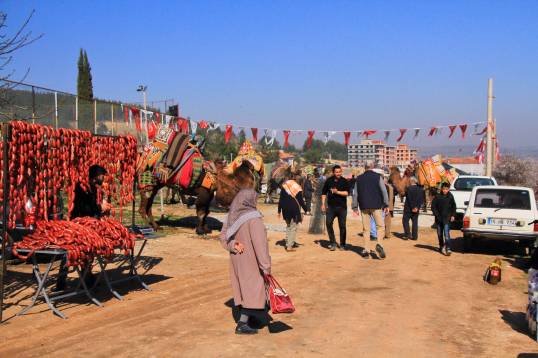
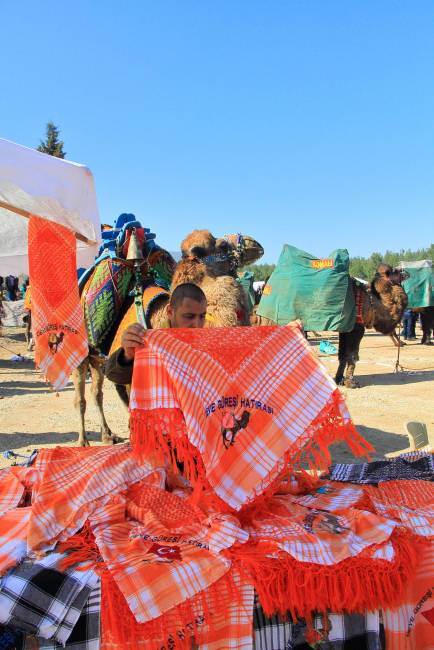
stalls selling everything from camel sausagesto scarves, to tea, to Sunday lunch
Finally, a couple of examples of why it is not a good idea to wear your Sunday-best or a hoody come to that . .
Let me finish off back where I started about animal exploitation: I accept that these days camel wrestling has become more of a spectacle for townies than a folk gathering of nomadic herders. I oppose commercial whaling in all its forms but support the rights of Inuit peoples to hunt at sea for food whether they use traditional tools or a powerful rifle. In the same way that Morris Dancers no longer believe the fertility angle in their entertainment I support the rights of Turks to enjoy a link to their nomadic ancestry – camel wrestling is not a blood sport, long may it continue!
. . they mean a trip to Paris or Rome tra-la-la . . or, in this case, Istanbul – to the historic dockyard, founded in 1861 by the former Ottoman Maritime Company. It lies on the north shore of the Golden Horn in the district of Hasköy. The site, together with the Lengerhane building (which was initially used for casting anchors and chains for the Ottoman navy, during the rule of Ahmet III (1703–1730)) across the road, houses the Rahmi M Koç Museum. This is, in my opinion, one of the finest industrial museums you will ever visit – a world-class establishment!
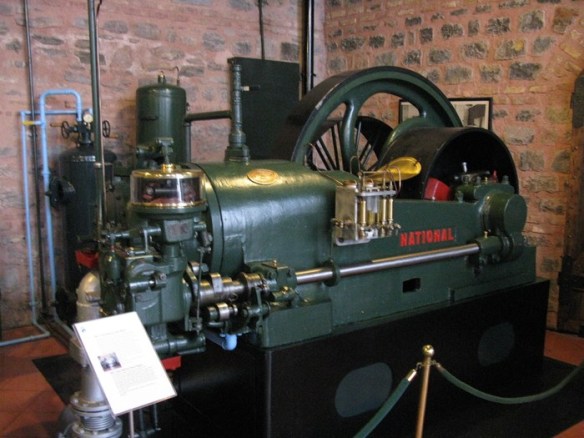
a reciprocating huff’n’puff
If you love things that go rumble, huff and puff, whirr and whizz, reciprocate, go in and out or up and down, have classic lines, need steam or petrol or oil or oars or sails or . . . whatever, to bring them to life, have knobs and buttons to fiddle with and burnished metal and coachwork to stroke – then I promise you’ll want to take this place home and introduce it to your mother! It is gorgeous!
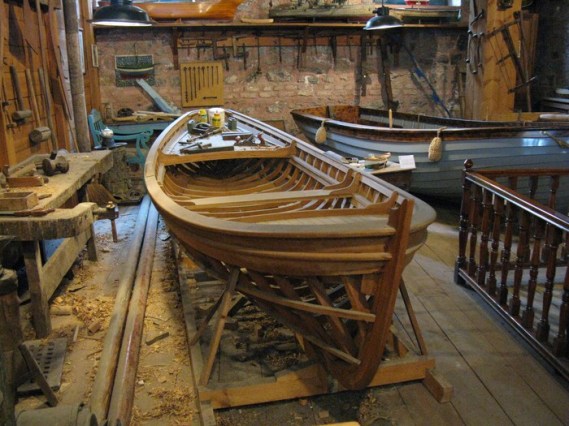
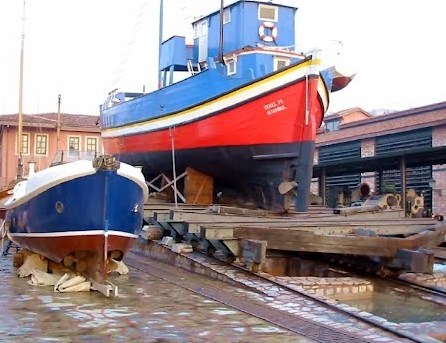
There are workshops and slipways where real work is carried out to rebuild and refurbish the constantly growing collection. There are toys and models and the real things – you can start and stop a ship’s mighty steam engines and imagine yourself, somewhere, out there, pounding through the world’s oceans to exotic lands and ports, in the days when there were still places waiting to be discovered.
work on the slipway
J and I have been twice now, and we’ll no doubt go again – there is never enough time and there is always more to see – try it for yourself (except on Mondays, of course). Meanwhile enjoy a few photos of the place.
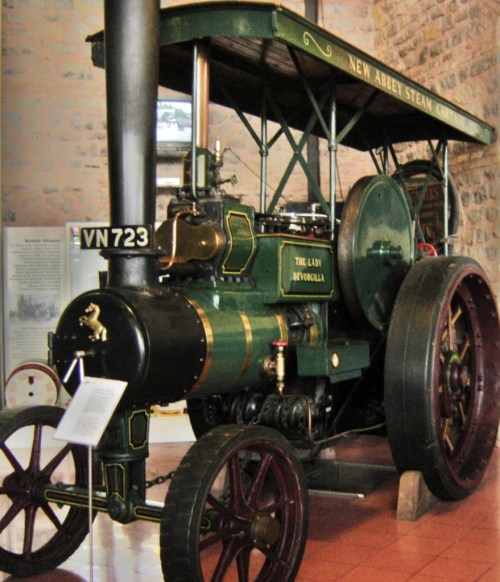
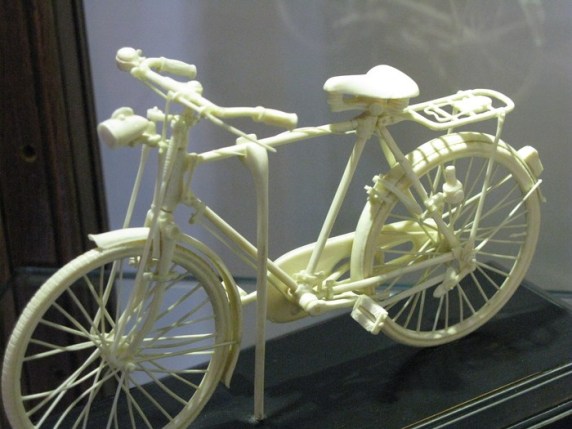
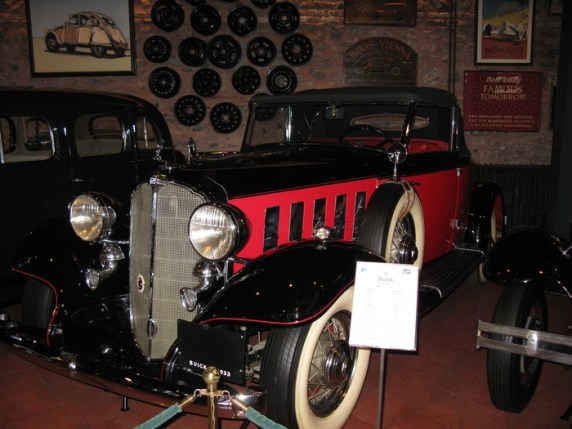
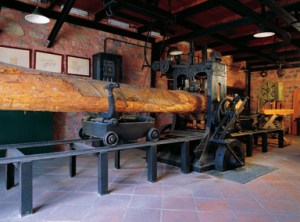
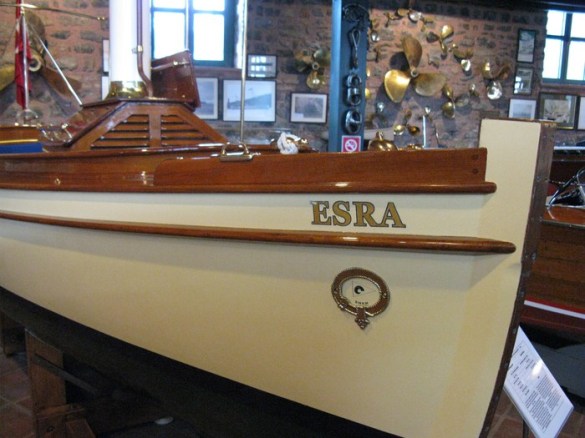
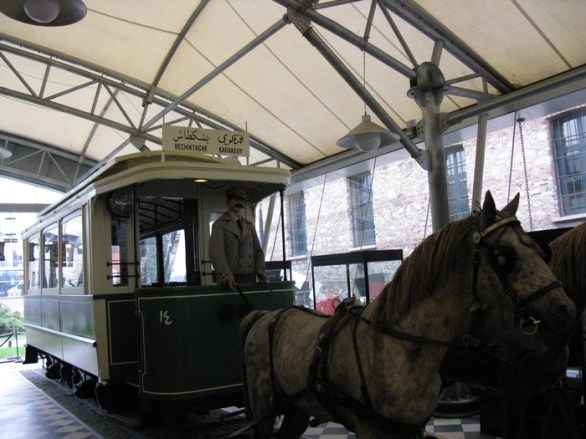
old ‘Invicta’ traction engine built near to where I was bornamazing carved ivory bicycle (bad business but still amazing)beautiful old 1933 Buicksteam-driven plank sawimmaculate restoration of steam launch ‘Esra’tram with stuffed horses and driveranother chuffin’ puffer
There are so many more photos – from planes to submarines to motor cycles to memorabilia from Koc’s round the world sailing trip – better you go and see for yourself. My bet is that you will return time and again. Finally, here is a photo of heaven on earth for old boffers like me – when I shuffle off this mortal coil I hope they stuff me and park me at the bench, taps and dies in hand!
A few years back, my mate Ahmet conned me into giving an address to an invited audience at the headquarters of the Ali Nihat Gökyiğit Vakfı (Foundation) in the beautiful and very interesting Nezahat Gökyiğit Botanik Bahçesi (Botanical Gardens) in Istanbul.
aerial shot showing early days of the gardens creation
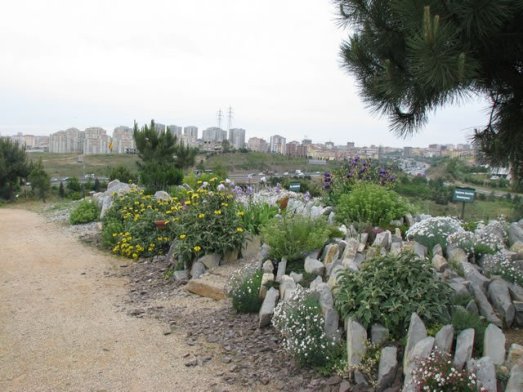
The gardens are sited in the middle of one the TEM interchanges, and is truly a labour of love. When the information pack arrived from the foundation I was stunned to realise that they have presentations every week to specialist audiences, all of which are delivered by Doctors of this and Professor Doctors of that, every one an expert in their biological/botanical field – all except one! ‘Ahmet!’ I cried, ‘what have you got me into?’ He smiled impishly down the telephone from the safety of Istanbul. ‘Don’t worry, my friend. You can do it!’
each of the interchange ‘islands’ has a theme – this the ‘dry’ garden
This event has only a tenuous connection to what this post is about but it is so seared into my brain that anything else associated with that particular trip to Istanbul causes instant flash-backs and panic attacks! As part of my recovery programme, Ahmet took me shopping to Migros, and thereby hangs a tale . .
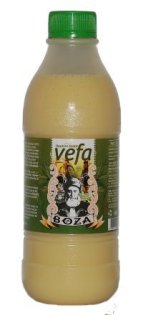
In the dairy cabinet I noticed bottles a strange, glutinous, creamy-coloured stuff. ‘What is this?’ I asked. ‘Boza!’ said he, ‘It’s a bit alcoholic, and very traditional.’ Alcoholic, traditional and cheap – I think that’s why I’ve always loved folk music! Good enough for me, and I loaded some in the trolley. Back at Ahmet’s place the wine glasses came out – and I opted for ‘a drop of that Boza stuff’ which was served up in a coffee mug! So began an affair – a bit on the side whenever I can get it – Migros tend to be a bit erratic and no one seems to stock it locally.
Boza is as old as the hills and dates from the days when Mesopotamians and Anatolians cottoned on to the fact grass seeds (millet) can be ground up and will ferment very nicely with wild yeast – the alcohol helps to kill off any bacteria in the liquid and induced a mild ‘Wow!’ factor when consumed. ‘Small beer’ was produced and consumed in Medieval Europe for the same reasons – clean water was not always available.
As time went by boza’s fame spread throughout much of the Turkic regions, and come the Ottoman Empire, to Europe. It is good, healthy stuff; full of vitamin A, vitamin B including Thiamin (B1) and Riboflavin (B2), vitamins C and E, and during the fermentation process lactic acid is produced. Lactic acid has a unique nutritive element which helps digestion so boza is also famous as a digestif. It also has another special attribute, that of having an impact on lactation, during and after pregnancy. There is more, but I’ll come to that later.
These days there are a number of companies that brew the stuff, but only one surviving boza producer from the days of the Ottoman Empire; Vefa Bozacısı has been in the same family for more than 130 years.
Vefa Boza Shop (fotokritik.com)
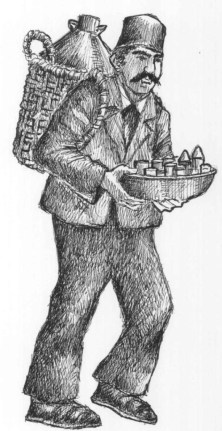
In 1870, Hadji Sadik Bey immigrated from Albania to Istanbul, and settled in a very select district of the city, Vefa, where mostly aristocratic families and members close to the Sultan’s Palace had their private houses and residences.
Hadji Sadik Bey observed that nearly 200 citizens of Armenian origin were in charge of making and selling boza, which at that time was produced with a sour, tart flavour and a light consistency. In this select neighbourhood of Istanbul, he started to make boza of a different flavour and taste, a thick consistency and having a less sour taste. In 1876 he registered the tradition of boza making as a profession and set the standard by which the product is measured to this day.
There is one other appealing fact/claim for this amazing stuff – according to certain ‘authoritative’ sources it is very popular with the ladies as a breast enlarger! Cup for cup it is excellent value, enhancing health and . . other things! As Bernard Miles used to say in that old Mackeson beer advert ‘. . looks good – tastes good – and by golly, it does you good!’
‘my’ boza – Double D anyone?
‘ . . looks good – tastes good – and by golly it does you good!’
The family shop, lovingly preserved, is a monument to boza. If you are in Istanbul it is the place to go to soak up the atmosphere and a few bozas: Vefa Bozacısı, Katip Çelebi Cad. No:104/1, Vefa, Istanbul.
The Nezahat Gökyiğit Botanık Bahçesi address: TEM, Anadolu Kavşağı, Ataşehir 34758, İstanbul www.ngbb.org.tr well worth a visit when you are in Istanbul, there are wonderful art galleries in the tunnels under the motorway to each of the themed islands.
When J and I arrived home from Tuscany, about a month ago, we were greeted by a great mound of logs and tree trunks – our annual supply of subsidised villagers’ firewood. Amongst the heap were five huge bits of huge trees – getting them reduced down to something that could actually be made to fit in the wood shed, let alone the hearth, was a daunting prospect. (It would also prove to be painful with a torn tendon from too much sledge-hammer swinging – the logging equivalent of ‘fiddler’s elbow’ or ‘housewife’s knee’, I suppose.)
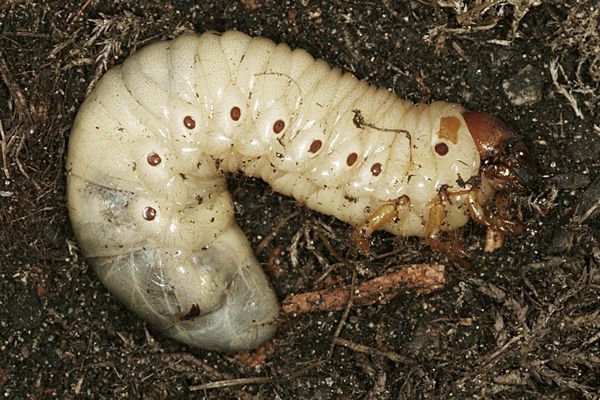
Anyway, I digress! Whilst splitting these big, old lumps of wood I was amazed to be finding a lot of great, fat grubs about the size of my thumb tunnelling through them. Being a bit of a softy I collected the grubs, reintroduced them to their bit of log and then carefully stacked them into boxes where they can get on with the business of being grubs undisturbed.
impossible not to love these guys
At some point they will do their transformational thing and turn into something completely different. Meanwhile, they need to get in all the scoffing they can . . . but more of that later.
What we have here are the grubs of an outstanding athlete – a world-class weightlifter and an obsessive-compulsive ‘Don Juan’ in the sex stakes. Meet Oryctes nasicornis – the European Rhinoceros Beetle; gram-for-gram the strongest creature on the planet!
Oryctes nasicornis – the European Rhinoceros Beetle (male) (photo from biolib.cz)
There are a few hundred different species of Rhino Beetles on planet Earth; they have names like ‘Elephant’ and ‘Goliath’, every one of them is a hard case that knows its own strength and has an ego to match! Regardless of size and species they are capable of carrying 850 times their body-weight without so much as a knee-tremble to be seen! That’s like your average human humping 60 tonnes on their back and wandering off through the leaf-mold!
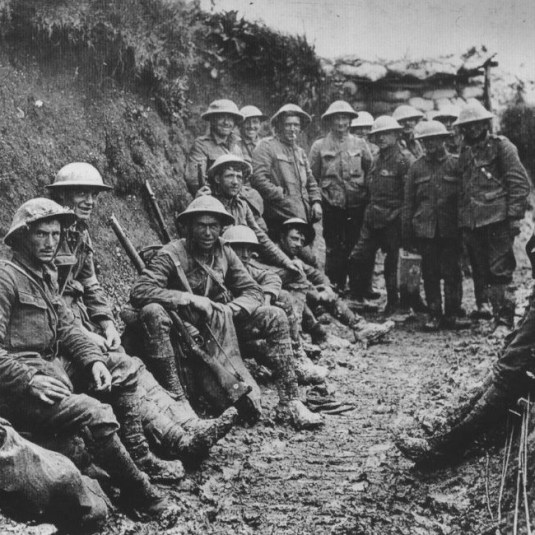
So much for the weightlifting bit, what about the obsessive-compulsive lover-boy bit? Here we return to the business of ‘scoff’ and ‘scoffing’. (These words are said to have originated from British ‘Tommies’ during WW1 after the great French chef August Escoffier. I say this here because our dear friends ‘over the pond’ always have questions re: British idioms).
a bunch of Irish ‘Tommy Atkins’ – ‘Tommies’ 1916 (Imperial War Museum)
Rhinoceros Beetles need to tuck into the grub whilst they are grubs because come ‘hatching’ time, when those pheromones kick in, obsessive-compulsive sounds pretty tame! Rhino Beetles have just one thought on their minds – getting stuck into a bit of practical, hands-on reproduction and they’ll tolerate no obstacles or rivals. Such is their determination to fill every last minute of their lives with ‘rumpy-pumpy’ that they have evolved to do without food. They subsist on the reserves that they build up as grubs and when that expires so do they! They actually get to fulfill that global, cross-cultural male fantasy – to die on the job! Now that is Really Horny!
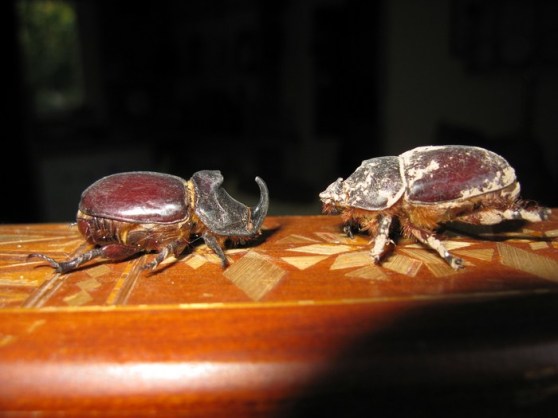
male and female from my collection – both bereft of life; not sure if it was on the job, or not, but you can see they’ve been getting down and dirty!
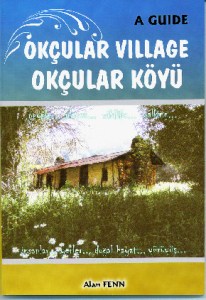
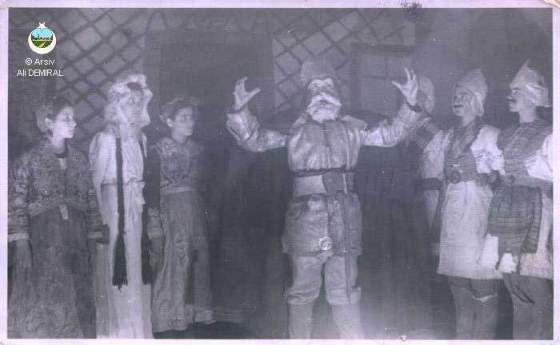
In the book ‘Okçular Village – a Guide‘ there is a section where our Yaşlı Çınarlar, literally ‘Old Plane Trees’ (a local term of affection for our more senior villagers), tell their stories. As one, Şevket Akgün, related his tale he recalled the following: ‘The local education manager then was İzzet Akgül and he said to me, “Şevket, you’re a hardworking student, I’m going to send you to the village institute’’ and I went in 1941 to Kızılçullu for 5 years, winter and summer to study. In the winters we studied, in the summers we learned trades like carpentry, construction, blacksmithing. I graduated in 1946 and in September at 15 years old, I started teaching at Okçular. However, there was no school then.’
The term ‘village institutes’ was intriguing – what were they? Over the years J and I have slowly and not very diligently gathered photographs, together with a little background and history. It is a fascinating and compelling story of vision, social engineering, personal achievement and commitment to an ideal that, within two decades, would have so ruffled the feathers of the establishment that they felt compelled to snuff out the very concept and to discredit the visionary, guiding lights of the movement.
Atatürk teaching the new alphabet
Right from the foundation of the Republic, Atatürk recognised that to build a modern, secular society those he described as the ‘true owners’, the villagers, could become the nation’s greatest asset but only if the ‘light of education’ could be passed to them.
By 1935 the process of ‘enlightenment’ was at a standstill with just 5,400 out of 40,000 villages having primary schools. So it was that Atatürk gave his blessing to a scheme that would take the best and brightest of village children, boys and girls, give them the benefits of an additional, broadly based education (initially for six months but expanded in 1940) for a further five years and then have them return to the villages as teachers. The project was passed to İsmail Hakkı Tonguç, an educational visionary, and the Köy Enstitütleri – Village Institutes were born into a world that most of us reading this can scarcely imagine!
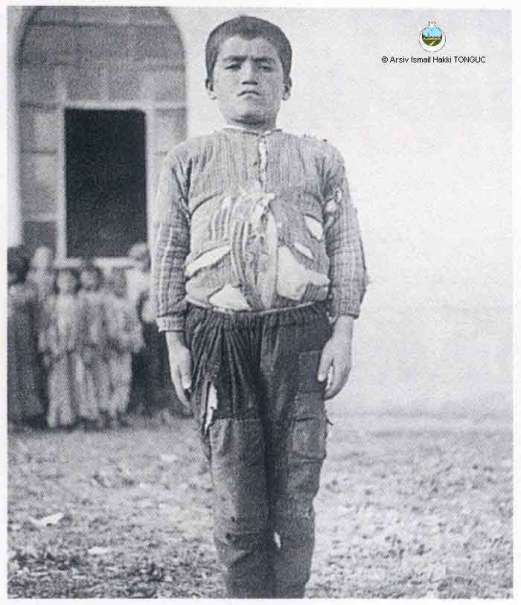
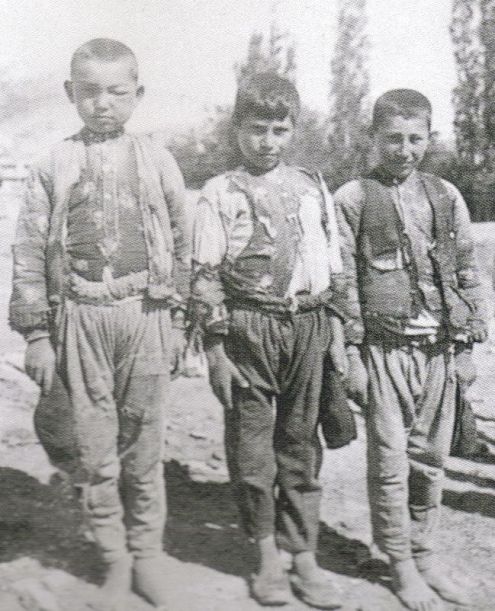
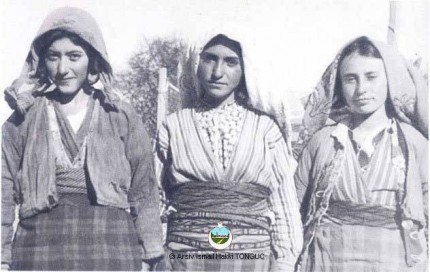
poverty was endemic across Anatolia – a new student at a Village Institute
The Anatolia of this time had progressed little away from urban centres – electricity, roads and sanitation were virtually unknown. Within the villages literacy was of little value as newspapers were few and far between and radios unheard of. Medical services were unknown or scorned in favour of local folk remedies. In years of drought or semi-drought, when combined with the bitterly cold, harsh winters of Anatolia infant mortality could run at 30-50% of those under 1 year old. The lack of education spawned generation after generation of fatalistic, religiously myopic, compliant villagers who were open to exploitation by corrupt bureaucrats and rogues. Village life was unchanged and unchanging with those showing any spark of intellect discouraged and suppressed under the yoke of drudgery and the fight to survive from one year to the next.
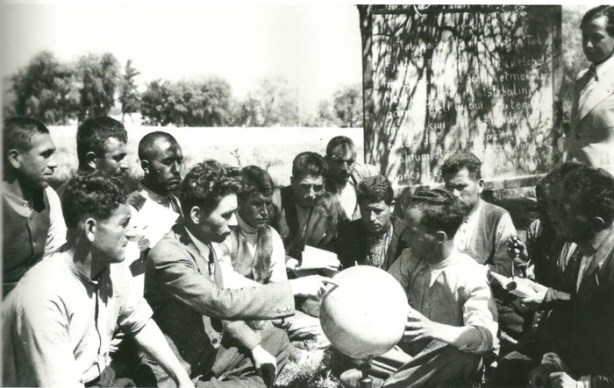
the best and brightest students were gathered
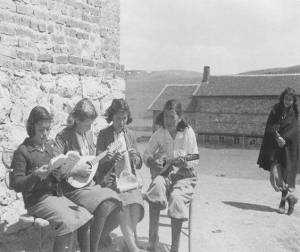
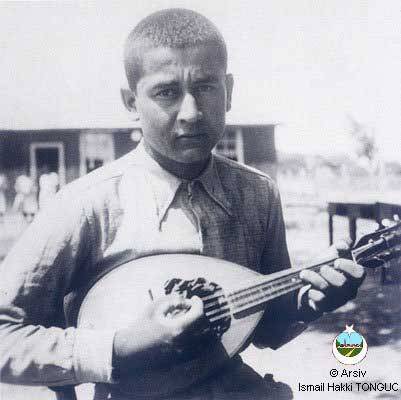
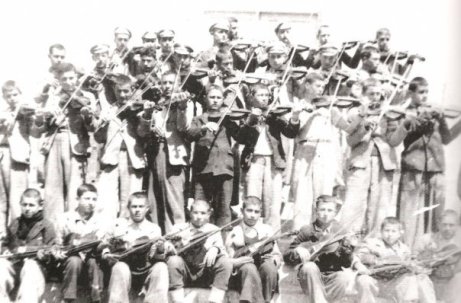
Out of this darkness the Village Institutes gathered together the best and brightest and began an educational process that would transform the perceptions of these students in a way that is difficult to imagine. In addition to the 3Rs the curriculum included history, geography, science, philosophy, practical engineering, welding, sewing skills, tailoring/dressmaking, dance, drama, carpentry, hygiene, animal husbandry, agricultural science, forestry and music. Sport was also encouraged and practised – the list goes on. Not only was the curriculum wide-ranging it was also avowedly secular and directed towards the awakening of social awareness to the injustices and inequalities that comprised the lot of most villagers because of their ignorance and dire circumstances.
secular, logical, scientific learning
The compassion and desire for change of those who supported and directed the village institutes can be read into every line of this letter sent by Hayri Çakaloz, director of the Ortaklar Village Institute to all newly accepted students:
My dear son/daughter,
You have successfully passed the admission examination and so have qualified to become a student at our Institute. As I congratulate you for this honourable achievement, I am happy to inform you that our Institute family of more than 400 students awaits you with open arms. I kiss you on your eyes.
After receiving this letter, please make the following preparations: Get a closely cropped haircut. Wash your hands, feet and entire body as best you can. If your clothes are dirty, please have your mother wash and mend them.
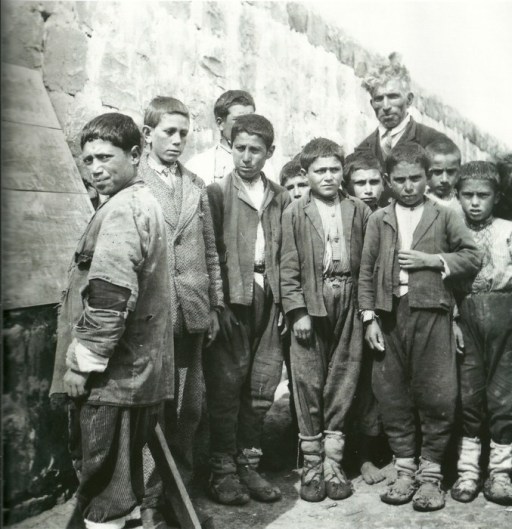
I can’t speak for you, but these kindly and practical words leave me deeply moved. Other directors recall newly admitted students arriving in torn and patched clothing or rags;
children arrive at a Village Institute
many came barefoot; some with bellies swollen from malnutrition; most with tooth cavities and few had ever seen a toilet. What did arrive with them was a narrow, village mind-set. ‘For these children, life was all about cultivating the field, owning a pair of oxen, getting married, worshipping God and preparing for Paradise . Their recruitment into the Institute shook this vision to its very core.‘
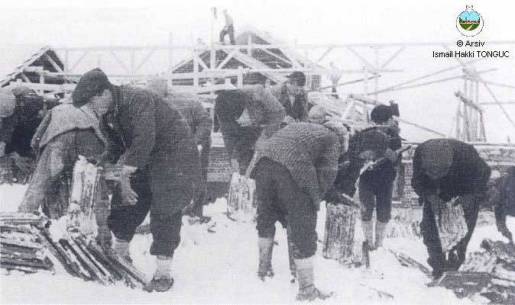
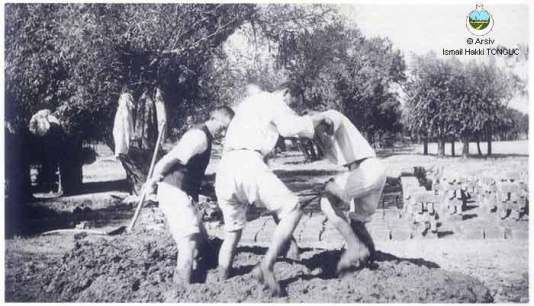
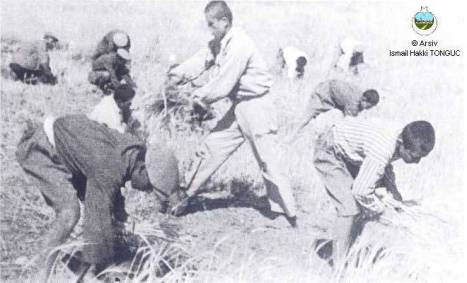
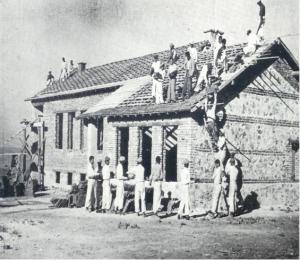
Each of the eventual 21 Institutes were expected to become self-sufficient; to this end, as new establishments were authorised, the students and staff would be involved in the building process. As time went on they became the ‘sole contractors’ and did it all themselves.
students and staff building a Village Institute in winter
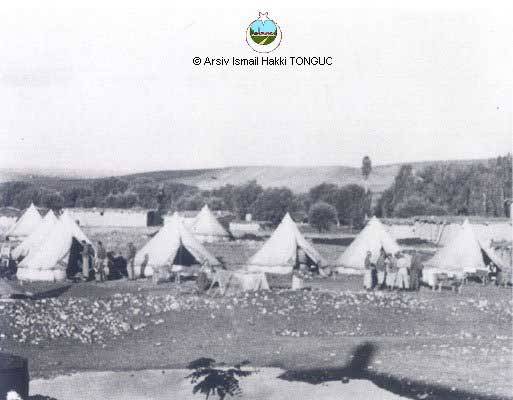
One day, director of Kızılçullu Institute (where Şevket Akgün studied), Hamdi Akman, asked his newly graduated students if they were willing to help construct a new institute at Ortaklar before taking up their teaching posts. Their response was unanimous and next day 200 male and 45 female graduates set off for the railway station with blankets over their shoulders.
That summer was spent in tents at the new site putting up one building after another.
These young men and women had been taught that they were to act not merely as school teachers but as general missionaries of scientific enlightenment and progress – a task that the Institutes had inadequately prepared them for and the social problems they faced would often lead to disillusionment. The spartan regime and relatively remote positioning of the Village Institutes was to prevent the young students from losing all connection with their previous existence and thus becoming unwilling or unable to settle back in the villages. But the result of this system was to teach them about a way of life very different from their own village upbringing, without giving them any first-hand experience of it. They were aware of ideals and values which made some of them despise or despair of the collective ignorance of the villagers, and yet, at the same time, they could have few realistic notions about urban life or about the possibilities of village reform – still less about Western society.
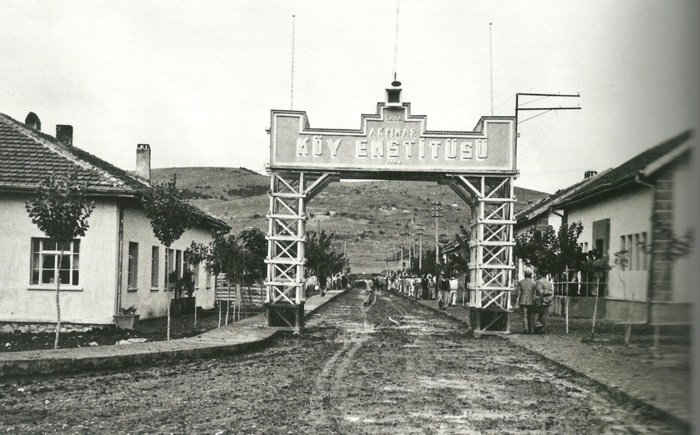
entrance to Akpınar Village Institute, Samsun
Young teachers were still members of the village and yet they had lost intimate contact through five years of almost continuous schooling. Their new ways and ideas created tensions and a social barrier between them and the village, they came to symbolise the hostile, ‘outside’. They were of the village and yet not of it.
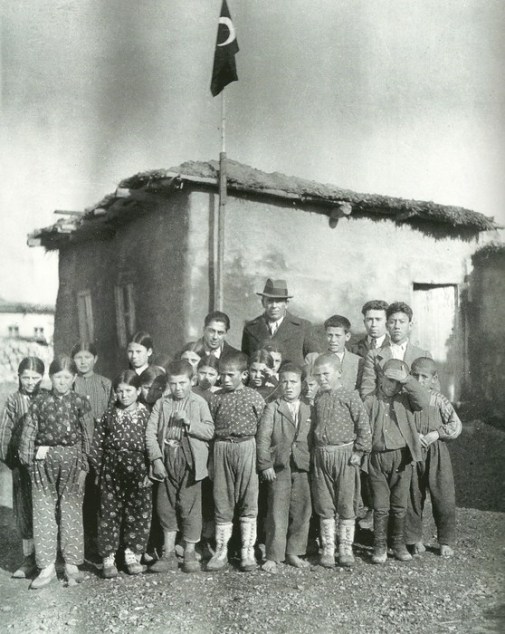
the great visionary educator İsmail Hakkı Tonguç (in the hat) at a village school with its teacher a graduate of the Village Institute
These teachers faced a dilemma. Either they took their modernising mission seriously, caused offence and faced isolation, or they tried to lead a normal social life, yielding to the conservative pressures of the village community, and living as much like a traditional villager as the job of actually teaching the children allowed. Their difficulties are graphically portrayed by one of them, Mahmut Makal, who wrote a series of books, the first of which, Bizim Köy (published in 1950 and translated as A Village In Anatolia when he was just 19 years old) remains Turkey’s best selling book ever. It is a testament to the abject poverty suffered by many Anatolian villagers in the middle of the 20th century. It is also a testament to the subversive power of education; for once people realise that they are being exploited by others, that poverty and destitution are not the ‘will of Allah/God’, and that there is no reward in the next life, then they are very likely to turn and bite the hand or arse of their exploiters. Mahmut Makal was part of a group that became known as the Village Institute Authors who shocked and dismayed the elite establishment and the conservatively religious alike. Radicalised by educational enlightenment and the desperate poverty of village life, it was not surprising that progressive political ideas caught on.
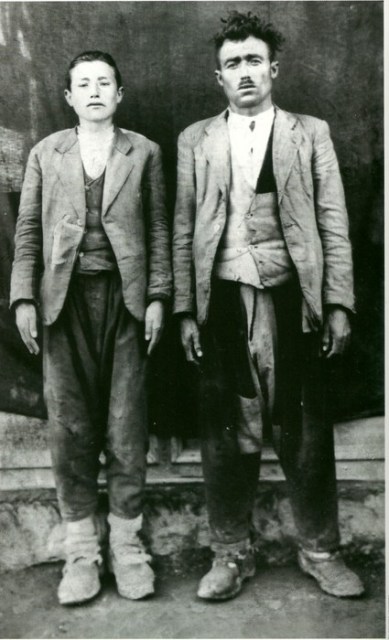
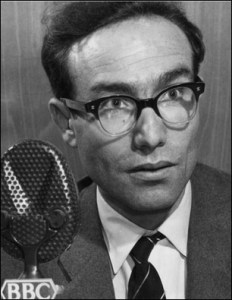
Mahmut Makal and his father taken the day before he left to join the Village InstituteMahmut Makal (BBC archive photo) 1960
Alarm bells rang within the establishment and an unlikely alliance between the religious conservatives who hated the secular co-educational teaching and the political and business elite who hated the idea of educated peasants capable of answering back and defending their rights joined to become a formidable reactionary force. The Institutes and those who advocated them were branded as communists in the age of virulent anti-communism, their reputations were smeared and they faced harassment, suspension and imprisonment. Even that great visionary, İsmail Hakkı Tonguç, was hounded out in 1953 and in 1954 the Village Institutes, one of the greatest experiments in modern education and social engineering, were no more.
from here. . to here
The dream of Atatürk, İsmail Hakkı Tonguç, Mahmut Makal and many others of a secular education, based on the foundations of inquiry, science and rationality that is free and democratic has not been totally suppressed. There now exists Çağdaş Eğitim Vakfı (Contemporary Education Foundation) established in 1994 that promotes many of the same values from which the Village Institutes evolved.
making bricks to make buildings
Marx understood clearly that real revolution (as opposed to bloody revolution) takes place in the minds of men and women when they become truly educated and truly understand the state of the world in which we all live. Men and women struggling to feed their bellies are in no condition to feed their minds, much less struggle to improve the condition of their lives. The threat that an educated population represents to the ruling elite has clearly been recognised by the powers-that-be. Throughout the ‘developed’ Western world governments are in the process of dumbing down the general population, restricting access to quality education by under investment in the state system and a pricing policy that divides the ‘haves’ from the ‘have nots’.
the arts were an vital aspect of broadening young minds to the wider world
When we compare the potential contribution of an uneducated Mahmut Makal, and countless others like him around the world, with his concrete achievements after his ‘enlightenment’, I would argue that denial of education is a crime of such enormity that is on a par with genocide. Condemning human beings, every one of whom has potential beyond their imagination, to life imprisonment in a cell of ignorance for the misfortune of being born on the ‘wrong’ side of the tracks is a Crime Against Humanity!
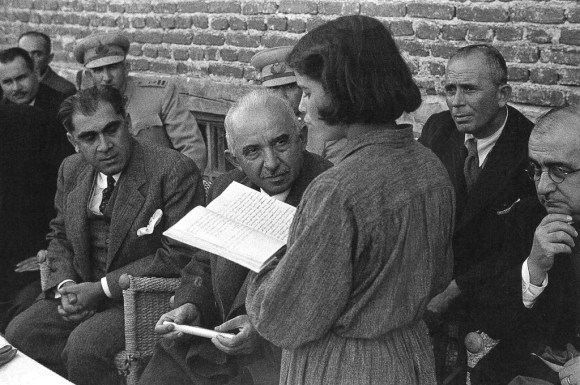
learning improved agricultural skills as well as feeding themselvesthe high standards reached by students were taken back to their villagesPrime Minister İsmet İnönü, Hasan-Ali Yücel (Education Minister) and İsmail Hakkı Tonguç (Director of Village Institute Program) listen intently to a studentVillage Institute orchestraeven drama was taught and shows taken to villages
I hope you have enjoyed reading and learning about the village institutes as much as I have enjoyed learning and writing about them. Like the proverbial ‘Candles In The Wind’ young minds need to be nurtured and nourished – the symbol of education is a blazing beacon of enlightenment and in the winds of change presently blowing through the world it is beginning to gutter – it needs protecting.
I’m an ‘amazed’ person; much of my life is spent saying ‘That’s amazing!’ J is always saying that I’m a very easily amazed person, which I also find amazing because it it true!
I’m amazed by the things I see and learn as I explore in the realms of what used to be called ‘Natural History’ – and I’m constantly amazed at the skill and artistry of craftsmen and craftswomen from around the world and throughout time. Engineers who have created amazing machines; quilters who create amazing works of art with scraps of material; artists who create amazingly atmospheric images with barely a detail; carpenters who created amazing structures without the use of screw or glue like the mimbar in the mosque in Birgi. And now I’ve been amazed by, what I can only describe as, ‘Marqueteers’ – creators of amazing marquetry.
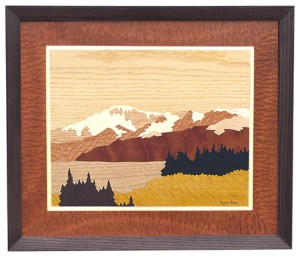
For those not familiar with this form of decoration, it is the use of thin pieces of different types and colours of wood which are cut and inlaid to form ‘pictures’ or geometric designs. It was popular with my granny and her generation and, by default, with Mr Skeets my woodwork teacher at school who was old enough to be my granny. It was also a much favoured DIY type project in the 1960s.
On our recent trip to Tuscany, J and I went with our friends to the lovely old town of Lucca. There, amongst other things, we paid a visit to the Museo Nazionale di Villa Guinigi (we also got free admission as Old Aged Pensioners from the EU – our Aussie friends left out an ‘a’ and an ‘l’ and were let in as Austrians). There is a lot of interesting stuff to see, particularly relating to religious artifacts, but what had me utterly amazed were these . .
what you are looking at is a flat panel – the least amazing and ‘normal’ examplemarquetry door panel – now check the detail in the other door belowdoor panel detail and ‘No! you are not looking through it’
And then there was this . .
as you look at this amazing piece, remember that you are looking a flat panel created in the same way as the 1960s DIY picture above
These are just a few representative examples of what is on display; each piece is between two and three metres high. Flash was not used for obvious reasons – the guard would have confiscated my camera!

 This is supposed to be a ‘mystical’ tour, seeking out village mosques that have their foundations firmly rooted in the tenets and traditions of Sufism. Sufism has had a chequered history of misunderstanding and persecution but its influences on music, poetry, painting, calligraphy and much else have been profound. In making this tour I find that being able to take a moment to conjure up mental images of bygone times have added greatly to the experience. Times when candles flickered and worshippers swayed and circled rhythmically chanting, perhaps to the soft and beautiful whisper of the ney.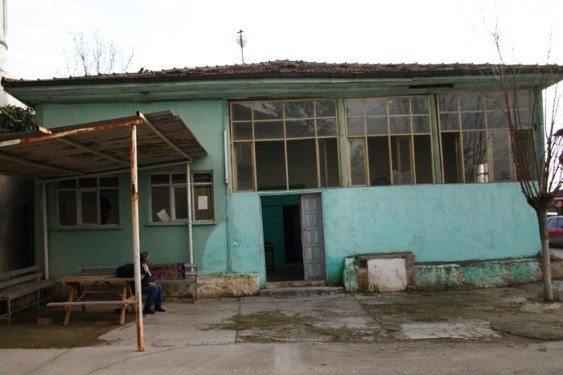

 The small farming town of Kızılcabölük near Tavaş is a place of many mosques and few visitors. It is home to the Hanönü Camii (in front of the Han) which has an unusual history because it was built by Ümmi the daughter of Köse Mehmet Ağa sometime around 1697. There is a date above the mihrab that indicates redecoration in 1895. With a modern, concrete mosque jammed in alongside, the state of the exterior did not bode well for what we might find inside. Broken metal sheets were nailed across the entrance, sections of the roof were falling away and there was a general air of filth and dilapidation. Pulling aside a corrugated sheet of metal we ‘broke in’!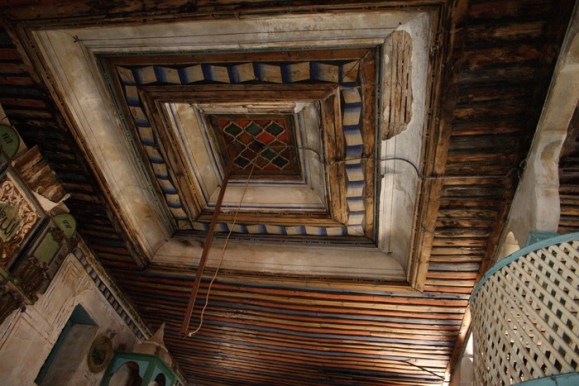
 It would be more accurate to say that ‘Money Talks and Walks the Walk’ – in 16 years of living here I have seen example after example. I want to stress that Turkey is no better and no worse than most other countries around the world – greed, ‘primitive accumulation’ lies at the heart of the economic system; a system that commodifies everything – including the environment! If tiresome protection laws get in the way of the ‘fast buck’ then they are to be ignored, rescinded or bribed away.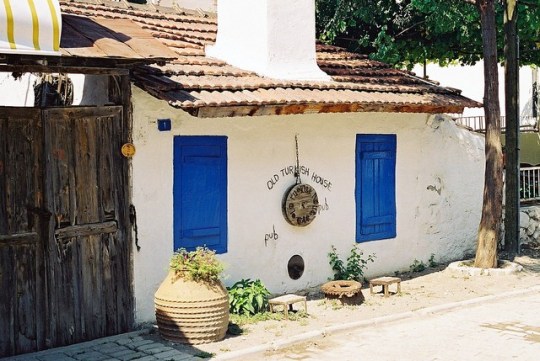


 Mass tourism, that ‘pile-it-high flog-it-cheap’ commodity has had its day and is declining rapidly. Unless the politicos, local and national, wake up to the real worth of this beautiful, historic country that they have inherited, and start to protect and defend that worth then sustainable tourism is finished. Not in my lifetime, it’s too late for people my age, but what about your grandchildren Başkan – don’t they deserve something better than the ‘fast buck’ you are offering now?
 Flowers abound with one particular species front and centre at this time – Anemone coronaria the Crown Anemone. Walking around the area, especially if you are using the maps and guide notes in ‘Okçular Village – a Guide’ and ‘Backways and Trackways’, is a feast for the eyes with great swathes of multi-coloured anemones wherever you look.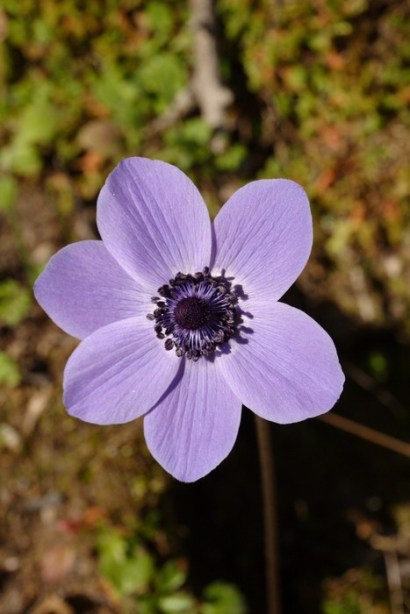


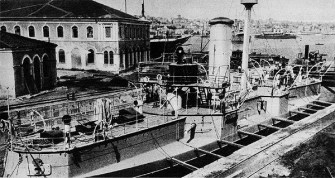 . . they mean a trip to Paris or Rome tra-la-la . . or, in this case, Istanbul – to the historic dockyard, founded in 1861 by the former Ottoman Maritime Company. It lies on the north shore of the Golden Horn in the district of Hasköy. The site, together with the Lengerhane building (which was initially used for casting anchors and chains for the Ottoman navy, during the rule of Ahmet III (1703–1730)) across the road, houses the Rahmi M Koç Museum. This is, in my opinion, one of the finest industrial museums you will ever visit – a world-class establishment!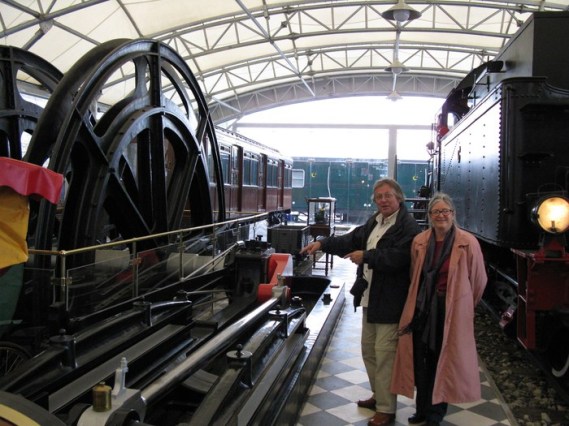


 In the dairy cabinet I noticed bottles a strange, glutinous, creamy-coloured stuff. ‘What is this?’ I asked. ‘Boza!’ said he, ‘It’s a bit alcoholic, and very traditional.’ Alcoholic, traditional and cheap – I think that’s why I’ve always loved folk music! Good enough for me, and I loaded some in the trolley. Back at Ahmet’s place the wine glasses came out – and I opted for ‘a drop of that Boza stuff’ which was served up in a coffee mug! So began an affair – a bit on the side whenever I can get it – Migros tend to be a bit erratic and no one seems to stock it locally.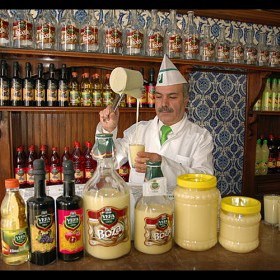
 Hadji Sadik Bey observed that nearly 200 citizens of Armenian origin were in charge of making and selling boza, which at that time was produced with a sour, tart flavour and a light consistency. In this select neighbourhood of Istanbul, he started to make boza of a different flavour and taste, a thick consistency and having a less sour taste. In 1876 he registered the tradition of boza making as a profession and set the standard by which the product is measured to this day.


 There are a few hundred different species of Rhino Beetles on planet Earth; they have names like ‘Elephant’ and ‘Goliath’, every one of them is a hard case that knows its own strength and has an ego to match! Regardless of size and species they are capable of carrying 850 times their body-weight without so much as a knee-tremble to be seen! That’s like your average human humping 60 tonnes on their back and wandering off through the leaf-mold!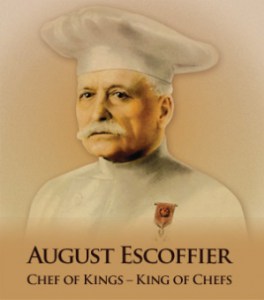
 In the book ‘Okçular Village – a Guide‘ there is a section where our Yaşlı Çınarlar, literally ‘Old Plane Trees’ (a local term of affection for our more senior villagers), tell their stories. As one, Şevket Akgün, related his tale he recalled the following: ‘The local education manager then was İzzet Akgül and he said to me, “Şevket, you’re a hardworking student, I’m going to send you to the village institute’’ and I went in 1941 to Kızılçullu for 5 years, winter and summer to study. In the winters we studied, in the summers we learned trades like carpentry, construction, blacksmithing. I graduated in 1946 and in September at 15 years old, I started teaching at Okçular. However, there was no school then.’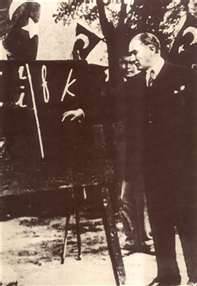

 I’m an ‘amazed’ person; much of my life is spent saying ‘That’s amazing!’ J is always saying that I’m a very easily amazed person, which I also find amazing because it it true!
 For those not familiar with this form of decoration, it is the use of thin pieces of different types and colours of wood which are cut and inlaid to form ‘pictures’ or geometric designs. It was popular with my granny and her generation and, by default, with Mr Skeets my woodwork teacher at school who was old enough to be my granny. It was also a much favoured DIY type project in the 1960s.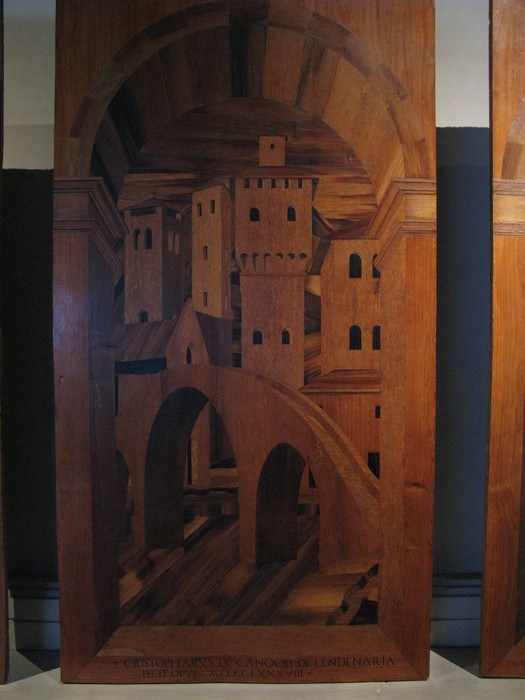


 Bof's Blog