Iran Life – The Kindness Of Strangers

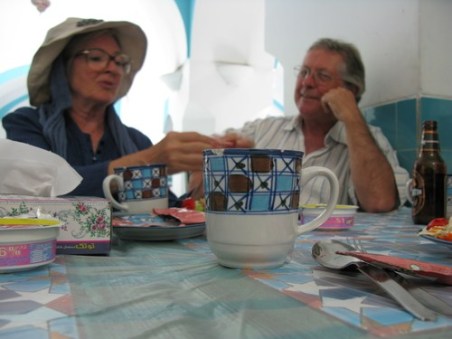
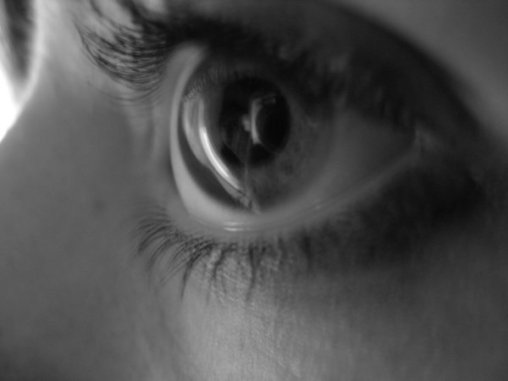
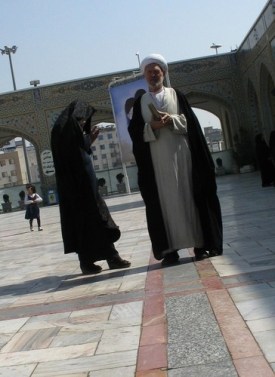
mashad1Mashad was an experiential disaster – a depressing waste of time and air fare! It is a fast-growing, modern city of two and a half  million people close to the Afghan and Turkmenistan border. Its name means ‘Place of Martyrs’ and its raison d’être is that the 8th Shiite imam, Ali al-Reza was murdered there 1200 years ago and it has become a place of pilgrimage as a result. The shrine is, after Mecca, the most visited place on the planet for Muslims with in excess of 20 million visitors each year. It is in a state of constant expansion, and whilst the tile-work is typically Iranian and pretty gorgeous the underlying concrete is not. The oldest and most important parts of the shrine are off-limits to non-muslims and to visit any parts require women to cover themselves with a burqa and stay separate from men – great for visitors from other cultures! The first photo sums the place up for me – a conversation where she can’t look at him and he won’t look at her! If you do decide to visit the bits that are open to you you will be escorted by an ‘indoctrination squad’  from the visitor information office.

Mashad lies along the ancient Silk Road and has been home to some of the renowned Persian poets like Ferdowsi, philosophers, artists and singers. 120kms to the west of the town is the shrine and grave of the great mathematician, astronomer, engineer and poet Omar Khayyám, assuredly a place worth an uncomfortable ride in a taxi to see. Nope! The biggest attraction was the display of oriental tea pots at the tea house! Take our advice and give Mashad a miss – the turbulence on the flight to get there was far more interesting than the destination!!

teapot
at least the gardens were nice and the teapots interesting

I said that I found Mashad depressing and so perhaps I should explain – the sight of thousands of brain-dead people, particularly women, giving in to ritualistic wailing and crying as soon as they enter the shrine of a bloke who was poisoned in 818 is enough to take away my will to live! This, along with other religious pageantry is beyond me and I despair for the future for humanity whenever it crosses my path. I have no problem with personal faith – that is a crutch that anyone is entitled to hobble along with, but please respect the rights of others, including orang-utangs, to manage without having it rammed in our faces!

On a positive note, we actually left Mashad by train after a couple of days! In the restaurant car we had the misfortune to be engaged in conversation by an imam. This imam was 71 years of age (our contemporary); he has studied the holy Qur’ån in the holy city of Qom for 50 of those years – a Koranic scholar indeed! And, he was asking us (I say ‘us’, but he wouldn’t look at J, even when she forced her way into the conversation) our opinion about why the Islamic Revolution had happened – a miscalculation on his part, perhaps! We expounded on recent history; the overthrow by the British and US of the first elected democratic Iranian government of Mohammed Mossadegh (photo) and the imposition of the despotic Riza Shah.

MossadeghThis followed by the leftist revolution that ousted the shah and then its takeover/sandbagging by the Islamists and the creation of the Islamic Republic. Factual history was not his strong point – he proceeded to deliver a lecture, sans all the murdered leftists, that had me ‘requesting’ that he shut up and let the interpreter interpret! Luckily for him, and us, the train stopped for everyone who wanted to get off for prayers and we never saw him again!

I realise that this is a disjointed way to tell a story, but I want to include the following because it is relevant to the ‘kindness of strangers’ in the title.

J and I were sitting in our hotel foyer in the city of Kerman when we were engaged in conversation by a very distinguished-looking gentleman by the name of Mohammed who was in town on business. Mohammed had been a fighter pilot in the Shah’s air force, had trained in the US and had fought during the Iran-Iraq War. Our conversation ranged over many things; internal and external politics; sanctions and the death of Mohammed’s wife just a few years earlier from cancer. Sanctions had deprived his wife of the treatments/medicines she needed to have a fighting chance of survival. It was a sad and disturbing tale related with great dignity and suppressed anger – not towards the peoples of the US and its so-called allies in the ‘innernashunal communidy’, but towards the war criminals who lead those countries.
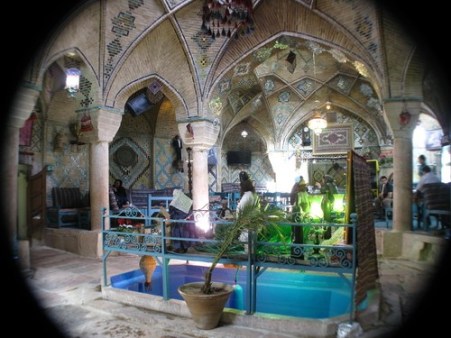
teashop
the beautiful teashop

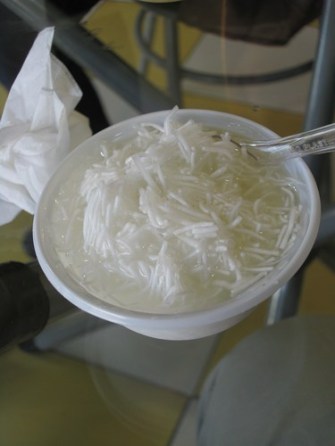
Time flew and we were soon enough parting to get on with our day. We were visiting the delightful old bazaar and found, by chance, a wonderfully old and beautifully restored hamam that had been converted to a very popular local tea house. As we sat sipping and soaking up the atmosphere Mohammed walked in and we called him over. He ordered up tea and a water pipe and refreshing bowls of iced ‘pudding’ and more conversation flowed. He left just ahead of us and when we called the waiter over to settle up we found that our tab had been paid ‘by the gentleman who has just left’. A small kindness from someone who had, not long before, been a stranger.
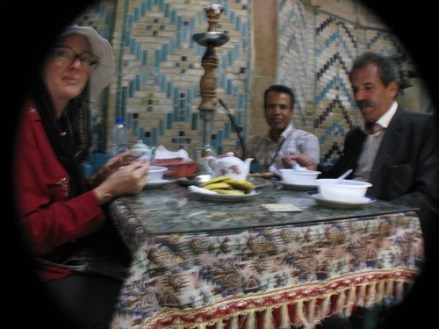
teashop2
tea with a gentleman – our only photo of Mohammed
iced pud
the refreshing local, iced ‘pudding’

Keep that in mind as we get this disjointed post back on track:

Compare and contrast this with the town of Shãhrud where we hopped off the train for a couple of days’ excursions to the mountains and deserts. Shãhrud is a delight of water and trees and ordinariness. It sits at the base of the mountains by the edge of the great desert and there is much to see and enjoy. I want to concentrate on our drive out into the desert. We spent quite a lot of time observing and photographing camels! There are loads of them wandering about being nice to their babies and dust bathing!
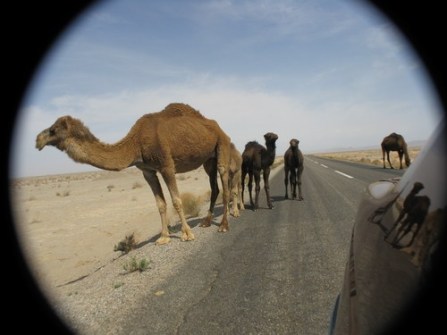
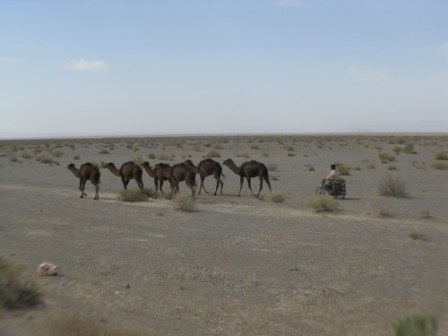
camels1
upon reflection
camels2
modern day camelboys

We eventually turned up at a gate to a compound in a deserted village and tooted our horn. A camel checked us out, followed by a herder.
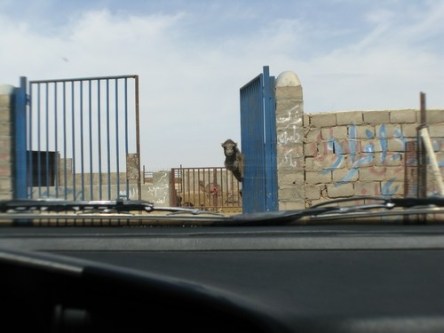
camels3
. . you rang, Sir?

We were invited in to examine the stock of youngsters and then to drink tea with him and his nephew at his home. His house was a breeze block hovel; dirt floor; smoke-blackened walls; plastic carpet. We settled down and made ourselves at home.
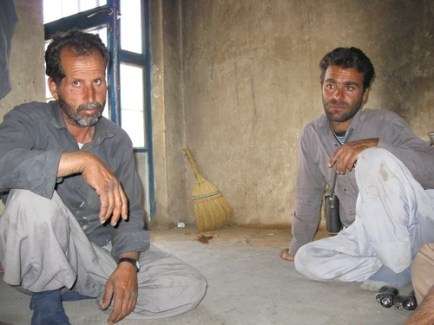
camels4
two members of the ‘Axis of Evil’

After he had set the teapot brewing he addressed J – ‘You are not from this country’ he said, ‘you are not used to wearing that thing’, indicating her scarf. ‘Please, you are in my home, make yourself comfortable and take it off if you would prefer’.

Can you feel my emotions as I write and you read this?

We went on to discuss, at his instigation, world affairs and sanctions in particular and how he couldn’t buy barley for his camels (this has been a hard time with lower than usual rainfall this year and so less for the animals to graze – they are thin).
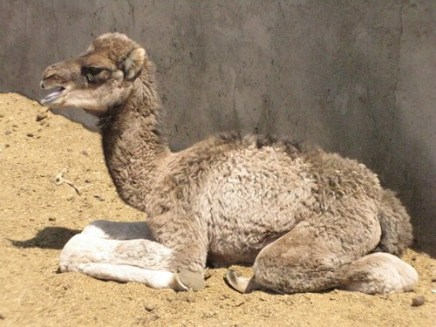
camels5
a few days old
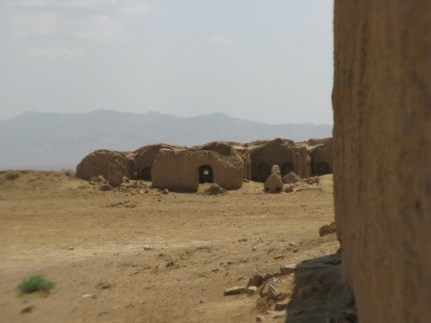
ruins
the remains of a once thriving community
qanat
the two guys maintain the qanat to bring water from those mountains

What the f$%^ the US has against people with life-threatening illness and desperately poor camel herders in Iran is beyond me (and him) but we promised that we would at least blog about it, for what it is worth! All that said, what has stuck in our minds is the gentle hospitality, kindness and thoughtfulness of a camel herder and his nephew in the great desert of central Iran and the dignified widower in Kerman. May their god go with them and may barley and medicine, along with everything else, be removed from the list of embargoed goods, and may western, colonialist despotism be removed from the lives of people everywhere. Inşallah!

Alan in Okçular
Yazd – Adobe, Wind Towers, Qanats and Tesco

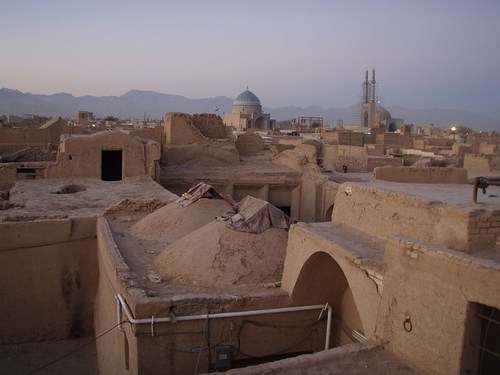
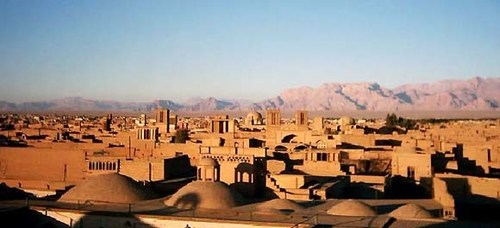
More from our Iran Life trip. Let’s start with a couple of general views of the old city (photos are mostly mine with a few wiki-commons and photos of photos mixed in – the interesting effect is due to using the camera in stealth mode) salvaged from the wreckage of Archers of Okçular and first posted May 2014:

Yazd_1

YazdRoof_1

Yazd is ancient and unique! It has been continuously occupied for more than 3000 years and its remote, desert location has served it well leaving it largely untouched by the ebb and flow of kings and empires. With the rise of Islam in Persia, Yazd became a refuge for Zoroastrians and by paying a levy they, their religion and their places of worship were left alone. Islam has only become dominant here in more recent times.

The city is one of the largest in the world to be built of adobe with even new constructions being clad in this durable, eye-pleasing material. Situated at the heart of the Dasht-e-Kavir desert, Yazd has thrived by the skill and ingenuity of its architects and engineers. Architects who developed the world’s first air conditioning/refrigeration system known as wind towers and engineers who created the amazing qanats, an underground system of countless hundreds of miles of canals that bring and distribute vast quantities of water from the mountain water tables. These techniques, discovered and perfected in Yazd, have been exported worldwide.

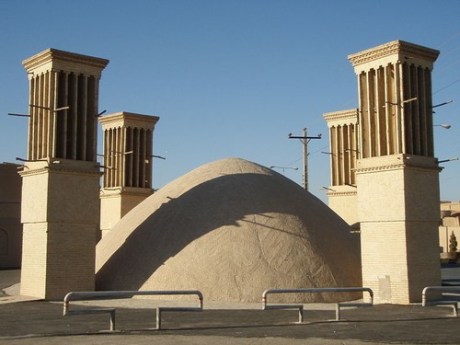
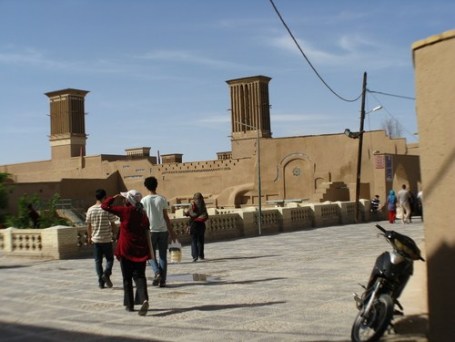
The towers are capable of drawing air down over a fountain of cooling water or drawing air through the underground qanats into the basement and then upwards to cool the entire house. They are used to keep glacial ice from the mountains and maintain subterranean water reservoirs at near freezing throughout the summer. The ‘sticks’ you can see are an ancient form of earthquake-proofing for the structures.

dolatabadgardens_1
probably the world’s tallest wind tower at Dolatabad Gardens
BadGir_1
underground water cistern cooled by wind towers
windtower
J with friends and wind towers

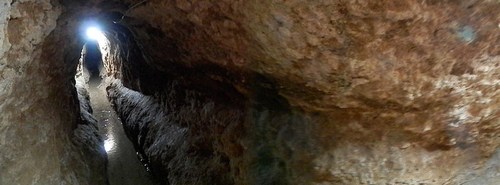
Which leads us nicely to the qanats. Developed in Persia and perfected by Yazdi engineers some 3000 years ago they consist of a series of vertical shafts connected by a gently sloping tunnel system that taps into the water tables at the base of mountains. Water is often delivered from hundreds of miles away, feeding villages and towns in a strictly controlled and regulated way that has lasted for millennia. J remembers well (pun intended) seeing these strange circles across the desert as she flew down to Persepolis for a gig just before the revolution that overthrew the Shah.

qanat_anshan_air

qanat_1
qanat tunnel – in the tunnels feeding the desert towns the flow is often prodigious

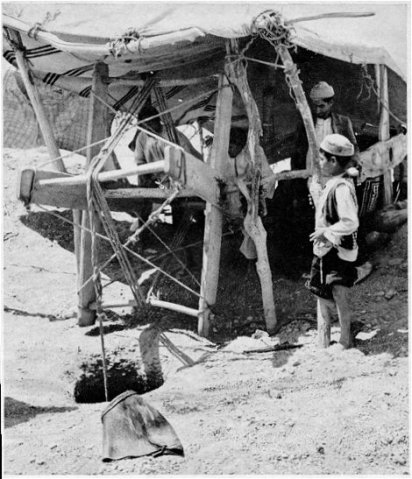
The Water Museum in Yazd will give you a great insight into the construction and sheer scale of this amazing system – even the National Museum gardens in Tehran are fed by a qanat! Here is a photo from their exhibition of a windlass being used for moving both people and spoil.

qanat5

IMG_5435_1
qanat-cooled canoodling room underneath our restaurant

Finally a few random pics from the two days we were in Yazd:

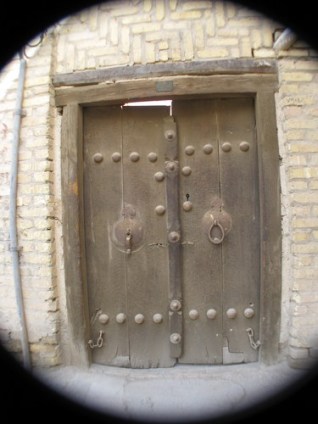
door1
old door with knockers for men and women (this is true, I promise)
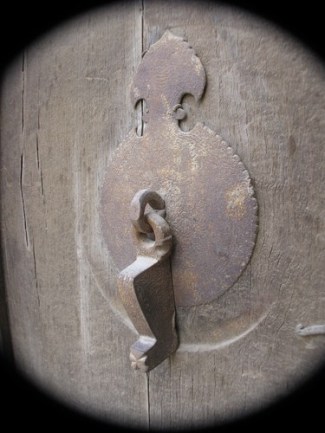
door2
the ‘lady-shaped’ knocker
door3
the ‘man-shaped’ knocker (looks like it’s got a limp to me)
door4
OK! I admit I have a thing about knockers – this one is for tall people of either sex!
mug1
a Boffer, his squeeze and a chipped mug
sugar
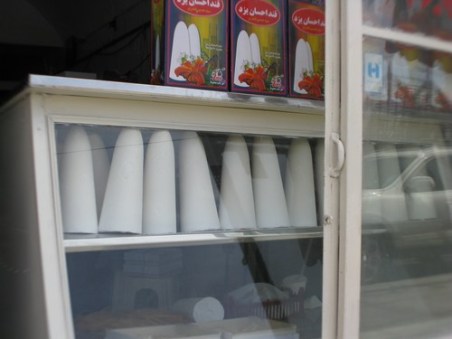
sugar loaves
tiles
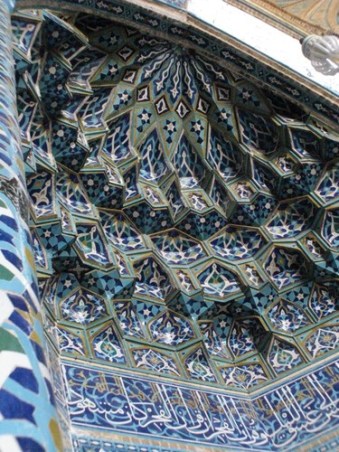
another stunning bathroom tile job!
still life
a very still life

Finally, finally, if they don’t do something about this it will kill off the town centre shops (taken on the road just outside Yazd)

tesco

Alan in Okçular

Iran Life – Yazd, Towers Of Silence

yazdEvery journey begins with the first step – or words to that effect. So said Confuse Us a smart Chinese guy from the Lu dynasty about 450BCE. With that in mind we took our first ‘steps’ right over a couple of mature, laid-back Istanbul street dogs of our acquaintance. As we did so we whispered a quick ‘Thanks, SDs’ for the info that gave us the push we needed to get on with this particular ‘trip-of-a-lifetime’. That said, with so much to cover, where to begin? The toss of a coin, and the ancient desert city of Yazd it is – which suits very well because it was one of our must see places.
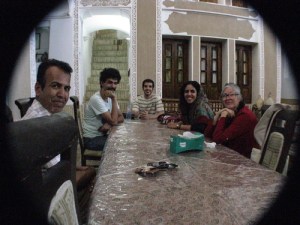
yazd2Our young friends from Tehran, who we first met in Istanbul, met up with us here and we spent a brilliant couple of days together exploring the city. (l-r guide Feraidoon, Siavash, Bahman, Shardi and J)

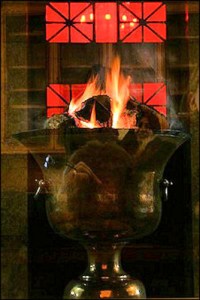
Yazd has been around for a very long time – sustained and made tolerable by life-bringing qanats and cooling wind towers, of which, more later. Often referred to as the longest permanently occupied place on Earth (a claim that Damascus might dispute), there are some who say it has been occupied for more than 3000 years – others 6000. Whatever, it was and still is the beating heart of Zoroastrianism – fire worshippers who revere the four elements. These days they are not allowed to leave their dead out on the Towers of Silence for the vultures to pick-over, they are buried in concrete lined graves to avoid any contamination of the earth, air, fire or water.

Zoroastrian_Fire_Temple_in_Yazd_1
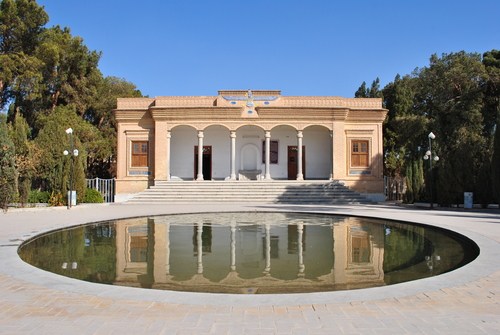
Zoroastrian Fire Temple and Eternal Flame

eternal-flame-yazd_1It is claimed that this fire has burned continuously since 720CE – Zoroastrians make up a significant minority of the Iranian population at around 5-10%. They, along with Jews and Christians are recognised religious minorities who are free to carry on their faith unmolested.
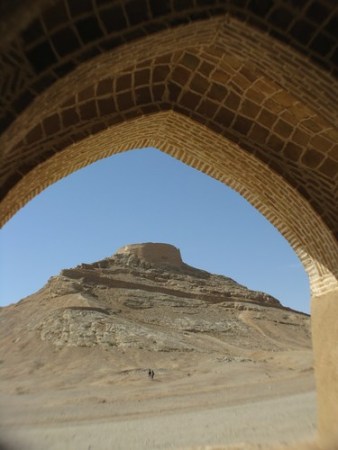
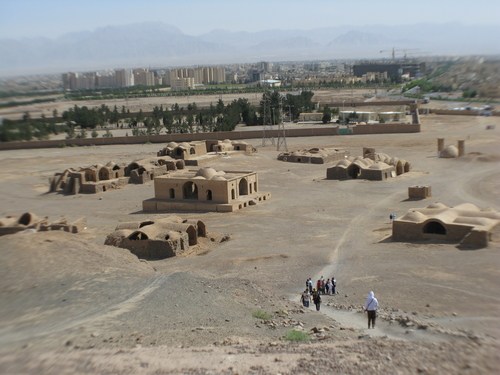
Zoroastrianism was a major influence that lay at the heart of the once mighty Sasanian Empire that spread from India in the east to Egypt and Turkey in the west between 224-652CE. It was the last Iranian empire before the advent of Islam. Two of the Towers of Silence, open to tourism, can be found on the edge of the city together with the modern Zoroastrian cemetery.

tower1

tower2

At the top of the towers there is a flat area with a stone-lined pit all surrounded by a high wall to prevent contamination of earth and wind. Here the bodies were laid out for the birds of the air to consume before the bones were dissolved. All was dealt with by a dedicated ‘volunteer’ who never left the place for fear of ‘dirtying’ the elements or people outside. An early example of a ‘job for life’! It is an eerie, other-worldly place.

tower3
view from the top – the complex and modern cemetery with Yazd in the background

On the subject of religion, which looms large in this country, we learned that there are only three calls to prayer for Shi’ite Muslims (dawn, noon, dusk). The calls are gentle and pleasing on the ear (compared to the raucus, over-amplified bellowings from mosques in Turkey) but are all-pervasive and can be heard everywhere including the metro! Religious texts are plastered everywhere in towns and cities – a sort of in-your-face subliminal indoctrination.

I could go on, but let’s bring this post to a close with a view of the magnificent Amir Chakmaq Square and Mosque. More about this fascinating ancient city soon.

yazd4_1

Alan in Okçular

ps there are still problems with WP after they made yet another version upgrade – I’d have loved to give you some links to the content but at least the photos are here. Onwards and upwards!

Iran Life

Here we go folks – this from the salvaged Archers of Okçular blog first posted in May 2014. Enjoy the trip!

To paraphrase that old despot and war criminal (gassing Kurds in Mesopotamia in 1920 the Iraqi Revolt) Winston Leonard Spencer Churchill; ‘Iran is a riddle, wrapped in a mystery inside an enigma.’

J and I are just back from an amazing, wonderful, depressing, fascinating and stimulating trip to the Islamic Republic. The contrasts and contradictions have been profound. From the intransigent, unbending, unhearing ‘discussion’ on a train with an imam from the holy city of Qom, who has made a life-long study of the Koran, to the quiet kindness of a desperately poor desert-dwelling camel-herder and his nephew. From the ritualised wailing of thousands of pilgrims at the shrine of the murdered Imam Riza in Mashad (the shrine attracts more than 20 million pilgrims every year, second only to Mecca, and the murder happened more than 1200 years ago!), to the residents of the ‘Art House’, a shrine to dissent, anarchy and Sponge Bob ‘somewhere in Tehran’. From the insanity of Iranian drivers to the peace, beauty, camels and flowers of the great Dasht-e-Kavir desert and the northern Arborz Mountains. And from the quiet dignity of a gentleman widowed by the wicked Western sanctions that condemned his wife to death by denying her the medicines she needed to treat her cancer, this country with its monumental wonders, culture and delightful people has engraved itself on our hearts and minds. I hope that I can pass on some of what we found so that you too will want to leave your footprint in this incredible place.

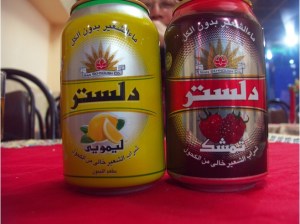
iranian-beerLest I get carried away with it all (and carry you with me), I need to relate a story that was whispered to us over an intoxicating glass of ‘Islamic beer’ (non-alcoholic) that might add a little bit of perspective. It goes like this:
‘Not long ago there was this devout, god-fearing, pleasures-of-the-flesh denying imam lying contentedly on his death bed. He knew for sure that he was headed for heaven because everything that he had ever read told him so.

houriSoon enough he passed over the great divide and awoke to find himself where he had always dreamed of and longed to be. He was surrounded by beautiful, flower-filled meadows with gently flowing streams; blossom-laden trees provided dappled shade; gentle music and song filled the air; those who shared this paradise with him spoke softly, smiled often and never argued. And then there were the gorgeous, nubile houris wandering about the place – afterlife was just perfect.
Too perfect, in fact, because our pious cleric was soon pretty much bored to death with it all – déjà vu all over again because even the houris, like his newly liberated wife (who, incidentally, thought she had died and gone to heaven when he popped his clogs) failed to tickle his libido! He took to wandering about alone, muttering and arguing with himself, shunned by the other denizens of paradise.

One day, as he wandered some distant corner of perfection, he chanced across a wall with a great iron-studded door and a small window that stood ajar. Above the door was a sign that read ‘HELL’ in large red letters. From the open window the cleric could hear the sounds of great merriment, singing, music, lively discussion – arguments even. A veritable party in full swing! Drawn by the sounds he looked in through the window and was amazed by what he saw – and even more by what he didn’t see – if this was Hell then he felt cheated by being dumped in awful, boring, perfect Heaven. It was time to take action and so he rang the bell.

His call was answered by a smartly dressed door-devil sporting a shiny evening suit who explained politely that ‘No!’ he couldn’t just walk in and wander around. He’d need to go back to Heaven and apply for a visitor’s visa at the Hellian embassy. This he did and in no time at all he was back at the frontier door where he was duly stamped in for a two week visit by the unsmiling and rather bored looking immigration devil.

Our cleric had a whale of a time – he partied, laughed a lot, was treated like royalty, ate exotic food, drank finest Shiraz wine, chatted-up the girls, watched the odd raunchy stage show and generally made up for lost time. Sadly, his visit was soon over and as he left, his head ringing with cries of ‘Come and visit us again soon’ and ‘We’ll be waiting for you’, his suitcase felt as heavy as his heart.

Back in heaven he was soon bored out of his brain with the mind-numbing routine of the perfect afterlife. He longed to be back in Hell partying with the best of them. So it was that he went back to the Hellian embassy where he applied for permanent residency. The smiling and very charming diplomatic devil asked him if he was sure because such permits were one-way, there would be no going back if he changed his mind. Fuelled by the memories of his two weeks of holiday the imam signed on the dotted line, picked up his documents and headed for the doorway to Hell – he was happy and smiling and felt as if he were walking on air! Ahead lay a new afterlife that was one to die for.

At the entrance to Hell the door-devil examined his documents, smiled, closed the great iron-studded door with a clang and ushered him through the body scanner and into Hell proper. As he stepped through he was met by a wall of noise, wailing and gnashing of teeth. Devils with pitchforks and cattle-prods were tormenting people at every turn  and the smell of burning, tortured flesh was everywhere. As our cleric recoiled from the reality that confronted him, he turned to the devil aghast – ‘What is this place? When I was here before everything looked wonderful to me. I so wanted to be here.’

‘Ah!’ smiled the devil, ‘when you were here before you were a tourist. Now you live here!’

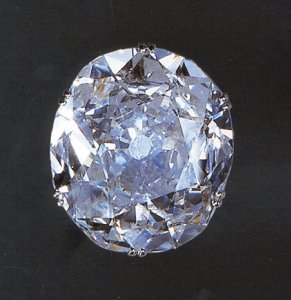
koh-i-noordiamondThe moral? There are more facets to exploring another culture that on the Koh-i-Noor diamond – always look under the bed and behind the curtain! We’ll do our best to offer more than just amazing mosques, incredible columns, scintillating ceilings and the like – although there will be plenty of those!

Next post the story begins. Welcome to ‘Iran Life’.

Alan in Okçular

Hobbies and Pastimes – No1 ‘Needlepoint’

Poor J has had a real bummer of a week! Seven days ago she woke up a virtual cripple with debilitating lower back pain – there was no rhyme nor reason to it, it was just there!

I could certainly empathise with the pain she was in having been through years of agony and then enforced early retirement. So it was that she started on a regime of rest, muscle-relaxants, pain-killers and anti-spasmodics. It was to no avail and so Tuesday saw us in consultation with the neurosurgeon at our local hospital.

What an ebullient character he turned out to be. After the usual battery of tests and scans it was ‘hands-on’ time as he bounced around his office, prodding, poking and bending poor J’s extremities all accompanied by his booming and jovial running commentary. I should add that all this is happening in a jolly mix of pidgin-english and Turkish which is being translated for my benefit simultaneously by J (who understands perfectly) and our charming Ukrainian-born translator. Taking notes at the desk is Mr Neurosurgeon’s secretary/assistant.

Finally, it was prognosis time – no trapped nerves or arthritic bits to worry about – this was all to do with J’s sacroiliac joint and was very treatable (he said).

He prescribed this and that and finally added that she would need an injection in her ‘bum’ (his word, not mine) every day for a week, either at the hospital or at the clinic which had J a bit discombobulated at the thought and the inconvenience.

My hand shot up, ‘I’m good for that!’ I exclaimed. The chance of needling J for a week was not something I wanted to pass up. ‘As long as it’s into the muscle I can do that!’

Mr Neurosurgeon looked skeptical, ‘Just what experience have you had of giving injections?’ he asked.

‘I’ve injected the dog many times’ I claimed (which is true), ‘injecting her will be no different!’

Satisfied with my qualifications, Mr Neurosurgeon decides, for good measure, that I need instruction on exactly where to stick the needle. ‘Turn around’, he says to J ‘and drop your trousers.’ There is a sharp intake of breath from the lady secretary at the desk. The rest of us, Mr Neurosurgeon, our Ukrainian translator, me and, of course, J are quite unflustered – dropping ones pants to a doctor of either sex is pretty normal.

J's arse

In the interests of accurate journalism I need to state that I’ve touched-up the lines for clarity as J keeps washing them off! You can make out three neat puncture marks in the ‘top third’ as per instructions (original and genuine model – no photoshopping)

Flourishing his ball-point pen, Mr Neurosurgeon exposes J’s right buttock (discreetly), ‘It must be divided into thirds’ he said as he drew a large cross on her arse in true Irish style, all of which reduced us to howls of laughter – even the secretary eventually joined in as she tried to hide her embarrassment behind some document folder or other.

Eventually order was restored and I was solemnly instructed to make the injection ‘here, in the top third’ as he pointed at the top right quadrant!

I declined the offer of a practice go under supervision in favour of testing out my ‘needle-point’ skills in private! Every cloud has a silver lining!

kit
my ‘needlepoint’ kit

Alan at Okçular Health Clinic

ps I’m pleased to report that J seems to be on the mend and I now feel free to share my pleasure at helping her healing process – there are also four more jabs to go! 🙂

(originally posted in Archers of Okçular march 2012)

For Gawd’s Sake

. . not another walking and flowers post!

This is one of the really good things about blogging; we can get to bore the pants off everyone and, unless we happen to be a ‘stats freak’, never be aware of the yawns and glazed eyes! Bliss!

eyes_glazed_over

So, yes, this is about a couple of back-to-back days of gentle wandering with a few impressions of what being a ‘Boffer’ in Okçular is all about. Well, not exactly ‘all’ because this time of year there are plenty of chores to be done like pruning trees and pressure-washing the fossils ferns embedded in the Muğla stone slabs in the yard.

Anyway, enough of all that. Are you sitting comfortably? Then I’ll begin . .

Once upon a time, by the edge of the forest, there lived this old geezer and his missus. They felt a great affinity with the trees and flowers and creatures of the woods and loved to go a-wandering, communing with Mother Nature and her off-spring. They whispered to the trees and the trees whispered back . .

j whisper
J whispering endearments

. . even the elemental spirits, hidden from the eyes of the sceptical, would appear to them from time to time.

spirit
the Water Spirit – can you see it?

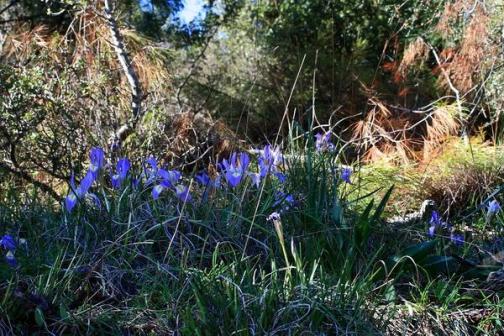
Spring has sprung – after a cold snap and a late start the buds are budding and the flowers are flowing and flowers are – well – flowering! Come and wander, it’ll do your spirit good!

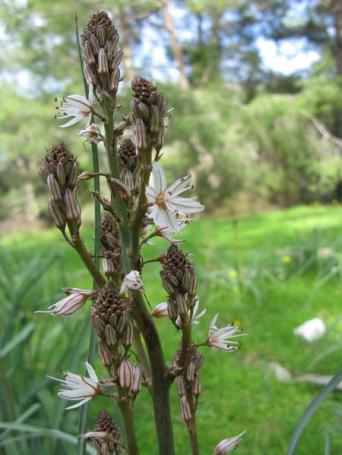
asphodel1
Asphdelus aestivus – Asphodels are everywhere
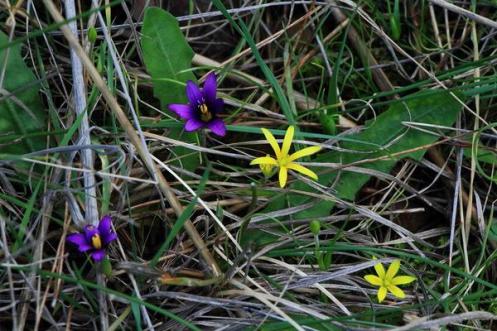
romulea
Romulea tempskyana Sand Crocus and Gagea arvensis
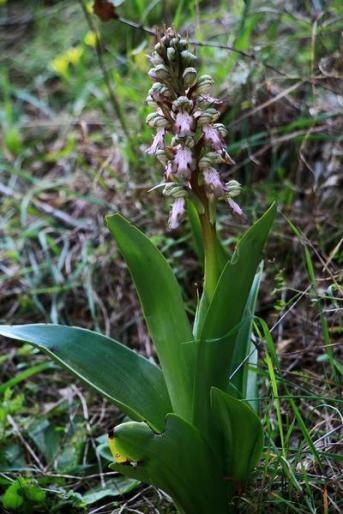
giant
Giant Orchid (pale coloured from lower slopes)
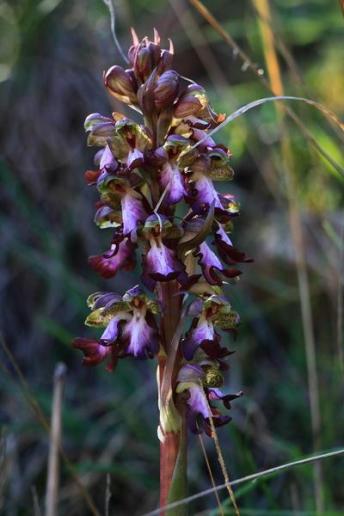
giant2
. . and this dark beauty from higher up the mountain
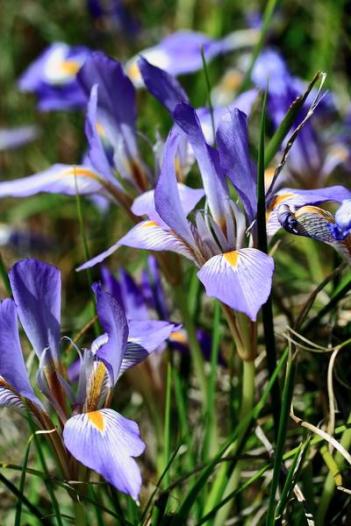
iris1
the inevitable Algerian Iris – they are everywhere

iris2

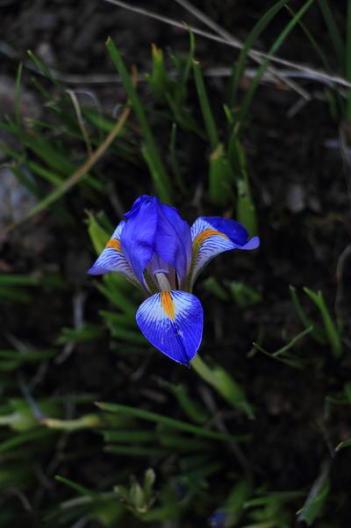
iris3
some with the richest of colour
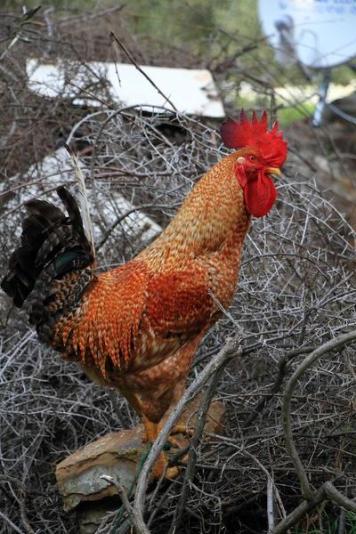
cock
early stages of Coq au Vin

We thought he was a bold fellow until we noticed that he was securely tied in place. Now, a Southerner like me can make a joke here about Yorkshireites and their funny accents and title this as ‘Chicken in t’ wine’. However J, who is well known as a regional accent buff at Pedant’s Corner, Private Eye, has spotted this over my shoulder and insisted that I insert the following correction which is a direct copy from that illustrious organ:

Dear Ed,

Pedantry Corner:
To Farmer Geddon (Eye 1289), Peter Sharples (Eye 1290) and Charles Warwick (Eye 1291) I am obliged to say “Nay lad!”
Being South Yorkshire born and bred, (although now away many decades), in our area the ‘the’ was never a ‘t’ at all. The ‘the’ was and is an almost imperceptible hiatus between  two words. The nearest I can come to writing it is “trouble at ‘ mill” – the ‘ in place of the three missing letters of ‘the’. Or, a longer example, “Down ‘ Wicker weer ‘ watter runs ovver ‘ weir.” (three missing thes)
The important thing to remember is that to really represent the accent accurately you must definitely sound these examples out loud wherever you are.
I especially fondly recall ” ‘t i’n’t in ‘ tin” (only one the here).
Yours for ‘ society o’ ‘ preservation o’ regional accents,
Janet Surman.

Alan in Okçular Köyü and forest

Further Up The Creek

Los Llanos – Venezuela

Last post I’d rambled on about various trips of a lifetime, one of which included Venezuela, and that got me digging out some of the photos from that little foray. Clicking through them revived memories of sights and smells, particularly from our exploration of Los Llanos (Loz Yanos) with naturalist and all-round nut-case Roger Manrique aka ‘Croc Roger’. Now, this blog is supposed to be about living in Turkey but as our trip started here I decided to stretch a point and share some moments with you.

navy_boat...

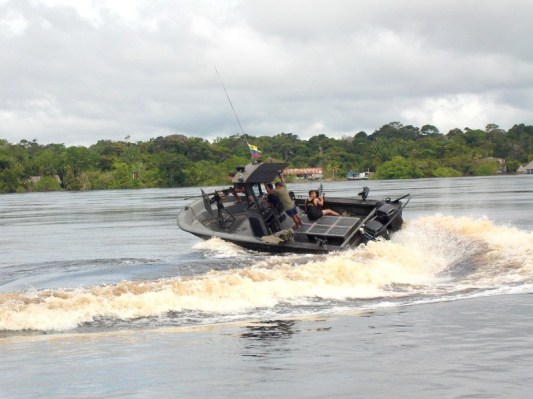
Los Llanos is a vast, semi-flat wetland area in Barinas Province. It’s criss-crossed by countless rivers that all feed into the mighty Orinoco River. Crossing one of the numerous bridges en-route to our base I was surprised (although I shouldn’t have been as the largest known oil reserves in the world are here) to be driving by a Venezuelan Navy base.

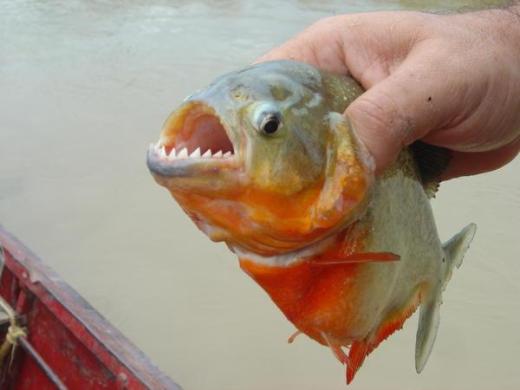
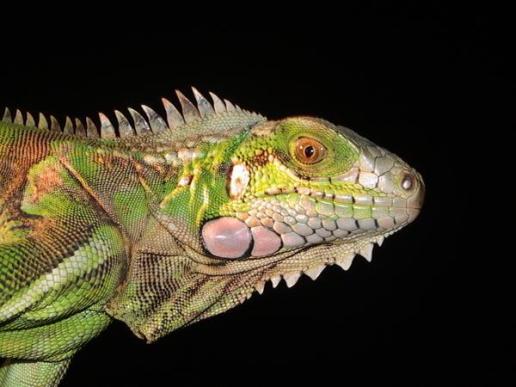
Due to flooding in the wet season all of the roads are raised up on dykes that have been constructed by digging out along each side. This means that during the dry part of the year great pools remain that attract the wildlife from all around. Observing at close quarters is ridiculously easy and when you add in river trips to seek out everything from anaconda to caiman to electric eels to iguana to piranha to giant river otters to pink dolphins to . .

Ibis
three different Ibis in one shot

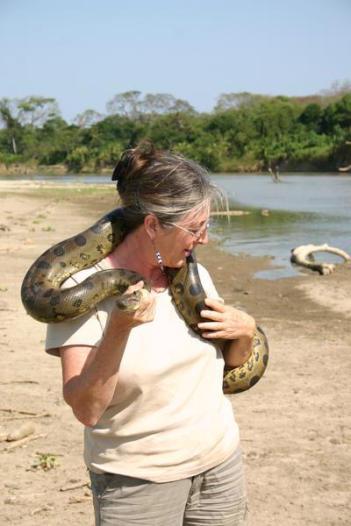
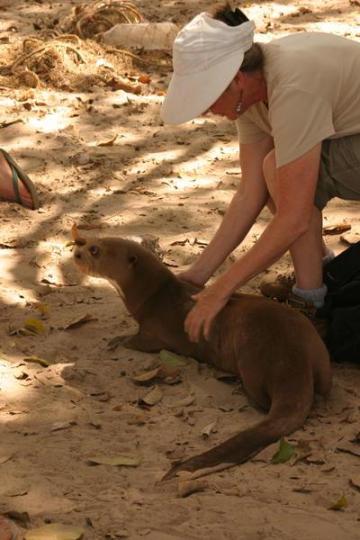
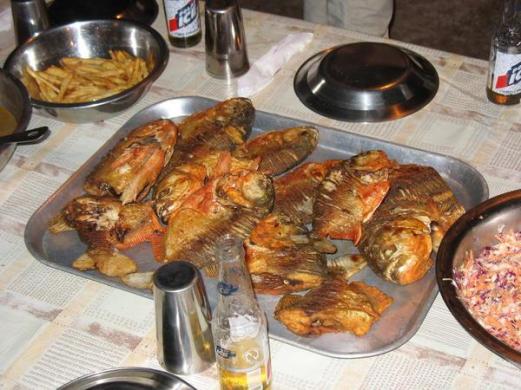
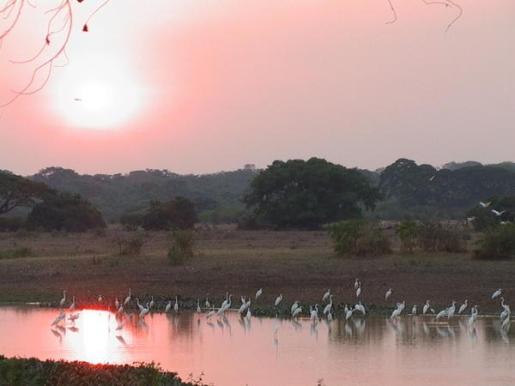
What follows is a glimpse of what is in store for those intrepid wanderers who don’t take the plunge like Roger and stay sensible and fairly dry with fingers and toes tucked well in! Meet Pepe, an orphan Giant River Otter that was adopted by a local – he’s loving and inquisitive; fishing piranha for supper; getting wrapped around a male anaconda; three different coloured ibis in one shot and sunsets to die for!

croc-roger_1
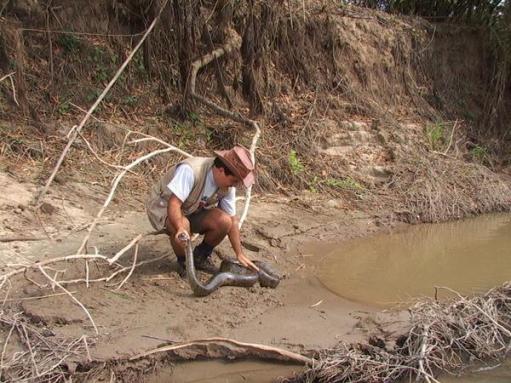
Roger catches young male Anaconda
anaconda_1
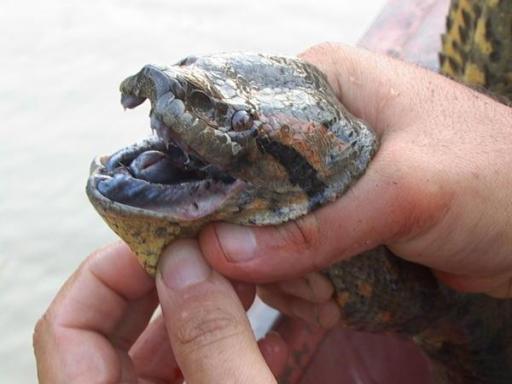
Roger shows Anaconda’s teeth
anaconda-bite_1
Anaconda demonstrates use of teeth!
J-with-anaconda_1
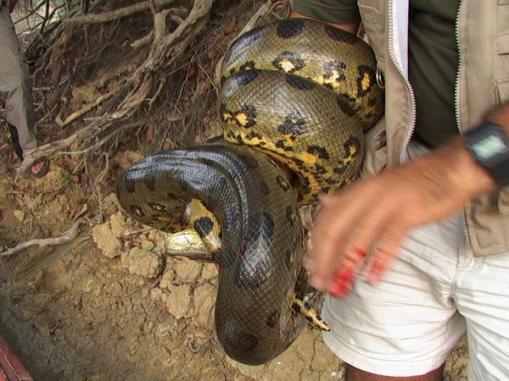
J demonstrates her skill at snake charming
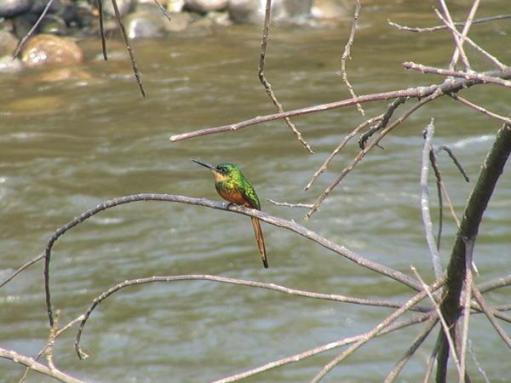
emerald-kingfisher_1
Emerald Kingfisher
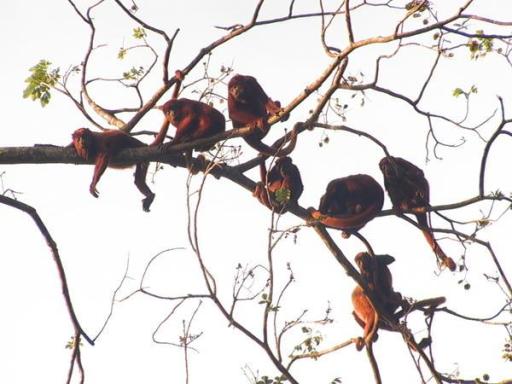
howlers_1
Howler Monkeys (they really do!)
J-with-pepe_1
J with ‘Pepe’ a young Giant River Otter
pirana1_1
Piranha – this time . .
supper_1
I get to eat you for supper!
pink-sky_1
. . as the sun goes down
river-iguana2_1
. . the Iguana come out
vulture_1
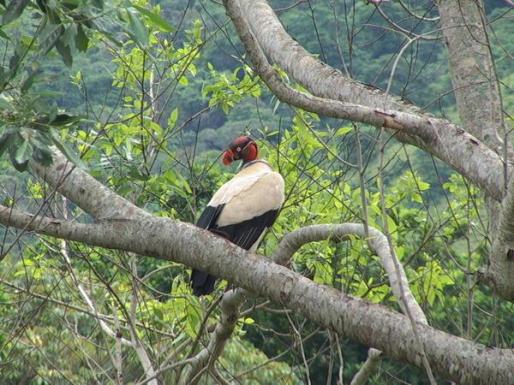
as handsome a vulture as I’ve ever seen
chick-pig_1
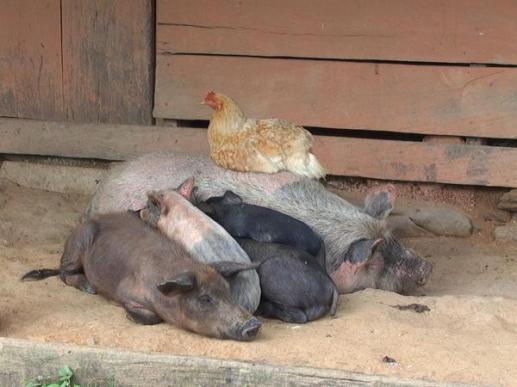
domesticated bliss!
fish-eagle_1
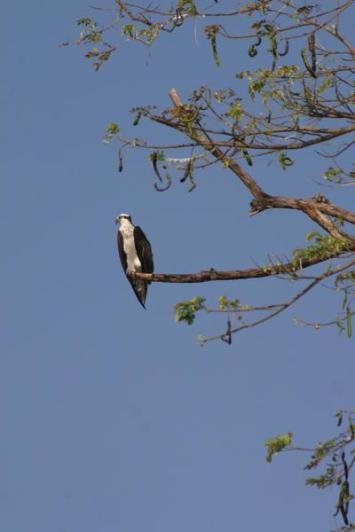
a fishing eagle
anteater_1
Anteater at dusk
water-patterns_1
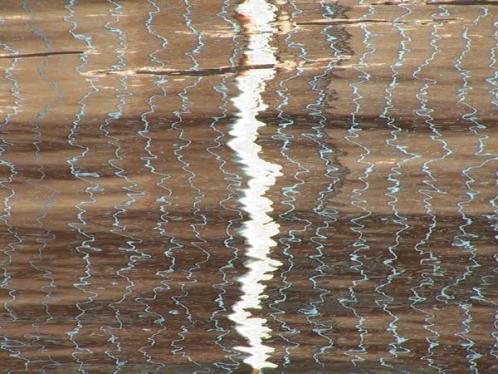
beautiful reflections on water
llanos-sunset_1
Goodnight!

Alan, once upon a time up the Orinoco without a paddle!

Yet Another ‘Trip of a Lifetime’

J and I love the odd ‘trip-of-a-lifetime’ every now and again! Since moving here to Turkey we’ve wandered off on the Trans-Mongolian Railway from Moscow to Beijing; (salvaged from Archers of Okçular first posted February 2014)

transmap

With many, many, many days spent rocking across the steppes in a daze (I never realised there were so many different types/flavours of vodka) there would come times when one needed a shower. Our babushka would hold up five fingers, snatch the dollars and direct you into her cubicle where sat one of these . .

transshower

Your $5 bought you the contents of the samovar, a bit of rubber hose for the tap and a squat over the drain-hole in the corner – oh, and she kept guard in the entrance way and held your soap if required!

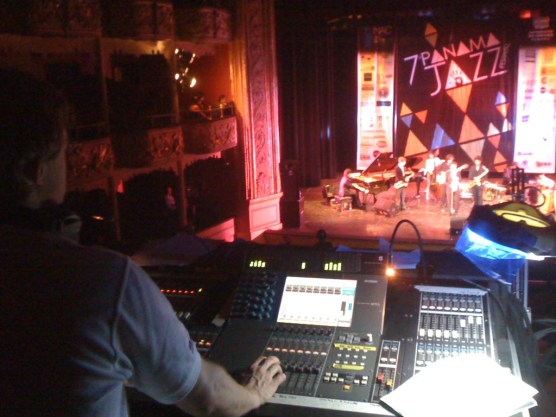
We’ve taken in the Panama Jazz Festival for no better reason than the delightful local pianist Danilo Perez invited us. We were also treated to passes that admitted us to everything (including many a meal). Danilo is the founder and the festival supports young musicians from poor circumstances with tuition, instruments and scholarships to Berkeley School of Music. Add to the glorious music some wonderful exploration trips along the canal and to beaches and islands and the vultures at sunset and you have a perfect encore.

Ben-panama-jazz
our son Ben, sound engineer of choice for many big names and venues, at the board in the beautiful old National Opera House in Panama City – on stage are some of the young and very talented musicians enjoying their very own gig

From Panama we wandered across to take in some of the revolutionary and ecological joys of Venezuela. In Caracas we met with Chavistas and the amazing Presidential Guards from Chavez’ old regiment who reversed the US instigated coup against him in days! In Merida up in the Andes we rode to the top of the longest and highest cable-car in the world whilst stubbornly refusing the available oxygen bottle and we got an OAP discount into the bargain! Then we found local field biologist, guide and artist Roger crocroger1Manrique aka Croc Roger who led us exploring the backwaters of the mighty Orinoco River where we wrestled with Anacondas and Iguanas (this is true), fished piranha for dinner (this is also true) and saw and photographed more wildlife than you could believe existed! We also spent a few days on the tropical paradise islands of Los Roques where, amongst other things, I was able to ogle the amazing creations that plastic surgeons can achieve in exchange for a lot of dosh – you are left wondering what keeps them up!

. . and now? We are in the early stages of organising a tour of the Glories of Persia – we are (visas and other things being equal) going to be wandering around in Iran for 16 days in April. We’ll be using as much local transport, buses, trains and the like as we can in order to be in contact with ‘ordinary’ Iranians.

Originally we’d hoped to travel by train from Istanbul to Tehran but I think a Turkish Airlines flight is going to simplify the bureaucracy. Then it’s off to places like Esfahan; Shiraz; Bam; Yadz and even Mashad way over in the east of the country before wandering back to Tehran via the Aborz Mountains just south of the Caspian Sea. So much history and culture and food and people to learn about before we get too cranky and creaky – wish us luck with officialdom!

Alan in Okçular

Midnight Marauder

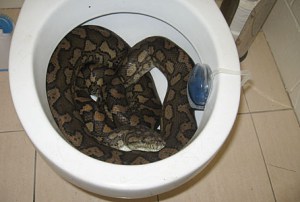
Snake-in-toiletJ and I are not just tolerant of having wildlife around, we positively encourage it – all of it! The odd snake in the toilet or under the washing machine does not result in panicky shrieking and rushing around in circles. (OK, we didn’t actually have a python in the toilet but there was a fair-sized black Whip Snake) That said, there was an occasion a few years back when I sat on a dozing hornet whilst getting into bed that resulted in all of the above plus some amazingly accurate usage of Anglo-Saxon expletives and a carpet slipper!
No, generally speaking, we go out of our way to provide suitable, upmarket accommodation and restaurant facilities to satisfy regulars and passing trade alike. So, we were a bit annoyed that some vandal or other was bent on trashing one of our bespoke fat-feeders for the birds. We were regularly finding it busted off its mounting, hurled around the garden and generally well chewed up. We had a fair idea which family of delinquents was responsible but, catching them at it was never going to be easy because they are clever, resourceful and very, very cautious.

In the end, patience and technology paid off with the little tow-rag caught infra-red handed . .

Marten’s Midnight Marauders from Alan Fenn on Vimeo.

Alan in Okçular (salvaged from Archers of Okçular first posted February 2014)

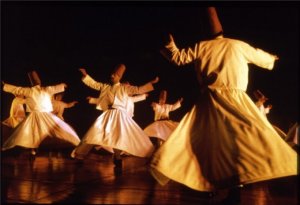
Konya – Sahip Ata – Life After Death

dervisThere’s a lot more to Konya than Whirling Dervishes, the Mevlana Museum and the haunting sound of the ney. Konya has been around for a while and in that time it has hosted everyone from Neolithic hunter-gatherers and Hittites, to various Greeks, Romans and Persians. And then the Seljuk Turks rolled in and had their day before getting rolled up by the marauding Mongol hordes around 1243.
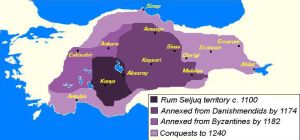
Anatolian_Seljuk_SultanateThe Seljuk Sultanate of Rum (as in Rome and not Capt. Morgan) was a pretty successful set up in its day. Covering much of present day Anatolia it traded across the Mediterranean basin and Middle East. It was powerful and wealthy enough to battle the Crusaders and foster art and architecture on the grand scale and Konya was its principle city for much of its existence.
So, where is this leading? J and I had been to the fabulous Neolithic site at Çatalhöyük and so a visit to Konya’s Archaeological Museum to see some of the stuff that had been excavated was a must. The museum is not far from the centre and is in the type of area that we love to wander around – a bit run down and lived in!

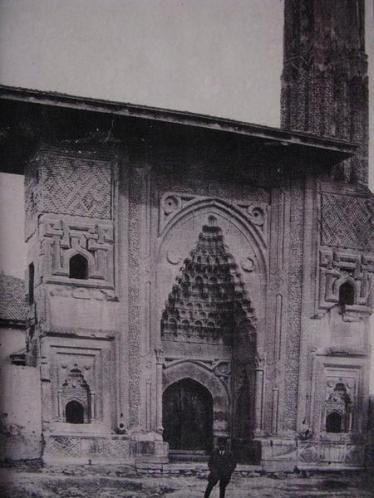
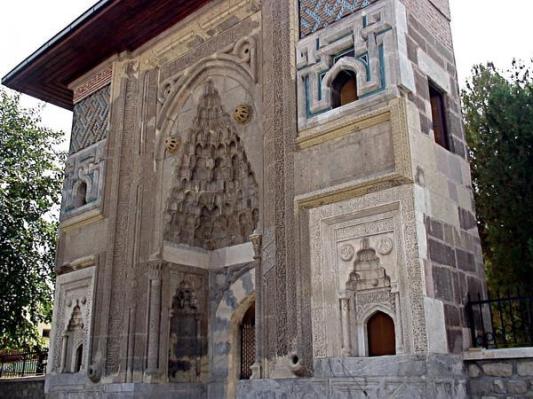
As we got close to the museum we were delighted to discover one of the unsung treasures of Konya – the restored Sahib Ata Camii and medrese. Named for one of the greatest builders of the Seljuk Turkish Empire; the Vezir Sahip-I Ata Fahrettin Ali.

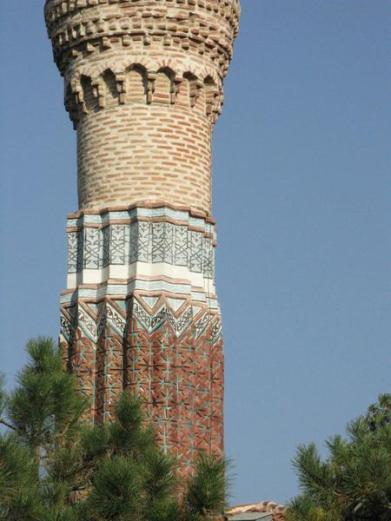
Once this was a vast complex but only parts have survived to present times. What remains of the mosque is now simple and beautiful and lives on in everyday use. A fabulous restoration of the monumental gate with its stunning minaret and the medrese took place during 2006-7 with the medrese serving as a museum of Seljuk arts. The hamam and tekke or dervish hall are undergoing restoration.

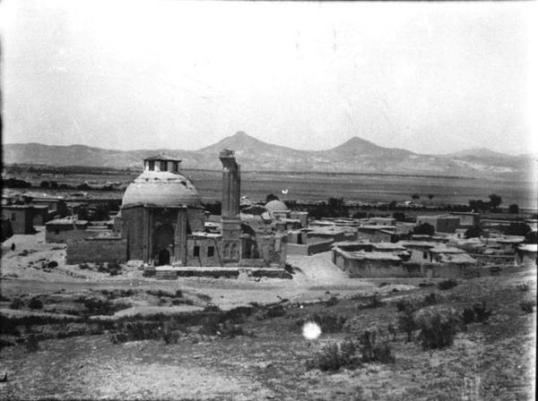
There is no better way to show you the worth and wonder of this place than to show you some before and after pictures – it’s one for your bucket list! First, a couple from the archive of that amazing woman Gertrude Bell:

sahip-ata-cami-old-Konya
the complex and that part of Konya as it was in Bell’s time
sa1
the monumental entrance and minaret before . .
sahip-ata3
. . and after
sa2
inside the medrese before
konya1
. . and after
konya2
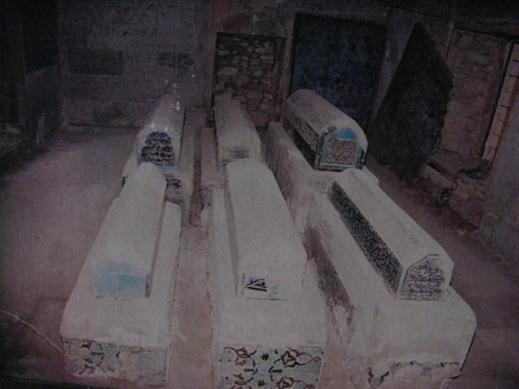
the turbe of Sahip Ata and his family before restoration . .
konya3
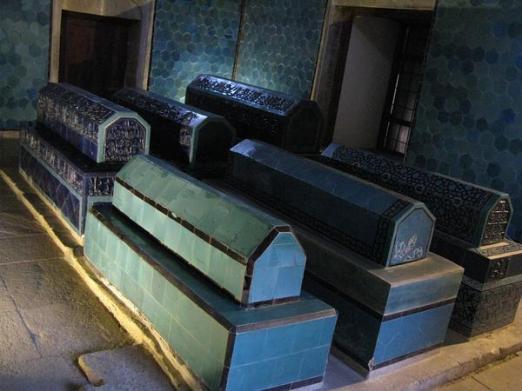
. and after
konya4
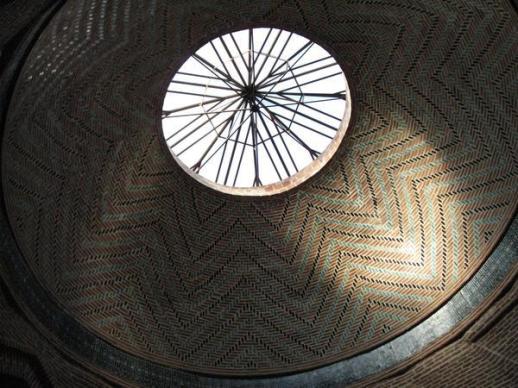
medrese dome

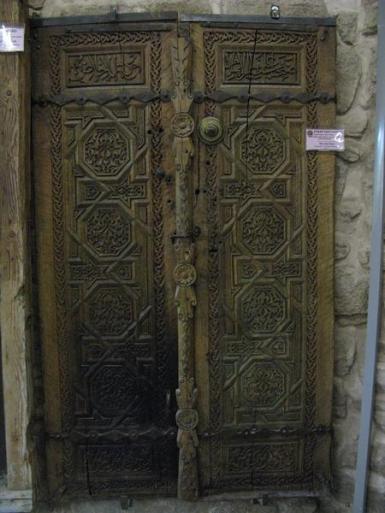
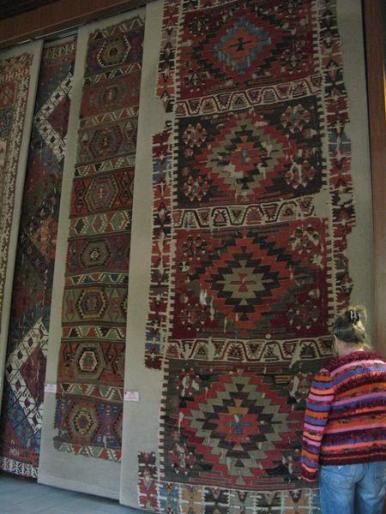
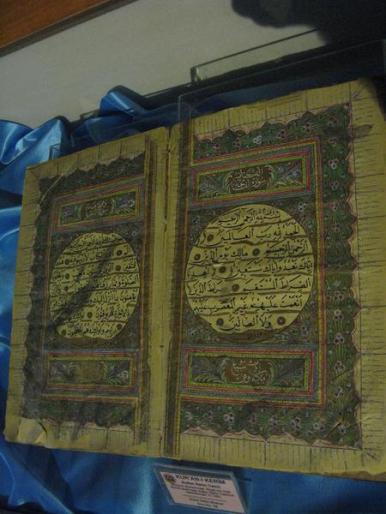
There is a collection of beautiful artifacts that will delight your eye . .

konya5
. . doors, and . .
konya6
carpets, and . .
konya7
beautiful, illuminated Qur’an’s
konya8
the minaret that stands by the monumental entrance and much more

Finally, a link to a 3D view around the Monumental Entrance to the Sahip Ata Camii and website in English.

Alan Fenn, Okçular