Flash, Bang, Wallop!

Other people’s kit is always interesting – I’d go further and say that other people’s anything is always more interesting! Ever sat in a restaurant watching other diners and noticed that their eyes always seem to spend more time looking at what those around them have on their plates? I know I do – I’m always thinking to myself that I wished I’d ordered what they have – it looks nicer and there’s more of it!

The same holds true for blokes using urinals – but that’s another story! (salvaged from ‘Archers of Okçular’ first posted in November 2013)

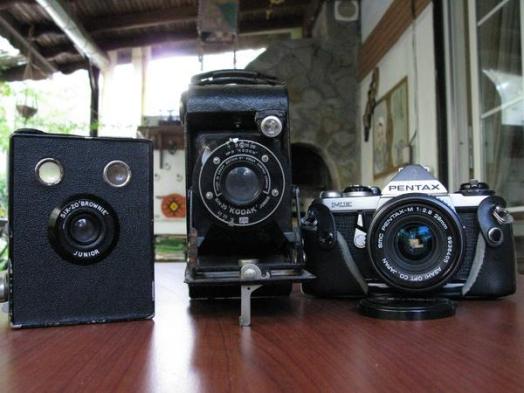
Enough of all that, back to the subject in hand. I’ve been asked lots of times about the camera gear I use and, as I use it rather poorly, I’ve often wondered why. There’s no denying that I get a lot of fun out of the kit and the more buttons and functions it has the greater the fun! I started with a little plastic thingy with a fold-out viewfinder when I was eleven, and over the years I’ve played around with a Kodak ‘Box Brownie’ and a Kodak Six-20 ‘Kodon’ bellows. There was also a Yashica Twin-lens reflex that was followed by the brilliant Pentax M. Many of you know how difficult I find it to part with anything so, much to J’s despair, I still have the ‘Brownie’, the ‘Kodon’ and the Pentax!
fbw1
one day they might be worth a small fortune!

My first digital was a very cheap Konica-Minolta Dimage that fell to bits within a short period and led me to my first Canon – their original entry level 300D. Against all my hoarding instincts that kit is on its way to UK to a young wildlife enthusiast – I hope he shares with his sister and becomes a better photographer than I’ll ever be. I also hope it leads on to a lifetime of fun and interest.

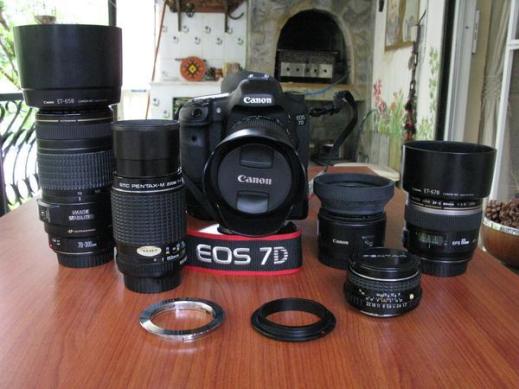
My present kit is shown below – an EOS 7D; EF 70-300mm; EF 50mm 1.8; EF-S 60mm macro; EF-S 18-135mm STM. I love the flexibility it offers and I know that good kit doesn’t make a good photographer.
fbw2
the kit including ‘legacy’ lenses and adaptor rings

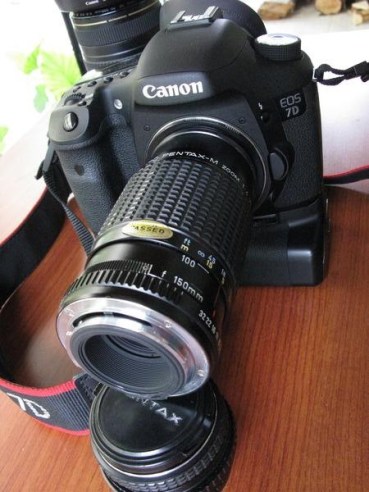
That said, I love messing around and experimenting and part of that fun has been to modify my old Pentax lenses, which are wonderful bits of glass, and using reversing and adaptor rings I’m able to use them in a conventional way sans any auto-focus (or auto anything).
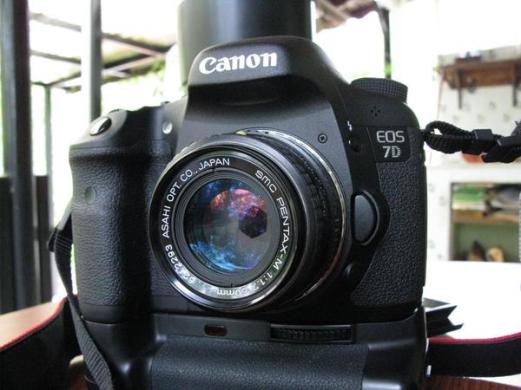
fbw3
fitted with Pentax 50mm f1.7 a beautiful bit of glass
fbw4
pentax 150mm zoom lens reverse mounted and acting as a super macro

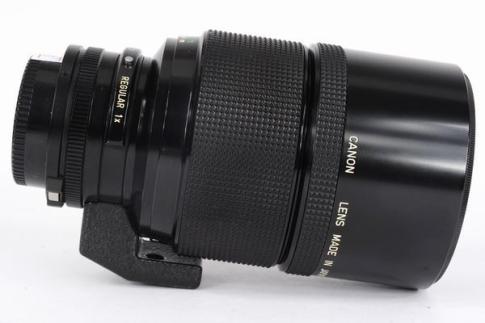
By reversing the 150mm zoom it becomes a super-macro lens which is magic to play with. Sitting on the sidelines in the UK whilst I figure out how to get it to Turkey is another ‘legacy’ lens. Built in 1964 for the Tokyo Olympics (and a now defunct model of camera) it is a 500mm Reflex (or mirror) lens. it is said to be the best of its kind ever made – that said it will never match the performance of a modern EF lens but at about 5% of the price never mind the quality, feel the width!!
fbw5

It’s in pristine condition and is complete with its original leather case. I have had a special mount built with optics that will allow it to fit my EOS and focus from very close to infinity! Now that really is going to be fun!

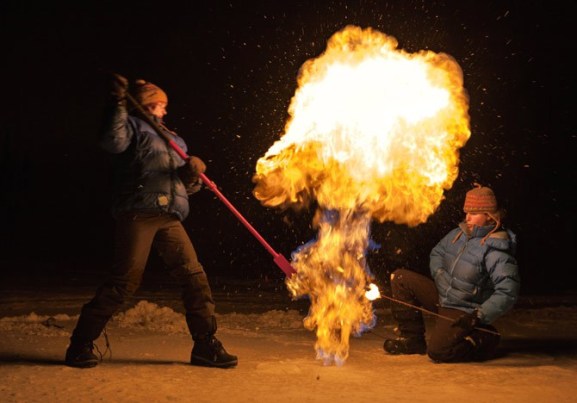
And the ‘Flash, Bang, Wallop’ bit? Take a few minutes to enjoy this clip . .

Alan in Okçular

Çatalhöyük

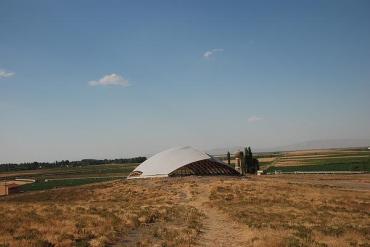
sadJ and I went off wandering again this past week – the Prime Directive was to visit Çatalhöyük near Konya and then tuck in a few other goodies as time and circumstance allowed. We both thought that the on-going excavation of this astonishing Bronze Age settlement was brilliant. I, for one, was fired up and set about trying to transfer that fire into a blog post that just might convey something of what we had seen. I was minutes away from posting when everything vanished; text, photos – the lot. There was nothing on the server where you would have expected the last auto-save to be and the auto back-up on my computer was blank! I have never experienced anything like it. Disheartened was not the word!
Anyway, enough of all that – let’s see if I can’t recapture at least some of that enthusiasm.

catalhoyuk-mound_1Picture, if you can, the vast flatlands of central Anatolia, dry and brown after the burning heat of summer. This land is the ‘breadbasket’ of Turkey, in some ways similar to the North American prairie or the steppes of Ukraine. Out of this flatness a mound some 21 metres high rises, topped by two alien structures – this is Çatalhöyük, the site of one the oldest human settlements yet discovered.
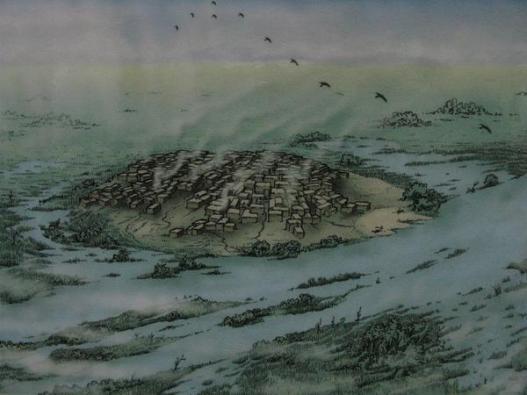
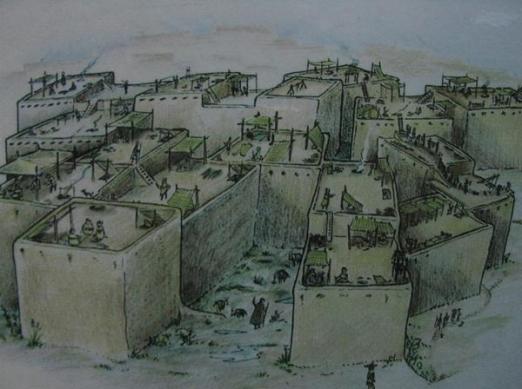
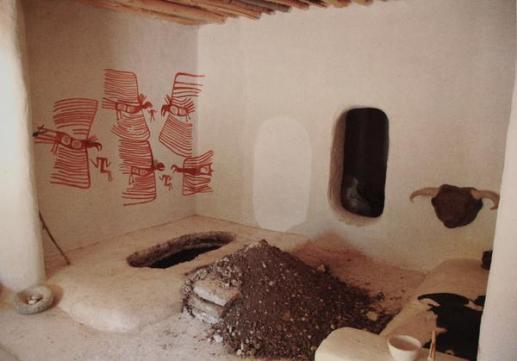
Now, let your imagination run loose because the area around Çatalhöyük was not always as you see it today. Let your mind drift back in time for 9000 years and you will be looking out over a landscape that is green and lush with forest; a river and waterways criss-cross that land and great meres or pools are dotted around. The rivers and pools and forest are alive with wildlife and the forest and meadows yield fruit and berries and roots and grain of every description. For the wandering hunter-gatherers of the time this was paradise – a cornucopia, and so they broke with tradition and hung around for a while.

ch1
Çatalhöyük circa 7000 BCE – artist’s impression (my photos of paintings)

ch2

Gradually their simple, temporary shelters were replaced by more permanent mud brick and timber structures. That what they were doing was a whole new experience in DIY might be gathered from the ‘interesting’ design of their homes – windows and doors were yet to make an appearance! Access was through a hole in the flat roof using a type of ladder. Access and egress to the settlement was via external ladders and I guess that with ladders hauled up a sense of security was gained from the unknown things that go bump in the night and just might be lurking out there!

Çatalhöyük’s houses were built against each other and there were no streets or alleyways; perhaps the rooftops provided thoroughfares and ‘plazas’ for gatherings and work. The life of a house appears to have been around eighty years after which they were part demolished and a new house built on the site using the old as a foundation. Over the course of around 1500-2000 years the mound as we see it today grew up.

Catalhoyuk2
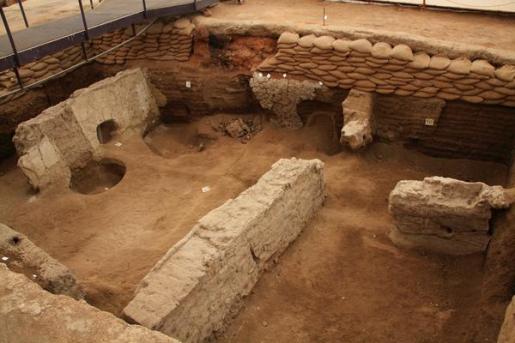
Çatalhöyük – reconstructed house used to test ideas and theories about life 9000 years ago

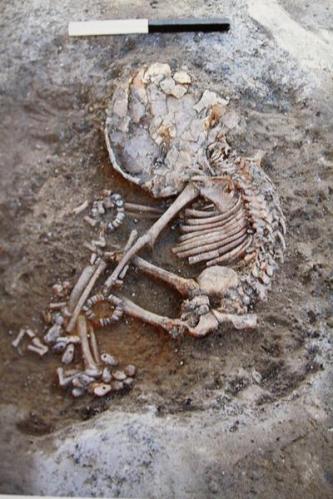
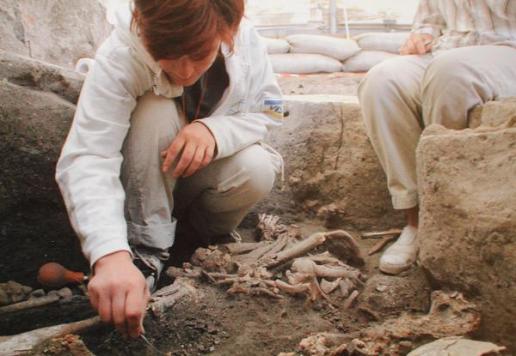
The dead were buried under the floor of the houses and covered by a small, flat raised mound which may also have been used for sleeping on. Why? No one knows. That the dead were respected is evident from the nature of the burials, particularly those of children.

Catalhoyuk3
Çatalhöyük – child burial, note bracelets and beads

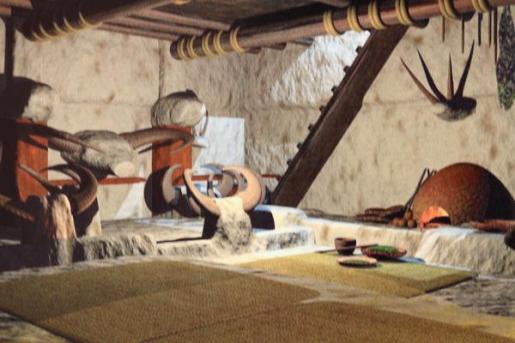
What are believed to be shrines of some sort have been excavated and effigies of bulls and bulls’ horns form an integral part of a religion of some sort.

Catalhoyuk4
digital reconstruction of a shrine

Art played a significant role in the lives of these people with houses decorated and elaborate figures sculpted, many in the form of a female. It was once believed that worship of the female or some Earth Goddess was prevalent but this has changed as excavations and research has opened up new avenues. Today it is believed that men and women ranked equally in status and the lack of ‘public buildings’ points towards a more ‘socialistic’ or communal way of life with full sharing of the fruits of the community’s labour the norm.

Catalhoyuk5
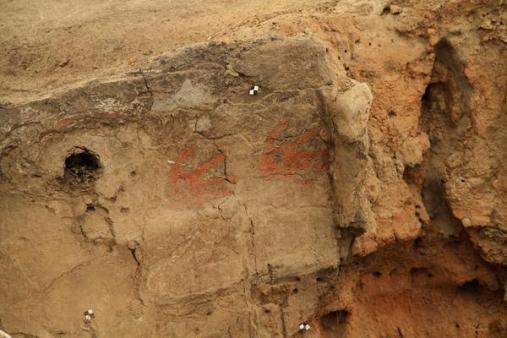
7000 year-old hand prints

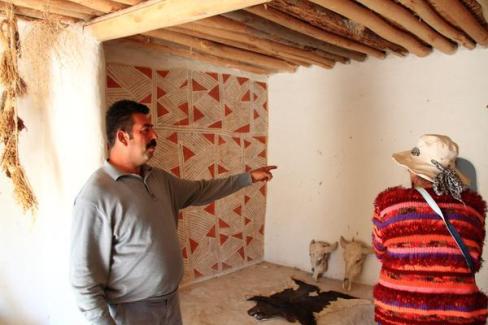
‘Enough of this history!’ I hear you say, so let me add a bit about our visit to Çatalhöyük. Excavations go on for about two and a half months each summer and, much as we would have liked to see this underway, there is no way J and I are going to do the ‘Mad Dogs and Englishmen (and women)’ bit! We prefer the cooler, tourist-free days, and so it was that we had the whole site to ourselves. There is no entrance fee and as nobody is allowed to wander the site unescorted we had our very own guardian/guide, Mustafa, to show us around – he was a mine of information and to make the most of him you would need reasonable Turkish.

Catalhoyuk6
J with our personal guardian/guide Mustafa

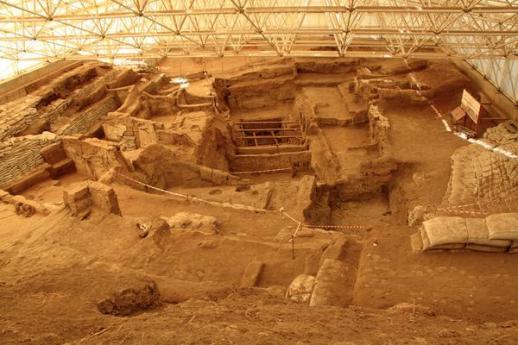
James Melaart discovered Çatalhöyük in 1958 and carried out excavations between 1961 and 1965 before controversy closed the dig down. In that time he uncovered a relatively huge area of some 160 buildings. Work began again in 1993 under the direction of Ian Hodder. In the 25 years between the methods and techniques of archaeology have developed hugely. Hodder and his multi-disciplinary team has taken 20 years to painstakingly excavate just a few houses. The results have opened up the Neolithic/Bronze Age world in astonishing detail. Finds from Çatalhöyük are so significant that the majority are housed in Ankara with just a few in Konya Archaeological Museum. What follows are a few photographic impressions – don’t let the apparent ‘sepia’ tint turn you off – you are looking at one of the oldest and best preserved ‘cities’ ever discovered. Let your imagination go walk-about.

Catalhoyuk7
 painstaking attention to detail
Museum_of_Anatolian_Civilizations
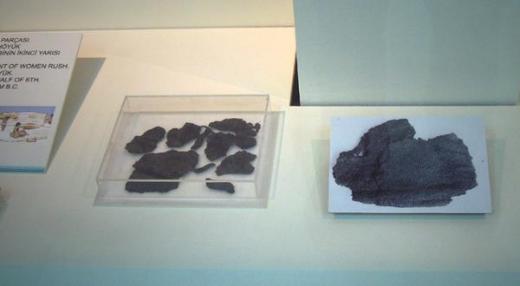
earliest known fragments of cloth
Catalhoyuk8
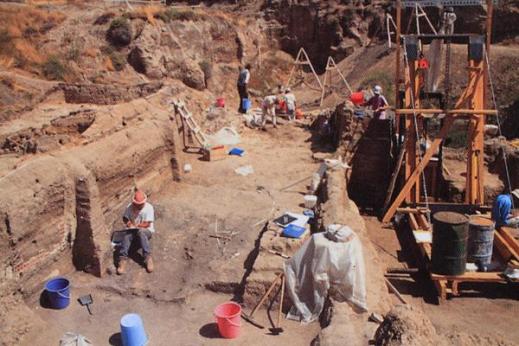
Melaart’s earlier excavations
Catalhoyuk9
your first glimpse of the excavations – at this level you are looking back 7000 years!
Catalhoyuk10
excavations have continued at Melaart’s original dig – down to bed-rock through 18 levels (9000 years)
Catalhoyuk11
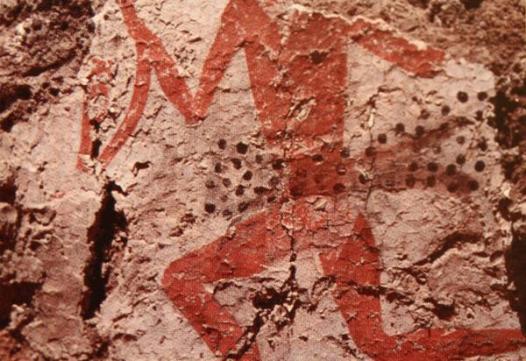
decoration on the original plaster wall of a house

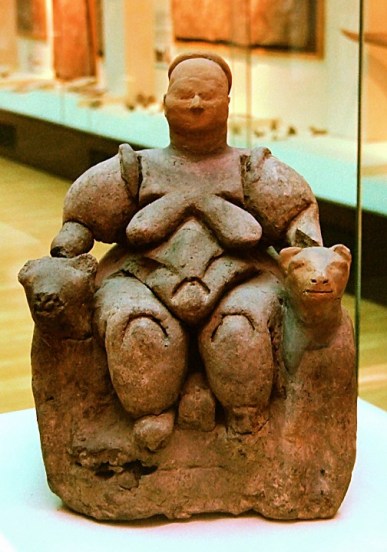
. . and finally, the figure that has come to symbolise everything that Çatalhöyük has come to represent . .

Ankara_Muzeum

. . once thought to represent an Earth or Mother Goddess its meaning has been obscured by more recent studies. That said, nothing can take away the power of this figure from a lost world that is slowly emerging from the mists of time. A link to a recent Mail Online article about the world’s oldest painting.

Alan in Okçular

A Near-Death Experience

Disclaimer: Every part of this story is true. You can choose to believe it or not – I know it is true because I was present when these things happened. (recovered from and first published on Archers of Okçular October 2013)

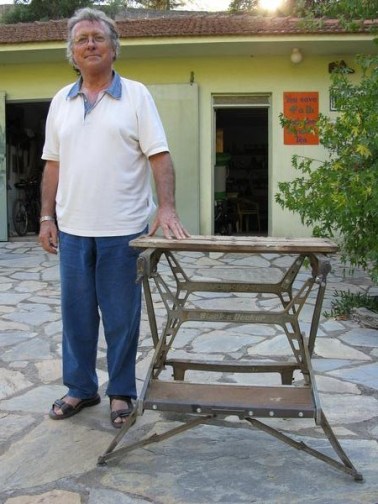
near-deathLast year an old workmate of mine suffered a catastrophic collapse and multiple fractures when we were doing a job together. Stanley ‘Blacken’ Decker and I teamed up forty odd years ago and we’ve collaborated on all sorts of DIY and home improvement jobs. Over the years we’ve bent every health and safety and common sense rule you can think of and got away with it. Our good luck ran out last year and I felt guilty as hell because I was the cause of what nearly killed ‘Blacken’. At the time I really thought that the injuries were terminal but, after nearly a year of rest and some brilliant surgery that included two transplants, SBD is back in ‘harness’.
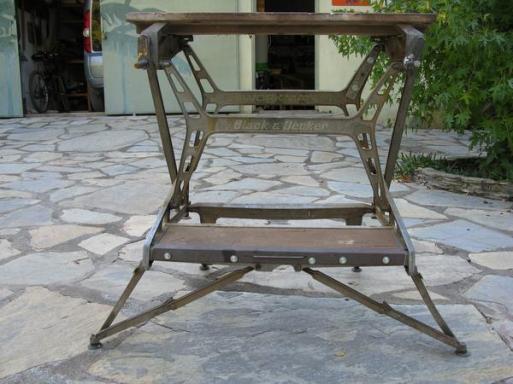
When J and I moved to Turkey, ‘Blacken’ moved here too, arriving about three months after we did. It wasn’t long before we were up to our old tricks of pushing the limits of physics, engineering and good old plain common sense! Our luck held until last year when I’d given ‘Blacken’ the job of supporting a huge tree trunk whilst I set about reducing it to manageable pieces with a chain saw. It was an accident waiting to happen and what followed was horrifying. ‘Blacken’s’ spine broke near the top causing the huge trunk to topple down onto the lower limbs which were also smashed. ‘Blacken’ was shattered and the injuries looked terminal. The loss of an absolutely essential workmate and friend left me distraught and at a total loss.

To cut a long story short, and I know this makes me seem a bit heartless, I needed a replacement to help with all the jobs I wanted to do and so I began making enquiries. It was a fruitless search – there was no one here in Turkey who could help. In the end I had no other alternative than to persuade ‘Blacken’ to undergo re-constructive surgery with a view to coming back to work.

The results are pretty amazing – after that near-death experience old SBD will never be quite the same again but, as long as between us we use a bit of that rare commodity ‘common-sense’ and don’t overdo things in the way we used to, there is no reason why we can’t continue our collaboration for many more years.

bd1
‘Blacken’ – nearly as good as new
bd2
home-made handles – a successful transplant
bd3
spinal tap and splint
bd4
fractured foot board pinned and splinted
bd5
me and my workmate ‘Blacken’ – back in business!

Alan in Okçular

ps There is twist to this tale. When I was a soldier stuck in some boring place or other me and my mates would send off letters to manufacturers of various products such as Mars Bars and Wilkinson Sword razor blades in which we eulogised the benefits to us poor Toms. You would be surprised how often this paid off and boxes of chokky-bars would arrive a couple of months later or, in the case of Wilkinson Sword, a letter containing a single razor blade and a note saying thanks for the endorsement and ‘please find enclosed a three months supply’. A few others had obviously tried that one!

Ever the optimist I have written to Messrs Stanley, Black and Decker at their head office in the US and enclosed some of the above photos. I have explained the unavailability of the latest Workmate here in Turkey despite it being on their website and in their catalogue. I have praised the stamina and durability of their old product after years of use and abuse and my disappointment at being unable to buy a replacement and having had to make repairs and carry on. I’m awaiting their response and I’m not holding my breath – meanwhile ‘Blacken’ and I have a few jobs to be getting on with!

Goodbye, Ruby Tuesday

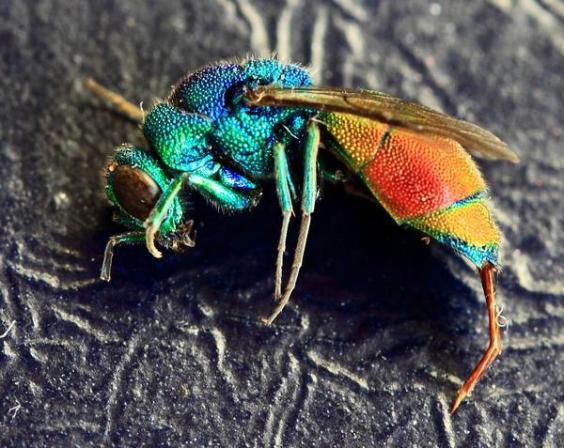
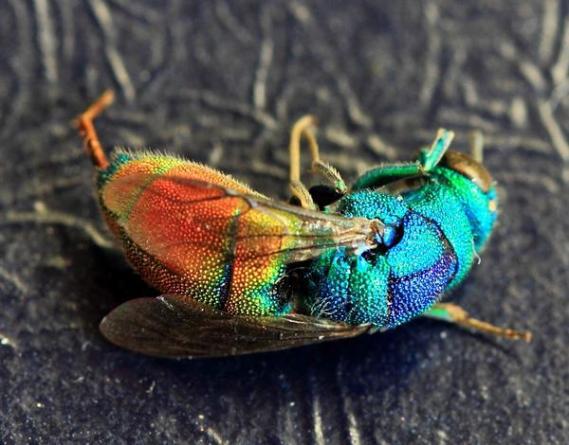
Cast your peepers over this little gem! Gem being the operative word for Chrysis angustula a species of Ruby-tailed Wasp. This particular one is found across much of Europe and we get to see a fair number of them here in Turkey – if we look carefully because they are pretty small at about a centimetre in length. Throw in the ‘stinger’ and you can add half as much again! Those of you in the UK who go looking will find C ignita which is a little less spectacular in colouring. This specimen was found bereft of life on the windowsill so was easy to photograph – just look at those amazing colours, almost enough to make you believe in ‘Intelligent Design’ if you didn’t know better!

Ruby-tailed-Wasp1
yes, that really is its stinger

The glittering, metallic Ruby-tailed Wasp is one of many species of solitary bee and wasp that can be spotted in a variety of habitat from walls to sandy quarries, rocky outcrops to tree trunks. These insects do not live in colonies like Honey Bees; usually solitary females will build a nest by herself, stock it with pollen and lay an egg within each cell she has created. However, the adults of the Ruby-tailed Wasp are a little lazier: the females will actually open up a nest to check the size of the pupae inside. When satisfied with the plumpness of the victim they lay their eggs, one to each larvae. They usually choose the nests of other solitary bees and wasps, especially Mason Bees. When the eggs hatch, these larvae eat the larvae of the Mason Bees and develop – this gives the Ruby-tailed Wasp its other name of ‘Cuckoo Wasp’.

Ruby-tailed-Wasp2
amazing, or what!

This stunning ‘armour-plating’ is thought to have evolved as protection in case they are caught in the act of infanticide/insecticide!

I would have liked to put up more photos but lack of bandwidth is frustrating me. As for the post title – ‘Ruby’ for the wasp; ‘Goodbye’ and ‘Tuesday’ for the fact that I tried to get this up yesterday (Tuesday) but was frustrated by the bandwidth thing and so had to kiss Tuesday goodbye! Seems perfectly logical to me and it’s good for the search engines!

Alan in Okçular

Encounters and Coincidence

“A certain man once lost a diamond cuff-link in the wide blue sea, and twenty years later, on the exact day, a Friday apparently, he was eating a large fish – but there was no diamond inside. That’s what I like about coincidence.”
― Vladimir Nabokov, Laughter in the Dark

(rescued from Archers of Okçular first posted October 2013)

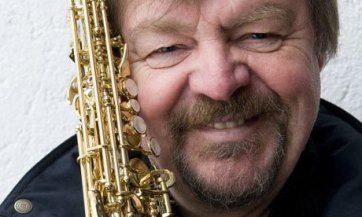
Jazz-musician-John-SurmanJ and I wandered off to İstanbul last Friday. We were going to meet up with saxophonist John Surmanwho was doing a solo gig at the İstanbul Jazz Festival – JS is family and we don’t get to meet up as often as we’d like. This time around his schedule was more relaxed than is usual with these things and we were able to go for some essential shopping around the musical instrument makers’ places of business at the top of Tünel for odds and sods and, perhaps, a new ‘toy’ or bit of serious gear.
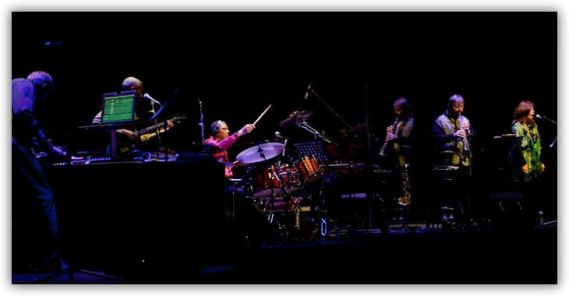
First stop was for a zurna, that quintessential Middle Eastern horn, with its most distinctive sound. We’d stopped by a particular shop three or four years earlier with Jack Dejohnette‘s ‘Ripple Effect’ group and Brazilian multi-instrumentalist Marlui Miranda who had been delighted to get her hands on her very own zurna.

JackDeJohnette_TheRippleEffect_Roma_01
‘Ripple Effect’ Jack on drums, JS in reflection (2nd/3rd from r) Marlui extreme right (JazzItalia photo)

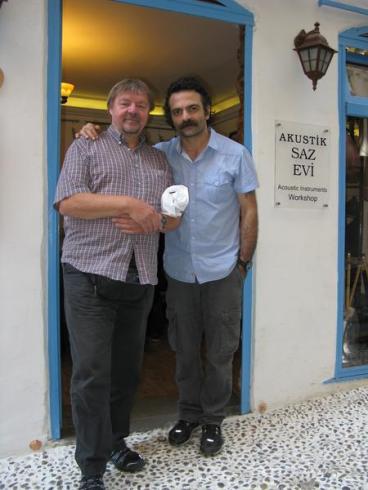
Moving on, we were looking for a particular type of reed for some obscure horn JS had acquired some years earlier – we found some in the atelier/atelye/workshop of a saz and kemençe maker Oktay Üst. Turns out that Oktay is not just a master craftsman in wood, he is also a maestro of the kemençe with an international reputation.

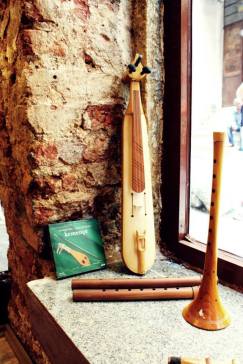
KemenceJS acquired a mey, Oktay launched into a mini-concert and there was hardly a dry eye in the house. Why? because people like Oktay are a dying breed – makers and players of musical instruments are being fast superseded by cheap, mass produced plastic and that should be worth a tear from any lover of artistry.

As an aside, it is amazing what happens when the craftsmen/sellers/shopkeepers realise that they are dealing with someone who can really play these things – rather than someone who wants a wall or table decoration. 30-40% discounts are given and extra reeds thrown in without being asked for. Before you get any ideas, you’ll need to know which end to blow into and demonstrate a bit more than the equivalent of ‘chopsticks’! Above left you can see a zurna, two meys, a kemençe and a cd all by Oktay.

js au
JS and Oktay Üst – two Maestros

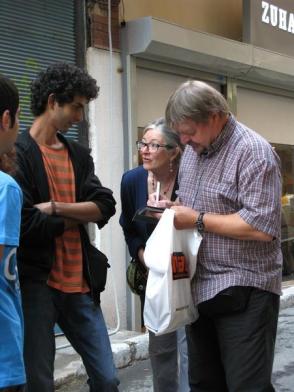
So, moving on. We had just left Oktay’s place when we were accosted by three young people who appeared to be trying to flog us a cd of some sort.

jsWe could not have been more wrong – JS suddenly spotted that the cd they were ‘offering’ was one of his and an encounter and a coincidence came together. It turned out that these folks had come from Tehran, Iran for a visit to friends and specifically because their jazz idol John Surman was performing at the festival. They had bought their cd locally as they are not available back home and they just happened to be walking down this particular street as JS came out of Oktay’s place – a Close Encounter of the Coincidental Kind and a perfect chance to get an autograph!
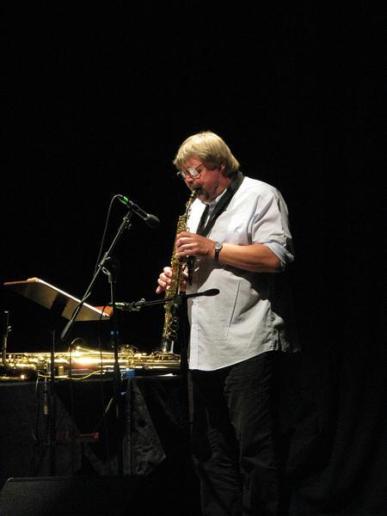
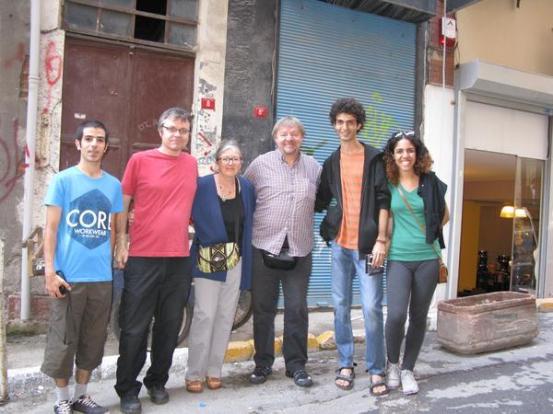
We were able to enjoy a little time with them and then meet up later at the concert which, I have to say, was yet another virtuoso performance that ended with JS playing an encore of jazzed-up folk tunes whilst wandering around the auditorium. To those who don’t know John’s stuff I’d say ‘You really don’t know what you are missing’. His output over the years has been prolific and varied – from jazz to choral to brass to . . well, you name it. (his website is here) J and I are lucky enough to have several class musicians in the family, it means we get to be at some of the best gigs around, not only that, I can’t remember the last time we had to pay! How cool is that?

To finish off here are a few photos:

js1

js2
sound check with the mighty baritone sax
js3
JS, J, sound engineer Paul (in red) and the Tehran Fan Club

Finally, here’s maestro-usta Oktay Üst performing:

Alan in Okçular

Habitat 2.0

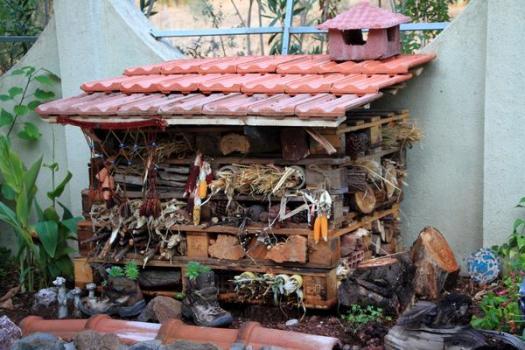
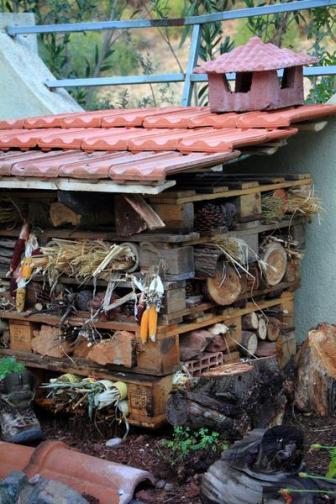
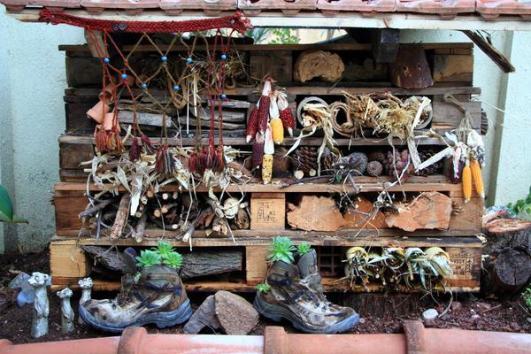
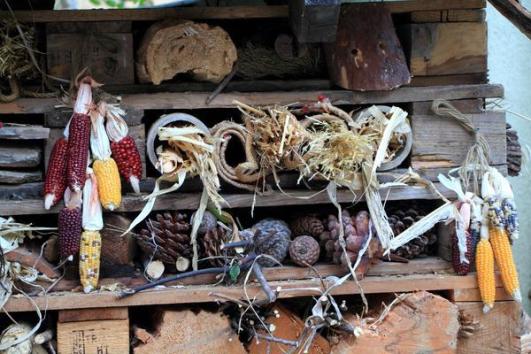
I got a bit excited about our new creature habitat and published a post before it was finished. That means there has to be a sort of post script to finish the job off and so here it is – the latest release complete with bells and whistles.

habitat1

habitat2

habitat3

habitat4

habitat5
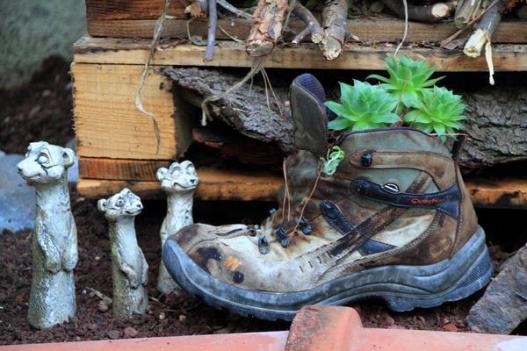
my dizzy sister will be delighted to see her Meerkats have moved in (they’re concrete and she put them in my flight bag!!)

habitat6

I love this ‘thing’, it’s a bit like a cross between a roadside farmer’s stall and a Buddhist shrine in the Himalayas.

Alan in Okçular Köyü Nature Reserve

Habitat

harborne-groundsFrom Archers of Okçular September 2013

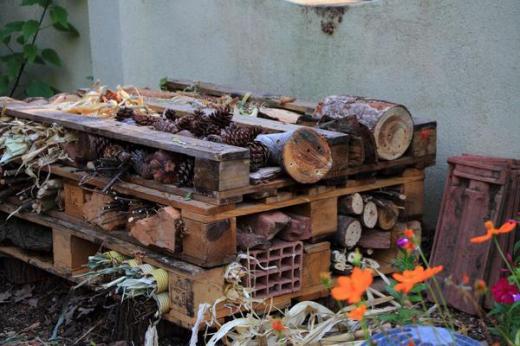
Back in June of this year J and I were in residence for a Summer School at Fircroft College in Birmingham. Fircroft is one of those fine old houses that have extensive grounds with plenty of mature trees and shrubs – it’s a very pleasant place to be. So it was that as we wandered the gardens one day J spotted a strange-looking construction. On closer examination it proved to be a stack of wooden pallets stuffed full of all sorts of scrap building/household materials and garden waste. It had obviously been there a while as all sorts of plants had colonised it.

‘What is it?’ asked J. ‘A habitat.’ said I, knowingly. ‘I want one!’ said J. ‘Really!’ said I, filing that one away in the bottom drawer.

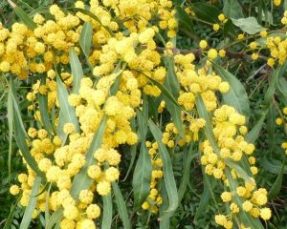
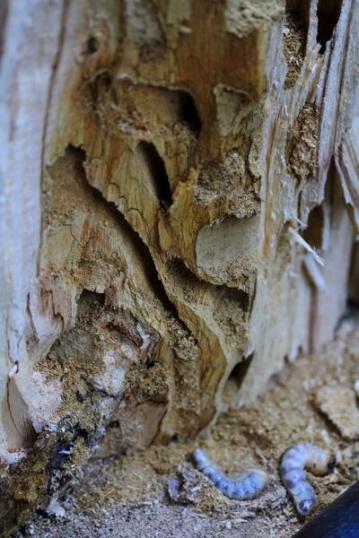
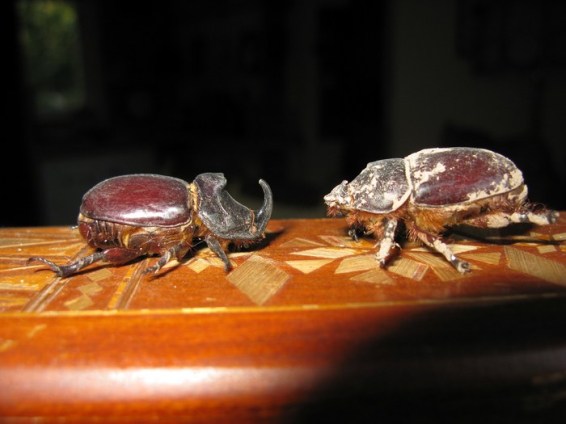
Izmir-mimosa-acacia-retinodesFast forward to this past week. We used to have a rather large Acacia retinoides, known locally as İzmir Mimosa – we rather liked it! We also rather like (amongst other things) Oryctes nasicornis – the European Rhinoceros Beetle which in its turn likes İzmir Mimosa. Last year the tree began to shed bark and looked decidedly unwell and so a week or so ago I began adding to our store of winter logs. As work progressed the culprits and their handiwork became apparent . .
rhino-beetles
male and female Oryctes nasicornis – the European Rhinoceros Beetle
habitat1
the culprits and the crime scene
habitat2
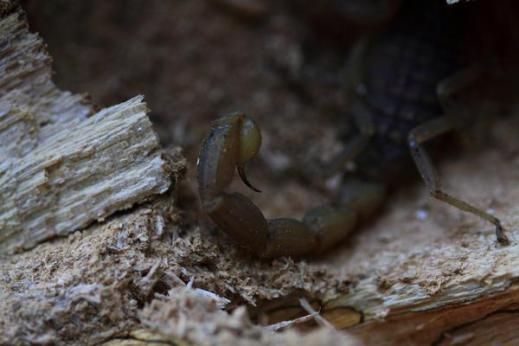
fortunately wearing gloves – the business end of a rather large Anatolian Yellow scorpion that was sharing the grubs’ tunnels

As J and I stood and contemplated our own mortality where the tree once blossomed, she looked up and said, a bit too brightly for my liking, ‘This will be the perfect place for one of those habitat things!’ For someone who worries about the onset of dementia she seems to do remarkably well remembering things/projects I need to be getting on with.

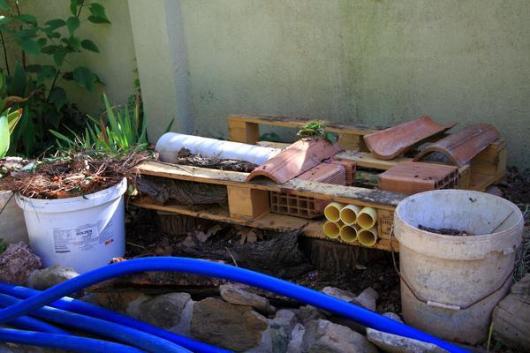
A few days ago a tractor delivered five pallets and the project commenced . .

habitat3
always knew that builder’s stuff would come in useful one day
habitat4
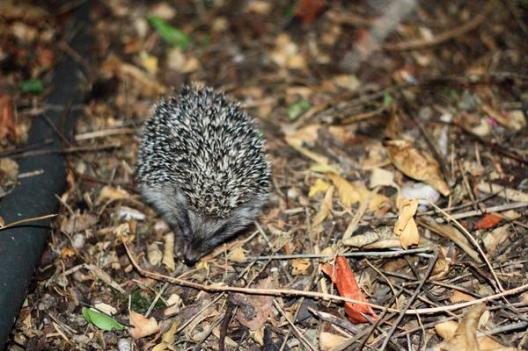
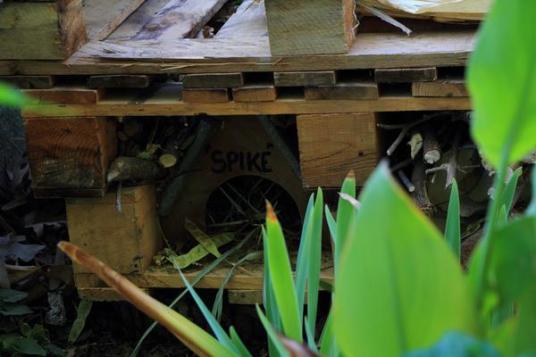
Spike doesn’t like being photographed
habitat5
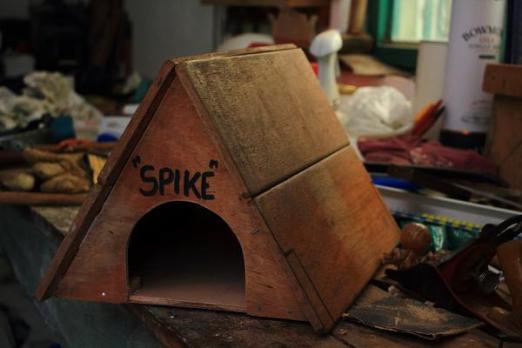
Spike’s basement flat
habitat6
high-rise des-res coming along nicely

There’s still a bit of work to do to finish off, frog and toad halls, mouse and shrew holes – that said, this has been a fun project for J and me. You too could create something similar to attract all sorts of beneficial creatures to your garden – with natural habitats vanishing or being sanitised you could add your drop to the bucket of conservation. Here’s a link to download a pdf from Cheshire Wildlife Trust that will get you started.

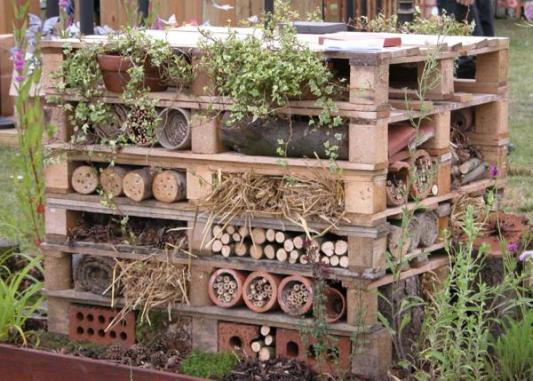
If you are not impressed by what you’ve just seen, then in the best ‘Blue Peter’ tradition, here’s one I made earlier:

pallet-habitat1
. . not true! This was made by Cheshire Wildlife for a RHS garden show

Happy condo building!

Alan in Okçular

ps in case you wondered where Spike’s place actually is . .

habitat7

Even More Amazing!

As I said in the last post – ‘Amazing!’ is all around us – staring us in the face and begging to be noticed. ‘Amazing!’ is in our gardens, behind our cupboards, down the street or lane outside our houses. ‘Amazing!’ is everywhere – if only we are patient and take a few moments to observe – the ordinary becomes extra-ordinarily – ‘Amazing!’  That being the case, and not having got out much lately, here are some more photos, all taken in my garden, that are ‘even more amazing’ depending on how you feel about these things!

It is also an easy way for this lazy blogger to stick up a post without too much thought or effort – enjoy or not as the fancy takes you! Let’s start with something that should fill you with wonder . .

Anax-ephippiger-f
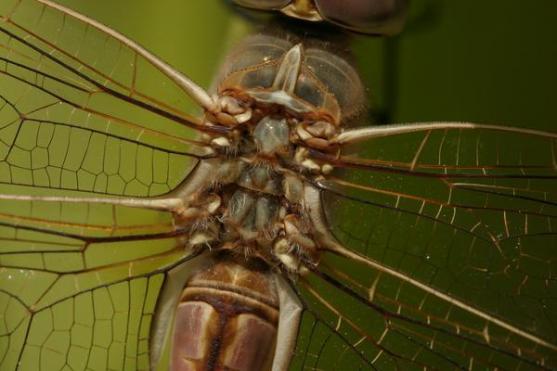
this macro shows the ‘engine room’ of one of Turkey’s rarest dragonflies, Anax ephippiger – Vagrant Emperor
ChamCloseUp
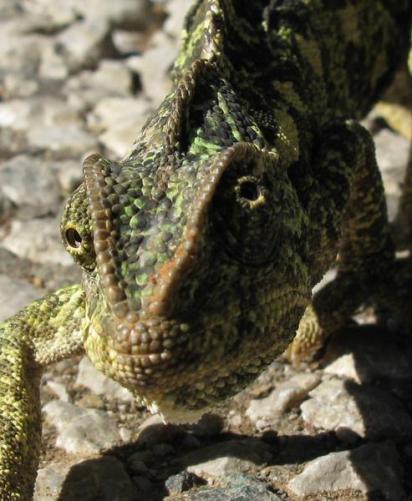
this was a very inquisitive Chameleon
fly
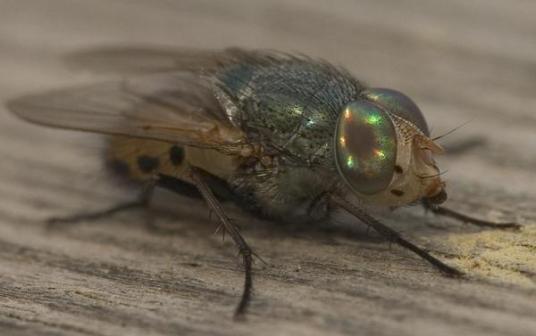
I do like flies!

snails

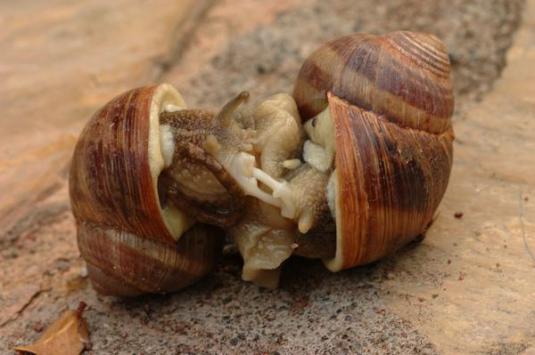
copulating snails – snails are hermaphrodites, both sexes in the same body. Here you see an AC/DC couple having an intimate, slimy moment – when all else fails they can turn themselves on and, as the song goes, ‘Sisters Do It For Themselves’ or words to that effect!

bluetail
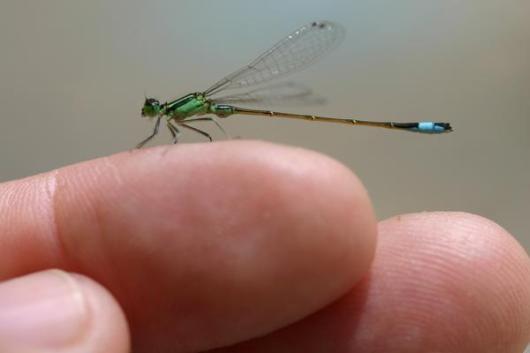
Ischnura elegans – Common Bluetail not a very good photo but a chance to see how delicate and ‘friendly’ some damselflies are
lattice brown
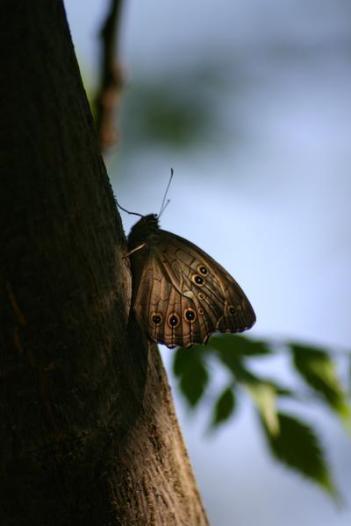
Kirina roxelana – Lattice Brown, I think the sunlight shining through the wings is quite beautiful
conehead
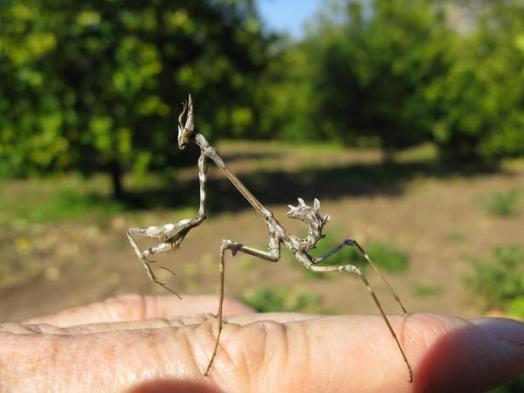
young Cone-head Mantis – Empusa pennata
MINOLTA DIGITAL CAMERA
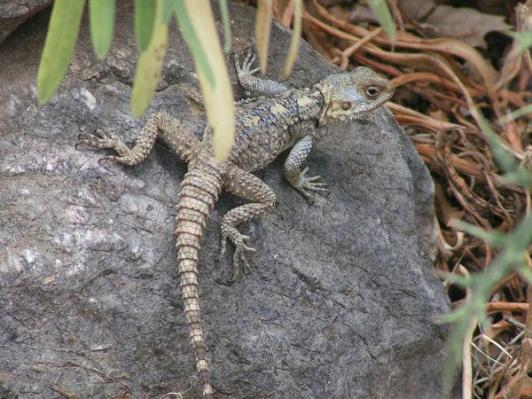
Laudakia stellio – Starred Agama

This guy lives in hole in the wall that is too small for him – every night his tail is hanging out. He is very shy and very entertaining and will have his own post the next time I don’t feel like doing much! I hope the photos made it worthwhile dropping by . .

Alan in Okçular

‘Amazing!’

‘Amazing!’ is all around us – staring us in the face and begging to be noticed. ‘Amazing!’ is in our gardens, behind our cupboards, down the street or lane outside our houses. ‘Amazing!’ is everywhere – if only we are patient and take a few moments to observe – the ordinary becomes extra-ordinarily – ‘Amazing!’

These shots are all from my garden – I don’t pretend to be much of a photographer or that these are great photos – it’s just that, for me, these are amazing subjects . .

fly1
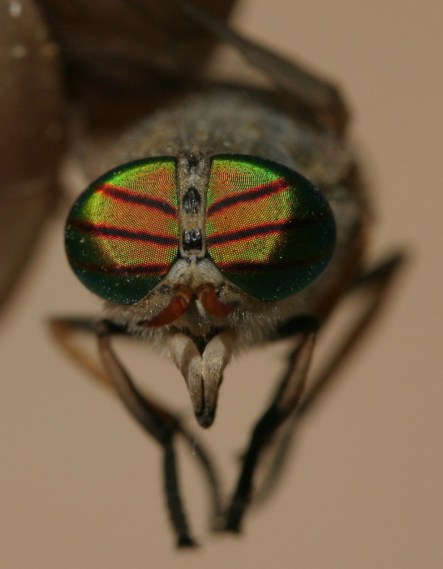
the amazing and very beautiful compound eyes of a fly
rat1
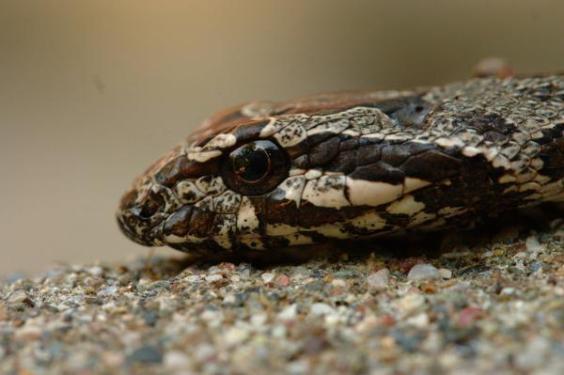
eyeball-to-eyeball with a young Leopard Snake Elaphe situla often referred to as Rat Snakes they are constrictors that feed on small mammals and lizards
MINOLTA DIGITAL CAMERA
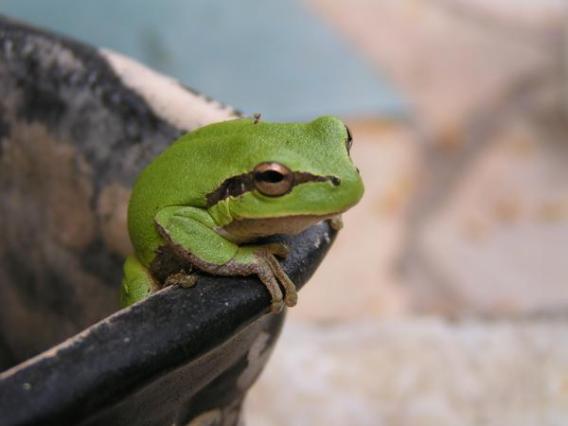
Hyla arborea – Common Tree Frog these are the noisy little blighters that keep you awake at night and they can change colour very quickly
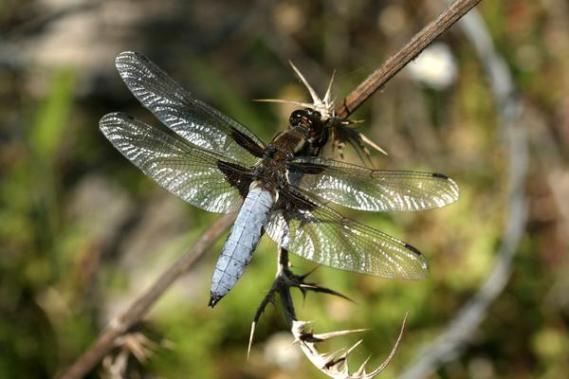
Libellula-depressa-m-2_1
Libellula depressa – Broad-Bodied Chaser common and found all over Europe – how often do we notice?
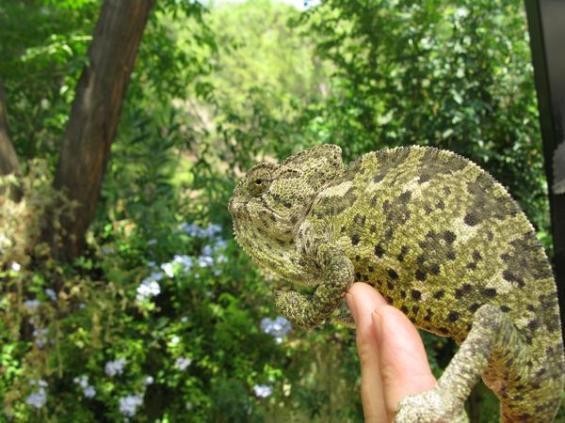
cham1
A grumpy-looking Chamaeleo chamaeleon – Chameleon sitting on my hand whilst being transferred from kitchen to garden
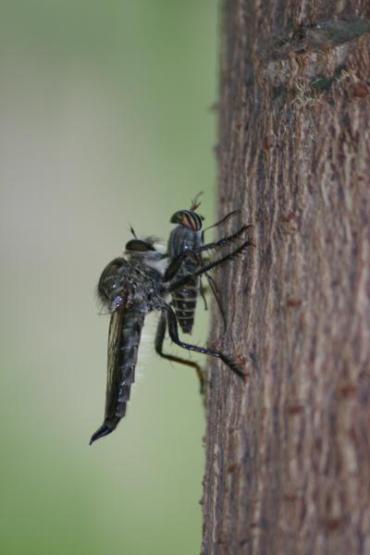
rob1
Robber Fly – Asilidae family sucking the life out of a hover-fly
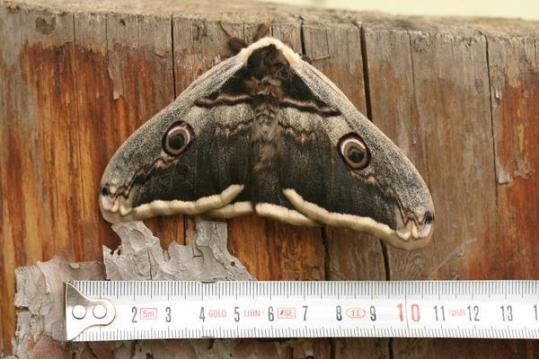
emp1
Saturnia pyri – Viennese Emperor Moth, Europe’s largest – this one has just hatched and is still pumping up its wings
emp2
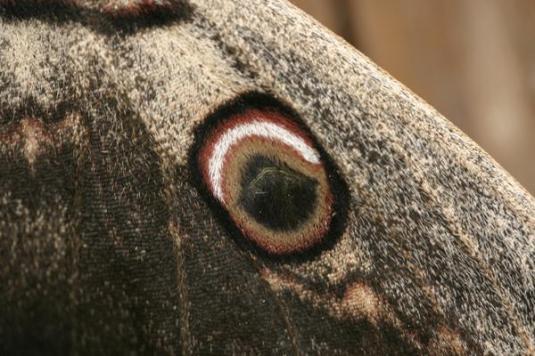
a detail of the wing of an emperor moth

. . and finally something with an ‘Ahhhh!’ factor for everyone . .

Syrian-Squirrel-up-close_1
there is a family of Syrian Squirrels living in a tree just outside the garden – they are regular visitors to the bird tables

That’s it for this time – more later.

Alan in Okçular

Am I Making A Silly Point?

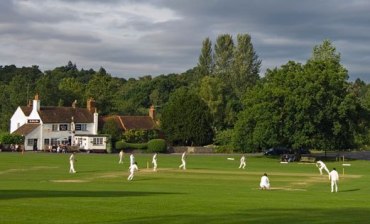
village-cricket1The very English game of Cricket has had a profound influence on global events, particularly in the last couple of hundred years. Actually, coming from the county of Kent in the south east of England, I need to change that to ‘the very Kentish game’ because its origins go back to the Weald of Kent in Saxon times. That said, how has this Kentish creation influenced world events . . ?
(salvaged from Archers of Okçular and first posted August 2013)

br-empire-pink
Britannia Rules OK!

Well, to start with, there is the British Empire which was the largest the world has ever known – as long as you don’t count the present US Empire (which they deny exists) that is! As Britain built and expanded its empire we introduced cricket to the defeated and crestfallen natives. We taught them the rules of the game, both written and unwritten. We taught them about fair-play, being a team player, honesty and accepting the umpire’s decision even when you knew it was wrong! We played by the ‘same rules’ on a ‘level playing field’ where everyone was equal. We dressed them in white, the colour of integrity and the ruling elite. Above all, we treated them as equals on the playing field and applauded them when they played well. We even accepted defeat by them with grace and gave them trophies. We drank tea with them and shared our cucumber sandwiches!

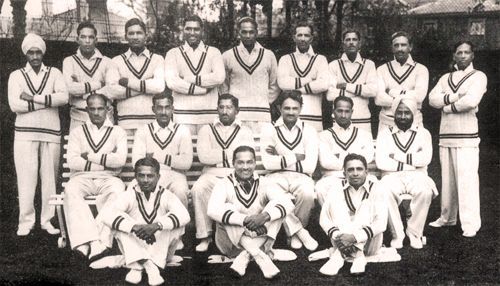
1932allindiaside
All India Cricket Team 1932

With all this equality on the playing field the natives forgot that their country was being raped and plundered and they were being subjected to humiliation at every turn. Instead of fighting the British to a stand-still, ‘Johnny Foreigner’ accepted the empire/umpire’s bad decision, acknowledged the applause of players and spectators alike, tucked his bat under his arm and walked docilely back to the pavilion for the duration.

Countries like India became masters of the game of cricket, meanwhile they allowed the British to rule their country for a couple of hundred years with a relatively tiny administration whilst it was being robbed of anything that wasn’t nailed down and some that was! Cricket was the weapon of empire – a ‘weapon of mass deception’.

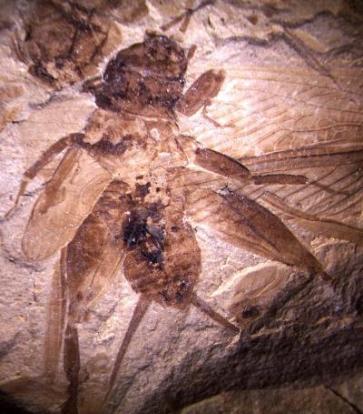
Moving on, there are Crickets, as in Bush Crickets! I would argue that crickets are named after cricket. I’m not suggesting that cricket is older than crickets which, after all and as fossil records prove, go back more than 350 million years to the Carboniferous Period. But crickets were definitely named after cricket and the evidence is in the records, so to speak.

cricket-fossil

Crickets were first described, recorded and named as such by Linnaeus in 1748. Cricket, on the other hand, has its first recorded reference in a court legal document of 1598. Proof that crickets were named after cricket – although, as I said, I’m not suggesting that cricket was around before crickets. Crickets pre-date human-kind by quite a few million years and the way things are going they’ll probably be around for a few million after we kill ourselves off!

katydid-emerging
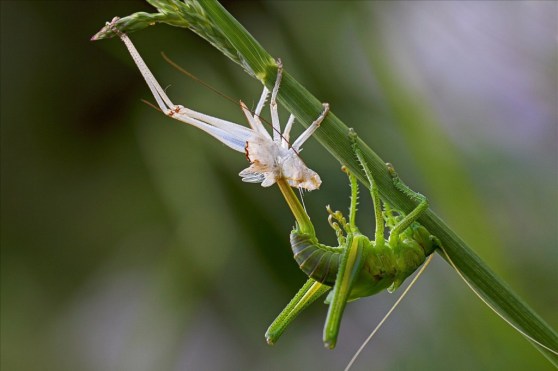
a beautiful picture of a Green Bush Cricket shedding its old suit of clothes

Homo idioticus has been treating Mother Earth in much the same way that Britain treated its empire. Talking the eco-talk behind a smoke-screen of initiatives about ‘responsibility’ and ‘sustainability’ whilst actually accelerating the primitive plundering of resources. The latest batch of climate change models say it all – we are past the ‘tipping-point’, and change is compounding at an unprecedented rate.

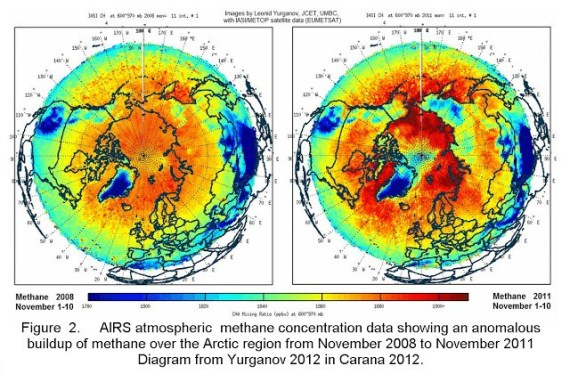
arctic-methgas

FIGURE2

Vast volumes of methane, a far more dangerous greenhouse gas, are erupting from the defrosting tundra and ‘boiling’ from the floor of the Arctic Ocean. By 2040 vast areas of the planet will be unviable for humans due to extremes of drought, flooding, sea level rise. Such is the speed of change that many species, particularly mammals, will fail to adapt – others, mostly insects and micro-organisms will do so to some extent and some will flourish.

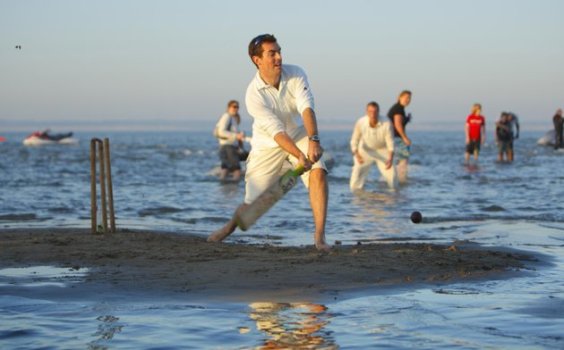
goodwin-sands
cricket on the treacherous Goodwin Sands mid-English Channel (something I once did) a curious English pastime doomed to extinction along with the species

Mother Earth is not dying as some claim. Mother Earth is changing – evolving and adapting to the unnatural pressures of one ‘unnatural’ species. The umpire’s finger is raised and there will be no place for those who were stupid enough to believe that some ‘God’ gave them dominion over her.

Our innings is over – the Age of Man is passing!

Alan in Okçular (I also recognise that I need to get out more)

ps ‘Silly Point’ is a fielding position on the cricket field so called because it is just about the silliest place to be relative to a cricket ball coming off a bat at well over 100 mph! You need quick reactions – see below.

pps for those who don’t ‘get’ cricket here is a brief but famous explanation. After reading it you will understand why the British Empire failed to last a thousand years as had originally been predicted:

Cricket: As explained to a foreigner…
You have two sides, one out in the field and one in. Each man who’s in the side that’s in goes out, and when he’s out he comes in and the next man goes in until he’s out. When they are all out, the side that’s out comes in and the side that’s been in goes out and tries to get those coming in, out. Sometimes you get men still in and not out.

When a man goes out to go in, the men who are out try to get him out, and when he is out he goes in and the next man in goes out and goes in. There are two men called umpires who stay out all the time and they decide when the men who are in are out. When both sides have been in and all the men have been out, and both sides have been out twice after all the men have been in, including those who are not out, that is the end of the game!