
There are times when being awake is worse than reliving that moment in the film ‘Alien’ when John Hurt leans over one of those ‘eggs’ in the hold of the alien ship and suddenly – Waaaghhh! – the thing is all over his face and doing a Linda Lovelace impersonation.
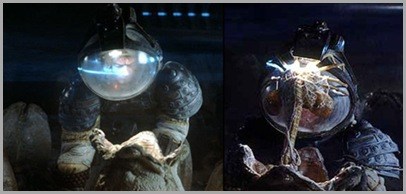
J and I had our first ‘egg’ moment three years ago – we were heaving ourselves up to a ledge in one of our local valleys when there ‘they’ were at nose level. Eggs and aliens! A terrible stench of rotting carcasses filled our nostrils along with hoards of flies trying to do the same! We had never seen anything like these weird creations of some warped, alien imagination.
Since that first close encounter of the t#rd kind we have found a number of these alien hives – some very close to our house. We have also learned a little about them – say ‘Hello!’ to Clathrus ruber aka the Lattice or Basket Stinkhorn or, as the country folk around the former Yugoslavia prefer, ‘Witch’s Heart’!
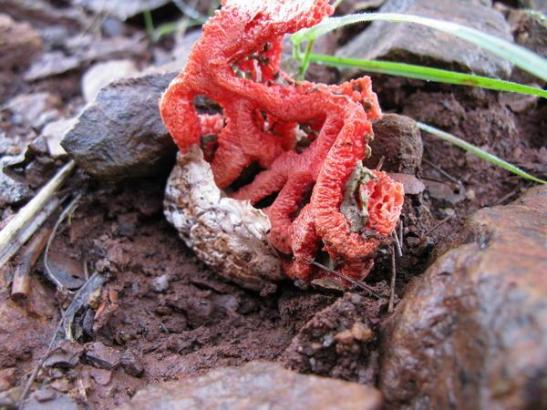
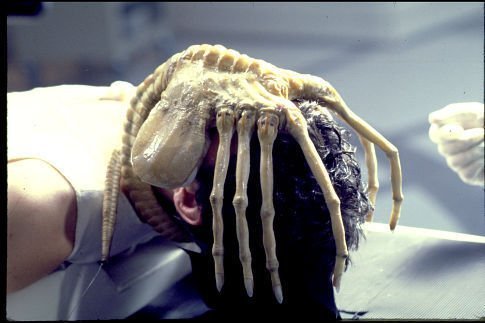
Learning about the Stinkhorn family is laced with auto-erotic symbolism – they are of the Order Phallales and Family Phallaceae; ‘eggs’ are called volva. In my opinion they are about as erotic as a smear in a Petri dish! They are however, part of a very interesting group of fungi. Another member of the group C. archeri or Octopus Stinkhorn, is a native of Australia and New Zealand –
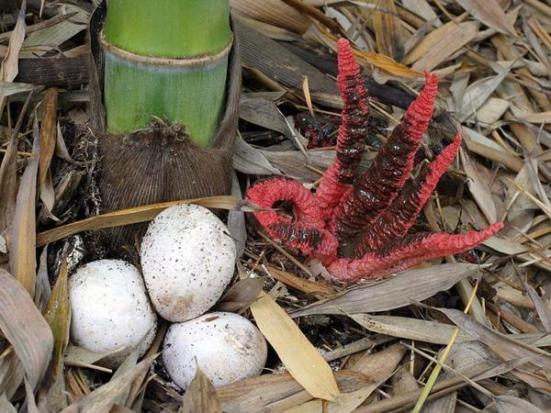
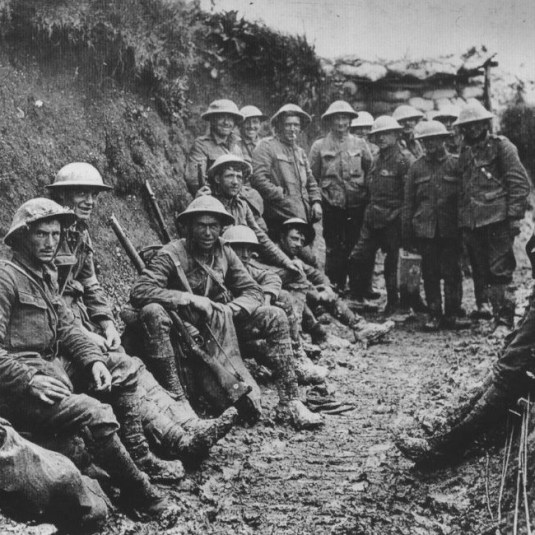
– examples have turned up in Turkey and spores are believed to have been transported here in the boxes and equipment of the ANZAC troops following the invasion of Gallipoli/Çanakkale in 1915. It is equally weird but lacks the putrid stench associated with the Lattice Stinker.
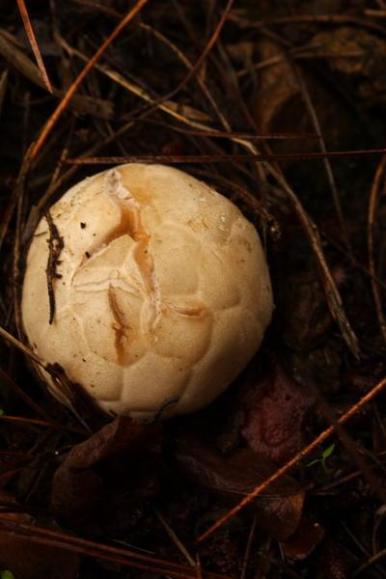
like John Hurt, curiosity draws you closer – suddenly . . Waaaghhh!
The ‘egg’ is roughly spherical, up to 6 cm (2.4 in) in diameter, with a jelly-like interior. White or grayish in colour, it is initially smooth, but develops a network of polygonal marks on the surface prior to opening. The ‘alien’ bursts the egg open as it expands (a process that can take as little as a few hours), and takes on its new persona as a cross between a dead body and a Wiffle ball! (a plastic ball with holes in it) As the sponge-like ‘lattice’ develops a thick, foul-smelling goo called gleba covers the inner surfaces. This attracts flies and other insects which help to spread the spores. Whilst the ‘eggs’ may take days or weeks to reach ‘hatching’, the amazing fruit will last but a few hours before dissolving into a slimy smear.
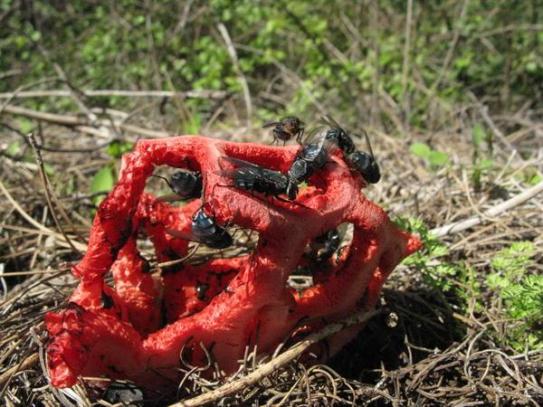
The time to see them is now . .
Alan in Okçular
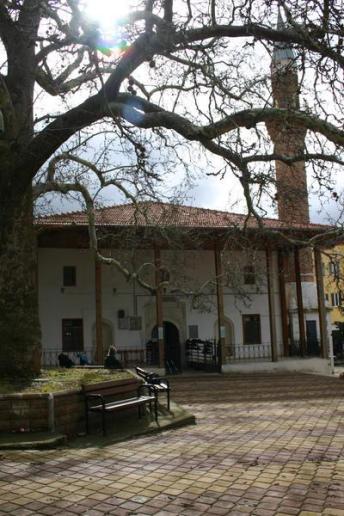
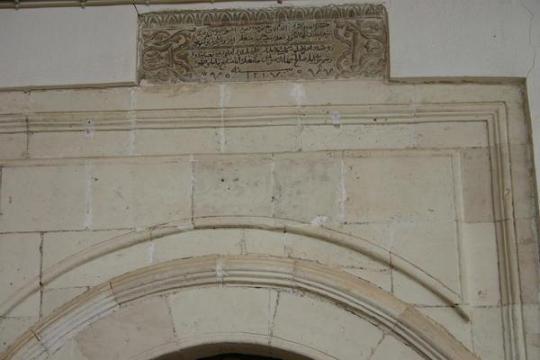
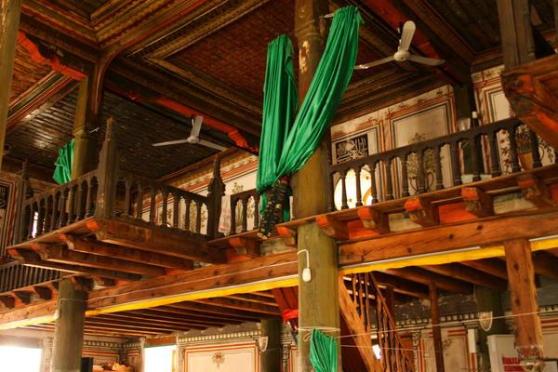
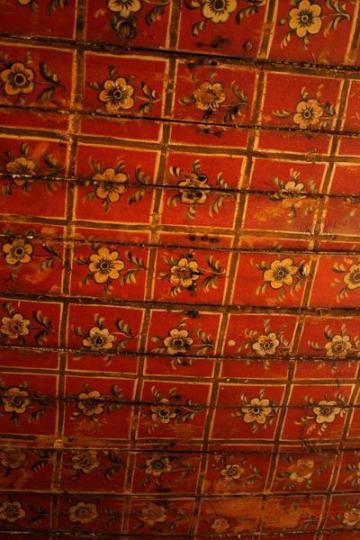
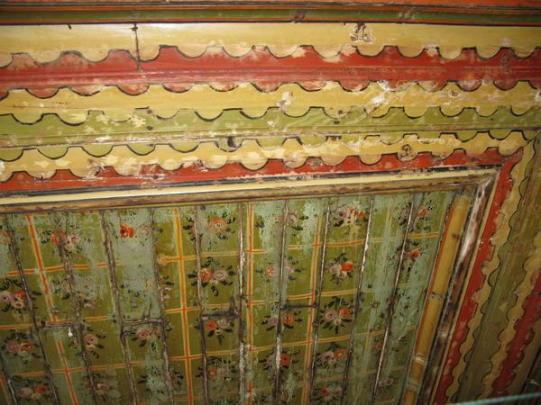
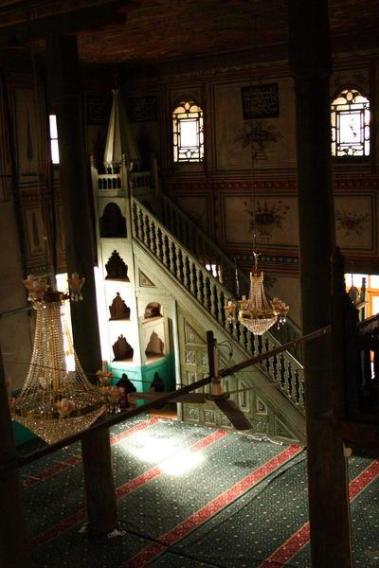

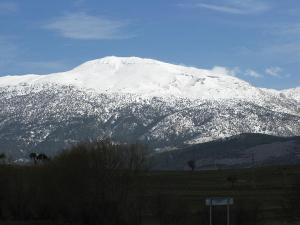 Finding the village of Boğaziçi from our base in Pamukkale meant a drive of about a hundred kms – first south to Denizli and then east to the junction of the D595 Uşak Yolu. I find this a rather sad stretch of road having covered it several times; rather like driving through an industrial wasteland with only the view of the beautiful snow-capped mountains to redeem it. Follow the Uşak road and just after the village of Denizler fork right for Baklan. Then take the second turning on the right (approx 3kms) signposted to Boğaziçi and look out for the minaret.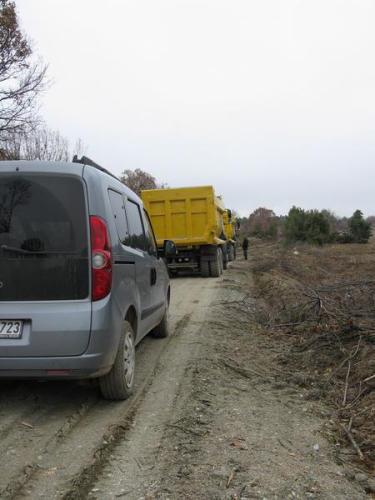
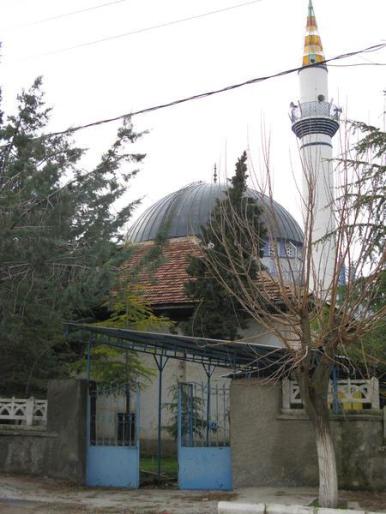
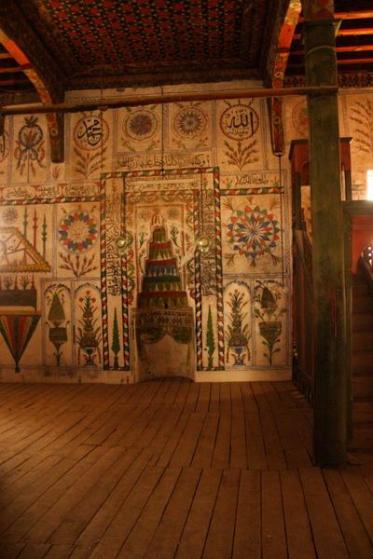
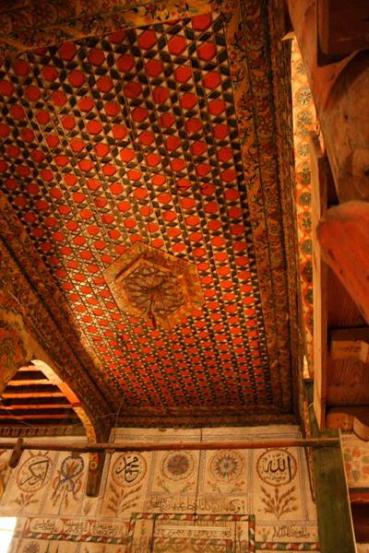
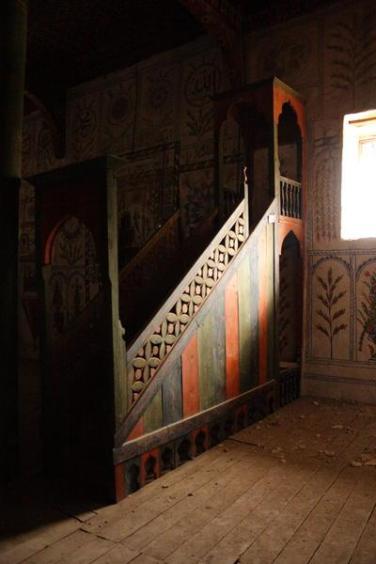
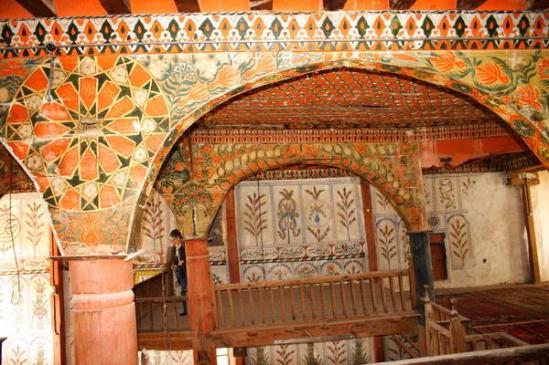
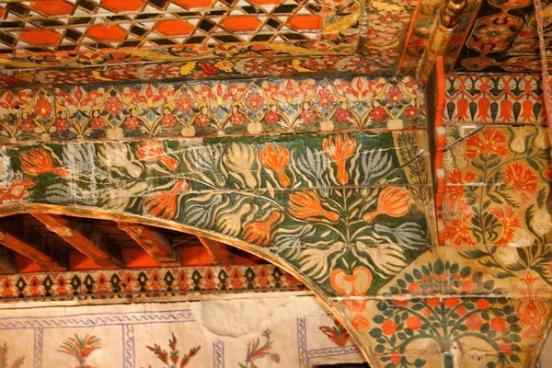
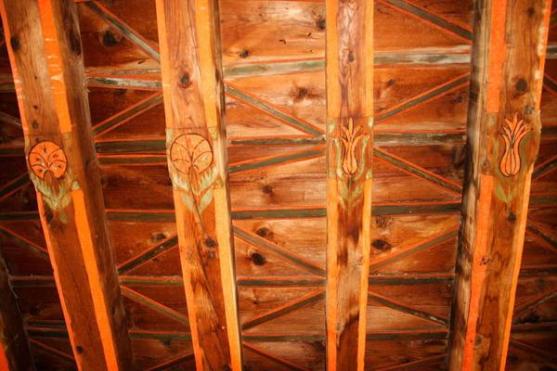
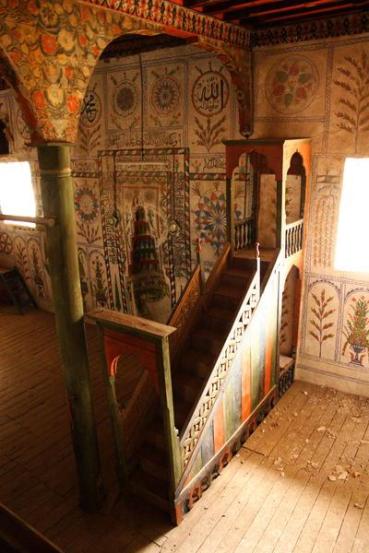
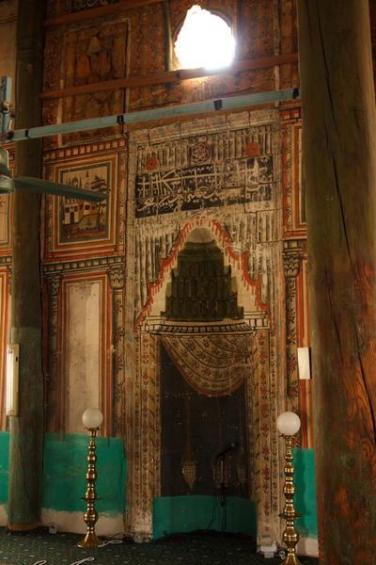
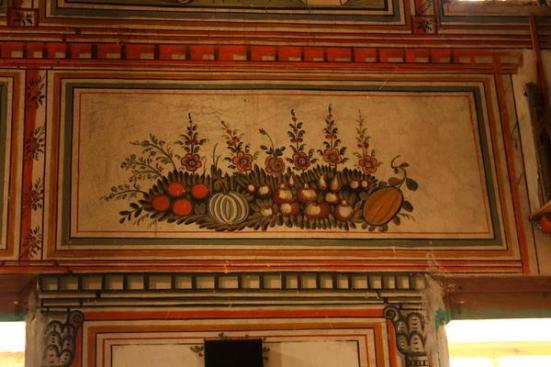
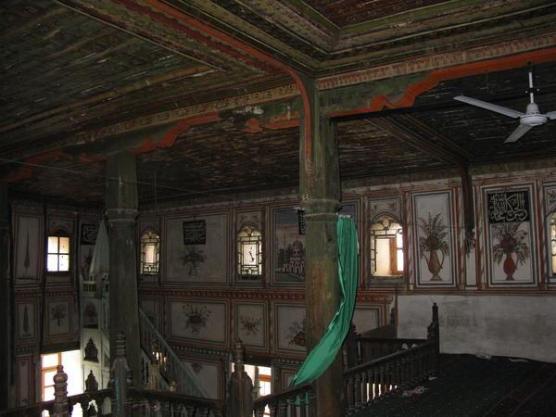
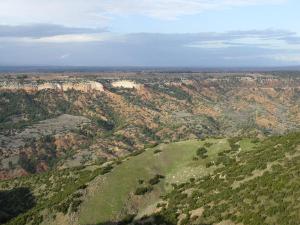 Kocaköy and its Şalvan Mosque, so-called because that was once the village name, lies about 28kms north west of Boğaziçi as the crow flies (a lot further by country roads), through attractive landscape and tiny villages. It is a poor little place with a beautiful outlook over a sweeping valley. We parked at the mosque and set out to find the kahvehane (tea house) where we were immediately engaged by some young men who sent a boy off to find the imam. Meanwhile we were joined by Yaşar, groomed, dressed in a suit and looking every inch a ranking bureaucrat With the arrival of the imam the four of us set off back to the mosque and so began one of the most enjoyable interludes that J and I have ever experienced on this type of visit.
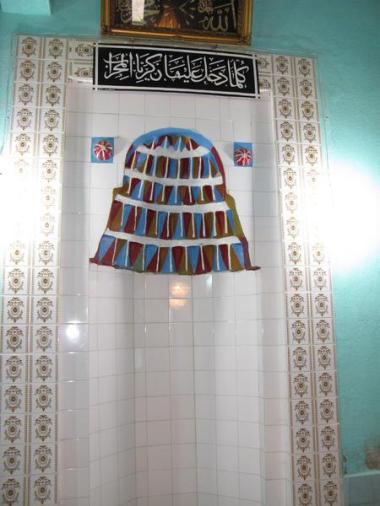
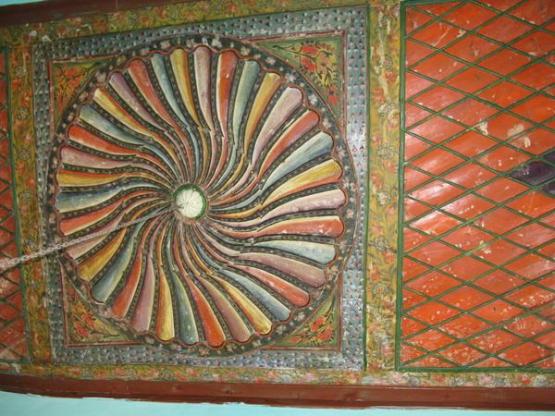
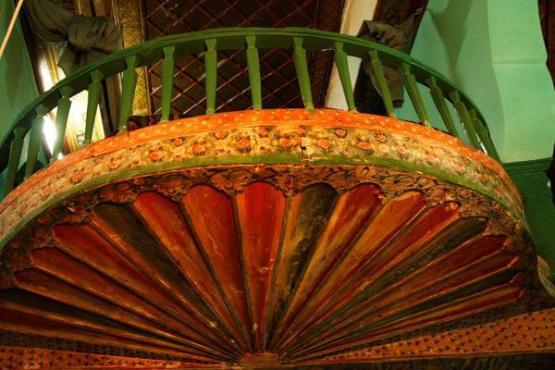
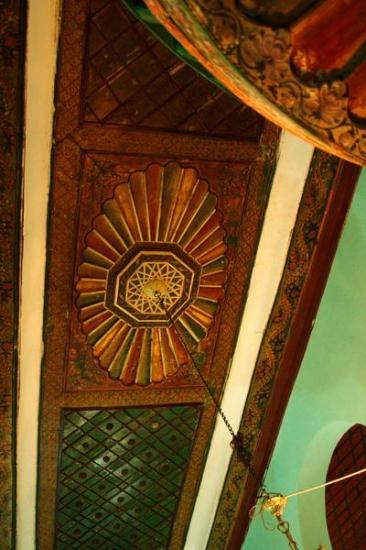
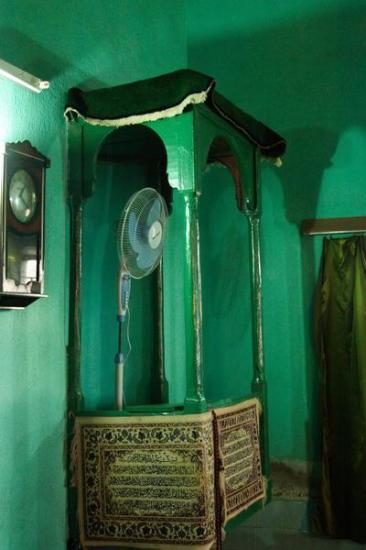
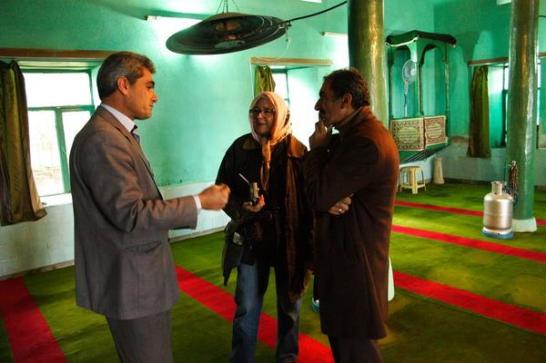
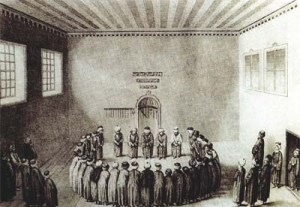 This is supposed to be a ‘mystical’ tour, seeking out village mosques that have their foundations firmly rooted in the tenets and traditions of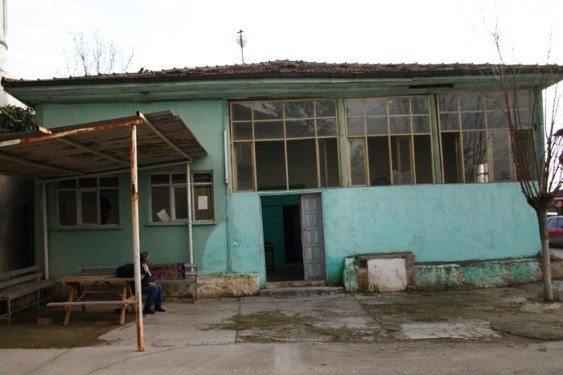
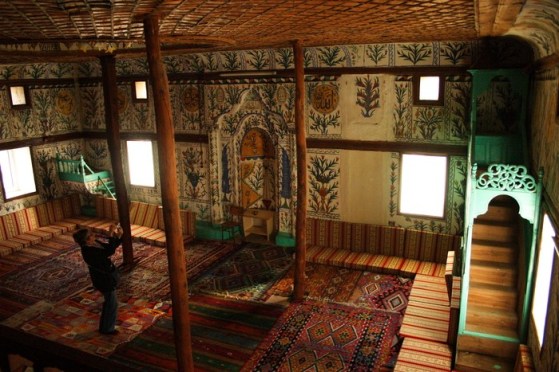
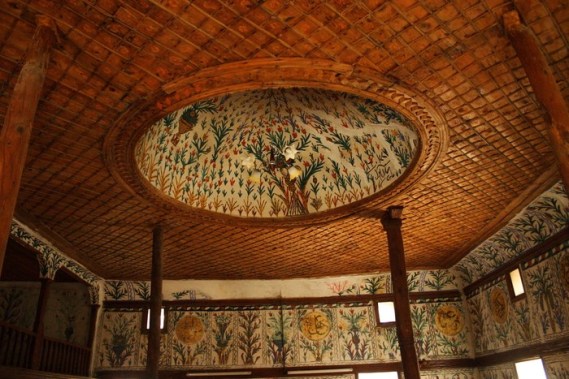
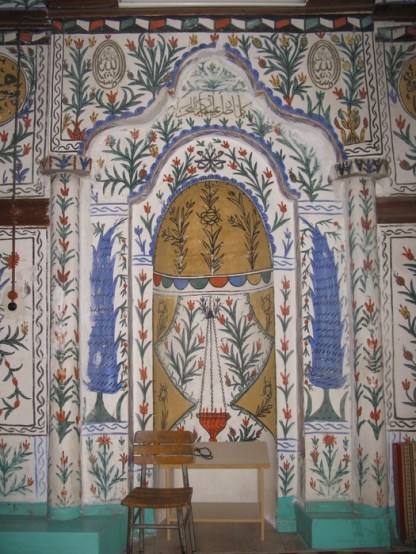
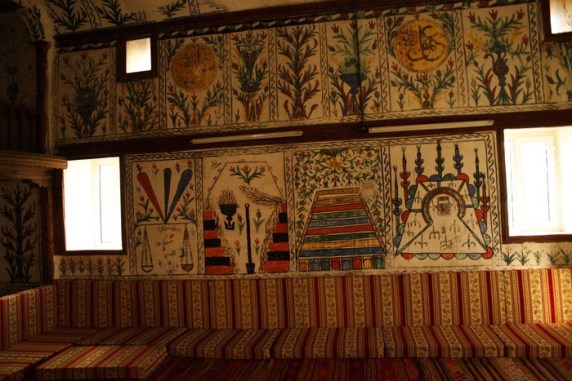
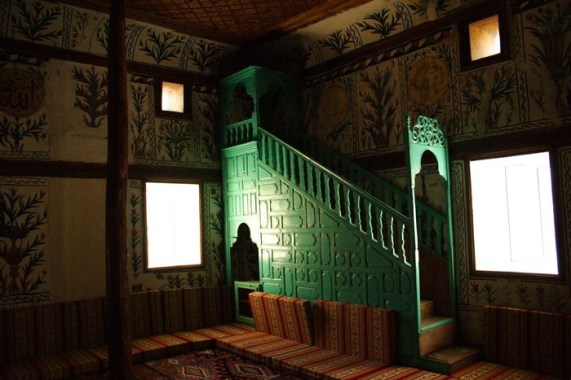
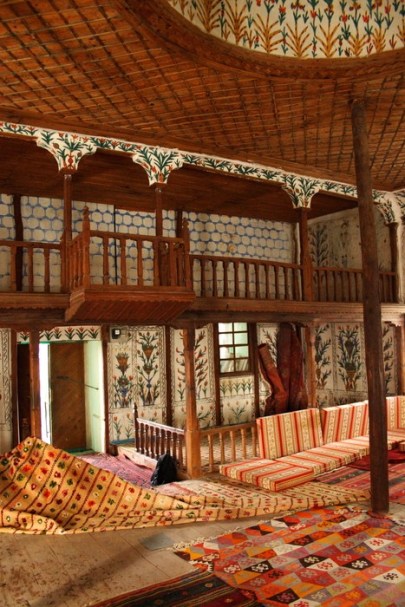
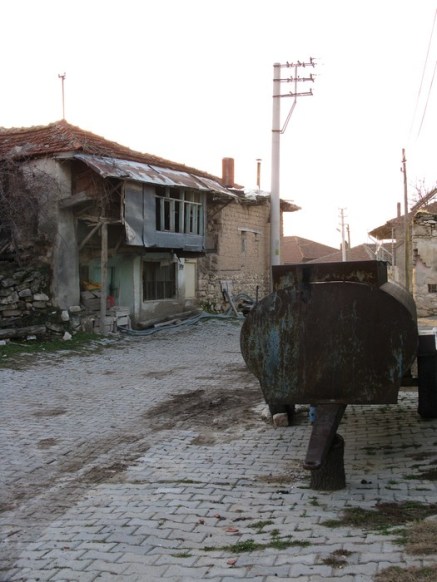

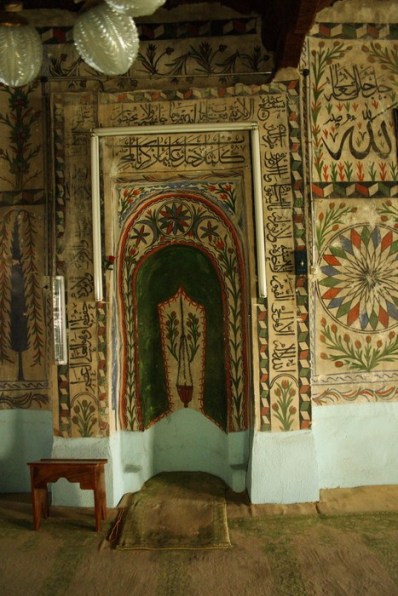
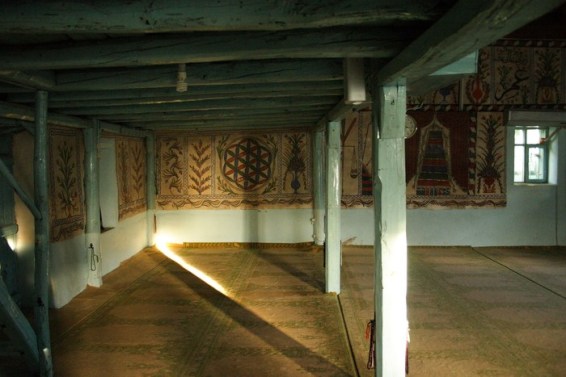
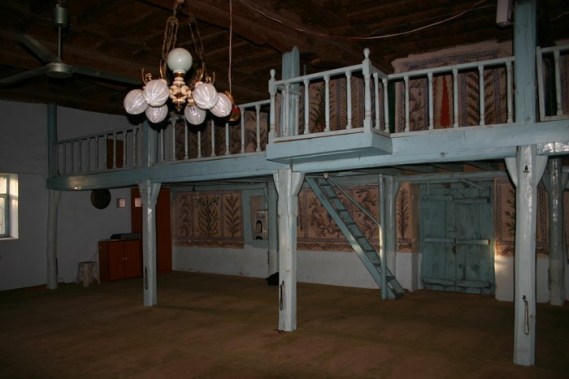
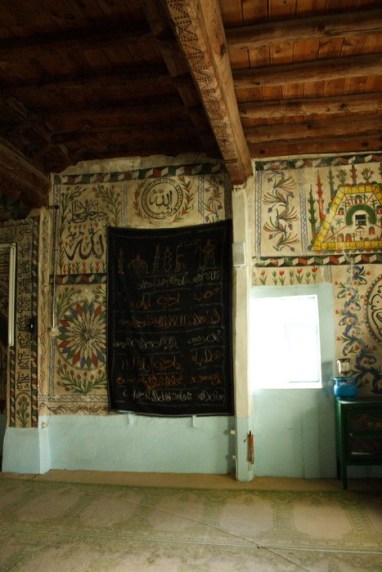
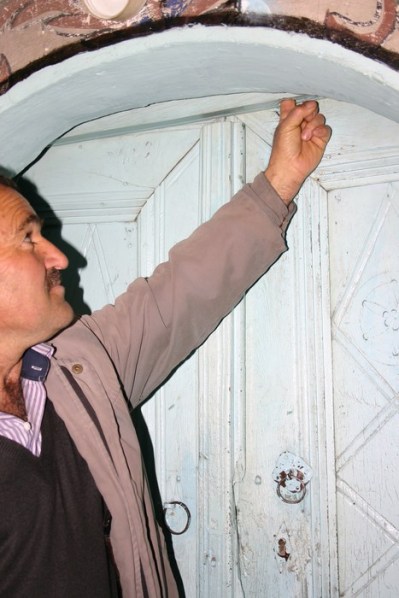
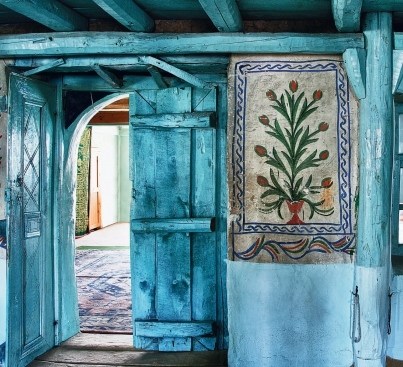
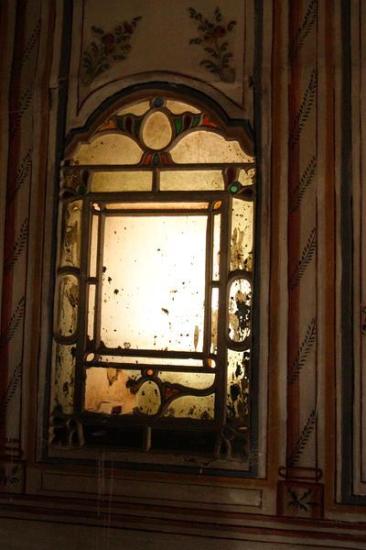
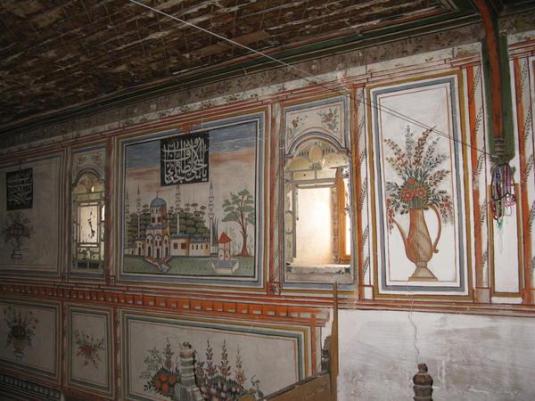
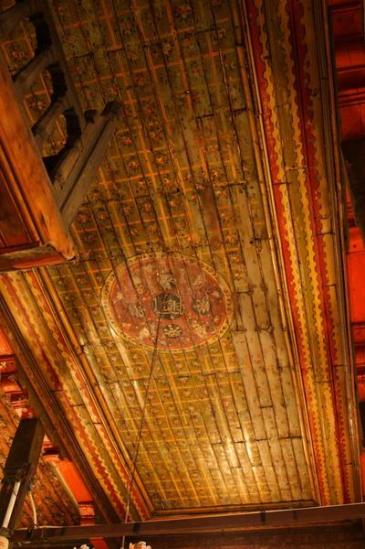
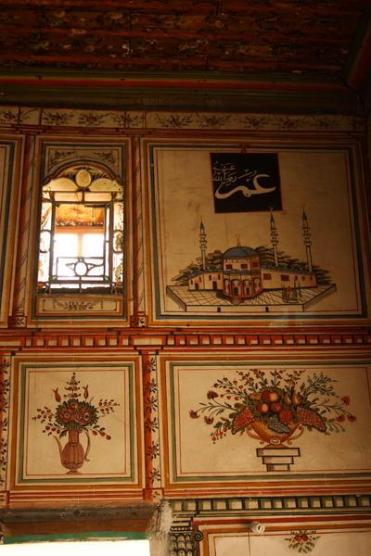
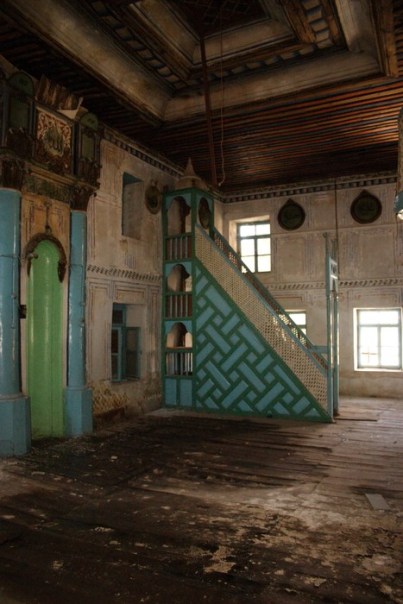
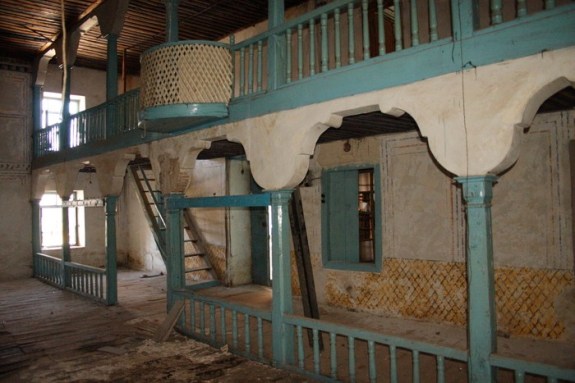
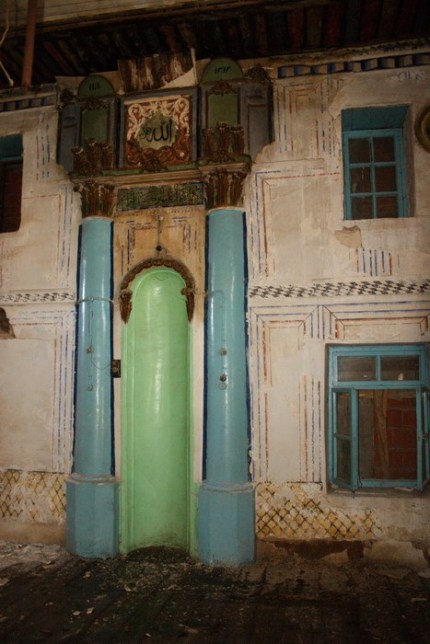
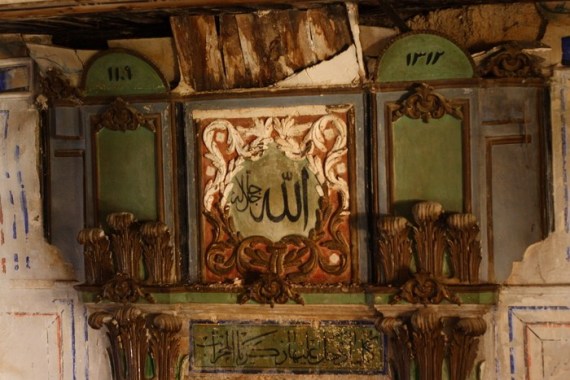
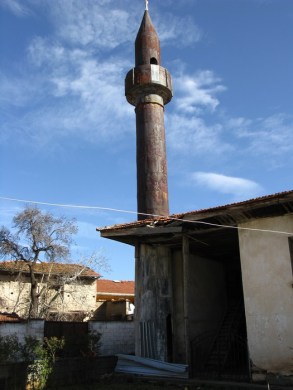 The small farming town of Kızılcabölük near Tavaş is a place of many mosques and few visitors. It is home to the Hanönü Camii (in front of the Han) which has an unusual history because it was built by Ümmi the daughter of Köse Mehmet Ağa sometime around 1697. There is a date above the mihrab that indicates redecoration in 1895. With a modern, concrete mosque jammed in alongside, the state of the exterior did not bode well for what we might find inside. Broken metal sheets were nailed across the entrance, sections of the roof were falling away and there was a general air of filth and dilapidation. Pulling aside a corrugated sheet of metal we ‘broke in’!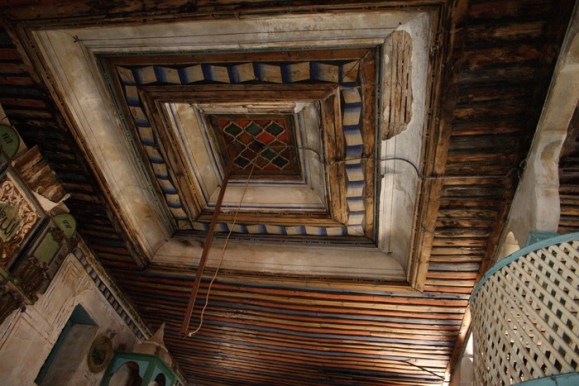
 It would be more accurate to say that ‘Money Talks and Walks the Walk’ – in 16 years of living here I have seen example after example. I want to stress that Turkey is no better and no worse than most other countries around the world – greed, ‘primitive accumulation’ lies at the heart of the economic system; a system that commodifies everything – including the environment! If tiresome protection laws get in the way of the ‘fast buck’ then they are to be ignored, rescinded or bribed away.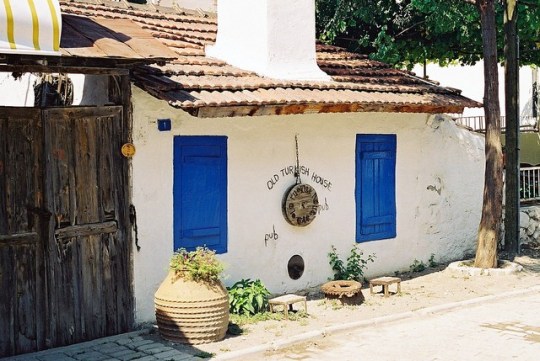
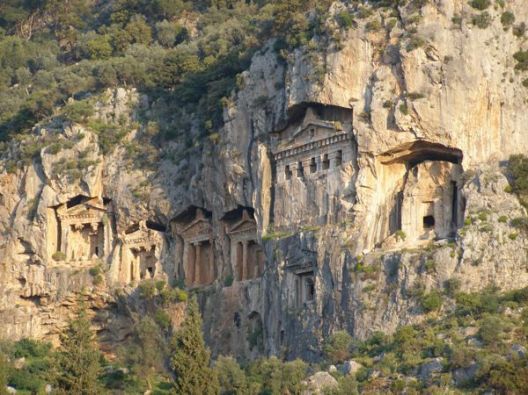
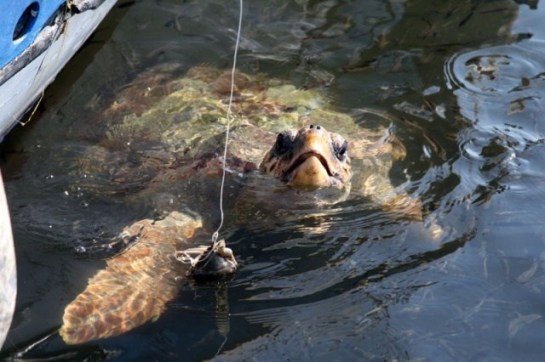


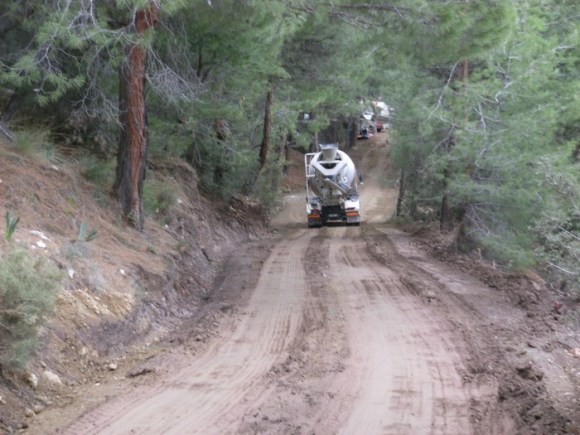
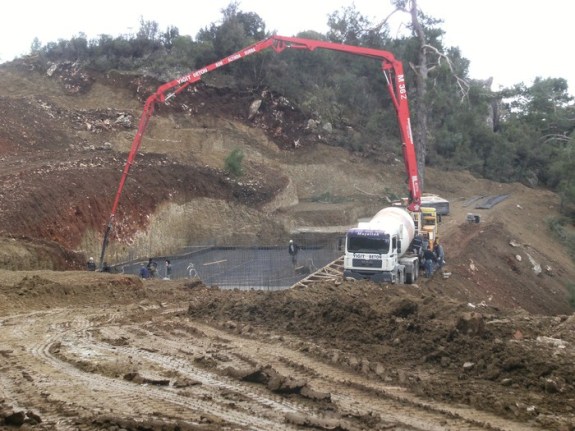
 Mass tourism, that ‘pile-it-high flog-it-cheap’ commodity has had its day and is declining rapidly. Unless the politicos, local and national, wake up to the real worth of this beautiful, historic country that they have inherited, and start to protect and defend that worth then sustainable tourism is finished. Not in my lifetime, it’s too late for people my age, but what about your grandchildren Başkan – don’t they deserve something better than the ‘fast buck’ you are offering now?
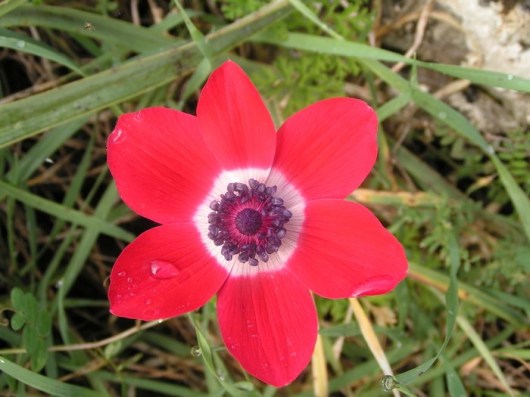
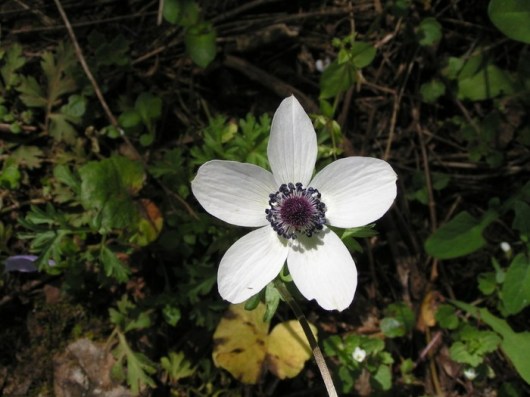
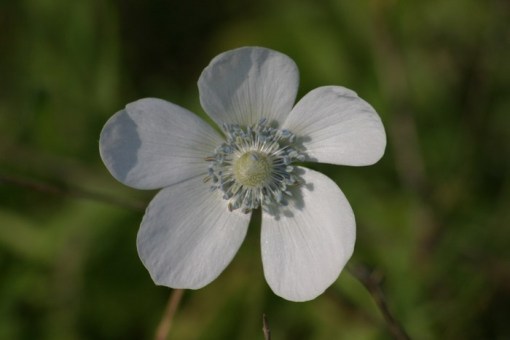
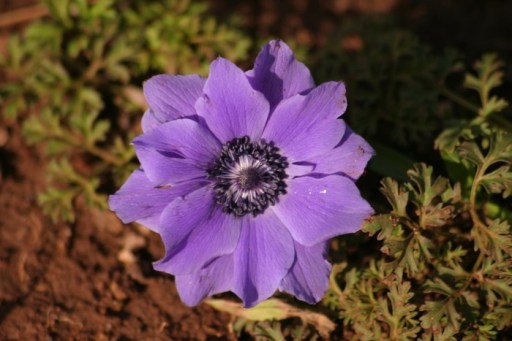
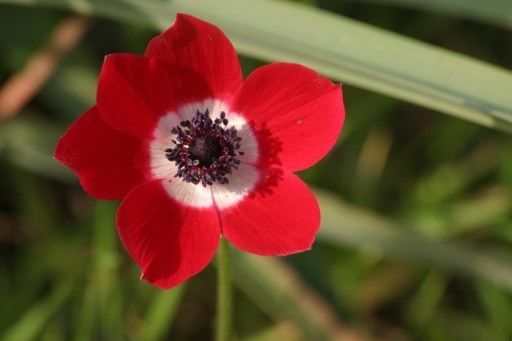
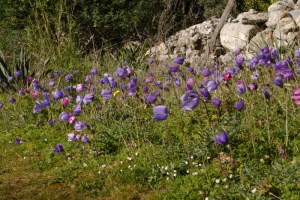 Flowers abound with one particular species front and centre at this time – Anemone coronaria the Crown Anemone. Walking around the area, especially if you are using the maps and guide notes in ‘Okçular Village – a Guide’ and ‘Backways and Trackways’, is a feast for the eyes with great swathes of multi-coloured anemones wherever you look.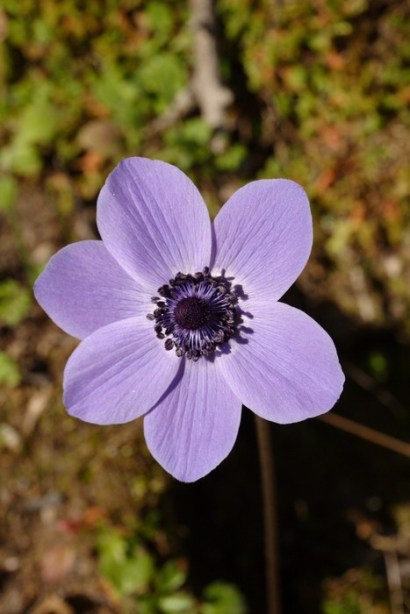

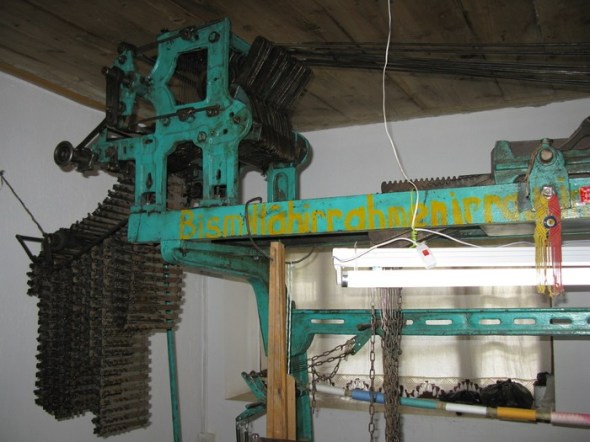
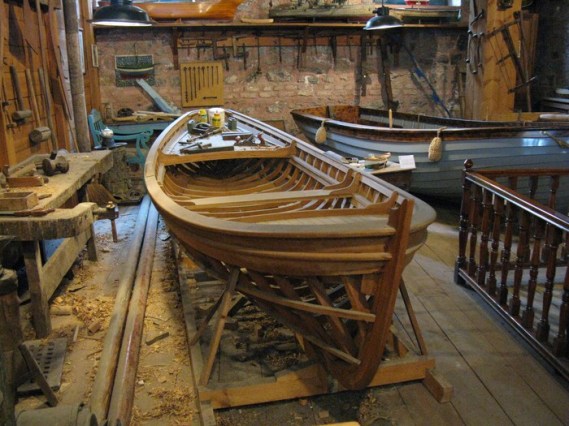
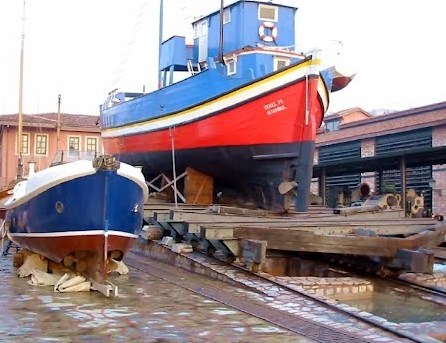
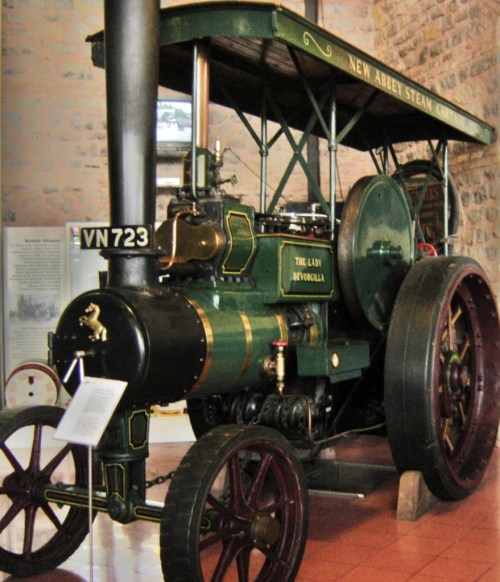
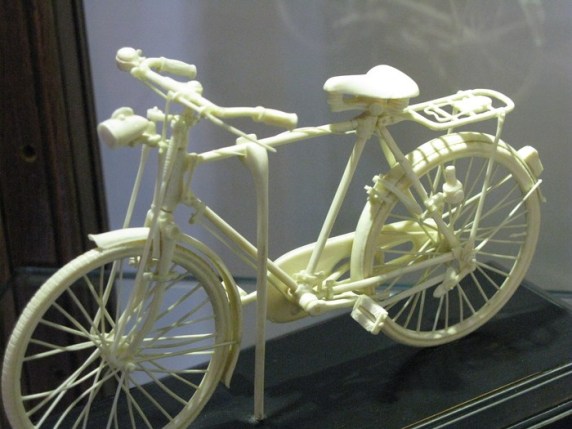
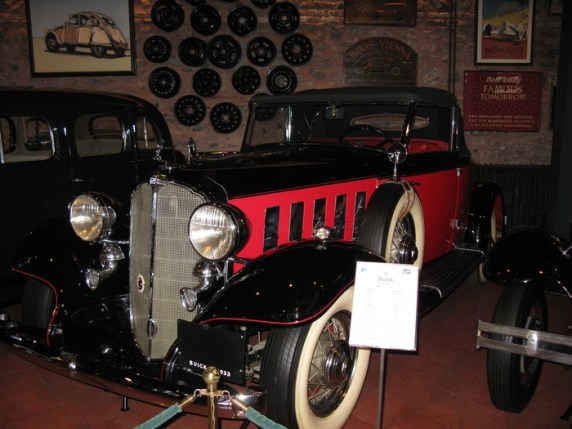
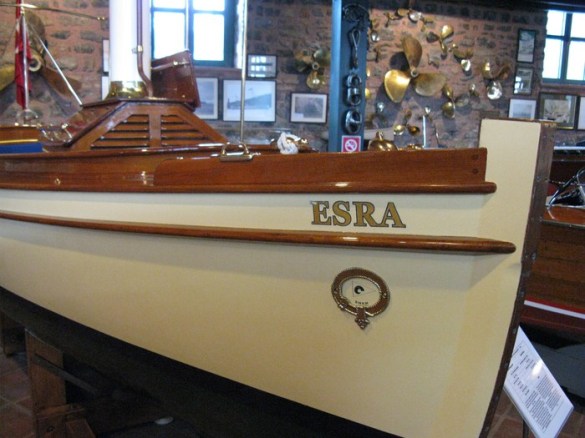
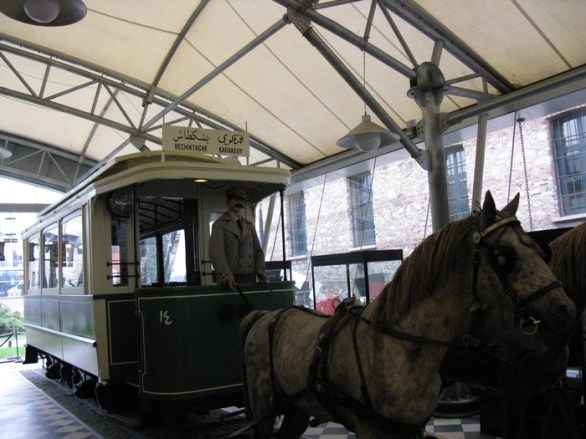
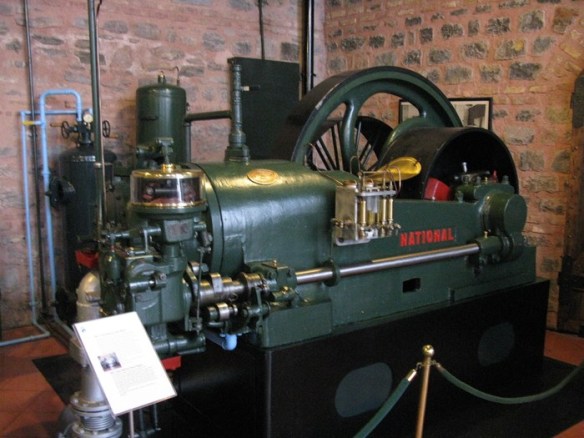
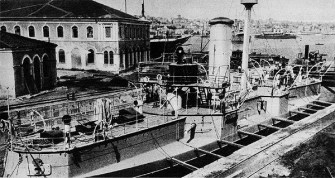 . . they mean a trip to Paris or Rome tra-la-la . . or, in this case, Istanbul – to the historic dockyard, founded in 1861 by the former Ottoman Maritime Company. It lies on the north shore of the Golden Horn in the district of Hasköy. The site, together with the Lengerhane building (which was initially used for casting anchors and chains for the Ottoman navy, during the rule of Ahmet III (1703–1730)) across the road, houses the Rahmi M Koç Museum. This is, in my opinion, one of the finest industrial museums you will ever visit – a world-class establishment!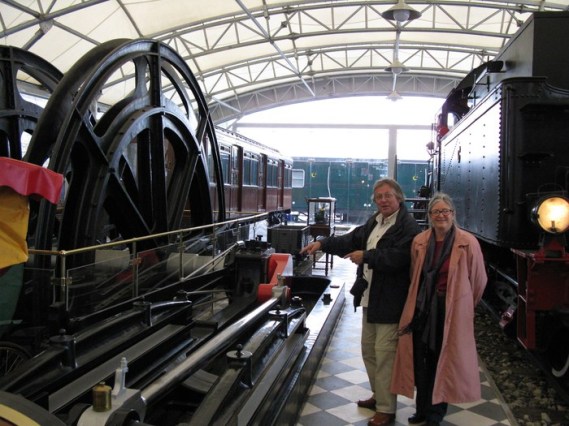


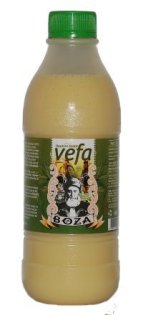 In the dairy cabinet I noticed bottles a strange, glutinous, creamy-coloured stuff. ‘What is this?’ I asked. ‘Boza!’ said he, ‘It’s a bit alcoholic, and very traditional.’ Alcoholic, traditional and cheap – I think that’s why I’ve always loved folk music! Good enough for me, and I loaded some in the trolley. Back at Ahmet’s place the wine glasses came out – and I opted for ‘a drop of that Boza stuff’ which was served up in a coffee mug! So began an affair – a bit on the side whenever I can get it – Migros tend to be a bit erratic and no one seems to stock it locally.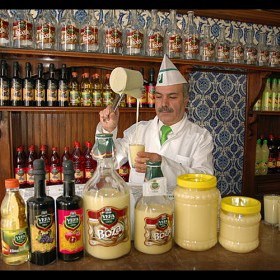
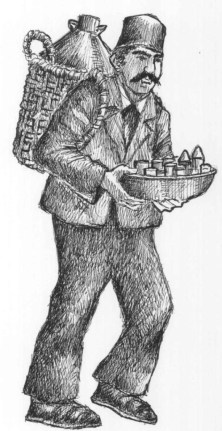 Hadji Sadik Bey observed that nearly 200 citizens of Armenian origin were in charge of making and selling boza, which at that time was produced with a sour, tart flavour and a light consistency. In this select neighbourhood of Istanbul, he started to make boza of a different flavour and taste, a thick consistency and having a less sour taste. In 1876 he registered the tradition of boza making as a profession and set the standard by which the product is measured to this day.
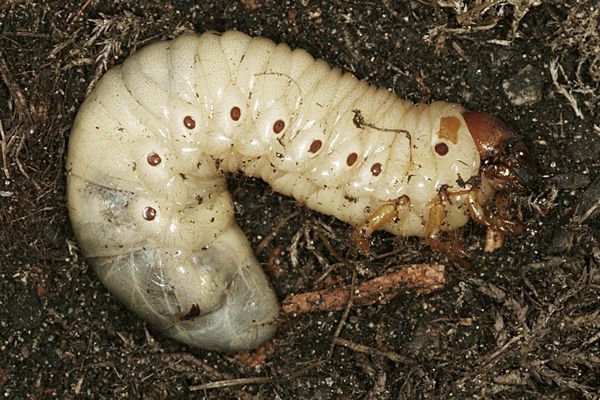


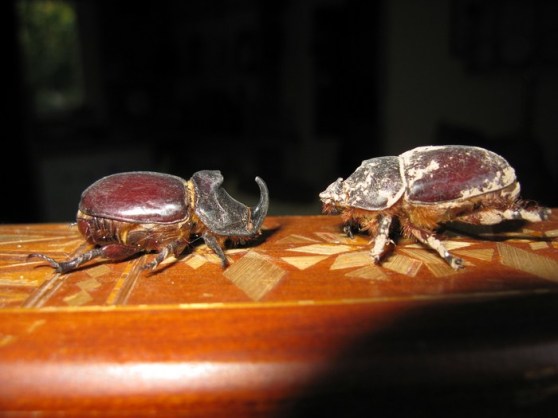
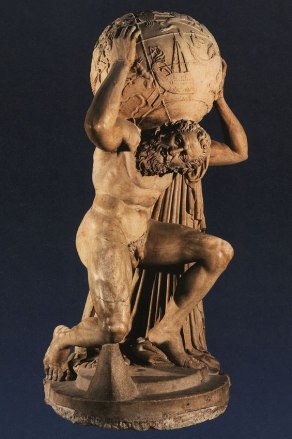 There are a few hundred different species of Rhino Beetles on planet Earth; they have names like ‘Elephant’ and ‘Goliath’, every one of them is a hard case that knows its own strength and has an ego to match! Regardless of size and species they are capable of carrying 850 times their body-weight without so much as a knee-tremble to be seen! That’s like your average human humping 60 tonnes on their back and wandering off through the leaf-mold!
 Bof's Blog