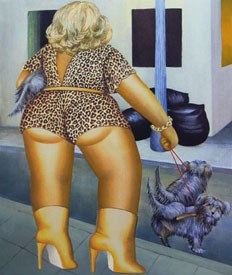
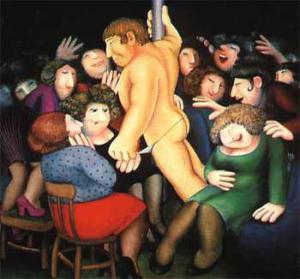
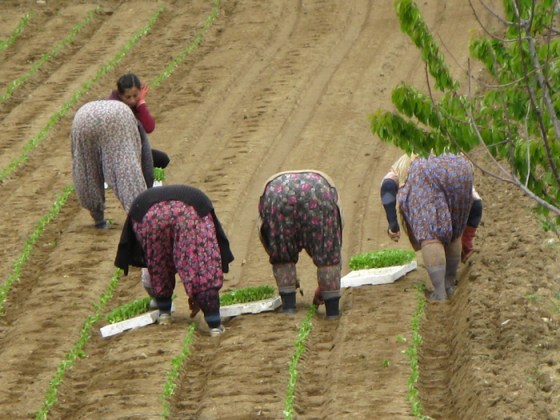
I have just read the latest post by Annie @ Back to Bodrum which includes the following; ‘Big bottoms in baggy trousers are bent over their fields planting pepper seedlings.’ By coincidence, J and I were on a walk around the lake here at Gölcuk when we were ‘presented’ with this irresistible photo opportunity. The late Beryl Cook made a very comfortable living from depicting ample bums and boobs – if she had ever holidayed in Turkey she could have died a multi-millionaire. Hmmmm! Perhaps she did!
the lady herself – by herself
Here’s what was presented to us by the Red-Hot Chilli Pepper planters; but first a few of the incomparable Ms Cook’s wonderful observations of life.
ample sufficiencyLadies NightThe Trio
. . and finally . .
the glorious bums of the Red-Hot Chilli Pepper Planters of Gölcuk
Taking the less used pathway from A to B; getting out of the car and venturing into the unknown usually brings rewards far beyond the anxiety of arriving on time or the risk of wondering exactly where you are. There is only one road to Ulu Dağ, so it doesn’t really count as a back road; getting out of the car and wandering off along animal tracks into the forest does.
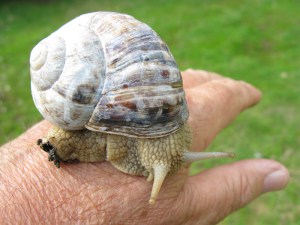
Some Snail!
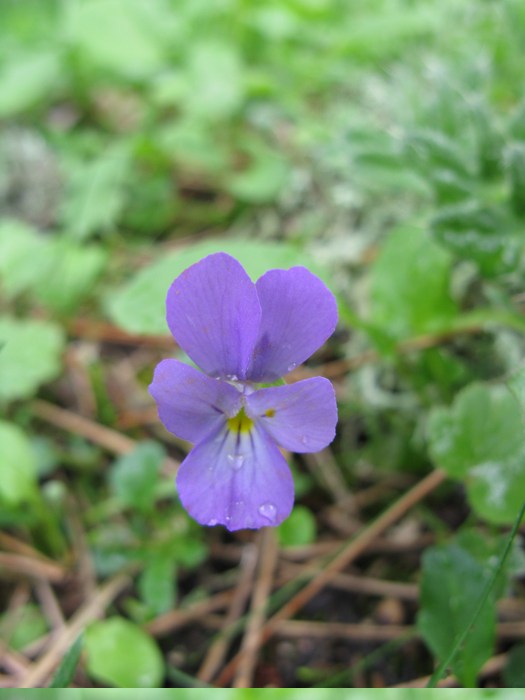
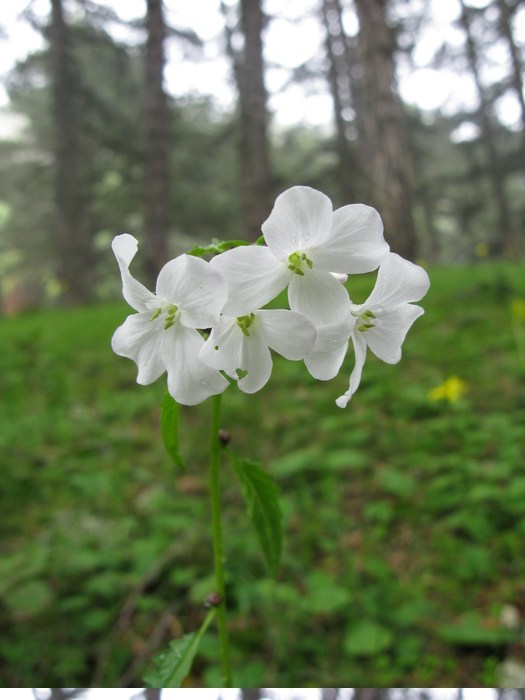
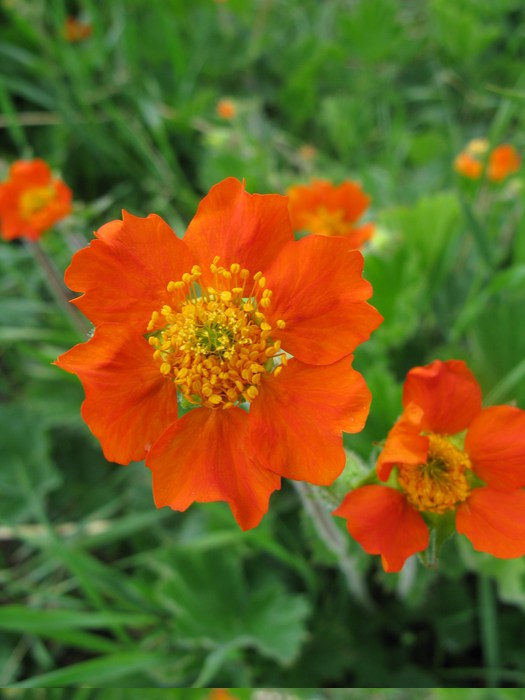
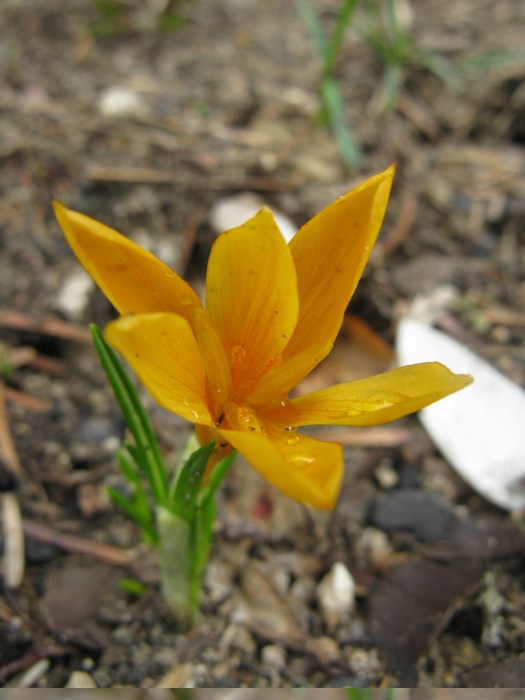
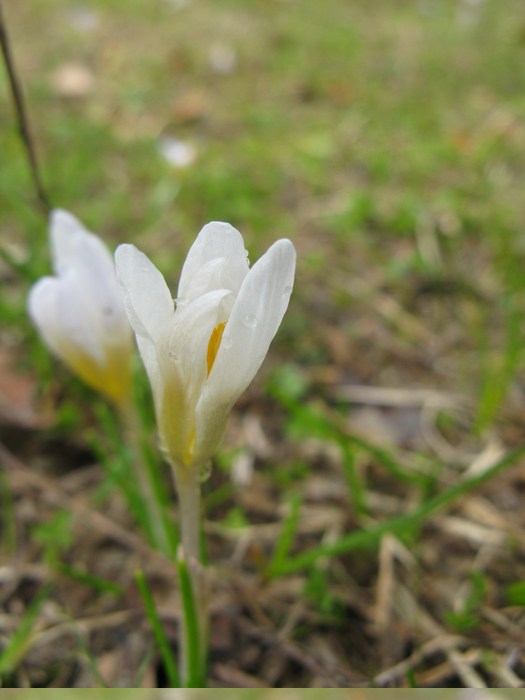
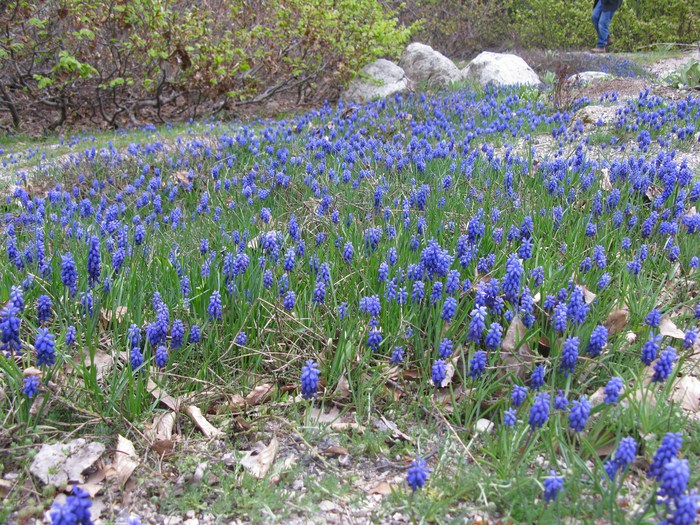
In a similar spirit, J and I went many miles out of our way to take a back road on our journey from Bursa to İznik. I don’t know if wild flowers and wild snails turn you on, but they certainly do me! The forests of Ulu Dağ are splendid, in direct contrast to the ghastly ski resort at the top. If this is Turkey’s premier ski resort it is a bloody disgrace! Getting off the road led to the discovery of thousands of Fritillaria pontica, three different crocus, scilla, great swathes of Muscari latifolium and a
‘you forriners is a rum old lot!’
number of, as yet, unidentified flowers along with one of the finest snails it has been my privilege to meet!
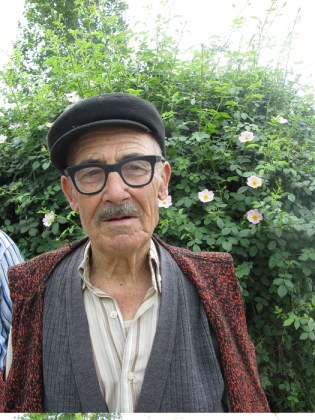
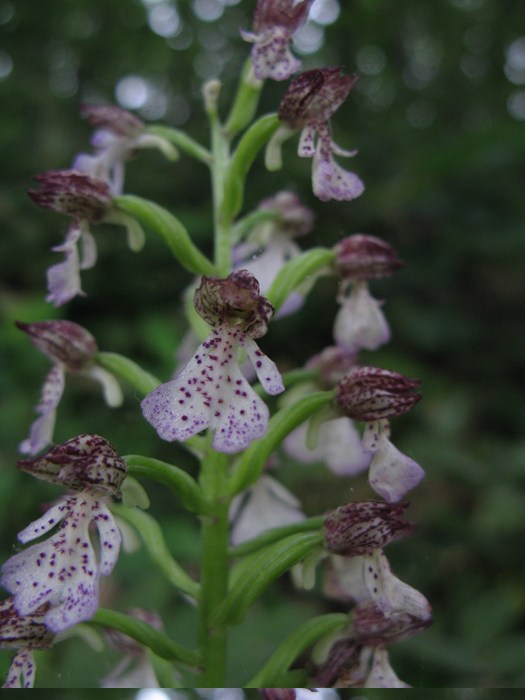
Turning off on to a back road to İznik we drove through countryside festooned with wild dog rose; met an old man, his son and grandson who farm pears and peppers. The old fellow was amazed that I wanted to photograph ‘weeds’ and told his son that foreigners were very odd (or words to that effect). Stopping to find a bush for a pee, led to the discovery of beautiful clumps of Iris germanicus and a solitary Orchis lactea.
Even occasional readers of the twaddle on this blog will know about J and her compost heaps – her passion and love for that which enriches her soil knows no bounds! A few years ago, a professor of horticultural science from our local university suggested that she should accompany him to meetings with local farmers in an attempt to educate them on the benefits of composting. She is also very enthusiastic for the creatures that show their appreciation of her efforts by moving in to the centrally heated, organic warehouses that are her heaps. (these heaps get hot enough to cook in and to prove the point, I did just that by poaching an egg) Huge grubs are proudly displayed; mouse nests are carefully moved and blinking great, fat toads are gently transferred to new homes away from the dangers of her garden fork whenever she sets about the job of moving her ‘pride and joy’ from bin to garden.
a pat in the right place
Now, J and I have been together for a long time – a fact that never ceases to surprise and delight us. Expectations that a hot-house rose from Zambia, or a half pound box of Cadbury’s Milk Tray will be all that is needed to curry a favour or two, have faded as cholesterol and blood pressure pills (together with a red meat, salt and fat free diet) have kicked in. However, with age and experience comes a wily cunning – I know exactly how to woo the lady of my life, and set her Yorkshire heart a flutter. The days of climbing up the vine to her balcony, rose clamped between teeth, may be over, but a pat in the right place at the right time is all it takes!
Rosa damascena – the Rose of Damascus. Surely this has to be one of the most gracious creations of the Earth Goddess – beautiful to behold with a glorious fragrance that has seduced men and the empires of men.
These days it is cultivated and processed on an industrial scale to meet the demand for rose oil and other related products – but it was not always so. Originally a native of Mesopotamia, Persia and India, the essence distilled from this flower was one of the great treasures of the Mogul and Ottoman Empires. In Kazanlak in Bulgaria, the distillation process was refined and perfected; and with the decline and fall of the Ottoman Empire many of the skilled workers made their way to the area around İsparta in Turkey, bringing their craft and tools with them.
Today, the fields around İsparta are a sight and scent to behold at this time of year as the ‘crop’ comes into flower. The rows of flowers drift through shades of pink to red (to reflect market demand) and tradition has it that the rose heads are collected in the hours before sunrise; but I’ve not been around at that time to say one way or the other if that is the case on these ‘factory’ farms.
Anyway, all that is not the point of this post – those interested enough can follow this link to learn more. What this is about is the wild, undomesticated, non-hybridised Rose of Damascus. Various authorities have it that it no longer survives in the wild in its original form. They may be right, with cross-pollination adulterating the genes. But what about in those isolated places where mass production has never taken place – where hybrids are unknown – might such places shelter and nurture some of the original stock? I’d like to think so!
Two years ago, J and I discovered a small, uprooted bush, still showing a few sad, white flowers in what once had been the garden of a now derelict and long-abandoned house at the foot of our local mountains. The area was in the process of being cleared by slash and burn to make way for crops and so we salvaged a couple of bits of root and brought them home. We whispered sweet nothings, planted them up and hoped they would survive.
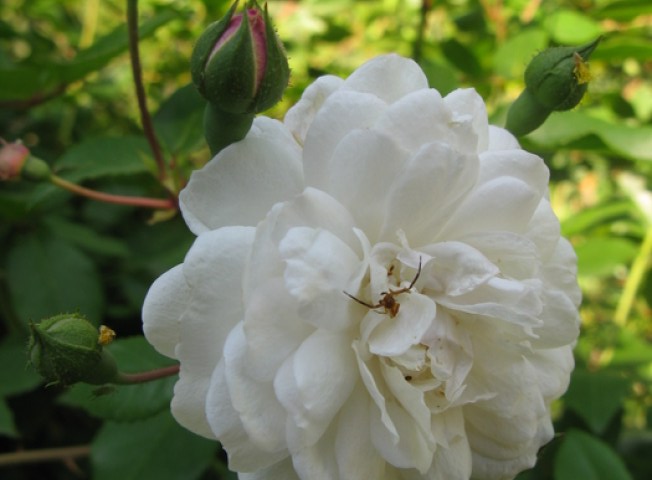
They did and today I took this photo of what I believe to be an original, unadulterated Rosa damascena – the glorious Rose of Damascus.
Rose of Damascus (Rosa damascena)
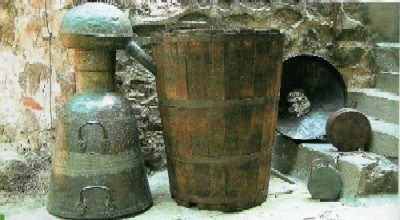
Here are a few interesting, related photos about rose oil.
100 year-old rose oil still Bulgariabeautiful example of a personal stillpreparing the mashrose oil still circa 1885 Turkey
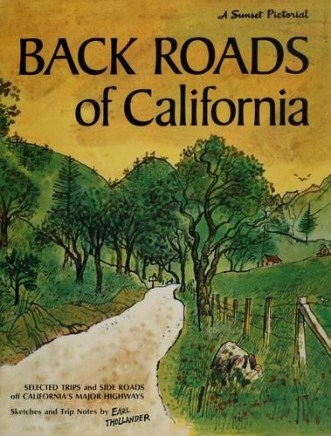
There is another book project simmering in a recess somewhere in the sponge that passes for my brain. It owes its existence to a chance comment (and later prodding) by a blogger friend from the US – she and her artist husband will collaborate to help pull this whole thing together. The inspiration is a classic book about the back roads of California – I sent for a copy and what arrived is a gem printed on hand-made paper.
Our adopted country of Turkey is changing and ‘developing’ at an astonishing rate of knots – dirt trackways get covered by layers of tar and chippings before morphing into four-lane super highways! Finding the quiet, life-enhancing back roads that still yet meander through mountains, valleys and villages, where not much has changed apart from satellite dishes and FIAT tractors, seems like a great idea.
J and I have enjoyed wandering off the beaten track as we explored our new country; we always sought out backways whenever we could. Getting ‘lost’ and discovering great views; pretty, workman-like villages and some wonderful people go hand-in-hand.
back road treats
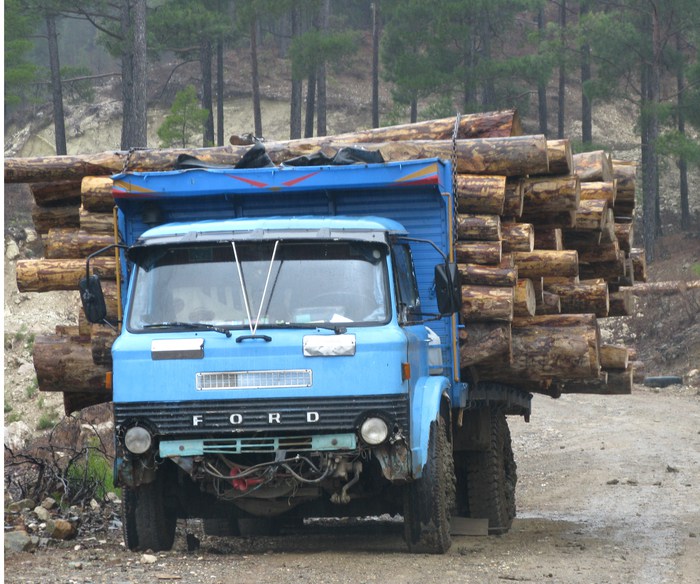
This was how we discovered Karaçam (Black Pine) some years ago. We were following a forest track way up into the mountains behind our local town of Ortaca – it was a wild ride, zig-zagging through the forest, crossing roaring rivers, negotiating rock-falls and sliding through muddy pools. Even then progress was rearing its (often) ugly head as we waited while a bulldozer widened a section of track – asphalt was coming!
With J on a family visit to the US, I decided to revisit Karaçam and then push on northwards through the mountains with the hope of linking up with the main trunk road at the town of Acıpayam. I’d be plotting the route, taking photos and jotting notes for the book project. The weather was not looking promising!
The dirt track used to be pretty good for driving on; since the original trip the road has been ‘improved’ with asphalt and the results are bloody awful with the surface broken and pot-holed. The drive however is as wonderful as ever with fantastic views around every bend. Not long after hitting the mountains the clouds closed in and the rain fell; not so good for photographs but I find something magical about gazing down into cloud shrouded valleys, catching ghost-like glimpses of distant villages.
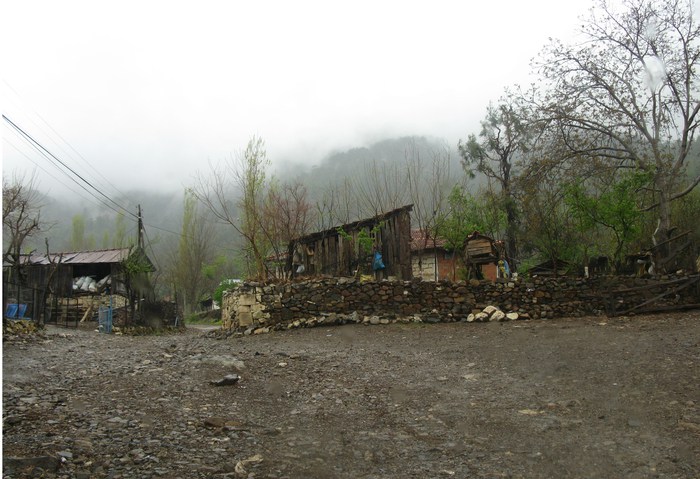
Old Houses – Karaçam
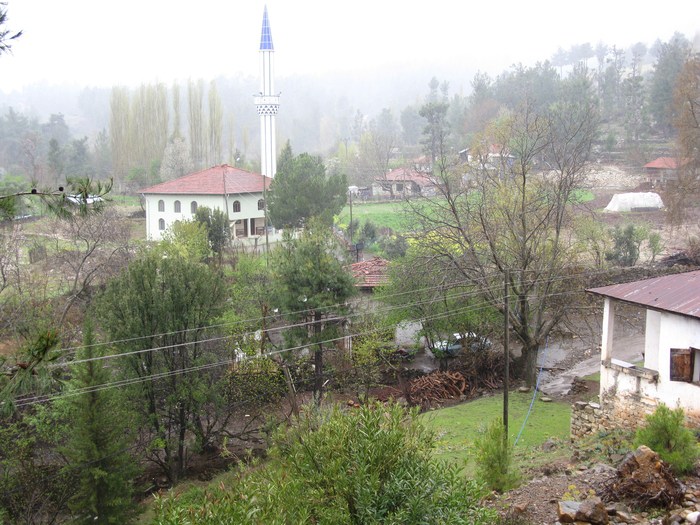
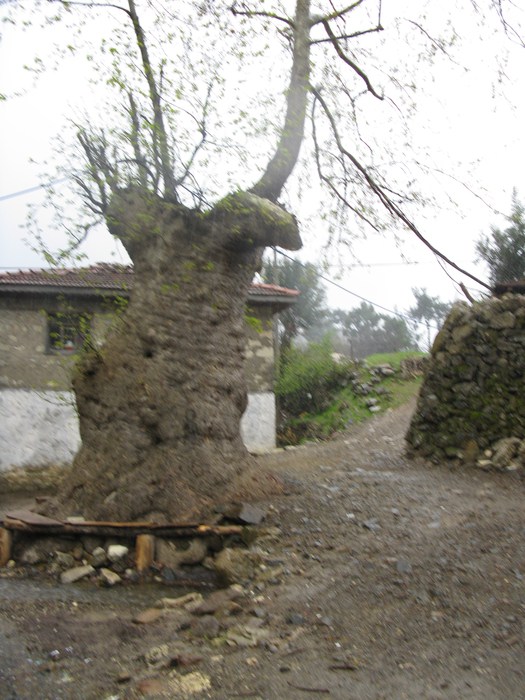
Finding Karaçam was like stumbling across ‘Brigadoon‘ (of the musical fame); the clouds lifted and there it was – unchanged for 50 years – well, since last I was here! A small stream runs near the mosque and there is a wonderful old Çinar (plane tree) with a ramshackle bench. Nearby are village houses that look as if they have been there for ever.
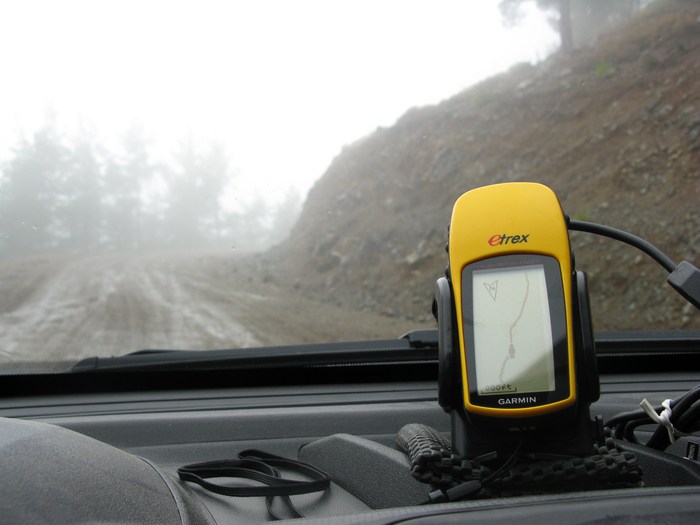
The asphalt ended at the village so it was back to dirt track and mud – bucket loads of mud! Someone had made a couple of signposts – Köyceğiz (where I had come from) 65 kms and Acıpayam 80 kms. Hmm! As good as halfway – Acıpayam here I come! But it was not to be – the track was in a bad state; slippery and dangerous – discretion dictated turning back and trying again another day when conditions are more favorable. Shame really, because my electronic maps say that another 10 kms would get me to villages on the Denizli side of the mountain.
So, will this route make it into ‘The Back Roads of SW Turkey’? Not yet – but maybe it will be fit for purpose by the time we get to the first re-print!
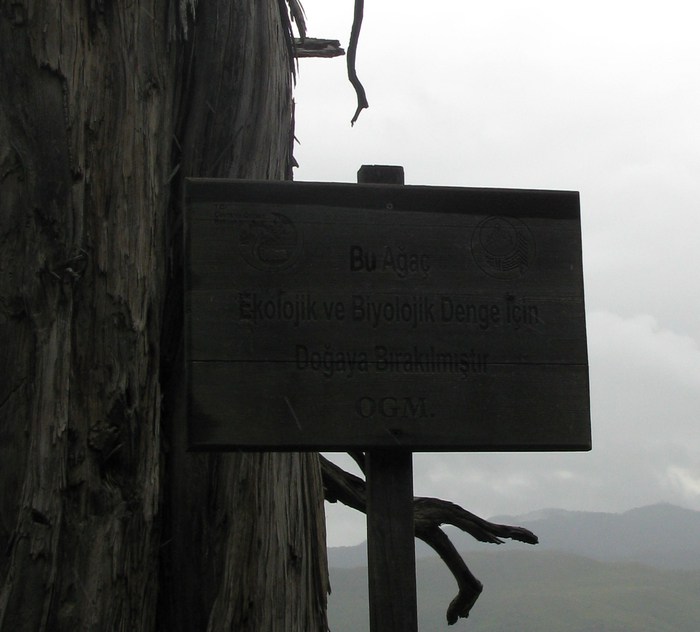
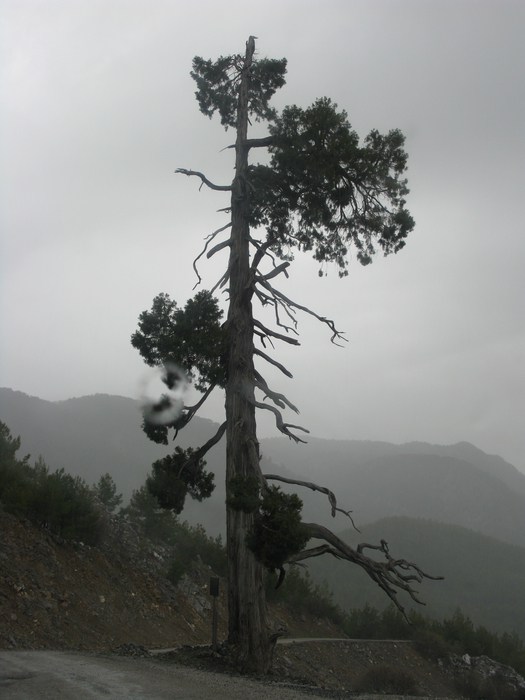
KaraçamBarn – KaraçamOutback driving – be prepared – for anything coming round the bendGPS – praise beHidden places – Alan Mah. Sazak Villagethis ancient tree is protectedat least some things get protectionOld Çinar – Karaçam (lousy pic but it was piddling down)
Alan in Okçular
ps as a footnote since this was posted on Archers way back in April 2012 so many back roads have been ‘upgraded’ that I shelved the project. Great pity as it would have been fun to do and fun for others to use for ‘adventures’.
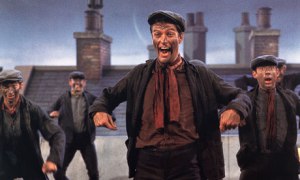
Dick Van Dyke as a ‘Plastic Cockney’ these days he’s pushing up the flue brushes RIP
Last week sometime a friend commented on a post about camels. I’d used the words ‘argy-bargy’ which made perfect sense to me but not, it seems, to this delightful lady from the genteel NE coast of the US. Was it, she wondered, Cockney Rhyming Slang?
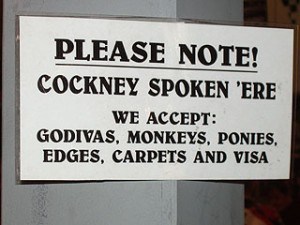
Before I answer that, there’re a few things you should know; I’m no Cockney, Sparrah (Sparrow) or otherwise; Cockney Rhyming Slang is a living and constantly changing language and has no connection with Dick Van Dyke whatsoever other than to say ‘(Get) on yer bike!’ It evolved from the need of the criminal underworld (which would have been half the population of East London – the other half being their mothers, wives and sisters) to communicate in a way that excluded the public in general and the police in particular. In truth I learned what little I know from the periods of time I spent in Boom ‘n’ mizzen (prison). As staff, people; as staff!
Jackson Pollocks to you!
As you can see, rhyming slang is exactly that – a series of syllables or words that roll nicely off the tongue with the end bit rhyming with the substituted word. Here are a couple of examples: Abergavenny = penny. Ferret ‘n’ stoat = frowt (throat). The slang is made more difficult for the uninitiated to understand in some instances by excluding the rhyming bit as in ‘I need to get sumfink fur me ferret, it’s really sore.’ It can also get extremely obtuse and decidedly un-rhyming, as is the case with the currently very topical Germolene = anti-American. As in ‘I ain’t Germolene, but that Obama bloke gives me the ravin’ ‘ump!’ The connection here is that Germolene is an anti-septic . . you can work the rest out.
Cockney like wot she is spoke!
If you fancy pretending to be a Cockney I suggest you learn to say the following correctly – ‘Furty fowsan fevvers on a frushes frowt!’ Dick Van Dyke didn’t and he made a lousy Cockney!
So, is ‘argy-bargy’ rhyming slang? Well, it could be in some places, but not within the sound of Bow Bells (bells of the church of St Mary-le-Bow, Cheapside, East London).
Writing this got me to thinking about some of the roll-off-the-tongue words that I like here in Turkey. How about ‘Pırıl Pırıl’, (gleaming; spick and span), or ‘Falan falan!’ (Blah-blah-blah!). I love this one, ‘Şöyle Böyle’ sounds like ‘Shirley Burly’ (So-so). Turks being Turks they never fail to do the polite thing and ask how you are. ‘Bomba gibi!’ (Like a bomb!) is my usual response which brings on plenty of smiles; my absolute favourite, however, when asked how I am, is this: ‘Hiç güve sindin hallice!’ (Hich gooveh sinden halijuh), which translates, locally anyway, to ‘Better than the man who has to live with his in-laws!’ This has them rolling in the aisles, although the ‘Istanbul Turkish’ usually start scratching their heads.
Alan in Okçular
ps for those interested there is a great website for Cockney Rhyming Slang here, and an enjoyable educational video for those with some ‘Arry Lime on their ‘ands.
‘The sexual life of the camel, Is stranger than anyone thinks.
One night in a moment of passion, He tried to deflower the Sphinx!
Now, the Sphinx’s posterior anatomy Is covered with sand from the Nile.
Which accounts for the ‘ump on the camel, And the Sphinx’s inscrutable smile!’
Anon
(a photo extravaganza first posted on Archers of Okçular 26.3.2012)
a magnificent bull in rut
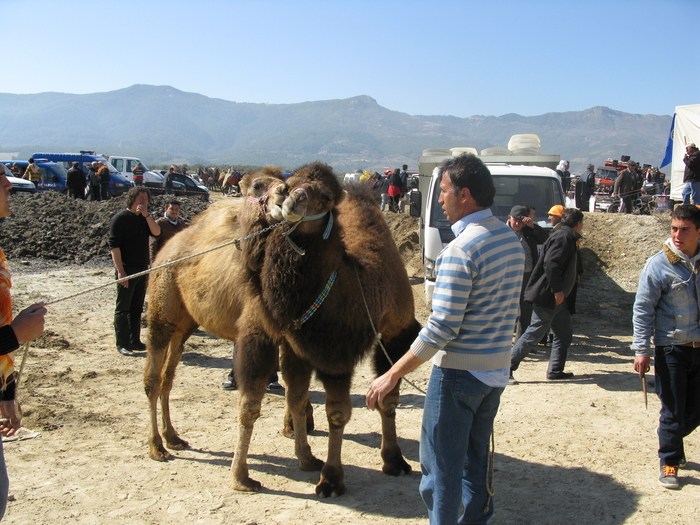
J and I have had much to ‘get the ‘ump’ about of late. Those who follow these rambling wanderings through time, space and reality will know of the quarry that has been opened next door to our home. Anyway, to escape the noise, dust and mud that kicks off our days at 6.30 every single morning, we decided to have a few days away at a spa and take in some Camel Wrestling as well.
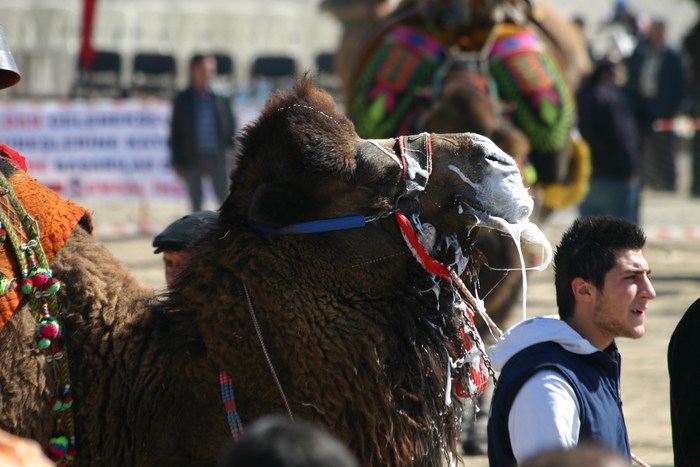
For those of you worried about blood sport or cruelty, let me reassure you that I’ve attended many a bout in my years in Turkey and I’ve never seen a camel hurt or in any way disturbed by the presence of the noisy audience. The animals are focussed on just one thing – being top-dog in the hierarchical world of bull camels at a time of year when the ladies are feeling receptive.
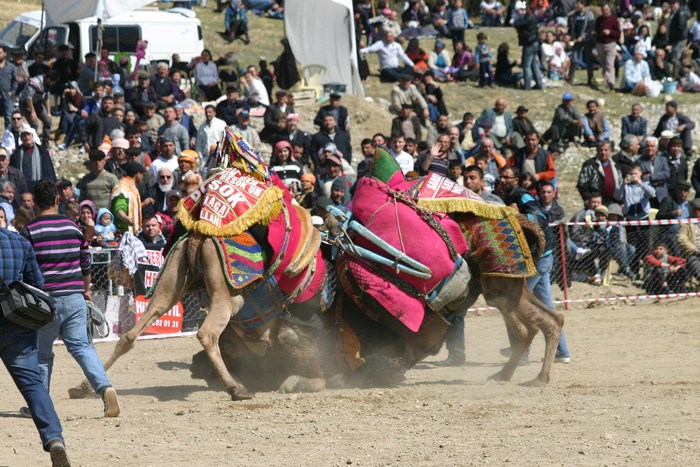
a bit of argy-bargy
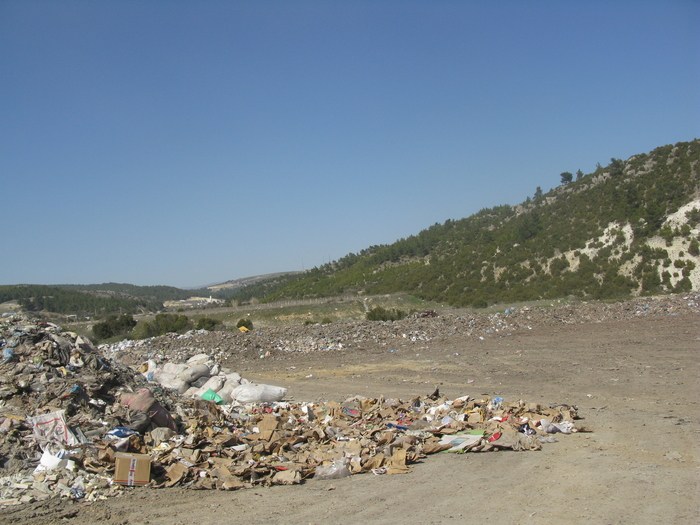
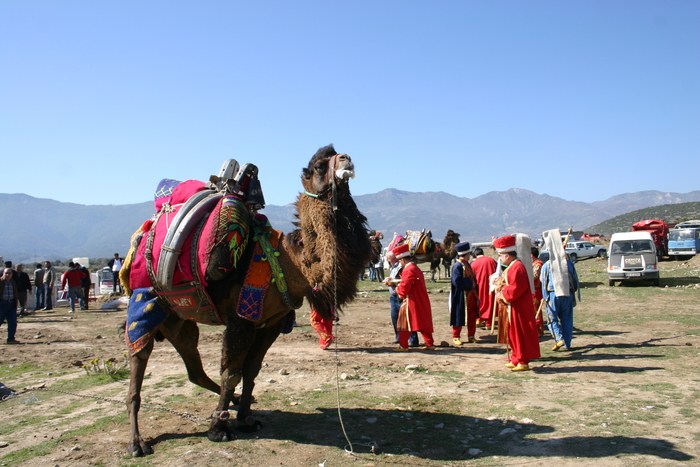
To set the scene, you need to know that camel wrestling is not a touristy thing; it takes place over the winter months when the females are in season. With the steady expansion of winter tourism and with many more foreign residents around these days, venues near these centres now see a lot more ‘yabancı’ (foreigners) than used to be the case. For this reason, J and I prefer to frequent those places that are less ‘polished’ and less concerned about the image they are projecting. Rejecting the concrete safety fences of Selçuk for the chicken wire of Yatağan or Nazilli or Buldan suits us fine. Some of these venues are just a cleared area of forestry land, or an open space in the middle of a derelict works area, or, as was the case at Buldan where this post is set, a space in the middle of a quarry that was accessed through the town rubbish tip!
Welcome to Buldan’s Camel Wrestling Arena
As we drove through the mounds of rubbish and dust we did wonder if the sign pointing us this way might not have been turned around as a prank. Our doubts soon evaporated as we joined the back of a queue to get our tickets from the Zabita (municipal police) – it was mayhem as drivers behind tried to pass on both sides on a track wide enough for one. We handed over 15 lira and got our ticket to admit one car and as many people as could jam themselves inside; pretty good value for a family day out. We drove forward just a couple of metres where we were again stopped by the Zabita who demanded our ticket, tore it into bits, chucked it with the rest of the rubbish and waved us through! Burası Türkiye! This isTurkey!
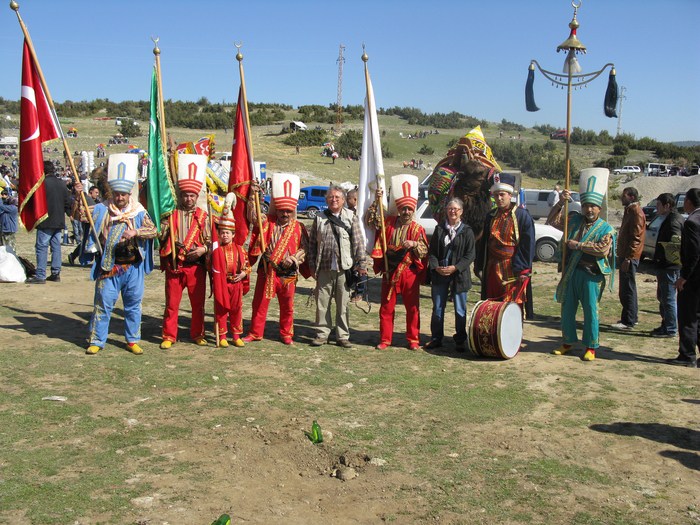
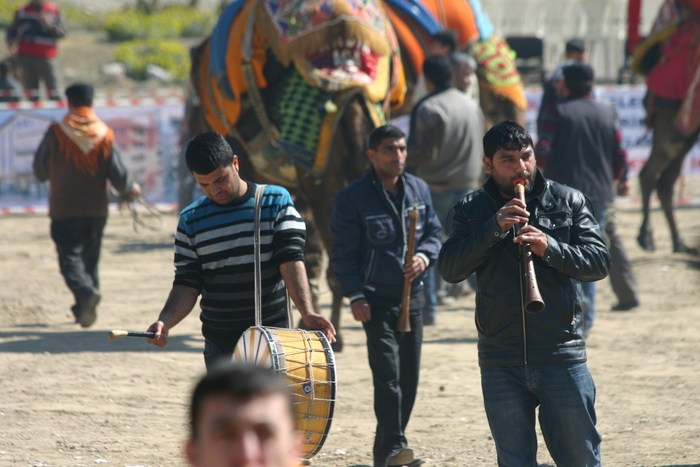
Being obvious foreigners, we drew a lot of polite interest and we were soon adopted by the members of an Ottoman Marching Band; photos were taken, cards exchanged and we now find that we are to be their honoured guests whenever we are in Denizli.
honorary members of the Denizli Fatih Mehteri – Ottoman Marching Band
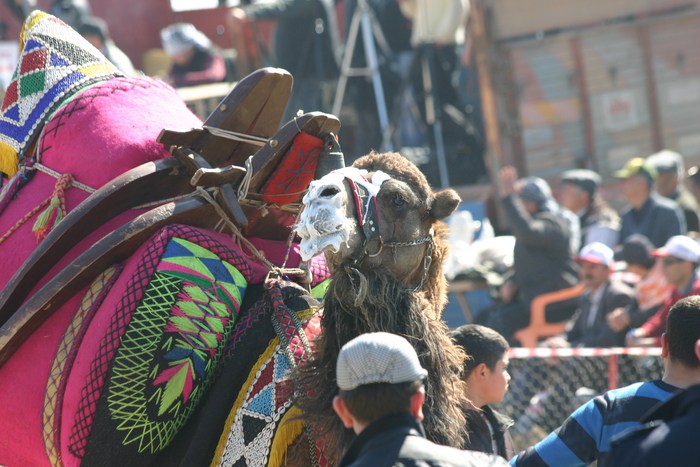
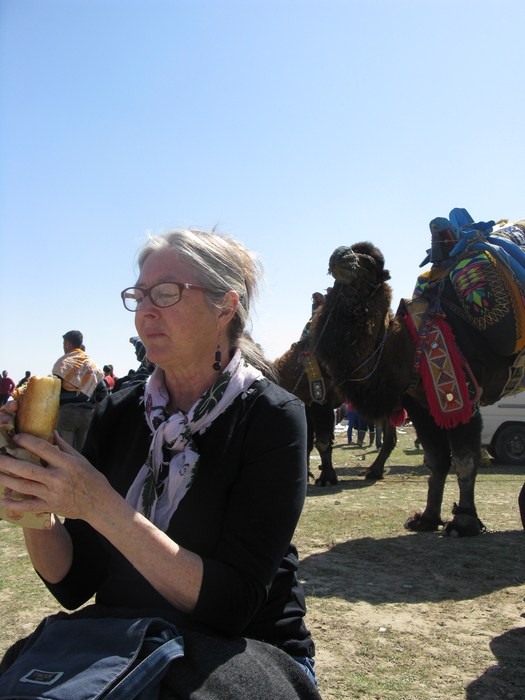
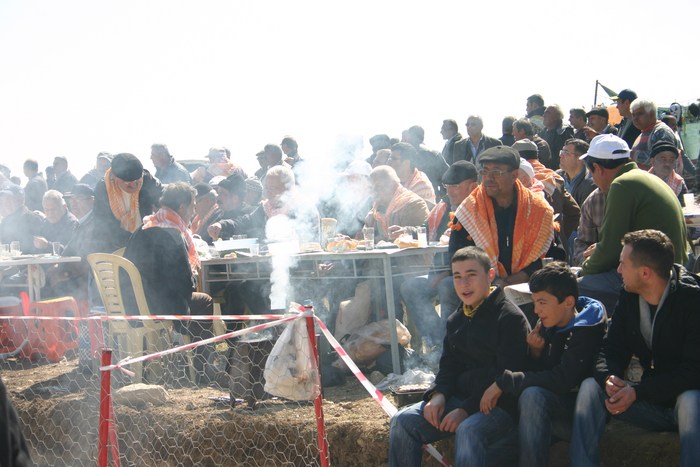
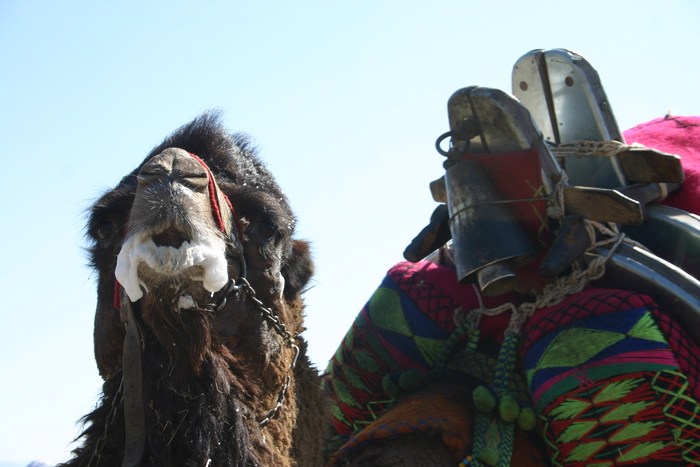
For those who have never experienced an event like this, it can best be described as a total assault on the senses. There are the sounds and sights and smells that emanate from thousands of people talking, drinking and cooking; there are tea vendors, candy-floss and balloon sellers; sausage makers, video sellers and those cooking meatballs and sausages on huge ‘barbies’; there are wandering bands of traditional folk musicians and the over-loud public address system. In the case of Buldan, there were the colourful uniforms of the Denizli Fatih Mehteri (Ottoman Marching Band), and then, of course, there are the stars of the show, the bull camels, decked out in all their finery; foaming and slobbering at the mouth and pumping out bucket loads of testosterone induced pheromones! The overall effect on the sensibilities of the new visitor is incredible – J and I have been attending these things for a while now and we still get a huge buzz. If you love spectacle and you love people-watching, you won’t find a better combination anywhere.
when leading your rutting bull a hoodie is not a good idea
It is worth remembering that the bulls are behaving as they would ‘in the wild’ where the instinct to gather as many females together as they can by seeing-off any likely competitor is so powerful that everything else pales into insignificance. To avoid any possible injury to these valuable beasts as they compete, they have a cord tied around their jaws to prevent biting.
camel wrestling – the take-down ‘Come on ref!’
The contests between bulls amounts to a great deal of pushing and shoving with attempts to topple the opponent by wrapping a head and neck around his front legs. Some bouts are over quickly, others are called out of time by the judges – sometimes one of the beasts will take off for the hills and, chicken wire fences being no impediment, they end up scattering chairs, picnics and people! For me, some of the funniest moments come when two bulls, locked together and oblivious to anything around, end up by the fences – off come the spectators’ hats, up come the plastic chairs and there follows a totally ineffectual pantomime performance as the crowd tries to shoo the animals away. The wise would simply leave their place by the fence, but then they’d be giving up a prime spot and you know what Turks are like in a queue!
deve sucuk – camel sausage ‘sarny’
In the end there will usually be a winner with one animal being ‘pinned down’; a judge blows a whistle and two teams of ten to a dozen men move in, get a rope around each bull and then proceed to pull them apart – no easy task. In the end the beasts are separated and immediately begin to act like perfectly behaved gentlemen, showing no interest in any more brawling.
folk musicians wander and play to the crowds
Buldan proved to be one of the very best venues we’ve been to – once through the rubbish tip, the atmosphere was brilliant – from here on the photos can do the talking. Back at our spa hotel we were able to have a nice long soak in the hot mineral waters and replace the smell of meatballs and rutting camels with the whiff of sulphur from the bowels of the earth – Sheer Bliss!
to the victor the spoilstwo young ladies wondering what all the fuss is aboutI say, that’s my cousin you’re eating!making a day of it – Turkish stylea most superior beaststanding proud. . getting out was harder than getting in!
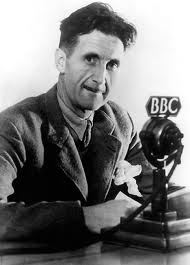
Great men and disproportionately fewer great women are defined and refined for us by those whom we deem to be worthy of lording it over us every four or five years. They stand upon manifestos that promise much but deliver little. What they do deliver, but never talk about beforehand, is war or conflict, reduced public services, cronyism, personal enrichment, self aggrandisement and the ability to write or rewrite history. “He who controls the present controls the past. He who controls the past controls the future!”as Orwell memorably wrote.
So, the history books of our nation states are filled with tales of daring-do by champions of our establishment class; pages are given over to the wisdom and fortitude during times of conflict of our political leaders. Conflict usually brought about by the arrogance, greed, lust for more power or ineptitude of these self-same leaders. Pages are dedicated to politicians and generals who, by and large, seldom or never come within range of an armed enemy. In contrast, “the poor, bloody infantry” get a line or two when mention of casualties is glossed over. Churchill stayed in London during the blitz, a political decision, to boost morale in the civil population but was in a hole so deep under the Admiralty as to warrant honorary membership of the National Union of Miners, a group he had once turned armed troops upon for daring to defy the Establishment. Yet he, along with others like him, are perceived by many to be great.
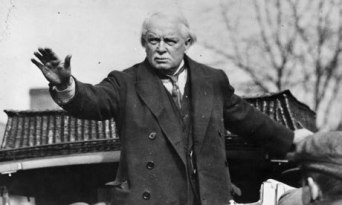
David Lloyd George the ‘Welsh Wizard’
David Lloyd George – the “Welsh Wizard”, so named for his fine oratory and political acumen, but despised by political friend and foe alike for his deceit and cunning. He became Prime Minister in 1916 having schemed the downfall of his then Liberal Party leader and Prime Minister Lord Asquith.
At the conclusion of The Great War, in opposition to former allies the US, France and Italy, he set about the punishment of what he referred to as the “deplorable Turks” by the dismemberment of Turkey and what remained of the former Ottoman Empire whilst at the same time serving Britain’s imperial aims in the region. Part of his strategy was to encourage then Greek Prime Minister Venizelos, whom Lloyd George considered “the greatest statesman Greece had thrown up since Pericles”, to attack mainland Turkey and establish a Greater Hellene Empire. In the event his strategy failed; thousands died needlessly on both sides of the conflict, animosity simmers between Greece and Turkey to this day and with the exchange of populations in 1926 formerly mixed and peaceful communities were torn apart, friends were made into strangers and enemies.
Within days of the signing of the articles of agreement between Turkey and the British, French and Italians for full withdrawal of troops (the French and Italians were long-gone and the Greeks were defeated), Lloyd George resigned, forced out by colleagues who “[could] not afford to keep him anymore. He is too expensive.” The legacy of David Lloyd George is one of death and destruction, of double-dealing and strategic failure. And yet the casual reader of history would see him writ large as a statesman and master politician. There is page after page in the “official” history books and biographies and even a parody of a repetitious song.
(I am indebted to long-term resident of Kaya, John Laughland for much of the following information contained in his moving tribute-cum-obituary).
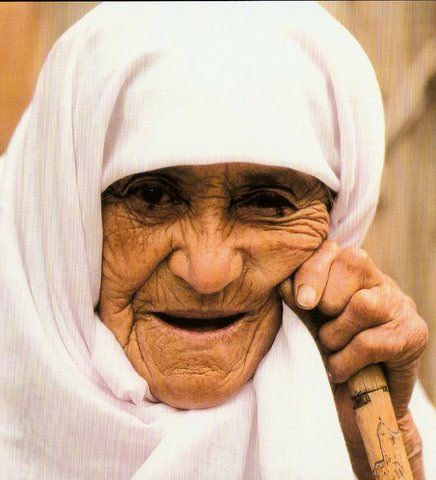
Ayşenine – Granny Ayşe of Kaya
Compare this with the story of Ayse (pron. Aysher) of Kaya village near Fethiye in SW Turkey. She died on 20th March 2009, in Izmir, aged around 104, although records and registrations in those days were not punctiliously kept. As she grew older she became known as Aysenine “Granny Ayse”and she was greatly loved by those who knew her. All of her life was spent in the Kaya valley until about five years ago when infirmity dictated that she move from her tumbledown house to the care of her family in Izmir. When she married she moved from one area of this small valley to another and knew little of the world outside. Hers was the life of a village smallholder, working to provide for her family and herself. Some would say she led an unremarkable life of little note or consequence and yet her face has featured in a book that records “Fethiye Faces and Places” by Turkish photographer Faruk Akbas, poems have been inspired by her words and two renowned authors, Jeremy Seal (in Santa; A Life) and Louis de Bernieres (in Birds Without Wings) have written about her and her life and you might ask why. (de Bernieres is presently working on a screenplay for “Birds Without Wings”)
Kaya Village as it is today
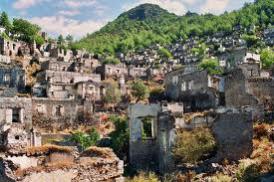
Ayse lived through and dealt with the consequences of David Lloyd George’s arrogance and perfidy; she was about seventeen years old when the exchange of populations took place. When asked of her memory of those awful times, when friends and neighbours were torn apart, she responded “The cats were crying.” There were some 500 houses in what is now known as Kaya village, formerly Levissi, which remain empty to this day, and it’s probable that hundreds of cats in need of food were left behind. Ayse kept in trust the wedding chest of her Greek childhood friend Maria in the belief that one day they would be reunited and it could be returned. Her integrity, honesty and trust, her faith in her fellow human beings are in direct contrast to the murderous contempt for the lives of others that is the legacy of Lloyd George.
Those who knew Granny Ayse remember her golden personality and sparkling wit that made her a pleasure to be around. Popular history through photos, poems, books and films will record her real greatness as a starring member of the human race; someone who contributed to the well of human kindness and left the world a better place for having lived. David Lloyd George on the other hand is remembered as a cunning bombast with the blood of thousands on his hands, a failure who contributed nothing of value. He may feature in the “official” histories bathing in perceived greatness but Ayse lives on in the hearts and memories of so many because she contributed so much and represented the true nature of humanity.
Seldom do “histories” reflect reality; in the US there lives a species known as Political Historian whose job it is to address the problems that actual recorded facts cause to the established ruling elite. No doubt they thrive in most other nation states in one guise or another drip-feeding us and our kids via schools and the media with their perceived version of reality. NEWSPEAK is alive and well all over the world. As memories of recent events fade the Political Historians will wave their wands and Bush, Blair and now Obama et al will transmogrify into great leaders who saved civilisation yet again from the barbarians. Records go missing, new facts are created and repeated over and over in the spirit of Dr Goebels and the Ministry of Truth. History, as we know it is a lie, digging out and speaking the truth is the foundation for the future.
(this article was first published a number of years ago in the Socialist Standard and posted on Archers of Okcular 18.3.2012)
Way back in the mists of time and memory, when J and I used to visit Turkey for work as well as pleasure, I was drawn to the number of buses and trucks (and even the occasional car) that sported either ‘Maşallah’ or ‘Allah Korusun’. Wherever we travelled in this vast country there they’d be – plastered across the cabs or tailboards of trucks; above the back windows of coaches and dolmuş (shared mini-bus). It might have said ‘Kamıl Koç’ or ‘Pamukkale’ or ‘Maersk Shipping’ along the sides of these vehicles, but there was obviously a common denominator binding them into a couple of huge, national conglomerates. And why not? After all, back then, with much of the economy nationalised and centralised, there wasn’t the variety of big companies you see today. Tekel supplied booze and tobacco and Petrol Ofisi supplied fuel – that was it!
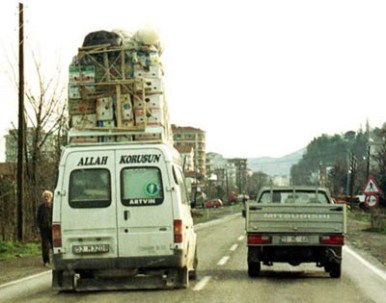
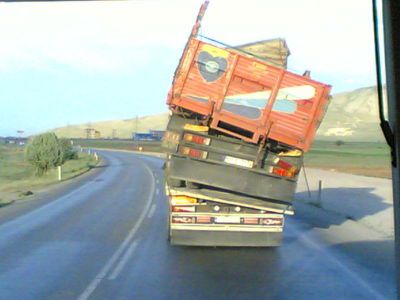
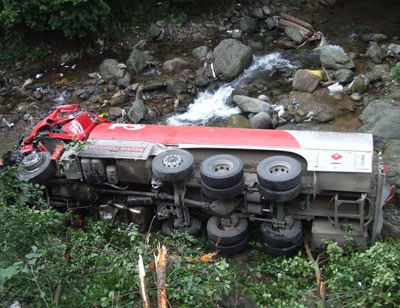
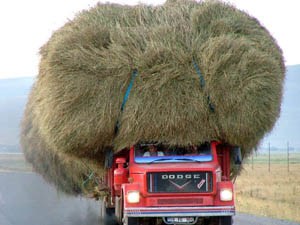
Allah Korusun in KastamonuAllah Korusun in Artvin (minibus is doing the overtaking)
It was years before I realised that ‘Maşallah’ and ‘Allah Korusun’ were not a couple of huge, nationalised logistics companies but rather a philosophical observation on the insanity of venturing out onto Turkey’s murderous roads in the company of penilely challenged, existentially oblivious male drivers.
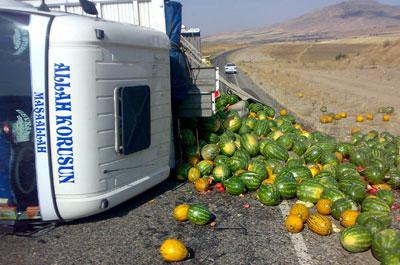
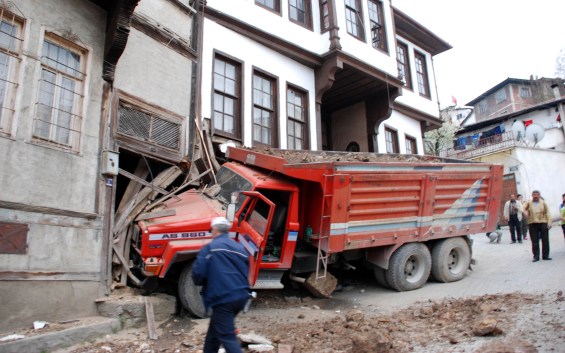
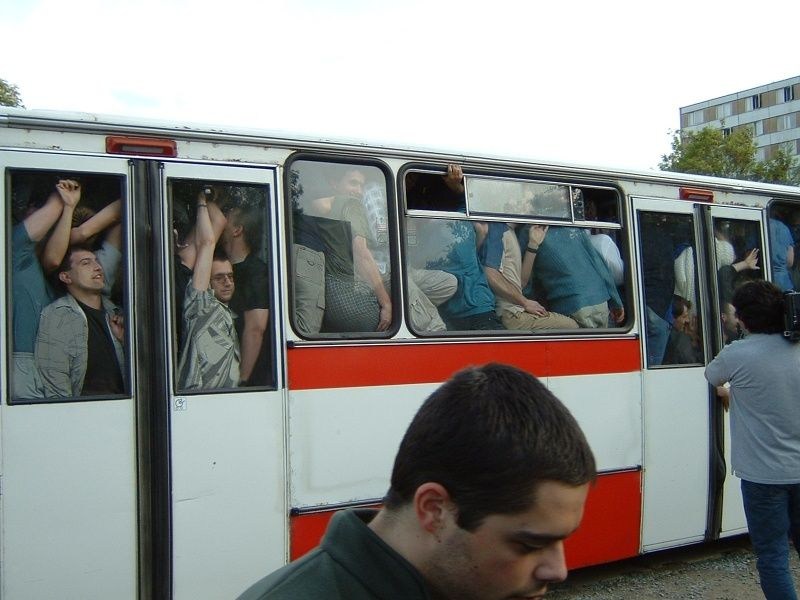
Here are a few examples where the gods did not ‘korusun’; and some fine examples where ‘Maşallah!’ is the only appropriate response.
‘Maşallah’ (variously interpreted as ‘My God!’, ‘Wonderful!’, or ‘I can’t believe what I’m seeing/hearing!’ etc) and ‘Allah Korusun’ (God Protects – or not).
Petrol Ofisi Allah korusunAllah Korusun in Kars – why make 3 trips .Dolmuş – stuffed bus Maşallah!
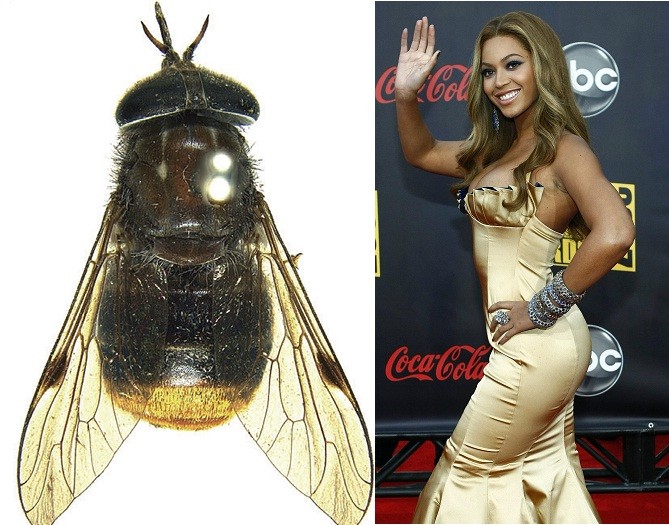
. . and finally, because when I used this picture in a post about the newly named ‘Bayonce Fly’ from Australia, it generated a staggering number of ‘Maşallah, Maşallahs!’ from Turkish fans who did not appear to share my interest in entomology (I have no records for English or Strine speakers).
Scaptia beyonceae is a species of horse fly with a golden butt-end found in the Atherton Tablelands in north-east Queensland, Australia and Bayonce a species of singer with a golden . .
J and I ramble about quite a lot – we ramble up and down mountains – we ramble up and down backways and trackways – sometimes we ramble in circles whilst rambling up and down. Rambling is fun! It is also intriguing!
(first posted on Archers of Okçular 12.2.2012)
Let me explain; in 15 years of wandering around this beautiful country of Turkey we have come across countless examples of that which intrigues us. We have found what intrigues us near habitation and we have found examples to intrigue us miles from any habitation. We’ve found them near rivers and ruins; near pathways and fields; we’ve even found them on the tops of snowy mountains! In fact, hand on heart, I can’t think of a single ramble where we have not found at least one of them and we really are intrigued by this phenomenon.
Now, behind the impatient tutting I’m hearing from you, and the ‘Oh! For gawd’s sake will you get to the point!’ mutterings under your breath – you have to admit that you’re intrigued, too. So I’ll reveal this intriguing mystery in the hopes that someone out there can give me the answer or reason ‘why?’
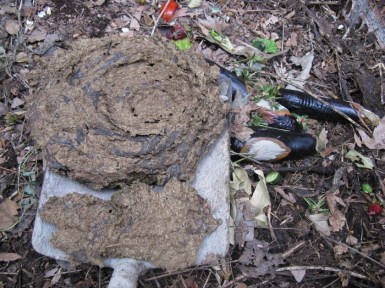
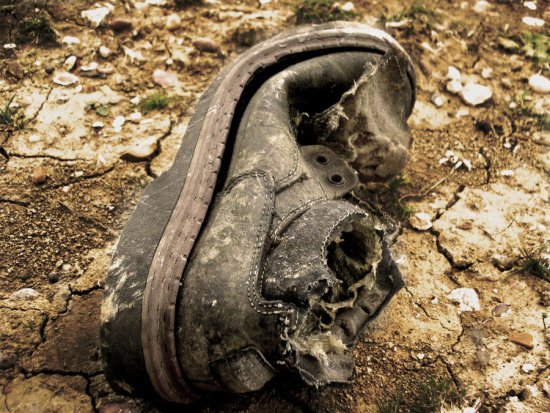
Shoes!
Not shoes as in pairs of shoes – there are never pairs of shoes – just shoes! Wherever we go we find single shoes lying abandoned; often in the most unlikely places. Has anyone else seen this strange manifestation? I mean, it can’t be just us, can it?
Actually, there is a double intrigue here; first the abandoned shoes all over the place; and then there’s the question that I keep asking myself, I even wake up at night asking myself this question – ‘Didn’t they notice?’ I mean, there they are, half way up or down a rocky, thorny mountainside and the fact that a shoe has gone missing from their foot has completely passed them by! If a horse loses a shoe it pretty soon lets you know; if I lose a shoe I’m hopping about on one foot right away! Yet there are thousands of Turks out there who get back home from doing whatever it is they were doing, go to kick off their shoes and . . . ‘Allah hallah! İnanılmaz!’ (‘My God!’ they say, ‘Unbelievable!’) And I’m intrigued!







 There is another book project simmering in a recess somewhere in the sponge that passes for my brain. It owes its existence to a chance comment (and later prodding) by a blogger friend from the US – she and her artist husband will collaborate to help pull this whole thing together. The inspiration is a classic book about the back roads of California – I sent for a copy and what arrived is a gem printed on hand-made paper.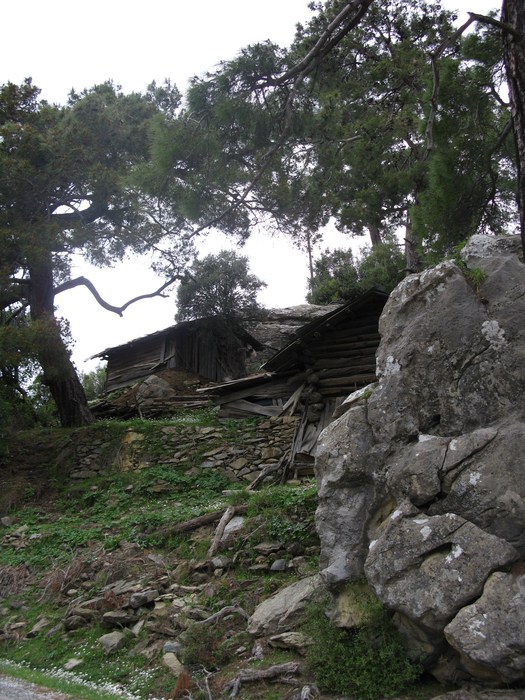







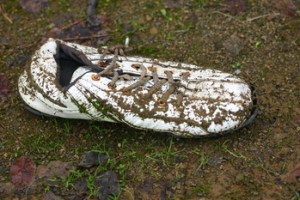 Not shoes as in pairs of shoes – there are never pairs of shoes – just shoes! Wherever we go we find single shoes lying abandoned; often in the most unlikely places. Has anyone else seen this strange manifestation? I mean, it can’t be just us, can it?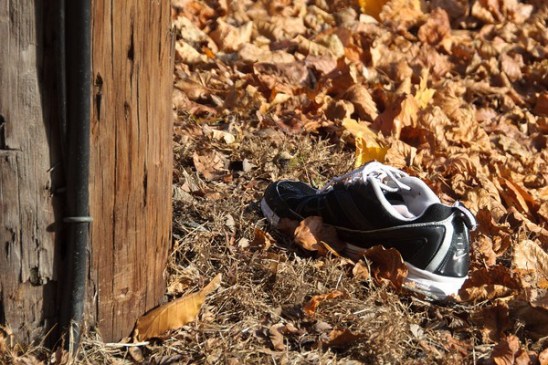
 Bof's Blog