
So, here we have it – the finale to this wonderful, enlightening trip. Salvaged from Archers of Okcular and originally posted February 2013.
Our last port of call on this ‘mystical’ tour is to the Çarşı or Marketplace Mosque in the village of Yazır Köyü some 14 kms SE of Acıpayam just a few kilometres off the D585 Denizli-Antalya road. There are family links through marriage between Acıpayam and my own village of Okçular. The town lies more than 150kms over the mountains at the far end of the track used for centuries by nomadic herders to move their animals from Denizli to winter pastures around here.
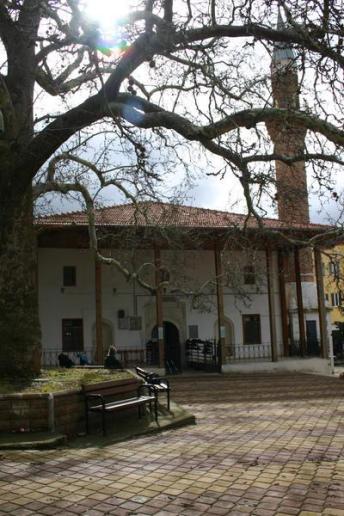
J and I arrived at the mosque shortly before midday prayers and there was time to sit under the magnificent plane tree and admire the proportions of this substantial, stone-built mosque. In fairly short order J was ‘discovered’ by one of the village ladies and whisked off to the quilting course being run nearby, which left me to drink tea and mumble and nod with the locals at the kahvehane.
Çarşı Camii is a fully functioning and very well attended mosque. With namaz over we were introduced to the imam who, as with every other place we visited, was delighted by our interest and very pleased to show us around and explain some of the history.
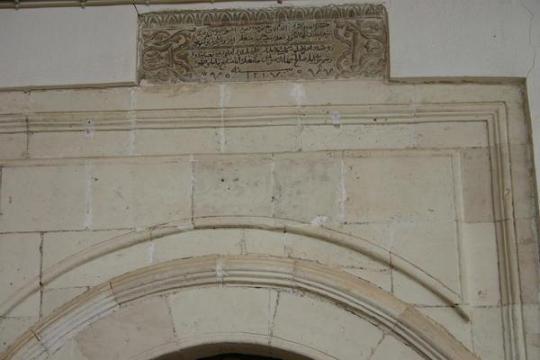
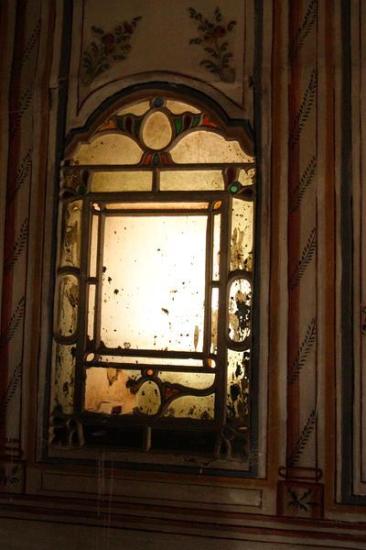
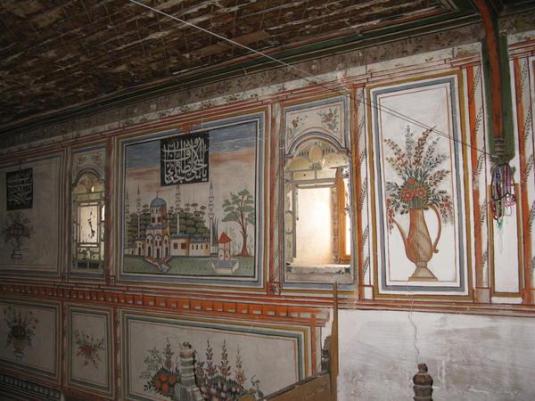
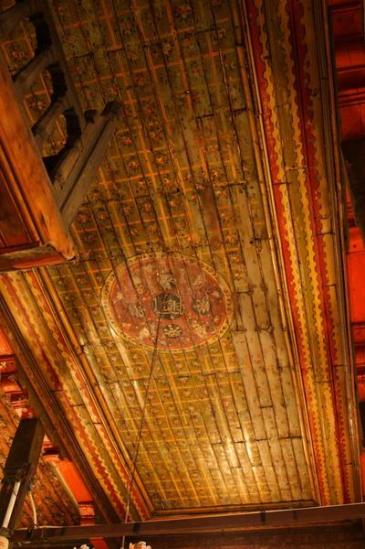
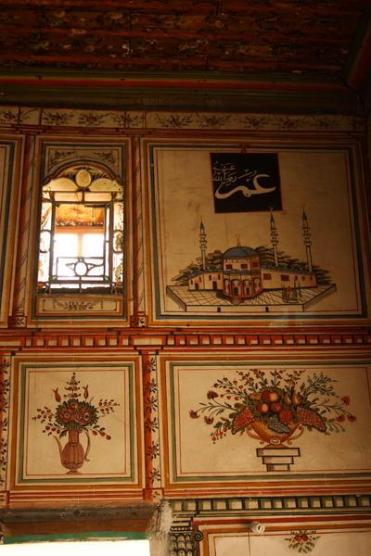
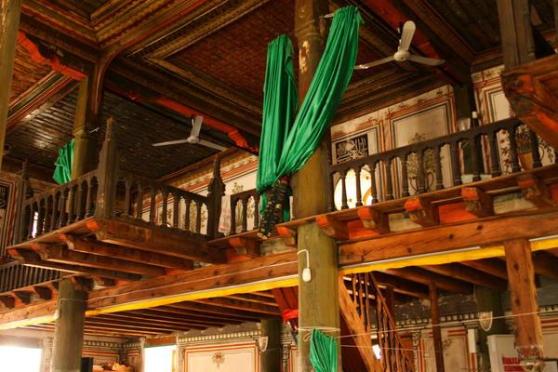
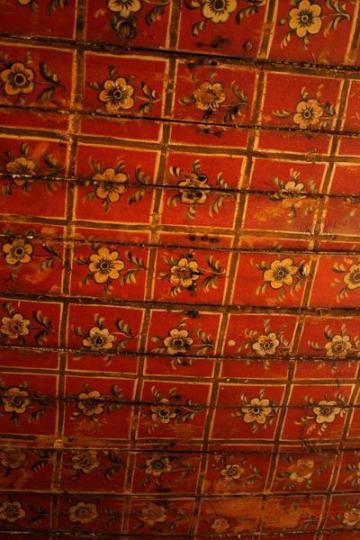
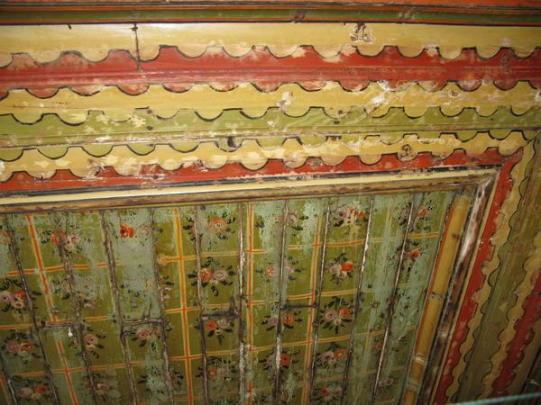
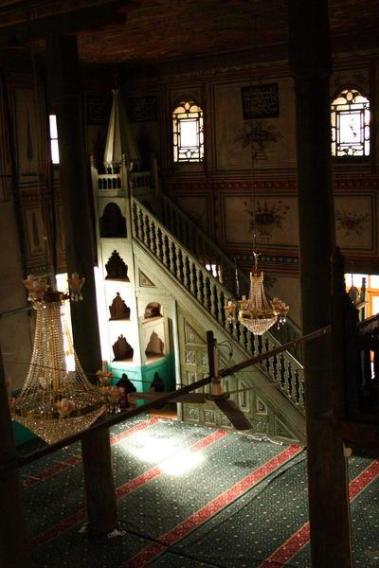
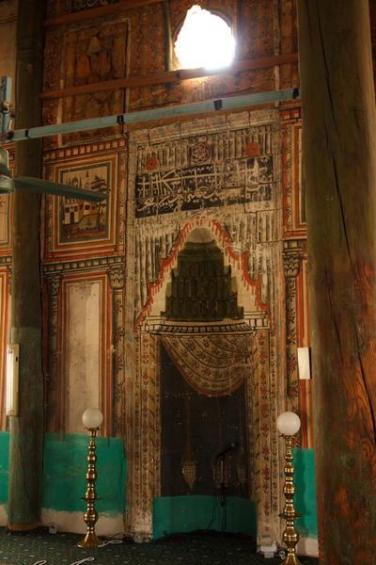
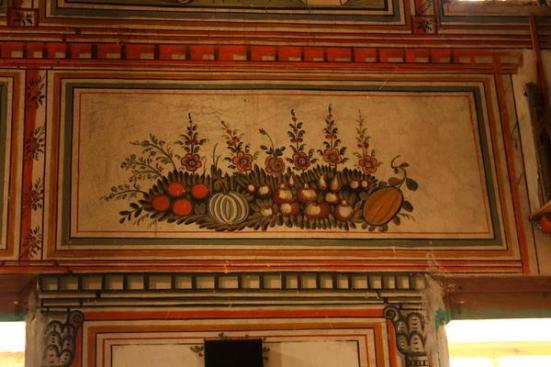
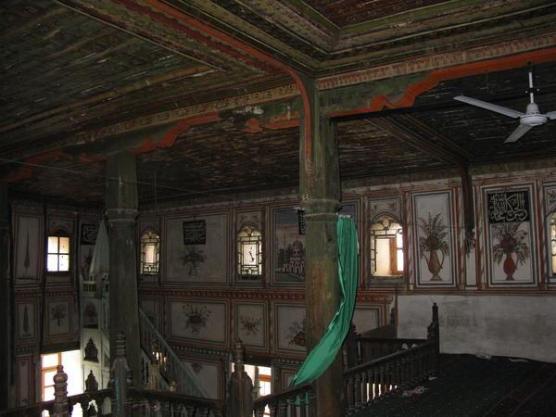
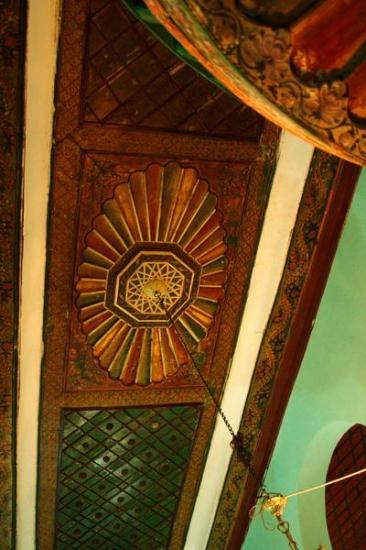
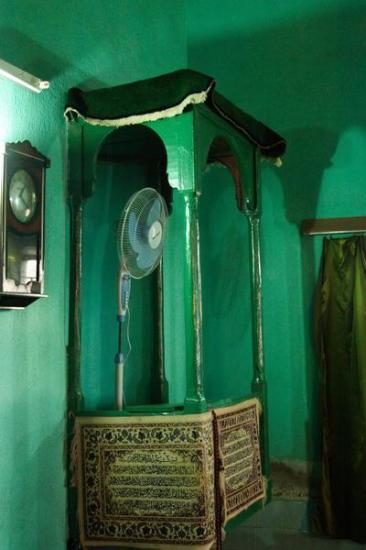
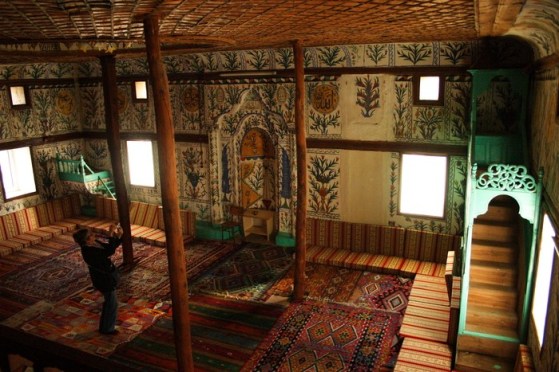
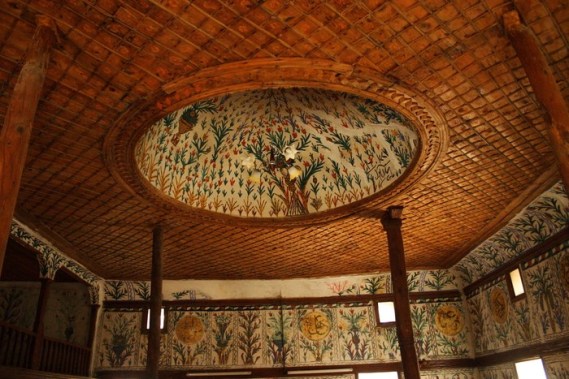
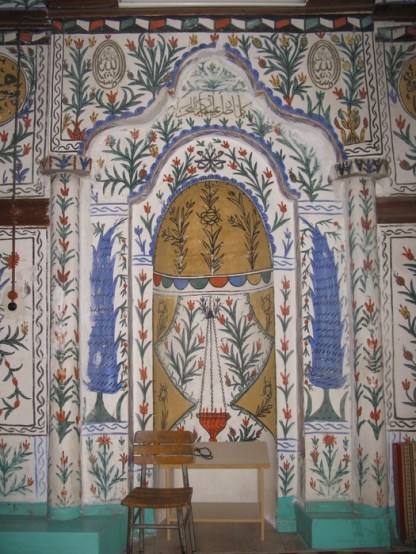
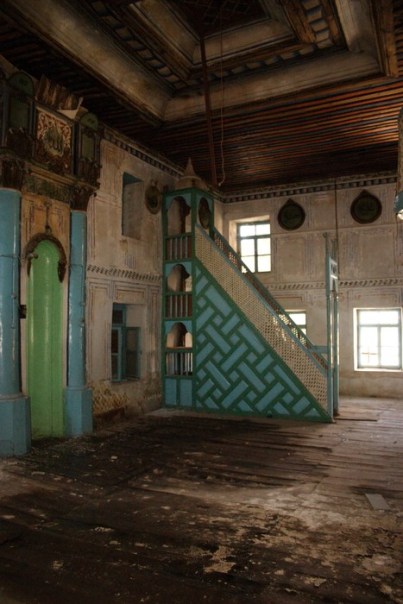
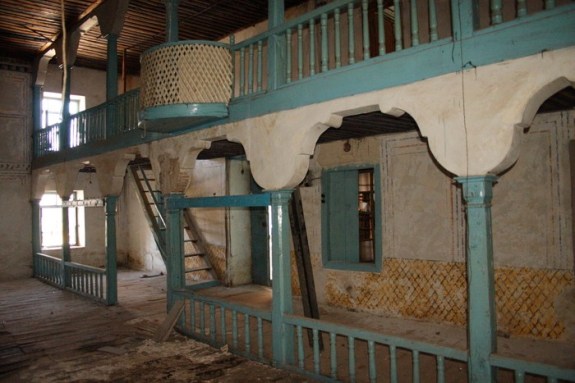
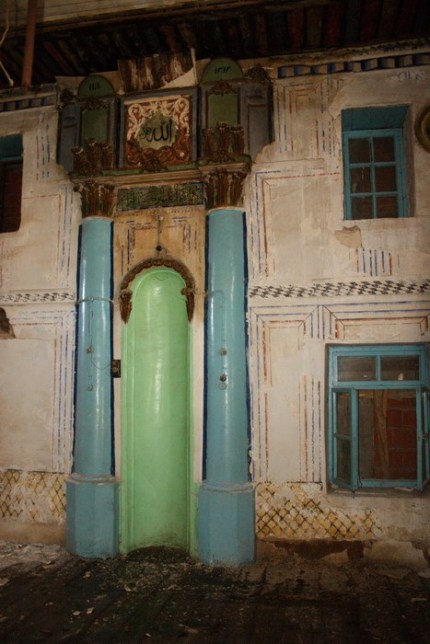
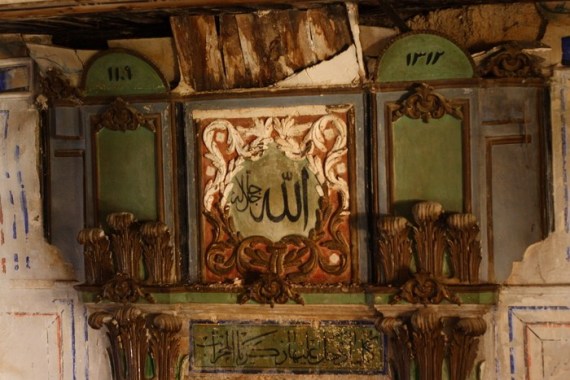
There is an inscription over the door that dates the mosque to 1802 and the endowment to Hacı Ömer Ağa. The front has an elegant portico and the door is flanked by two mihrabs. Inside, we were both astounded by the quality of the unknown artist’s workmanship. This was not the naïve brushwork that we had found in any of our previous visits and was more akin to that found in the painted konak in Birgi with splendid panels depicting various different flowers in vases and others of buildings. One feature stood out for me and that was the amazing alabaster plaster work window frames. Many had some or a lot of damage but enough were intact to convey an image of how the interior would have looked.
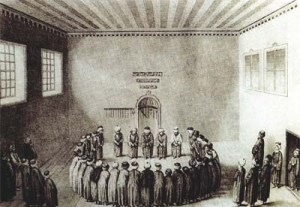
There is a mystical, other-worldliness to these places that has to be experienced – for me, a lover of fantasy fiction, it is like standing in a real live setting from Lord of the Rings or similar. I have no difficulty transporting myself back to a time when flickering candles provided light and adherents of Sufism practiced the Dhikr or Sema, moving rhythmically in a circle and chanting or singing their devotions.
I’ll leave you to your own imaginings as you browse through a few photos; I do hope you’ve enjoyed the tour.
Postscript: as J and I prepared to leave we were told that there was a wonderful cavern by the name of Keloğlan Mağarası on the way back to to the main road, so we took ourselves off to see it. At some point it looks as though there were considerable public funds expended on a road, a restaurant and an office or two. It was also evident that visitors were few and far between.

The guardian was ensconced behind his steamed-up window; there was a hand-written notice asking for three lira per person; J grabbed the tickets and stuck her cold hands back into her pockets. The guardian eyed my cameras with suspicion and pointed at the notice (no flash). He obviously didn’t trust me because he insisted on following us inside the caves which, as it turned out, was not a bad thing.
Now, you know what these places are like – dripping wet with concrete and steel walkways and stairs. We had wandered about a hundred metres or so, ‘Ooohing!’ and ‘Ahhhing!’ when it happened – power cut, all the lights went out and nobody had considered any emergency back-up! We froze where we were on the steps surrounded by a Stygian blackness, listening to our breathing and the dripping of water – we could see nothing. Then a voice from the darkness asked ‘Sizde bir çakmak var mı?’ ‘Have you got a lighter?’ Bloody hell! Truth to tell we don’t smoke and it hadn’t occurred to us to bring one, so we held on to each other as the sound of shuffling footsteps faded away replaced by the eerie, high-pitched squeaking of bats. It took a while but the fellow eventually returned with a torch with about two minutes of life left in the battery and led us out.
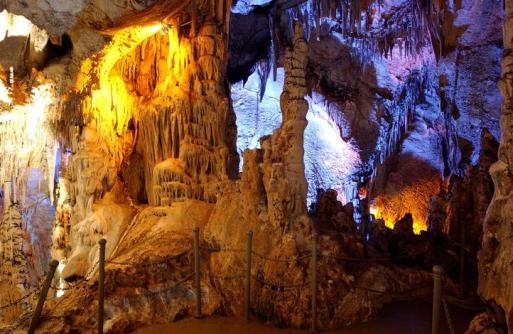
So, we never did see the cave, we didn’t get our money back either and later J noticed that the ticket price was TL2 – the sod had ripped us off! Burası Türkiye!’
Alan Fenn, Okçular
ps as this beautiful mosque is fairly close to our mountain cabin hidey-hole we regularly take friends to see it. Since this post was written there has been some very careful, well-crafted restoration work carried out including the beautiful alabaster stained glass windows. The building is now good for another two hundred years.
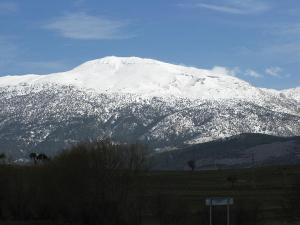 Finding the village of Boğaziçi from our base in Pamukkale meant a drive of about a hundred kms – first south to Denizli and then east to the junction of the D595 Uşak Yolu. I find this a rather sad stretch of road having covered it several times; rather like driving through an industrial wasteland with only the view of the beautiful snow-capped mountains to redeem it. Follow the Uşak road and just after the village of Denizler fork right for Baklan. Then take the second turning on the right (approx 3kms) signposted to Boğaziçi and look out for the minaret.
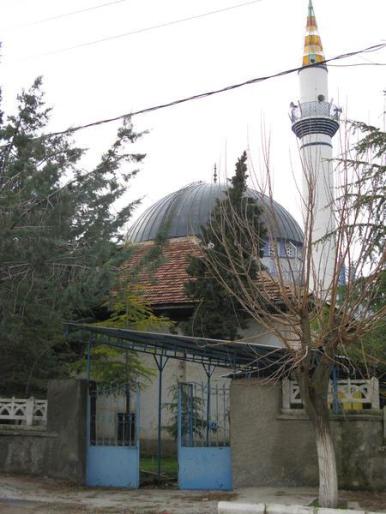
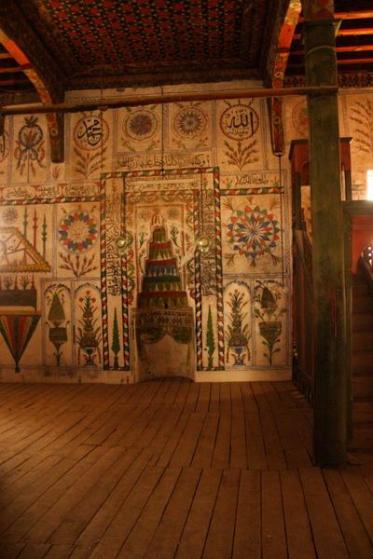
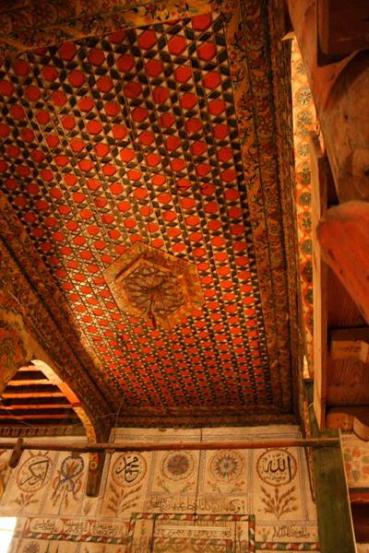
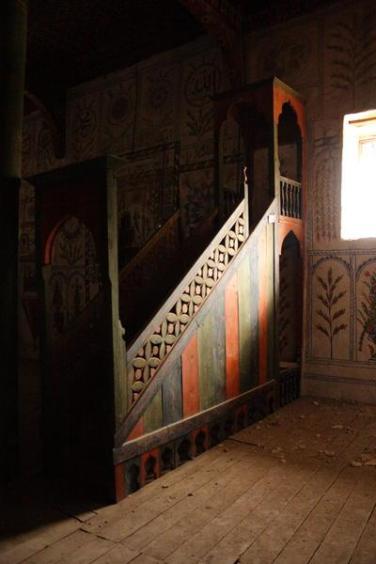
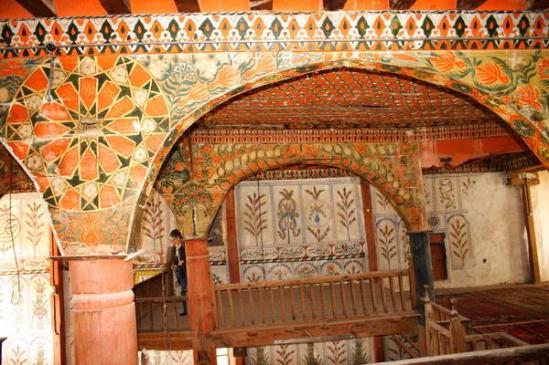
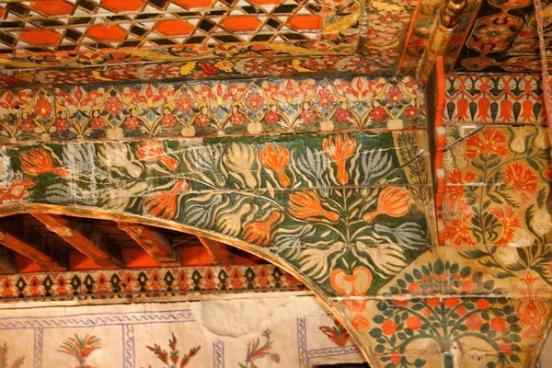
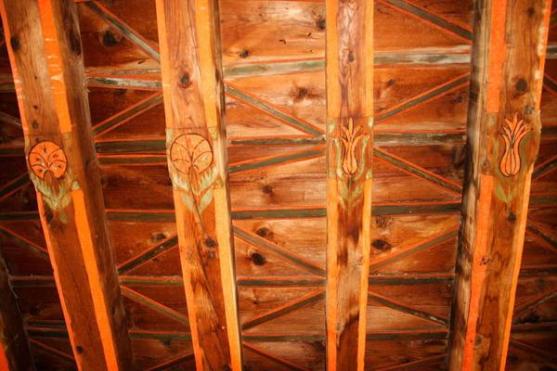
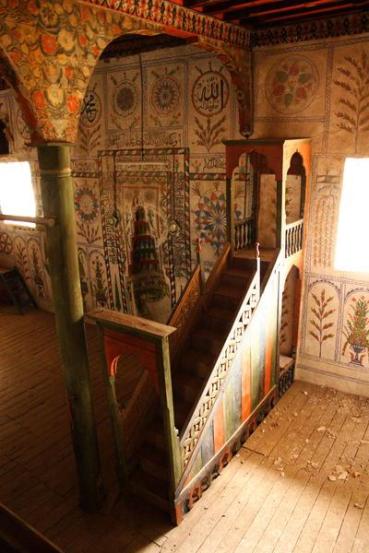
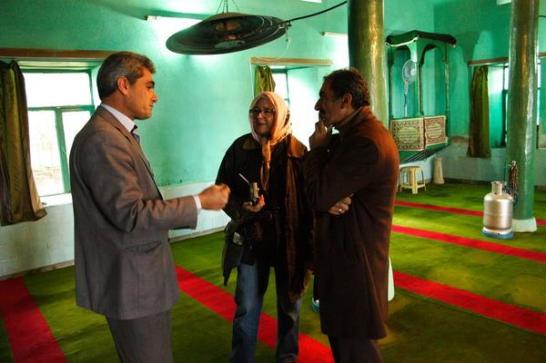
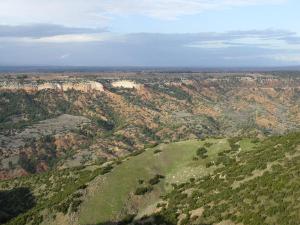 Kocaköy and its Şalvan Mosque, so-called because that was once the village name, lies about 28kms north west of Boğaziçi as the crow flies (a lot further by country roads), through attractive landscape and tiny villages. It is a poor little place with a beautiful outlook over a sweeping valley. We parked at the mosque and set out to find the kahvehane (tea house) where we were immediately engaged by some young men who sent a boy off to find the imam. Meanwhile we were joined by Yaşar, groomed, dressed in a suit and looking every inch a ranking bureaucrat With the arrival of the imam the four of us set off back to the mosque and so began one of the most enjoyable interludes that J and I have ever experienced on this type of visit.
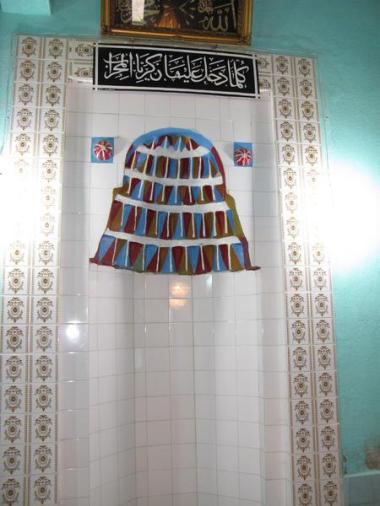
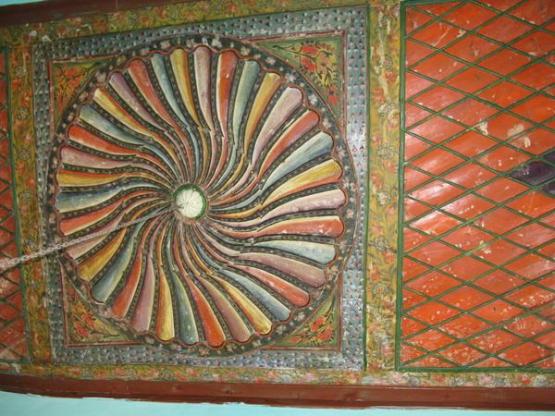
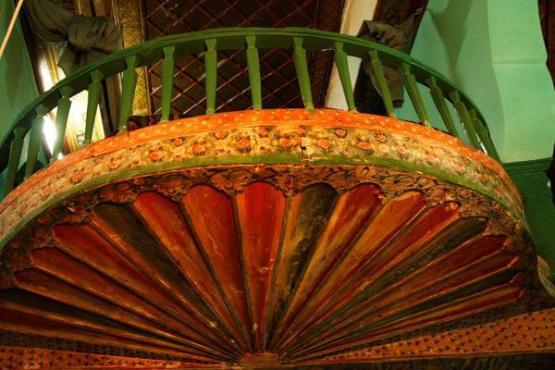
 This is supposed to be a ‘mystical’ tour, seeking out village mosques that have their foundations firmly rooted in the tenets and traditions of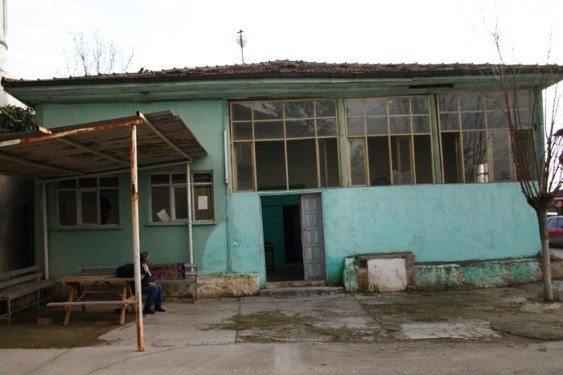
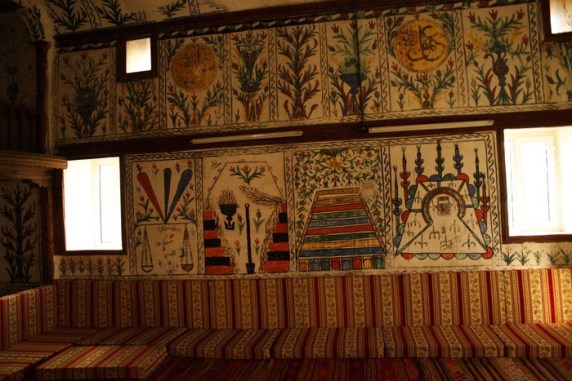
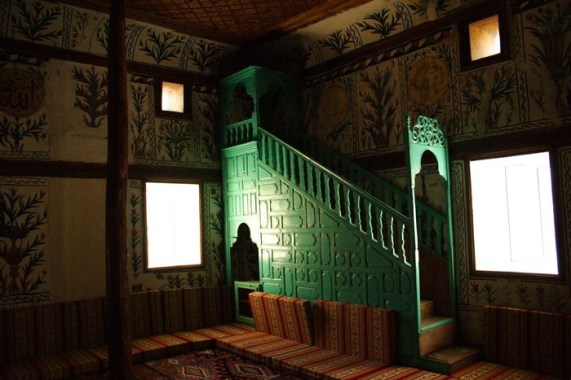
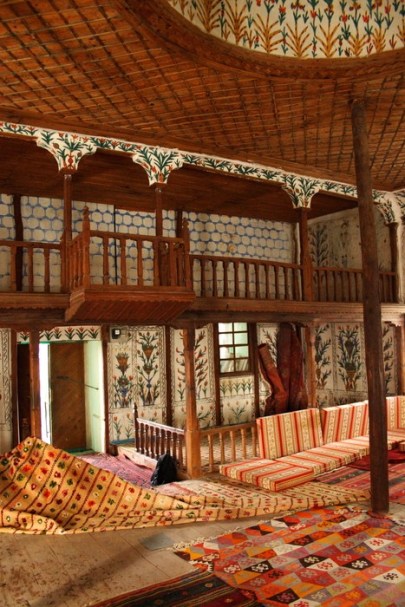
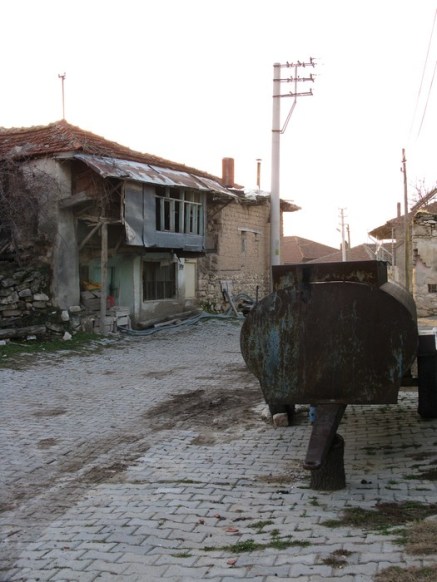

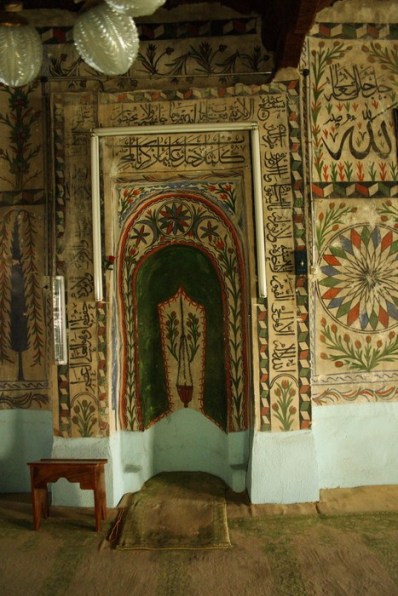
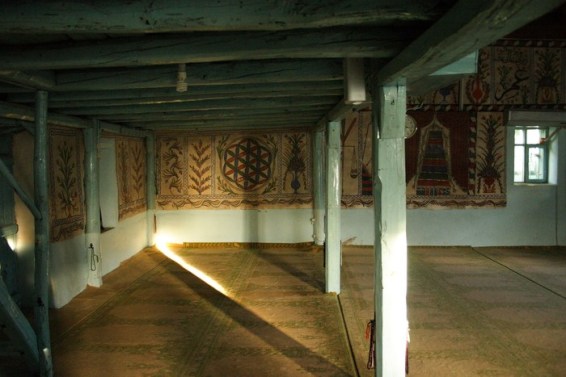
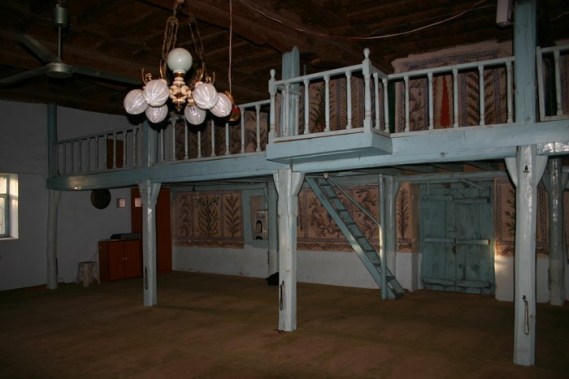
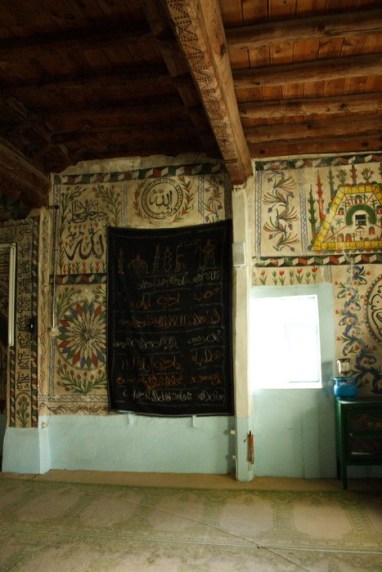
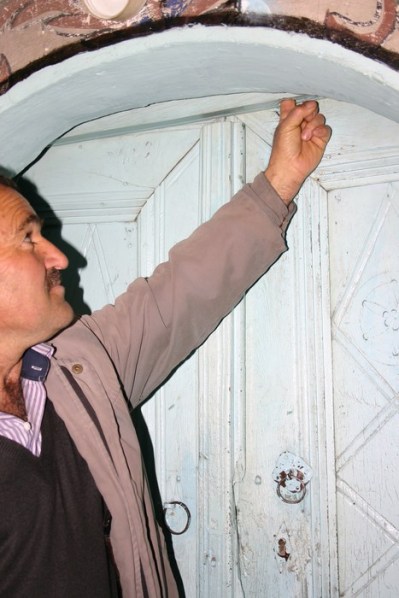
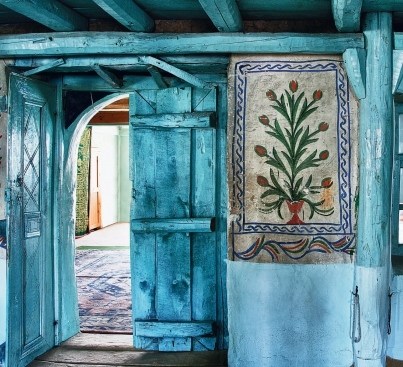
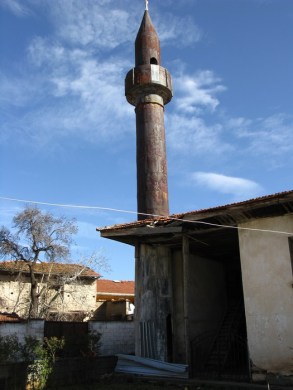 The small farming town of Kızılcabölük near Tavaş is a place of many mosques and few visitors. It is home to the Hanönü Camii (in front of the Han) which has an unusual history because it was built by Ümmi the daughter of Köse Mehmet Ağa sometime around 1697. There is a date above the mihrab that indicates redecoration in 1895. With a modern, concrete mosque jammed in alongside, the state of the exterior did not bode well for what we might find inside. Broken metal sheets were nailed across the entrance, sections of the roof were falling away and there was a general air of filth and dilapidation. Pulling aside a corrugated sheet of metal we ‘broke in’!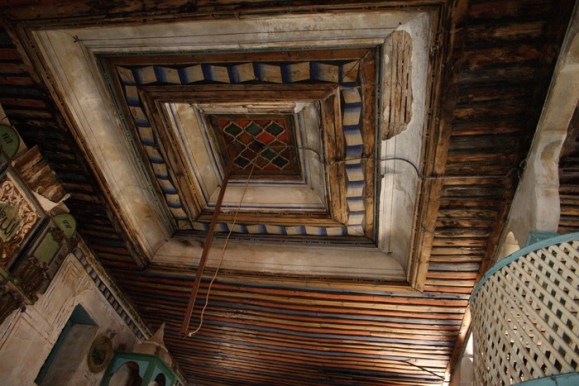

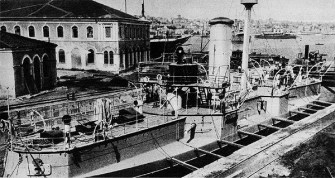 . . they mean a trip to Paris or Rome tra-la-la . . or, in this case, Istanbul – to the historic dockyard, founded in 1861 by the former Ottoman Maritime Company. It lies on the north shore of the Golden Horn in the district of Hasköy. The site, together with the Lengerhane building (which was initially used for casting anchors and chains for the Ottoman navy, during the rule of Ahmet III (1703–1730)) across the road, houses the Rahmi M Koç Museum. This is, in my opinion, one of the finest industrial museums you will ever visit – a world-class establishment!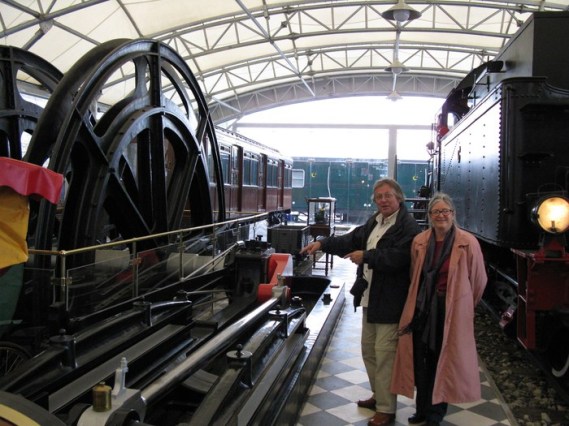
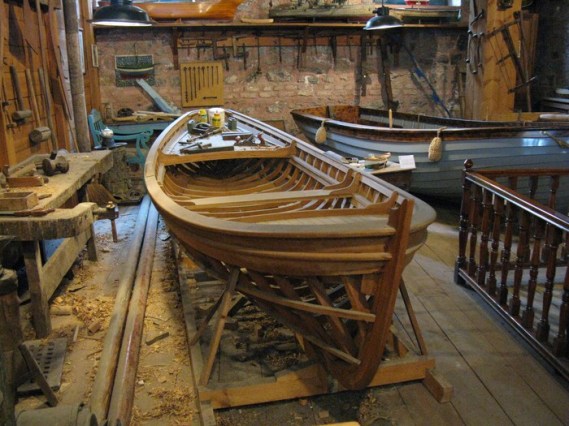
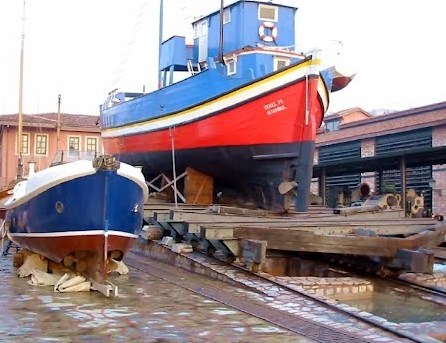
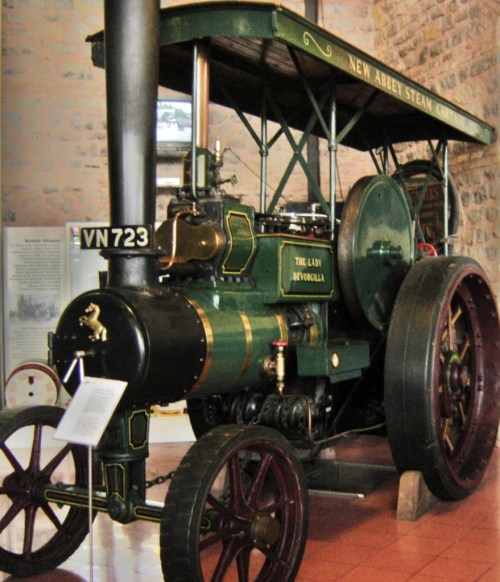
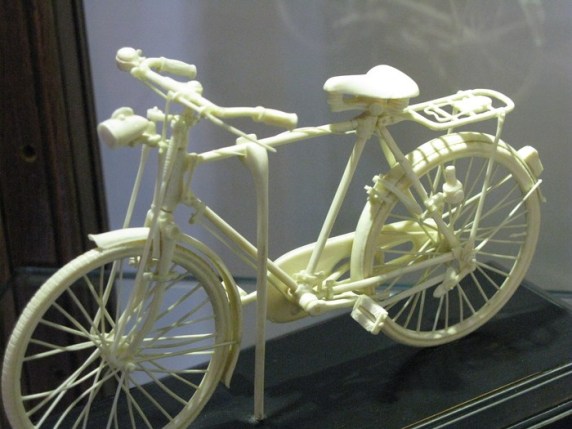
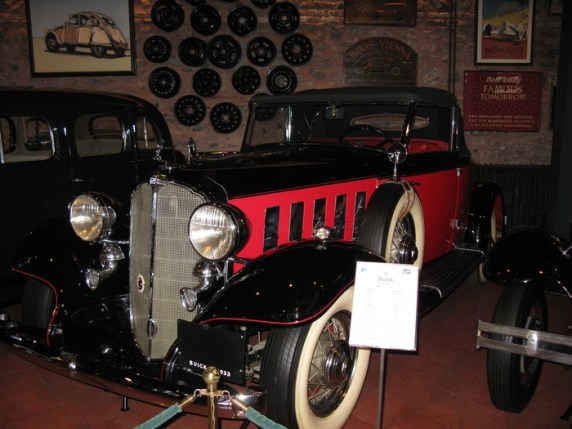
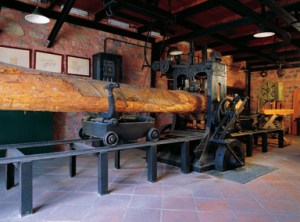
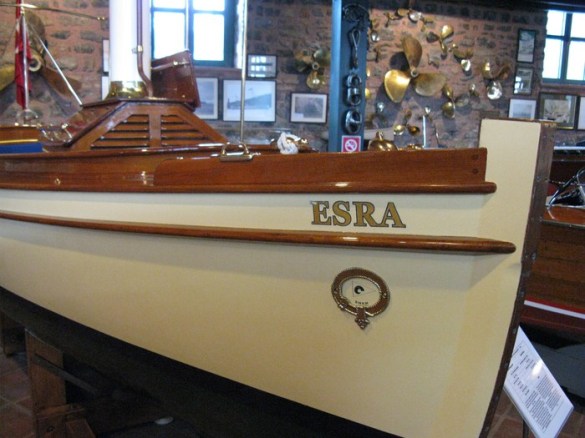
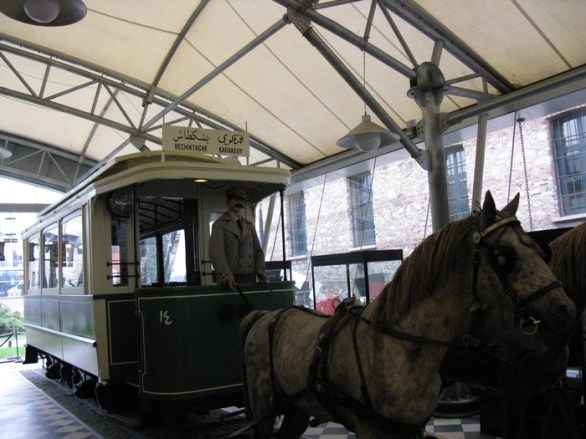
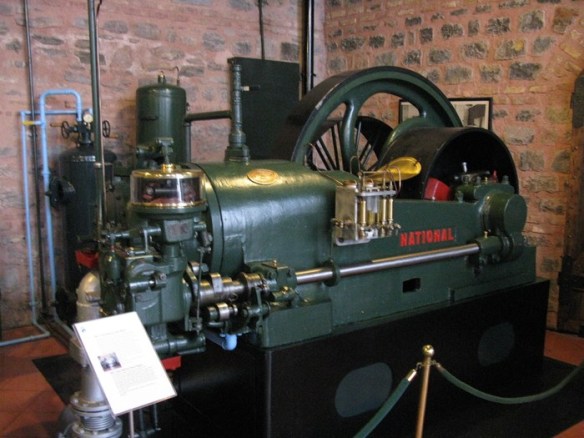

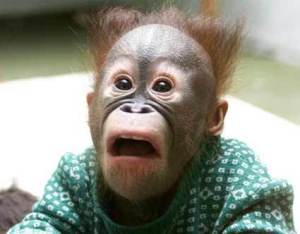 I’m an ‘amazed’ person; much of my life is spent saying ‘That’s amazing!’ J is always saying that I’m a very easily amazed person, which I also find amazing because it it true!
 For those not familiar with this form of decoration, it is the use of thin pieces of different types and colours of wood which are cut and inlaid to form ‘pictures’ or geometric designs. It was popular with my granny and her generation and, by default, with Mr Skeets my woodwork teacher at school who was old enough to be my granny. It was also a much favoured DIY type project in the 1960s.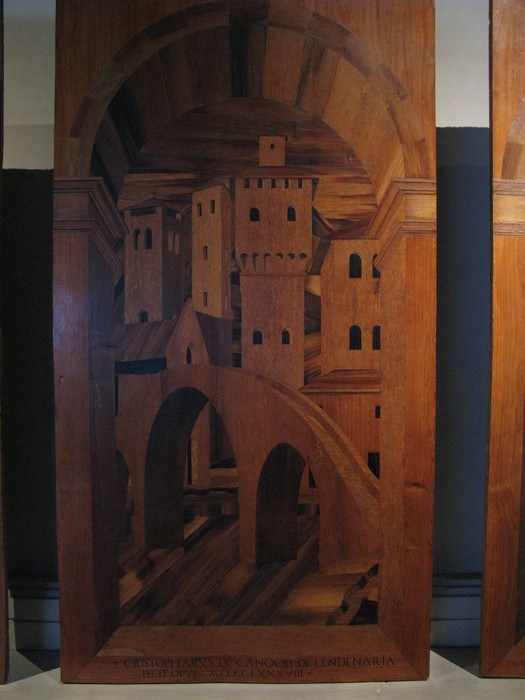


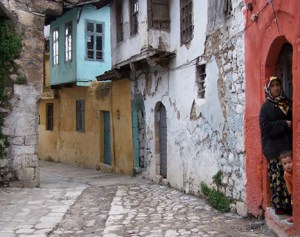 J and I found Antakya, the principal city of Hatay, SE Turkey, to be an astonishingly cosmopolitan place. Laid back, Istanbul fashions everywhere, and barely a headscarf to be seen. The old parts of the town are not extensive but are a delight to explore – the people, as everywhere in Turkey, are open and warm-hearted. If that is not enough for you then there is always the local speciality dessert, Künefe.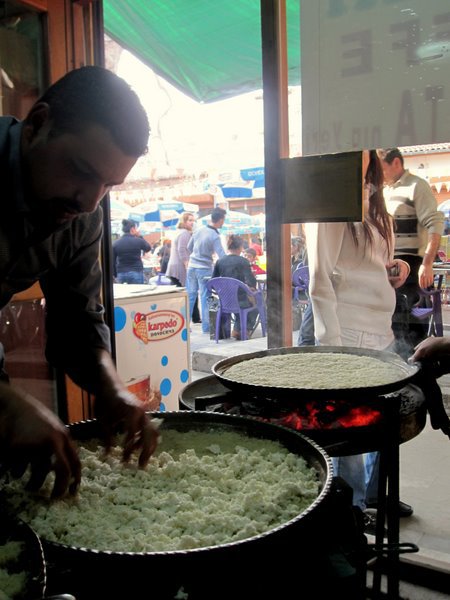
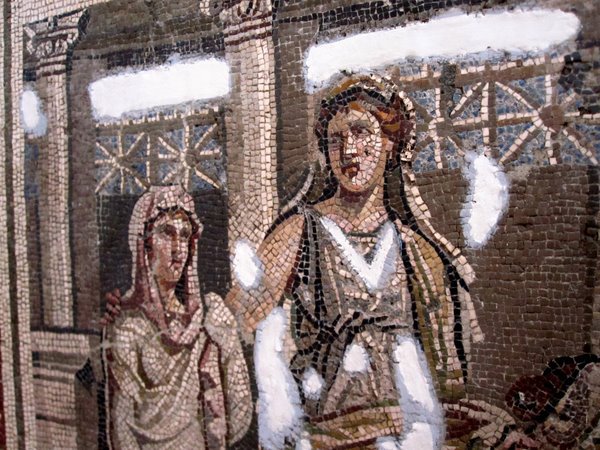
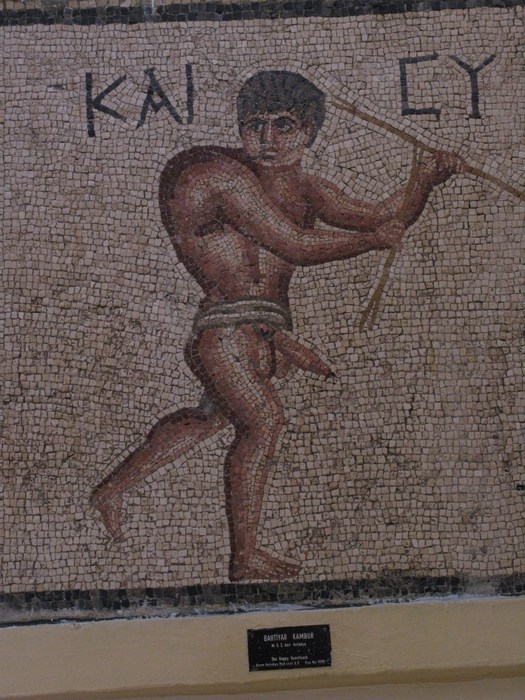
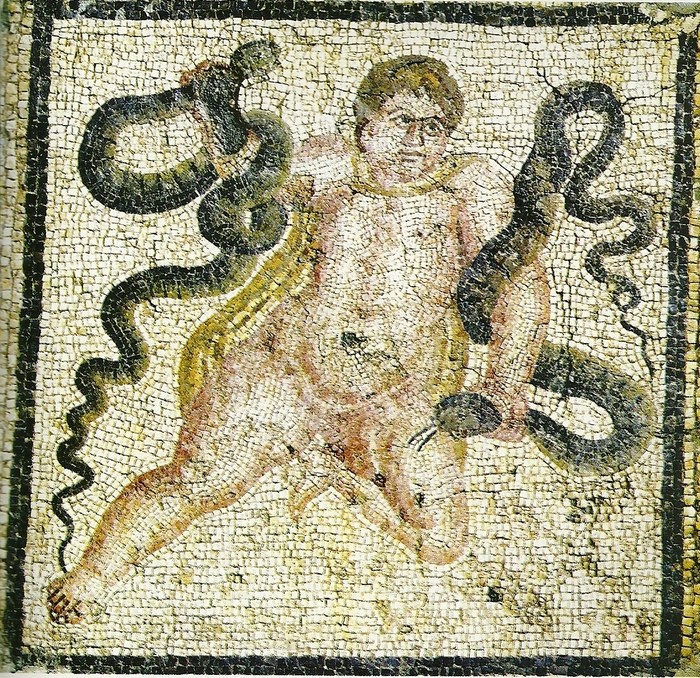
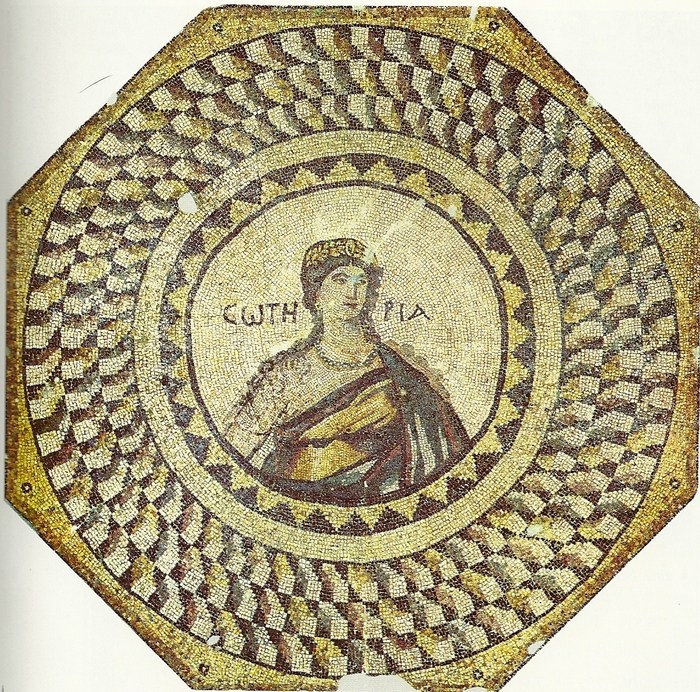
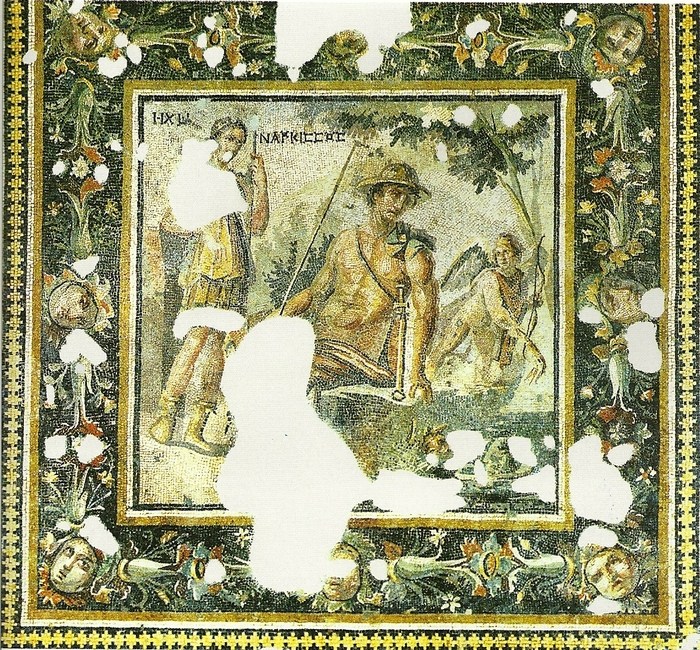
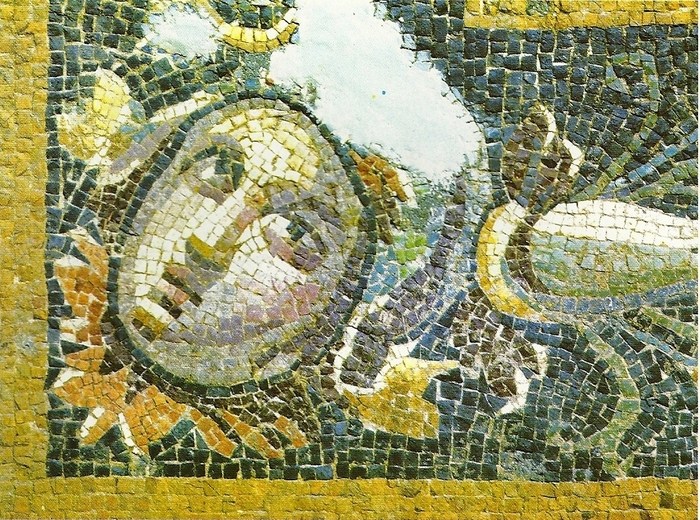
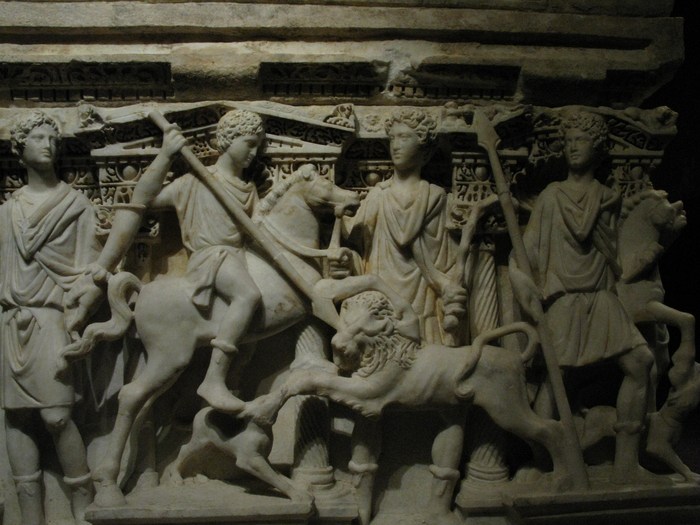
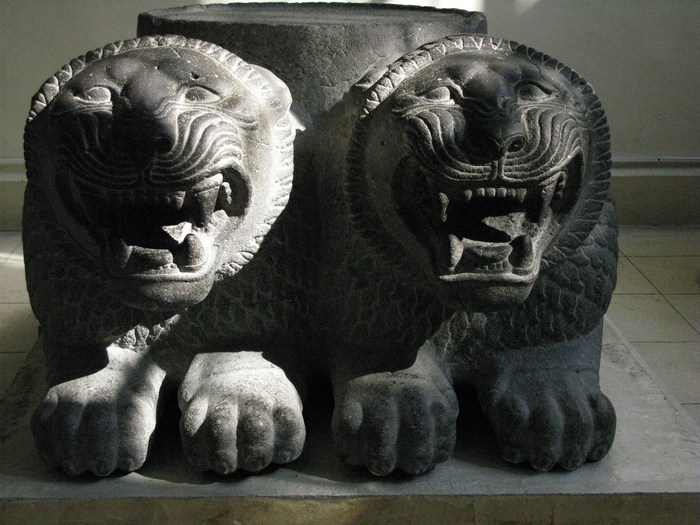
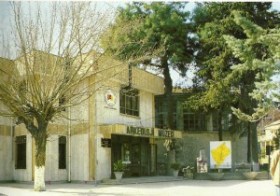 Anyway, enough of that! This post is about feeding the mind, not the belly; and just across the river from where J and I were stuffing ourselves lies the rather sad looking Museum of Archaeology. Had we not had an inkling of what lay inside we might well have given it a miss and that would have been a mistake. There are the usual marble tombs, busts and statues of long departed emperors, governors and their ladies – gods and goddesses, nymphs and shepherds (coming away), etc. There is also one of the most remarkable collections of Roman wall and floor mosaics to be found outside Ankara or Rome.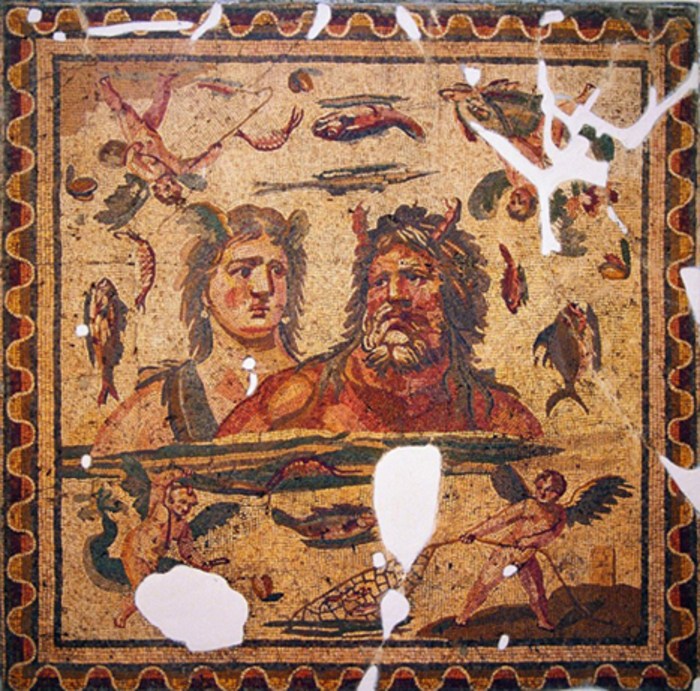
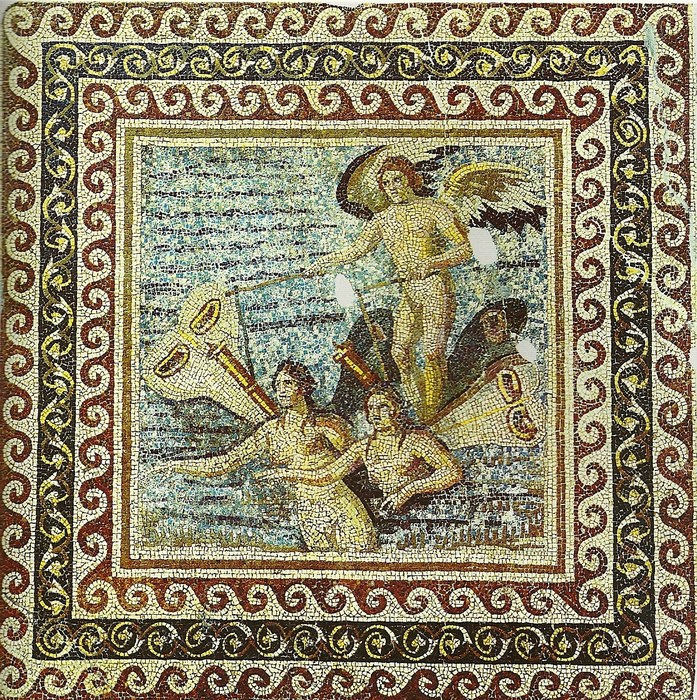
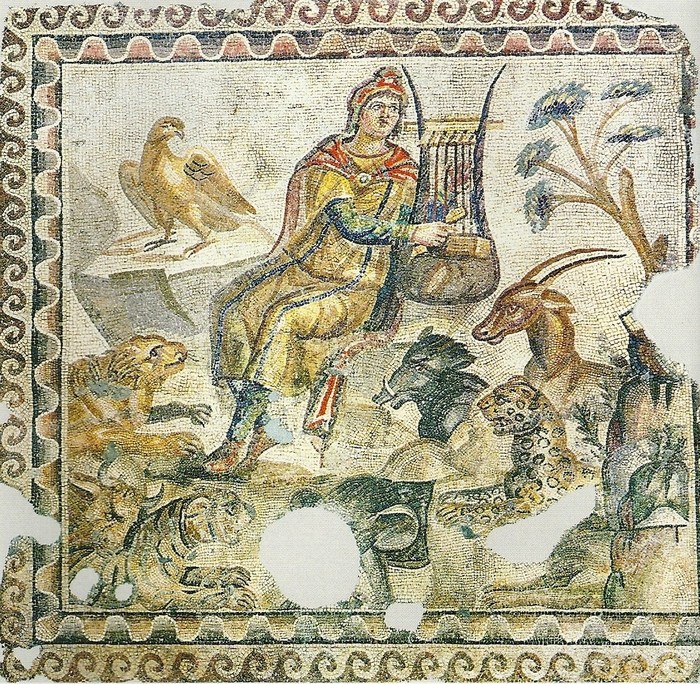
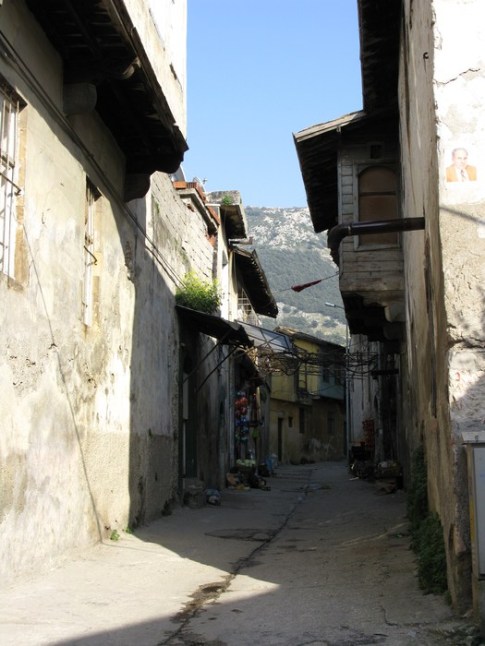
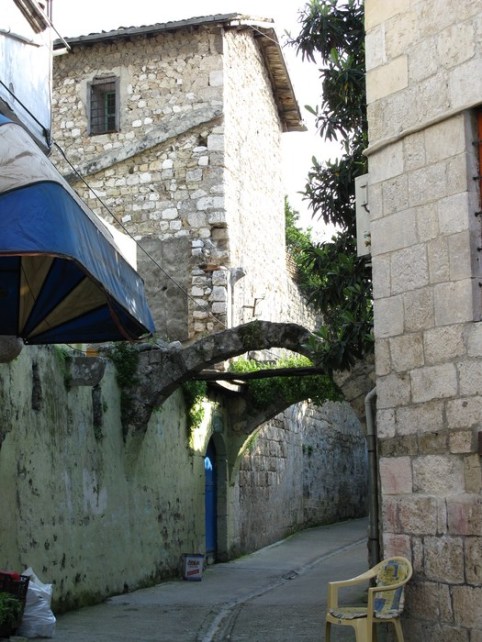
 Here we go on another of those ‘Tardis’ time trips; this time back to the year 2003 of the Modern Era (as we have to say now). J and I were touring around the east of Turkey with our kaymakam ‘son’ and his very new and very delightful wife.
 The kindly kaymakam had enquired about our plans and our mode of transport (my trusty Doblo) and had hurrumphed at its short-comings in such terrain. ‘This is an important town with much diplomatic comings and goings’ he informed us. ‘I have several 4x4s why don’t you use one of those? In fact, you might as well have my driver as well, he knows the way around.’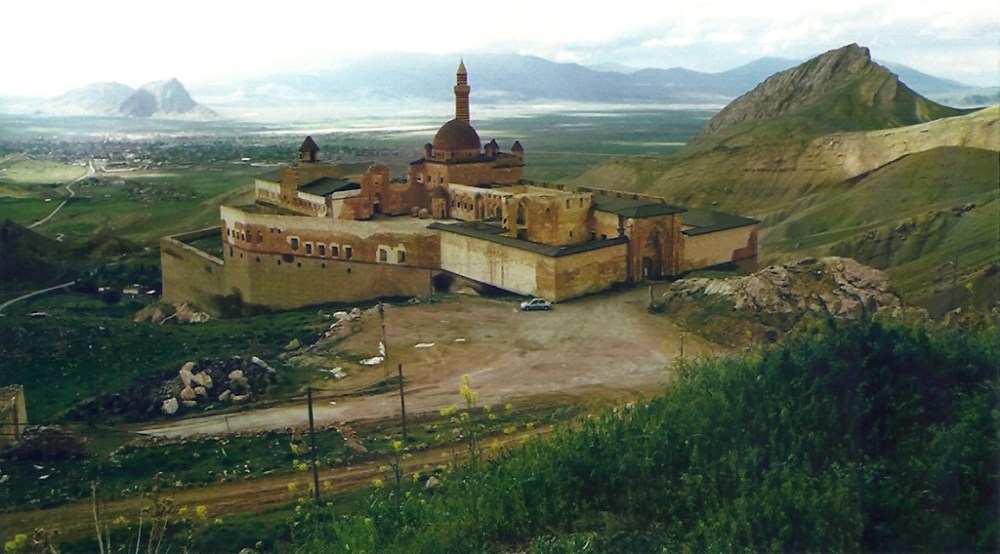
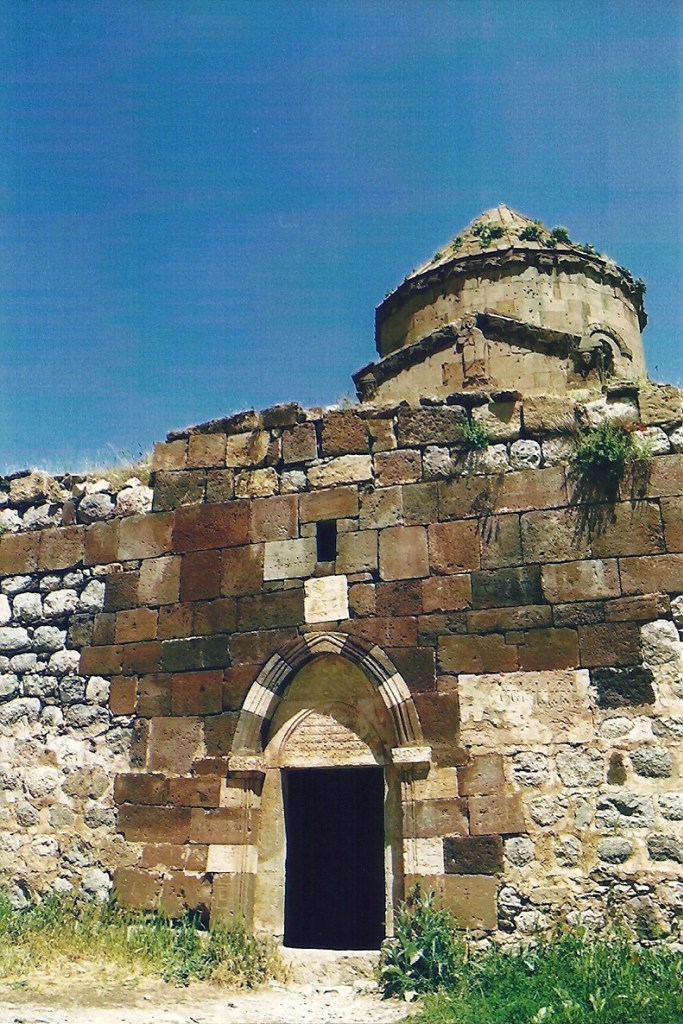
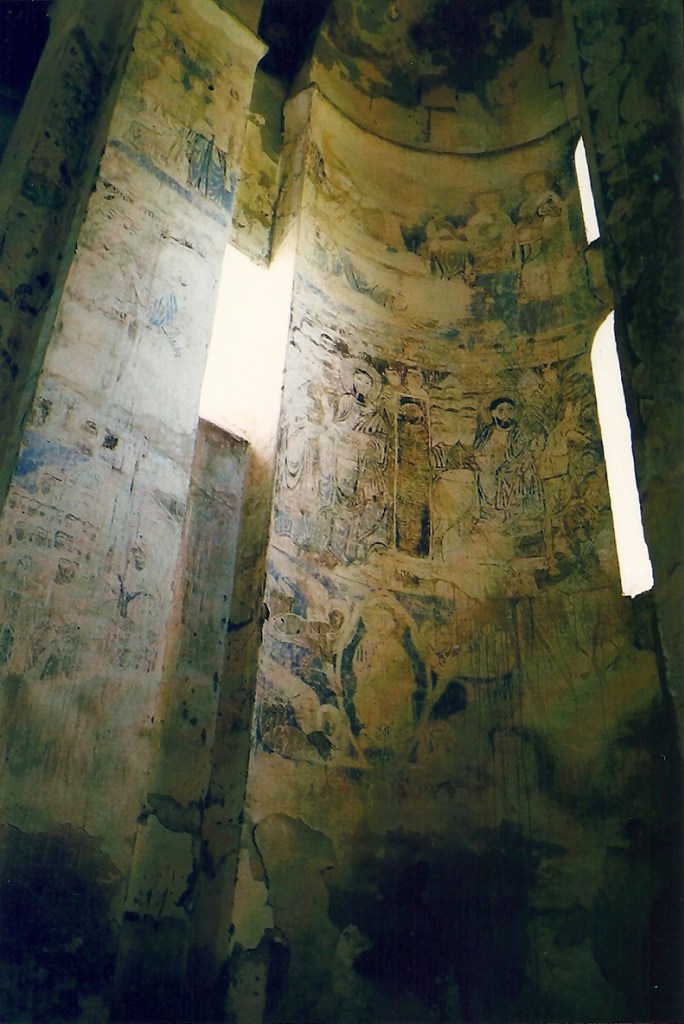
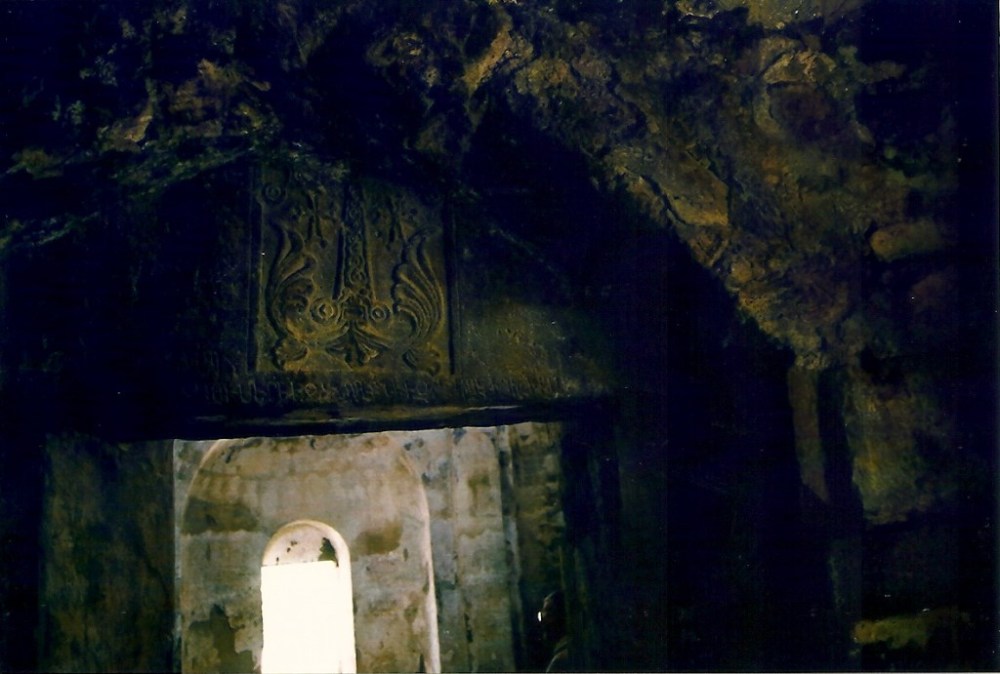
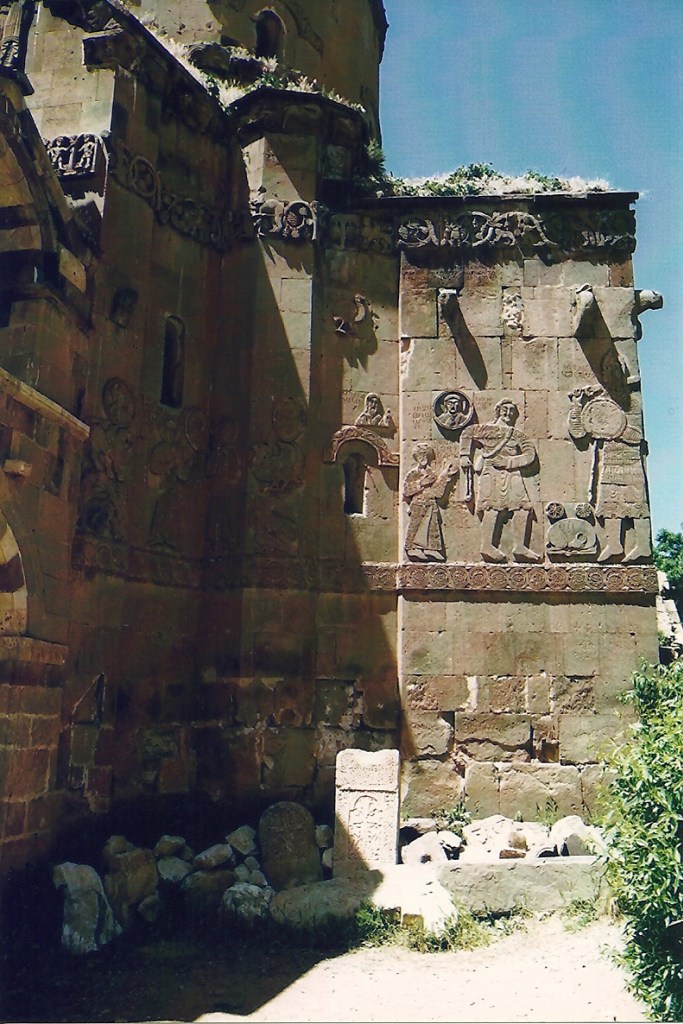
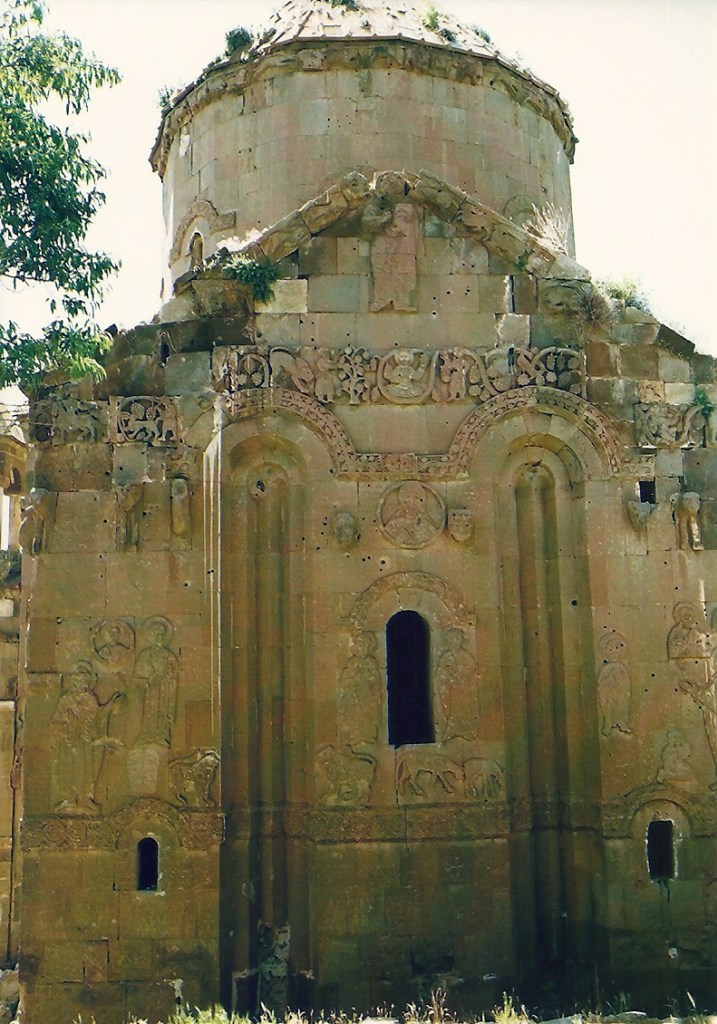
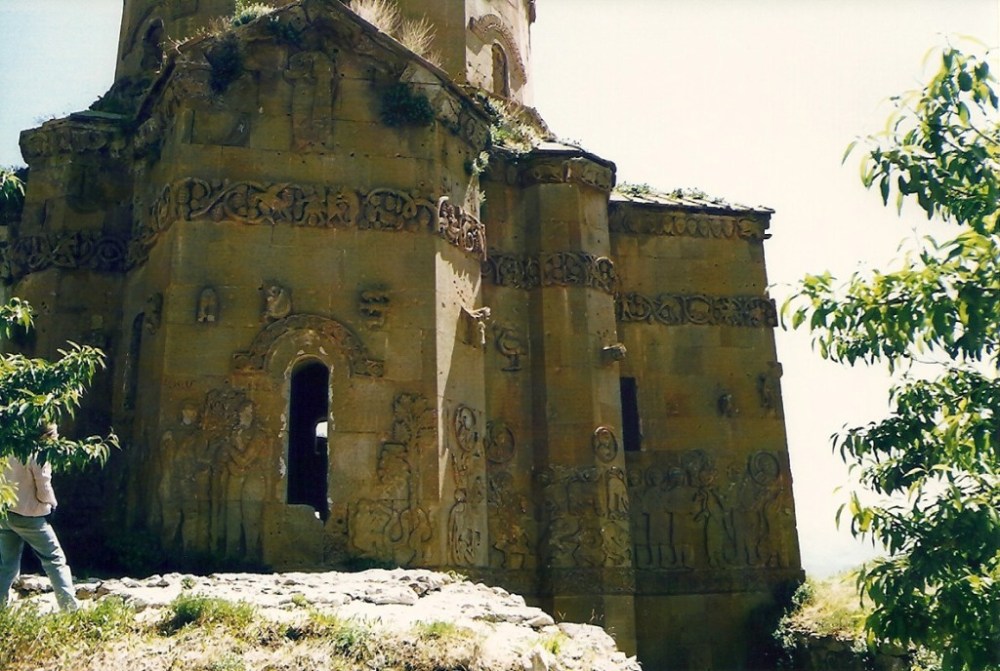
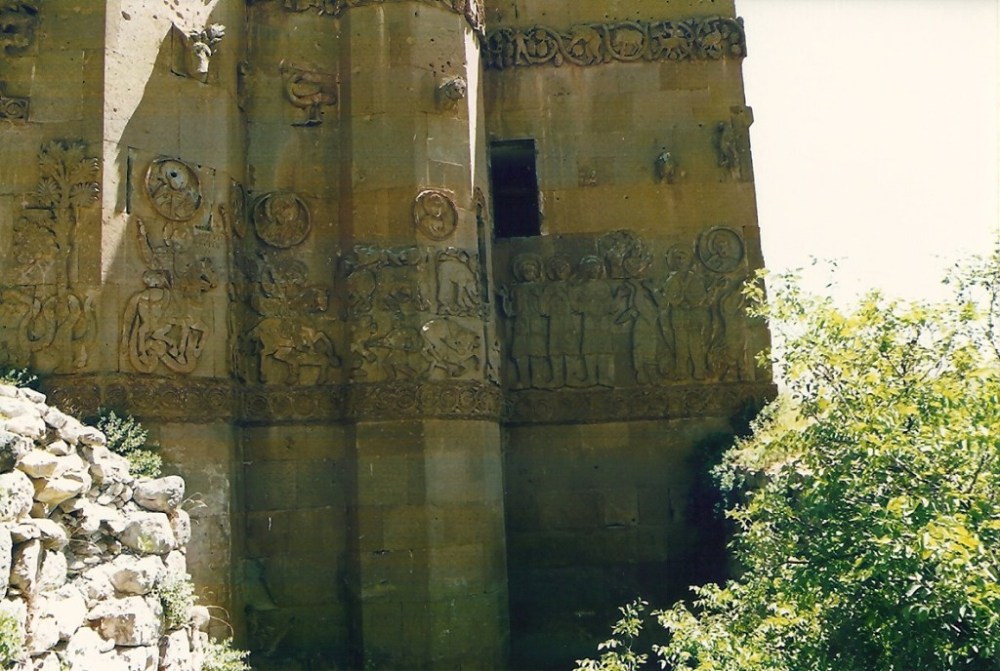
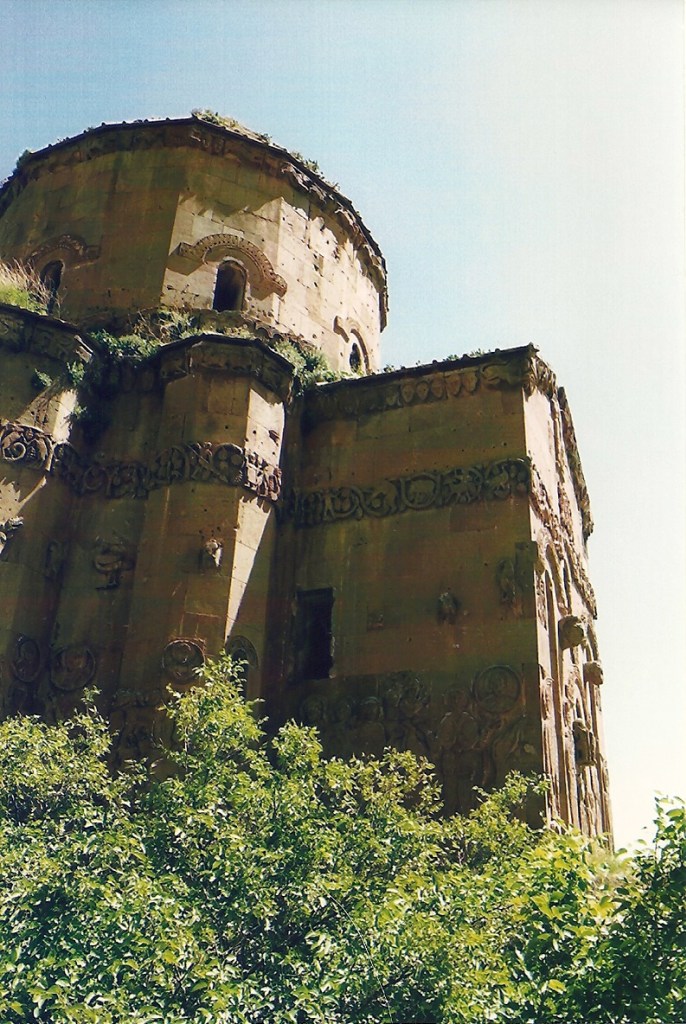
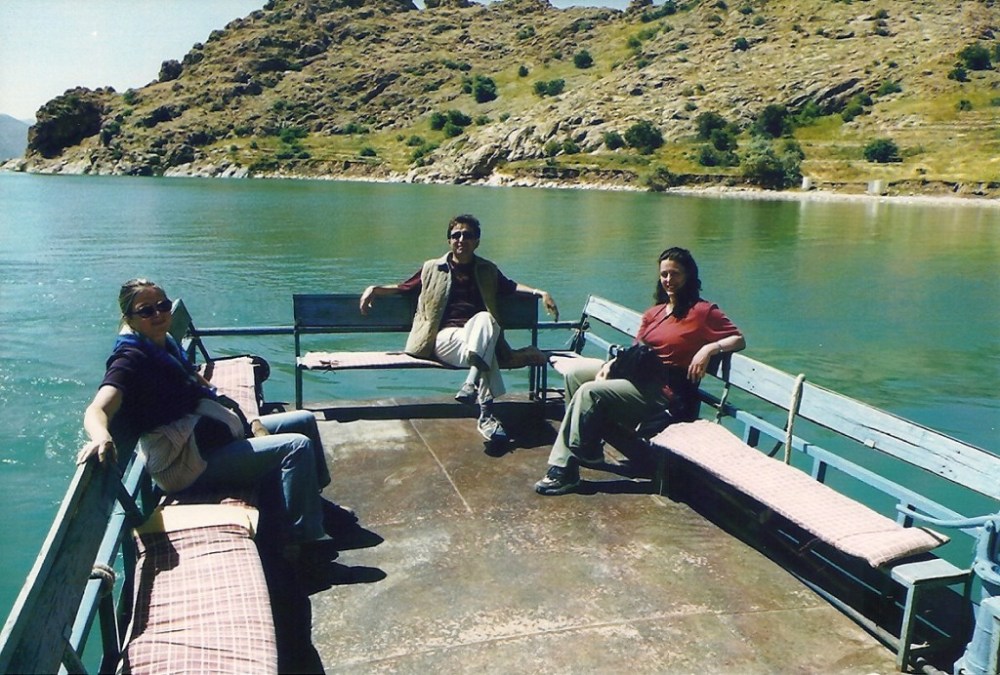
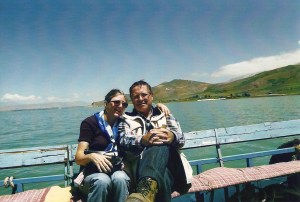 Join me as we slip back to a time before (I had) a digital camera – it is Spring; the year is 2003 and we are aboard a small boat heading for the island of Akhtamar, or Akdamar that lies 3 kms out into Lake Van in Eastern Turkey.
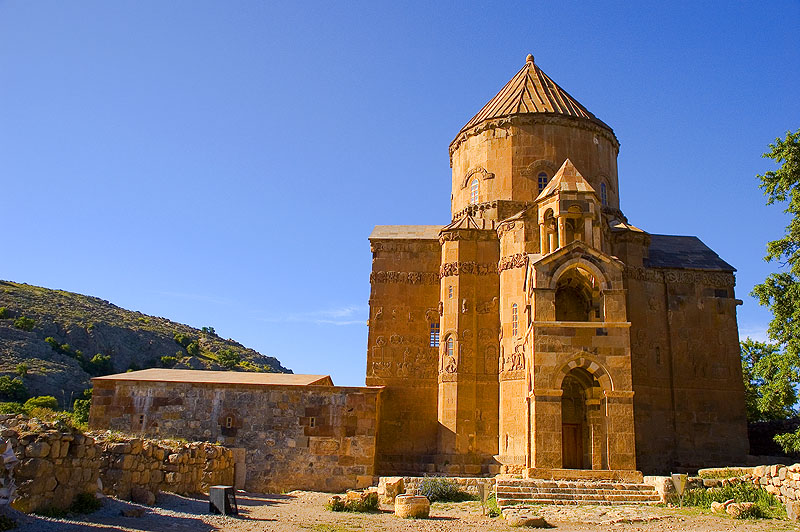
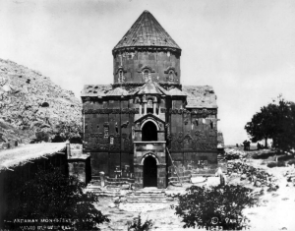 The Church of the Holy Cross was the seat of Armenian patriarchs from 1116 until 1895 when it was abandoned due to ‘difficulties’ between Armenians and the Ottoman Empire. The church fell into disrepair – in 1951 there was a concerted effort to demolish the complex – fortunately the total destruction was prevented by an observant military officer and an enlightened minister in Ankara. Today, all that remains is the church.
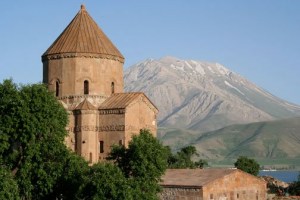 In 2005-6 the Turkish government carried out a programme of restoration and the church was opened as a museum in 2007. In 2010 the first mass in 95 years was celebrated and in the same year the cross was replaced on the dome.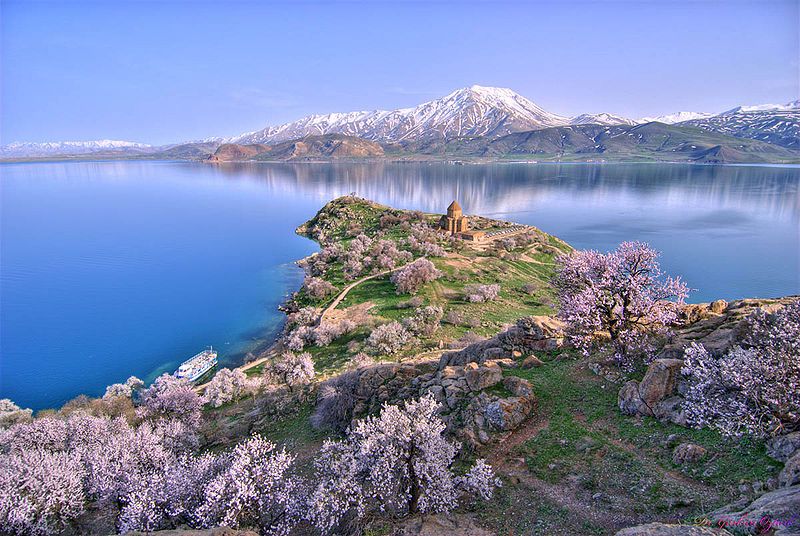
 Bof's Blog