
‘Eye of the what?’ I hear you say, ‘Spiger! What the hell is a Spiger?’
This is a Spiger! Complete with stripes, bloody-great jaws, a span the size of your hand, eight legs, a burst of speed that would give Usain Bolt a run for his money, it’s a carnivore that hunts by night or day and it has eight, yes, eight eyes! What would you call it?
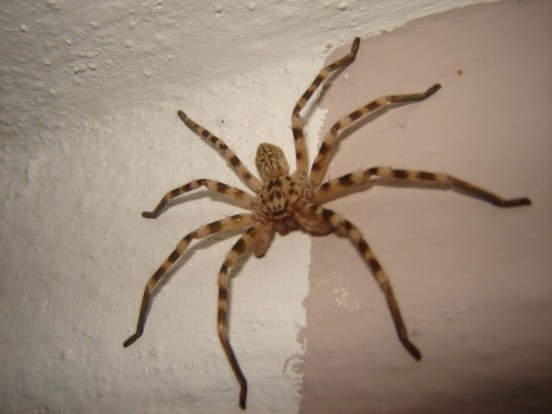
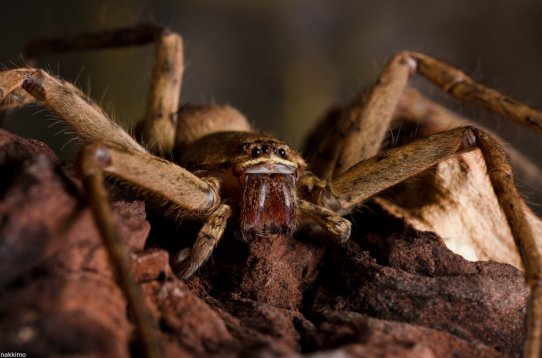
They hail from the Sparassidae family of what are commonly called Huntsman Spiders. There are more than a thousand different species in this family and they range from the size of your palm to enormous! Not bulky enormous, but like twelve inches leg-span enormous! They also display some interesting methods of locomotion which I’ll come to later. They are spread all around the world in tropical and temperate zones and ‘Yes, that includes the soon to be Disunited Kingdom!’
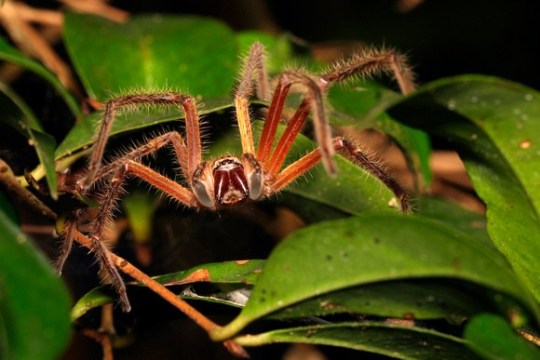
Spigers are built for speed and agility. Their legs are a bit ‘double-jointed’ which enables them to take off at speed in any direction. They have eight eyes in two rows which mostly point forward giving excellent vision for rushing around or laying in ambush. Spigers mostly feast on insects but are quite capable of snaffling the odd gecko or two.
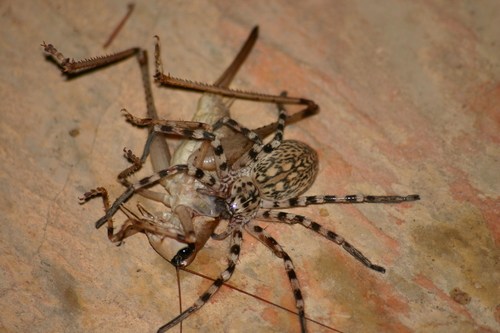
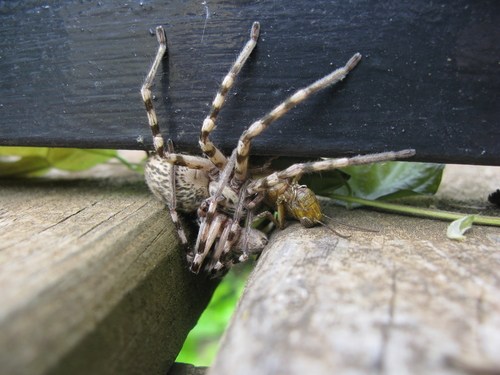
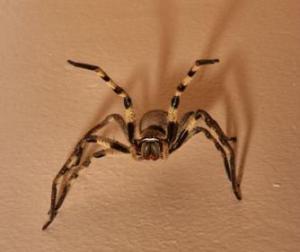 They use venom through their considerable jaws to immobilise their victims and to aid the digestion process. That said, they are generally not aggressive towards humans and any bite, whilst painful, is not a hospital job unless there is an allergic reaction. When bites do occur it is usually as a result of handling. The exception to the ‘non-aggressive’ bit is the female when she has eggs or young – then, if you mess with her, she will generally give you warning by adopting a threat pose (see left) before giving you something else to think about!
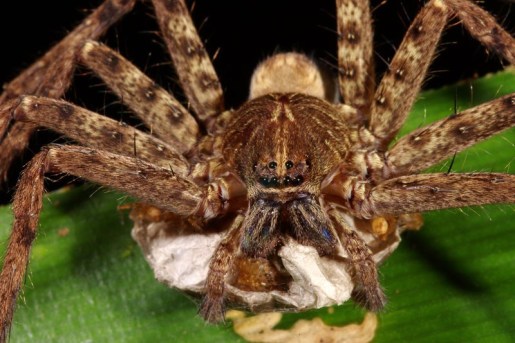
Apart from their speed and agility, Spigers have developed some interesting escape and evasion techniques. Cebrennus rechenbergi, also known as the Moroccan flic-flac spider, when threatened can beat a hasty retreat by doubling its normal walking speed using forward or backward flips similar to acrobatic flic-flac movements used by gymnasts. Whilst Carparachne aureoflava aka the Golden Wheel Spider, from the Namib Desert, will literally cartwheel away from danger at up to 44 rotations per second and speeds of up to one metre per second! I find myself wondering how many failures and how many twists and turns there were along the evolutionary road before this little ruse was ‘discovered’.
We have Spigers in and around our home here in Okçular. They tend to lurk in dark places or the corners between wall and ceiling as well as inside J’s bath towel! From time-to-time they hatch out a brood and then we have hundreds of the little devils all over the ceiling. When that happens I’m ashamed to admit that the death spray comes out followed by the vacuum cleaner.
As a rule, J and I will attempt to capture the intruders and re-introduce them to the big out-doors. Jam jars are generally too small and you’ll end up injuring the creature or else it will see you coming and take evasive action which will only result in another sleepless night for you as your imagination works overtime! Use an old ice cream container and a sheet of card – if you use paper I guarantee that the Spiger will escape and head for the first dark place it sees – generally up a sleeve or down your collar. Always treat them with care because if they get handled or caught up in your clothing they have a tendency to display a ‘cling’ reflex which often then leads to bites and a broken neck at best or, at worst, a right ear-full for breaking the Tupperware as per the following bit of video.
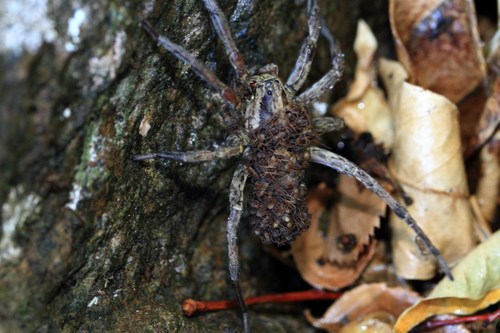
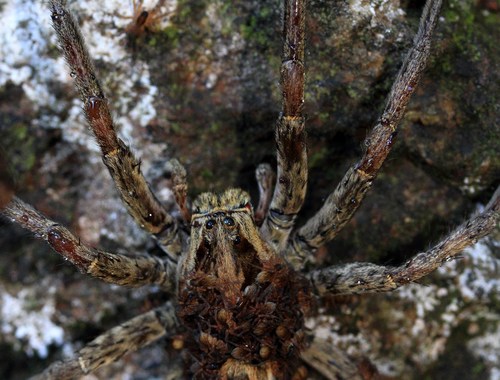
I don’t have any good photos of a Huntsman with young but here is a wolf spider with her young on board taken in my garden. Spiders may give you the creeps but you have to admit they are fascinating creatures.
Alan in Okçular
 It’s more than two years ago since that class travel and blogging act

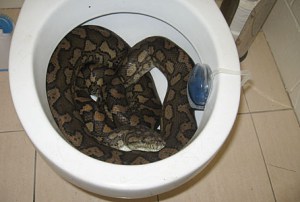 J and I are not just tolerant of having wildlife around, we positively encourage it – all of it! The odd snake in the toilet or under the washing machine does not result in panicky shrieking and rushing around in circles. (OK, we didn’t actually have a python in the toilet but there was a fair-sized black Whip Snake) That said, there was an occasion a few years back when I sat on a dozing hornet whilst getting into bed that resulted in all of the above plus some amazingly accurate usage of Anglo-Saxon expletives and a carpet slipper!
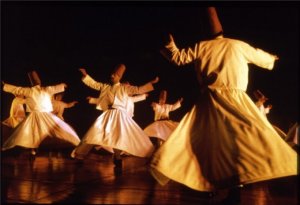 There’s a lot more to Konya than Whirling Dervishes, the Mevlana Museum and the haunting sound of the ney. Konya has been around for a while and in that time it has hosted everyone from Neolithic hunter-gatherers and Hittites, to various Greeks, Romans and Persians. And then the Seljuk Turks rolled in and had their day before getting rolled up by the marauding Mongol hordes around 1243.
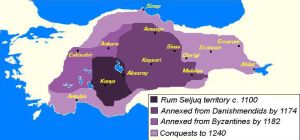 The Seljuk Sultanate of Rum (as in Rome and not Capt. Morgan) was a pretty successful set up in its day. Covering much of present day Anatolia it traded across the Mediterranean basin and Middle East. It was powerful and wealthy enough to battle the Crusaders and foster art and architecture on the grand scale and Konya was its principle city for much of its existence.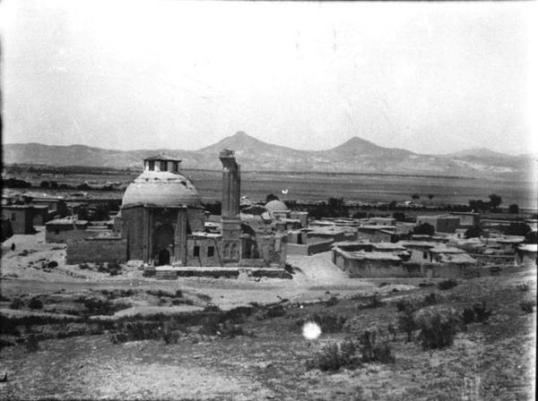
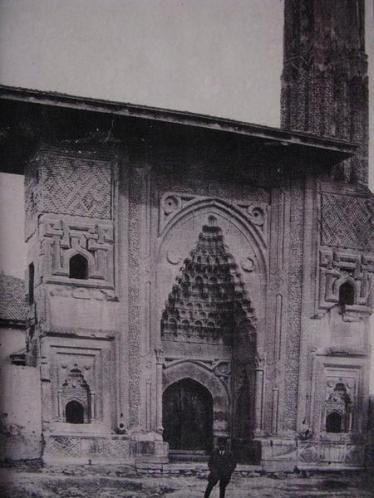
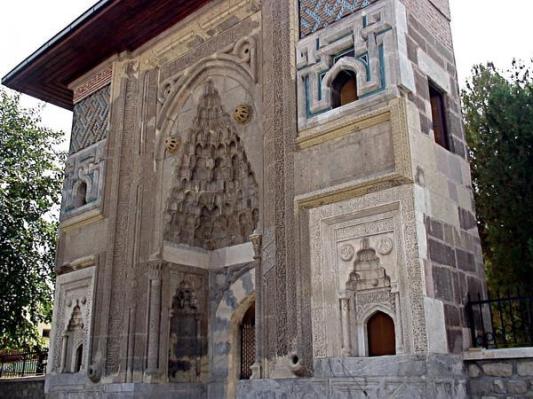
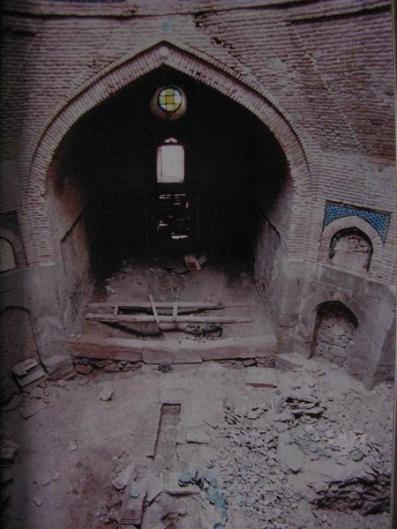

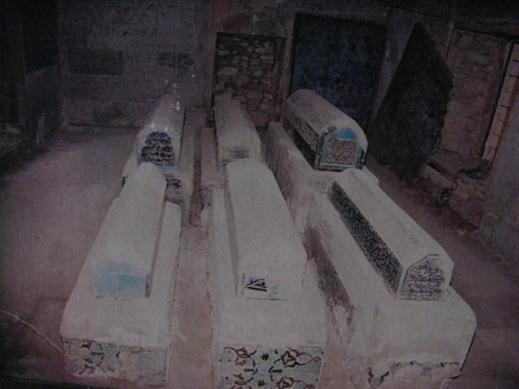

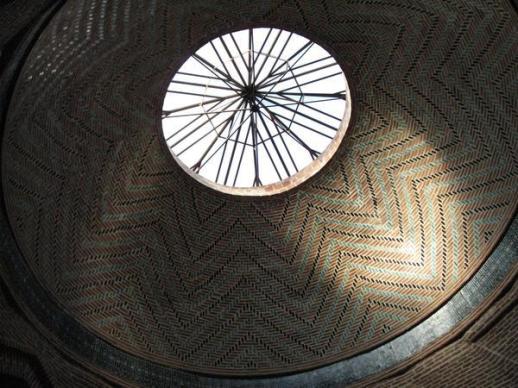
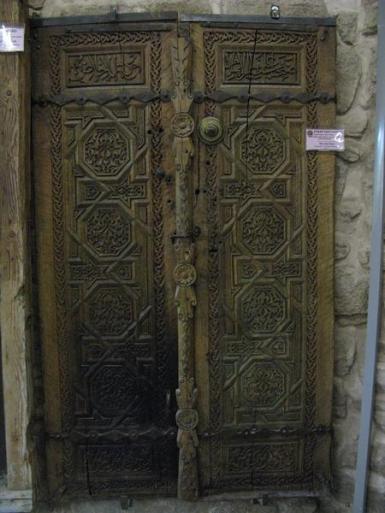
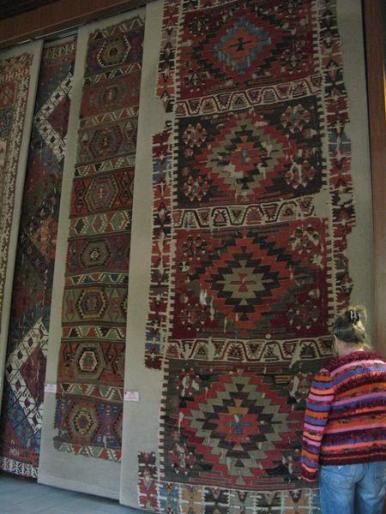
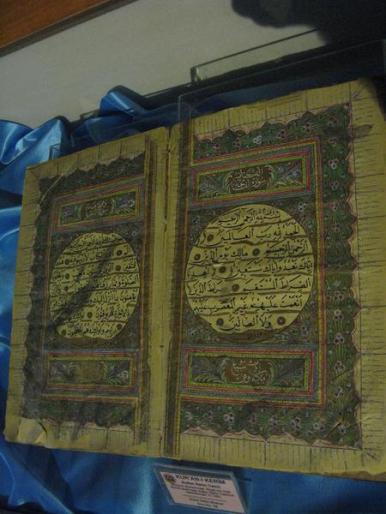
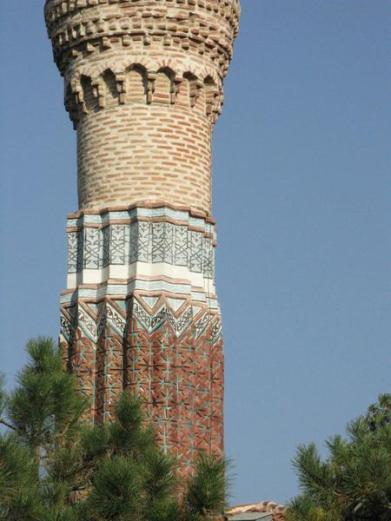
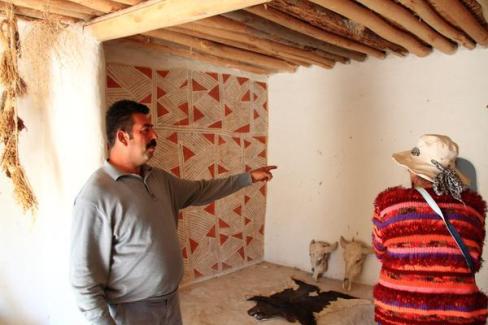
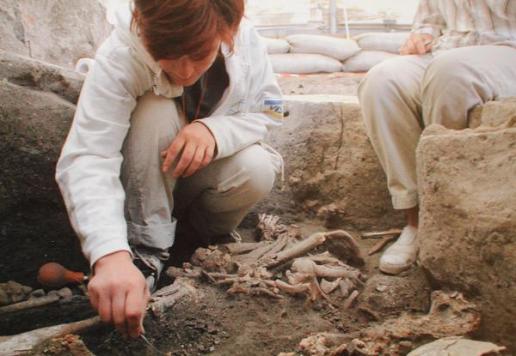
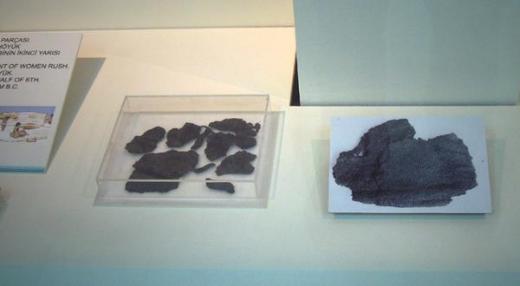
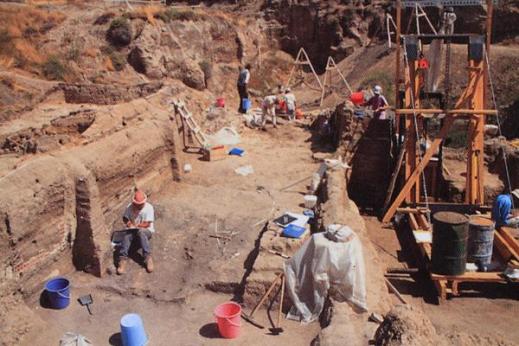
 J and I went off wandering again this past week – the Prime Directive was to visit Çatalhöyük near Konya and then tuck in a few other goodies as time and circumstance allowed. We both thought that the on-going excavation of this astonishing Bronze Age settlement was brilliant. I, for one, was fired up and set about trying to transfer that fire into a blog post that just might convey something of what we had seen. I was minutes away from posting when everything vanished; text, photos – the lot. There was nothing on the server where you would have expected the last auto-save to be and the auto back-up on my computer was blank! I have never experienced anything like it. Disheartened was not the word!
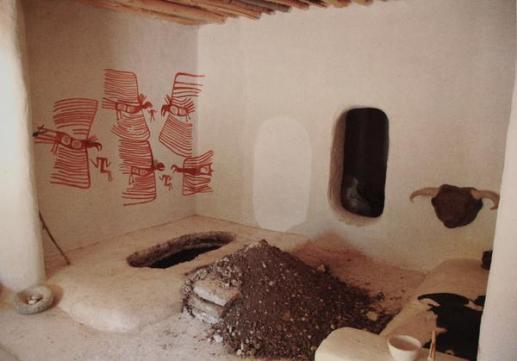
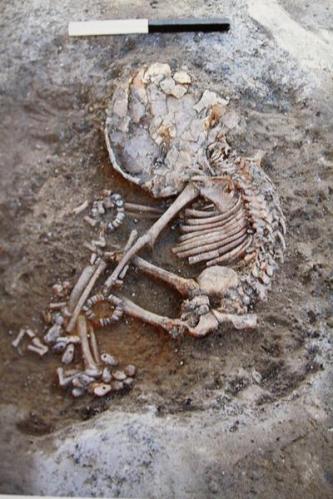
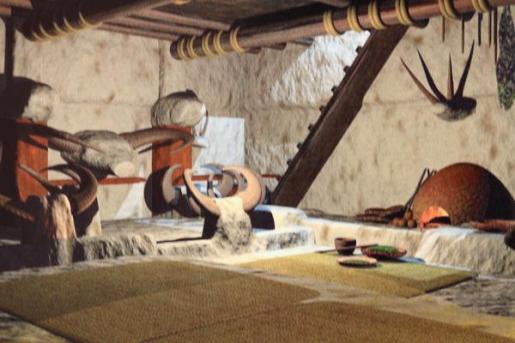
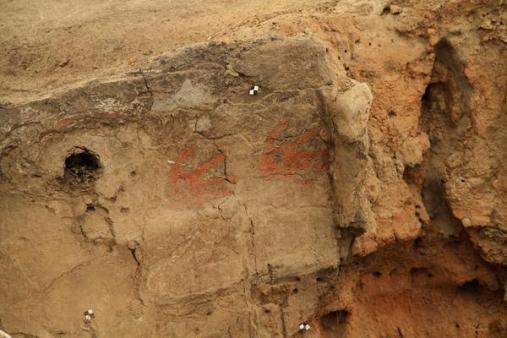
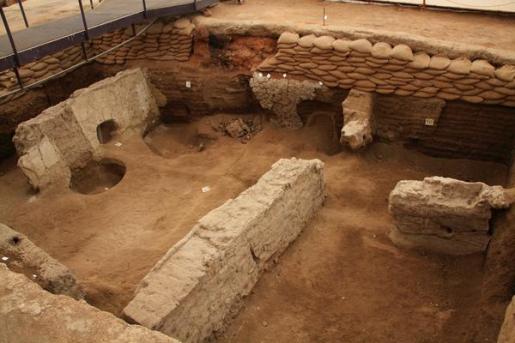
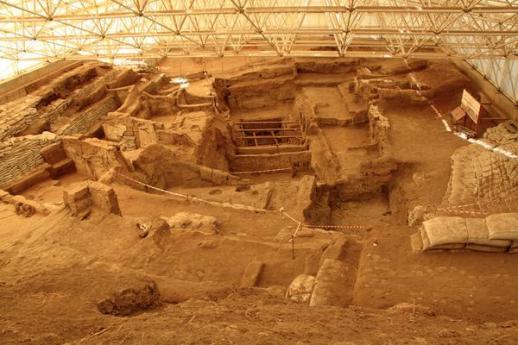
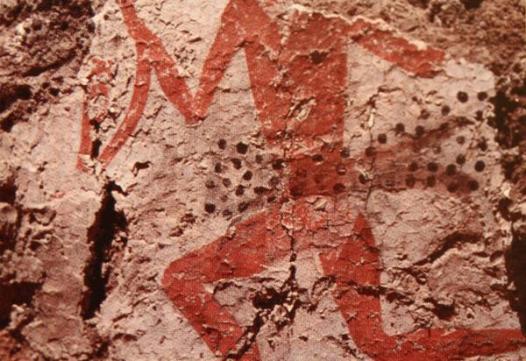
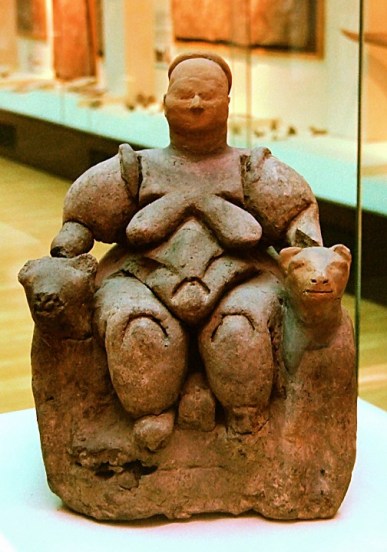
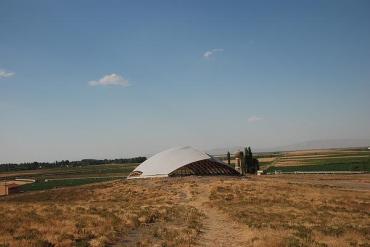 Picture, if you can, the vast flatlands of central Anatolia, dry and brown after the burning heat of summer. This land is the ‘breadbasket’ of Turkey, in some ways similar to the North American prairie or the steppes of Ukraine. Out of this flatness a mound some 21 metres high rises, topped by two alien structures – this is Çatalhöyük, the site of one the oldest human settlements yet discovered.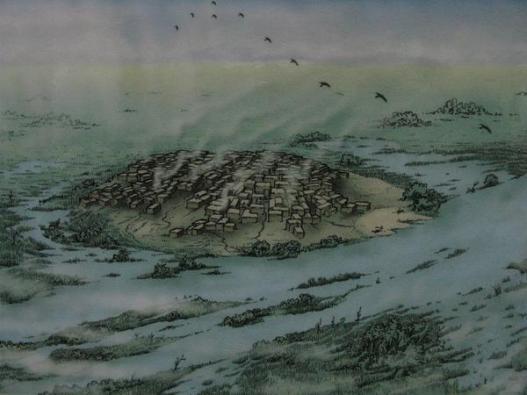
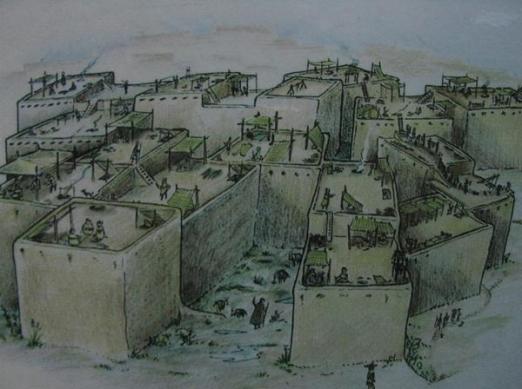

 From Archers of Okçular September 2013
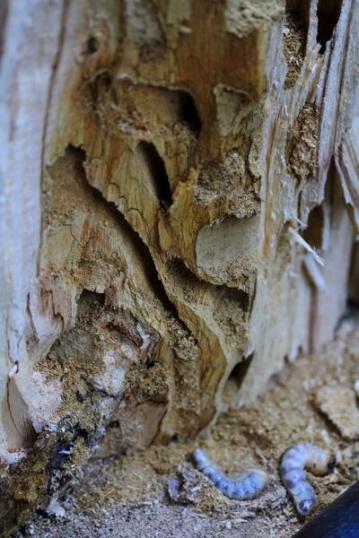
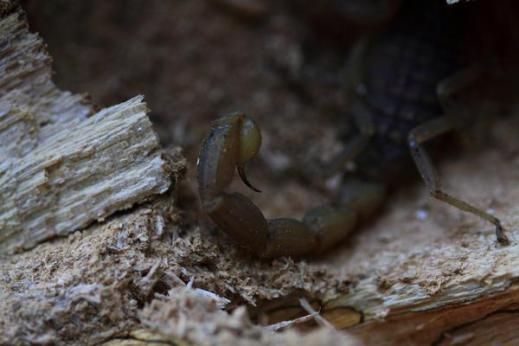
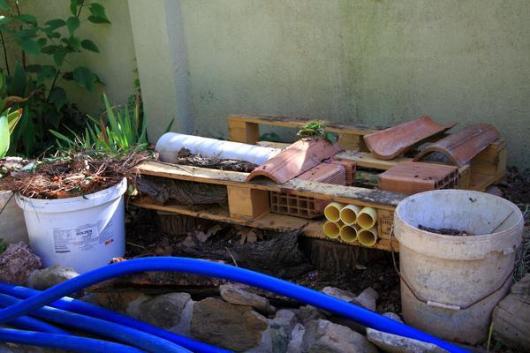
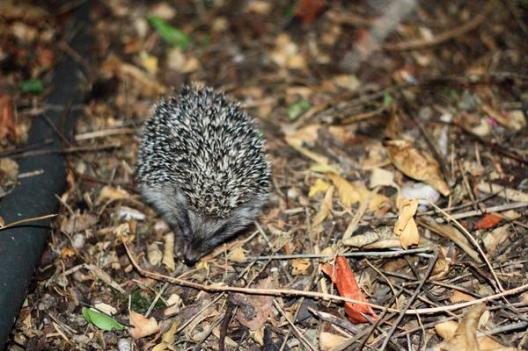
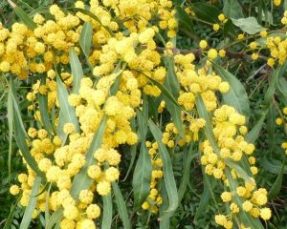 Fast forward to this past week. We used to have a rather large Acacia retinoides, known locally as İzmir Mimosa – we rather liked it! We also rather like (amongst other things)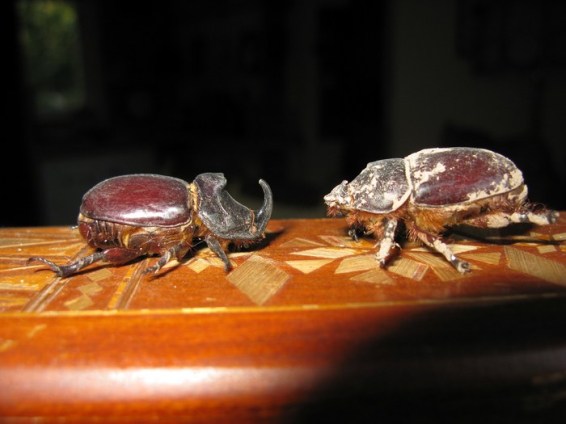
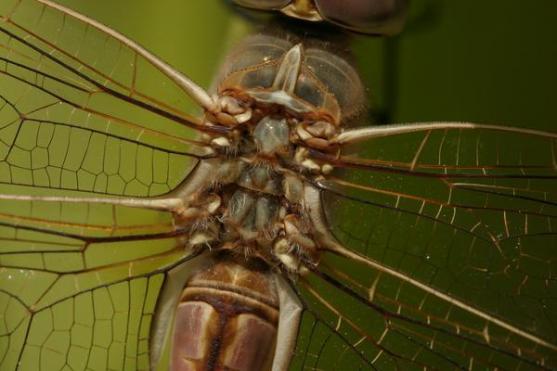
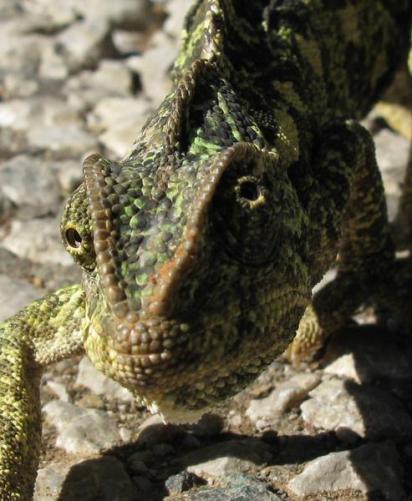
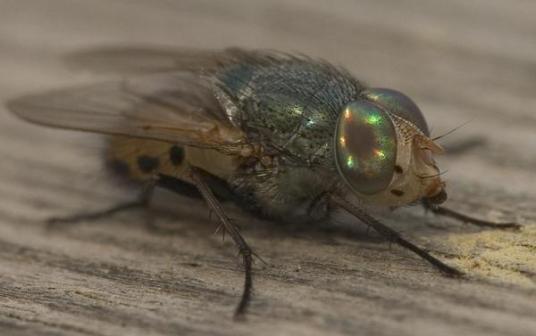
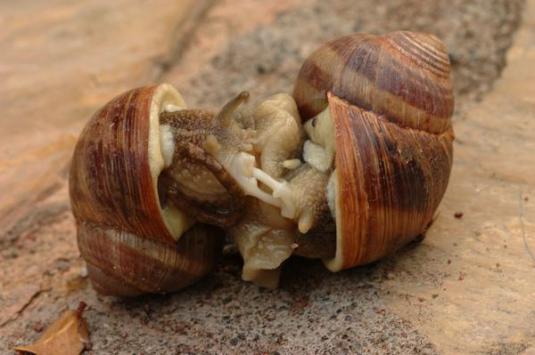

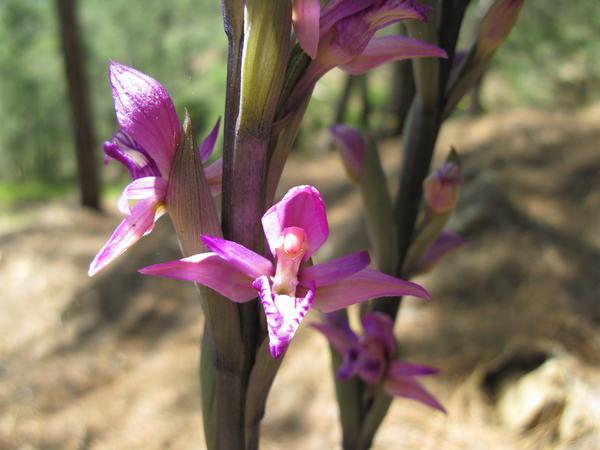
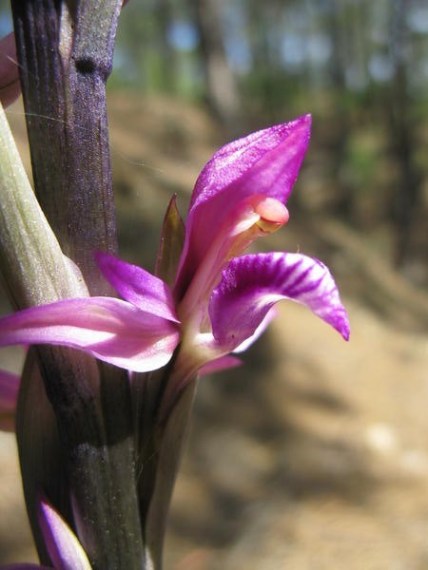
 Last week I was rambling on about wandering over the mountains and getting overly excited about a huge stick of ‘asparagus‘ that I’d discovered. In my sweaty, fevered state I’d convinced myself that it must be the biggest tongue orchid anyone had ever seen and vowed to return this week to check it out once it had flowered.


 Bof's Blog