
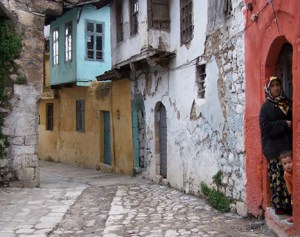
 J and I found Antakya, the principal city of Hatay, SE Turkey, to be an astonishingly cosmopolitan place. Laid back, Istanbul fashions everywhere, and barely a headscarf to be seen. The old parts of the town are not extensive but are a delight to explore – the people, as everywhere in Turkey, are open and warm-hearted. If that is not enough for you then there is always the local speciality dessert, Künefe.
Künefe can be found all over Turkey, but the stuff that masquerades under that name elsewhere pales into mediocrity when compared with the real thing that is served in Antakya. Although künefe shops are very common throughout Hatay, Kilis, Adana, Mersin and Gaziantep provinces, Antakya is known for the best künefe in Turkey. What distinguishes Antakya’s künefe from others is the freshly made, elastic cheese that only comes from Hatay region. The kadayıf (shredded phyllo dough) is also made from scratch at small künefe shops on almost every corner in Antakya. Watching it being made is a form of street entertainment in its own right!
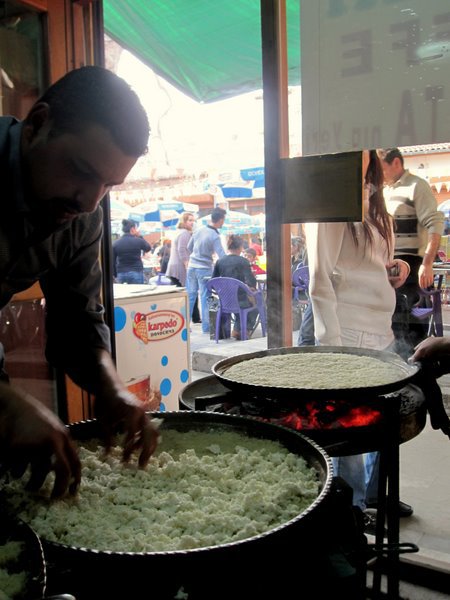
Sitting at a künefe shop, observing the world walk by whilst savouring a plate of this wondrous stuff, topped off with ice cream, should be high on your ‘bucket list’ – in fact, it is almost worth dying for! Almost!
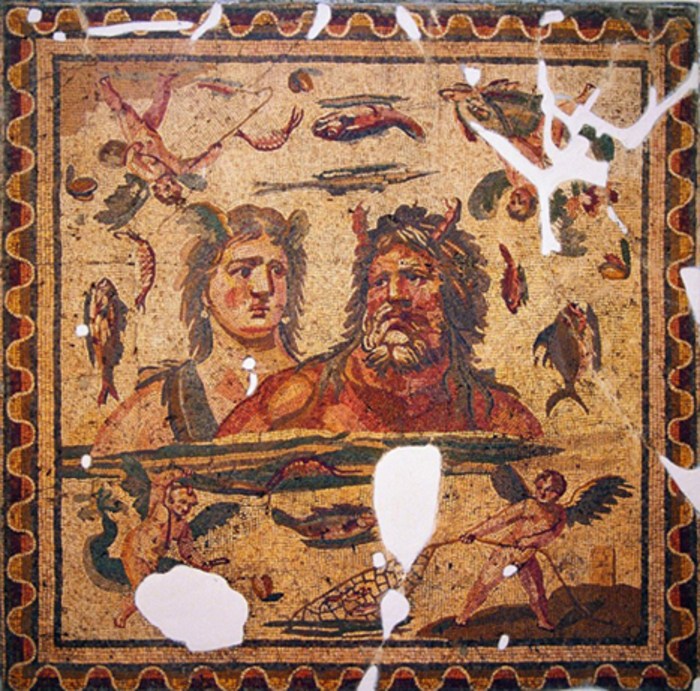
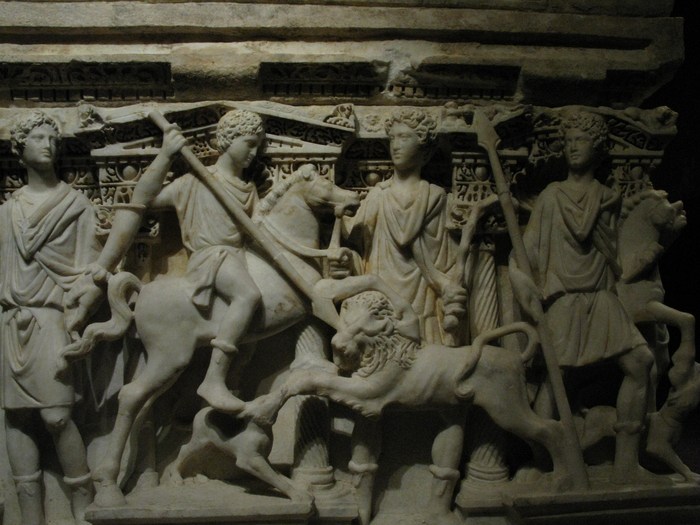
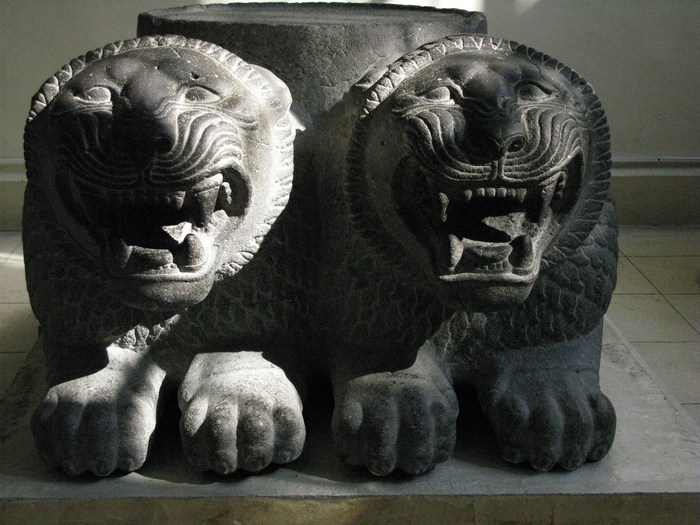
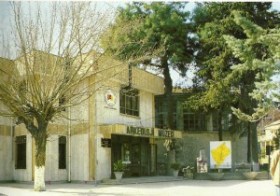 Anyway, enough of that! This post is about feeding the mind, not the belly; and just across the river from where J and I were stuffing ourselves lies the rather sad looking Museum of Archaeology. Had we not had an inkling of what lay inside we might well have given it a miss and that would have been a mistake. There are the usual marble tombs, busts and statues of long departed emperors, governors and their ladies – gods and goddesses, nymphs and shepherds (coming away), etc. There is also one of the most remarkable collections of Roman wall and floor mosaics to be found outside Ankara or Rome.
Here are just some of them together with a bit of information about what you are looking at. The pictures are not the greatest as there was a ‘no photography’ policy at the time and trying to be discreet with an SLR is not easy! I have ‘enhanced’ some to bring out the colours more, otherwise they are ‘as is’.
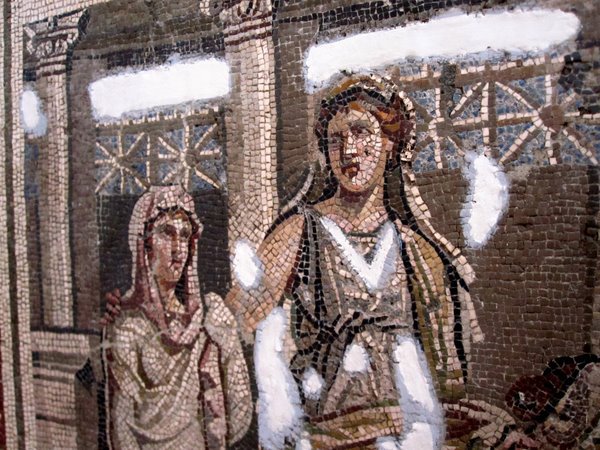
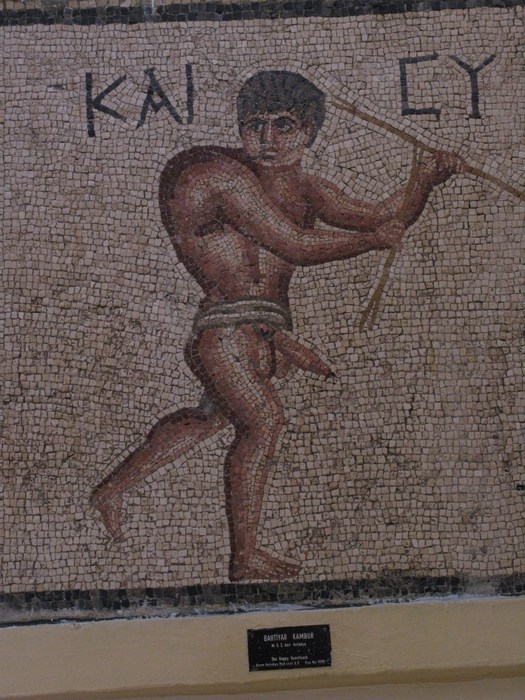
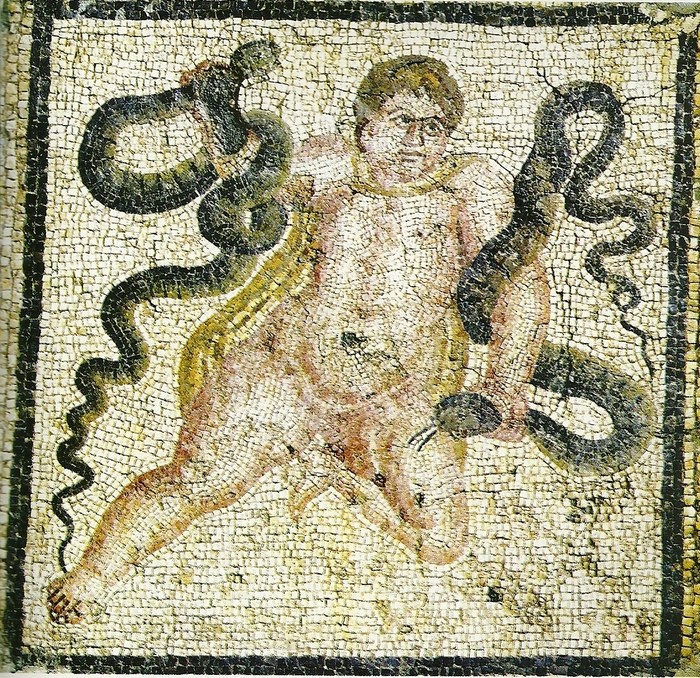
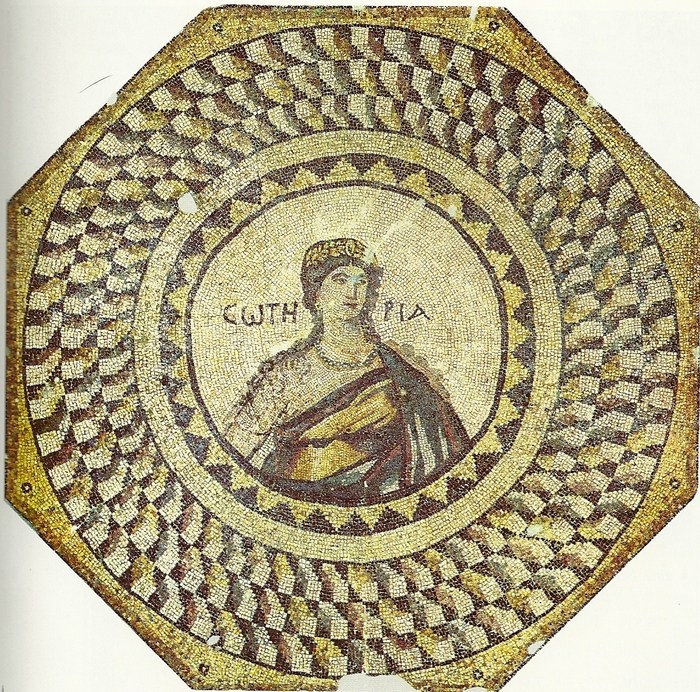
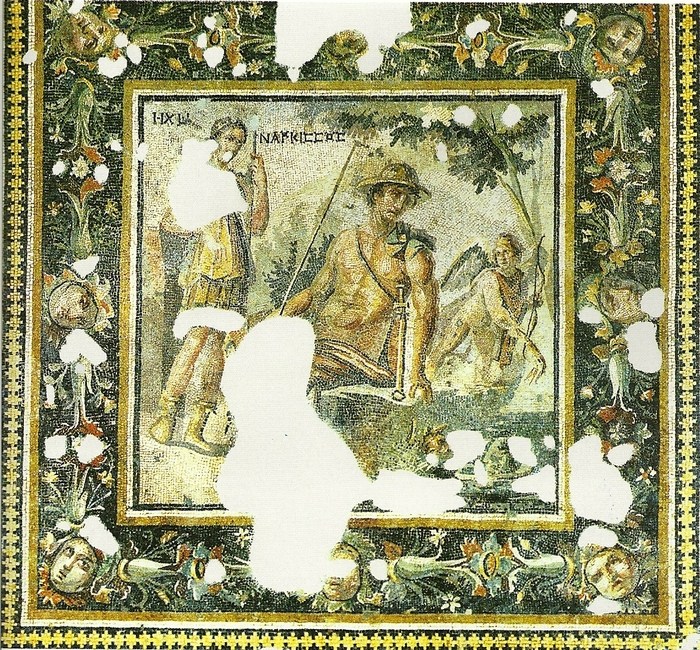
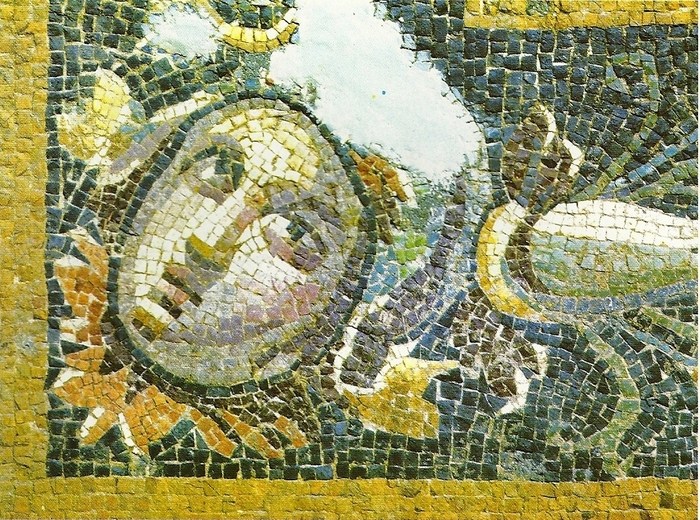
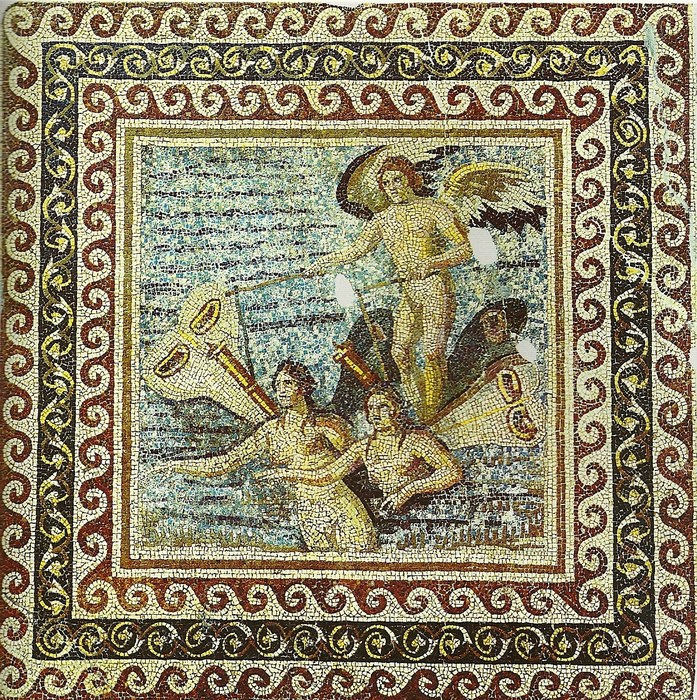
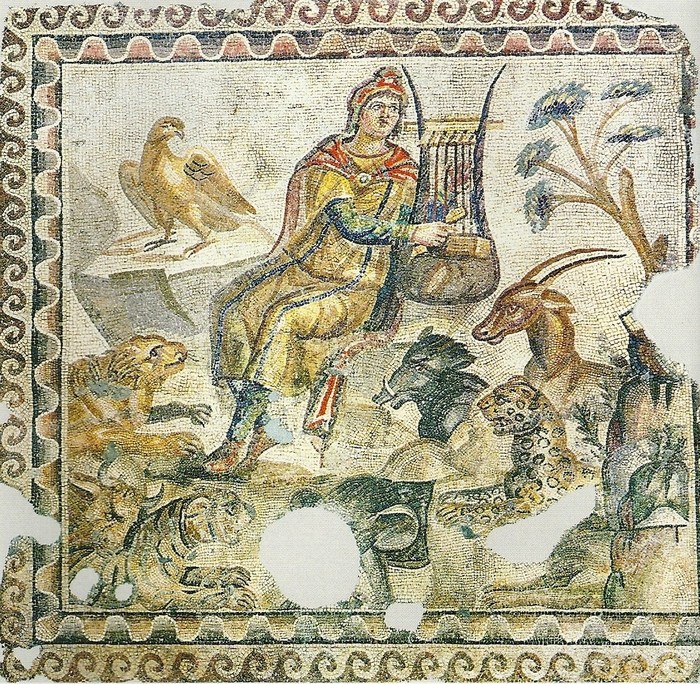
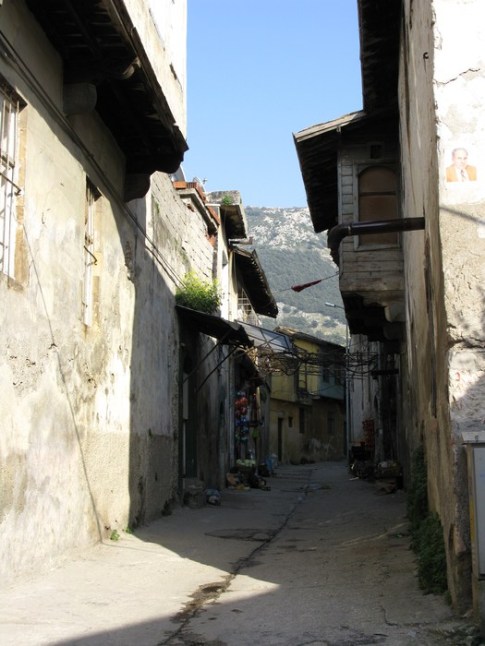
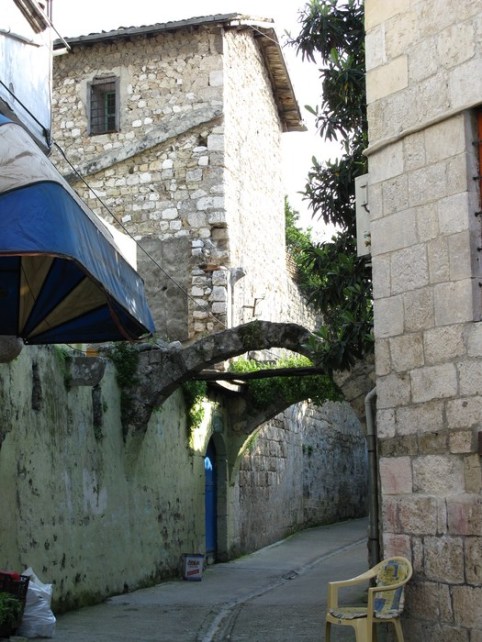
. . and so many more! To finish off, here’s a couple of general shots around town.
Alan in Okçular
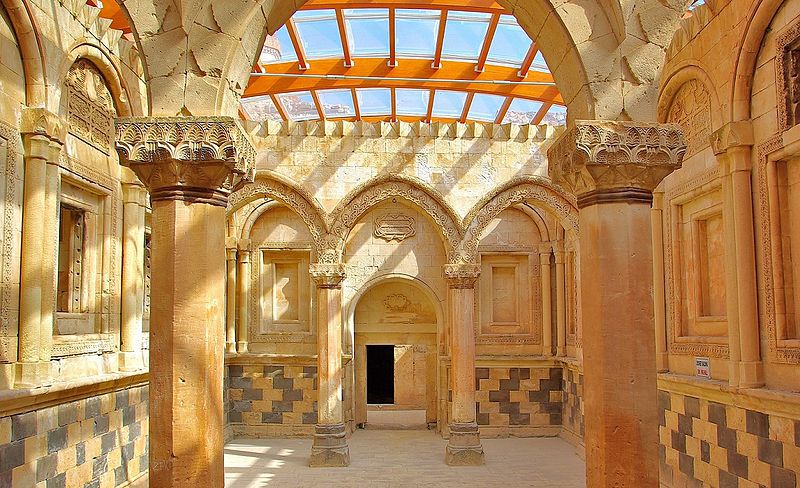
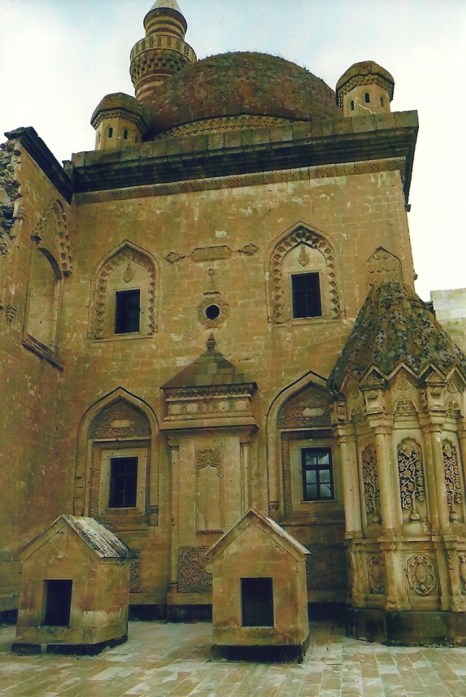
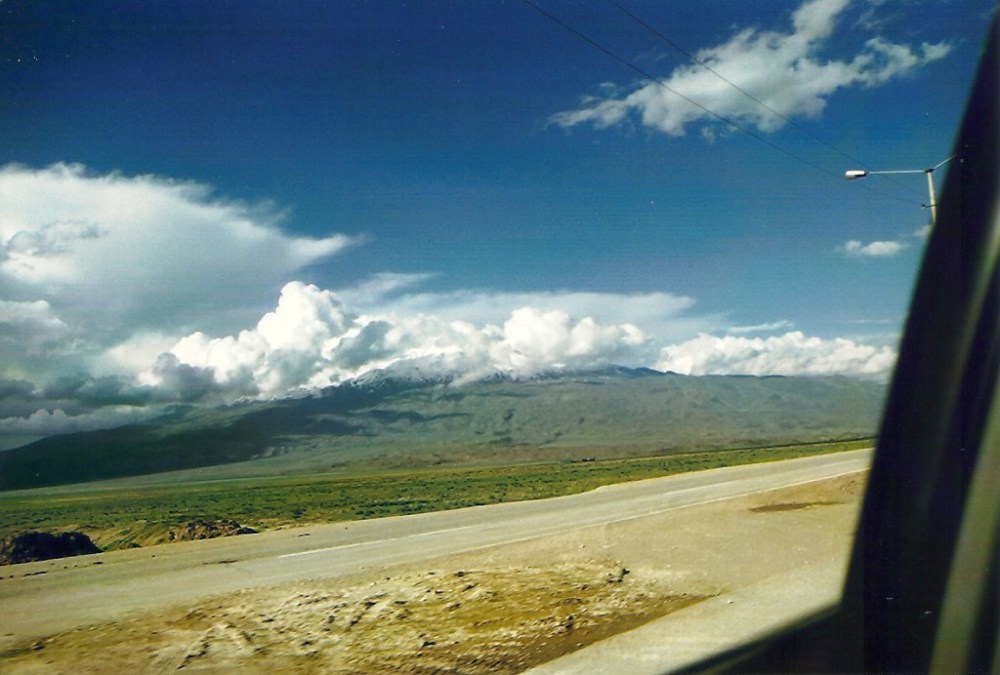
 Here we go on another of those ‘Tardis’ time trips; this time back to the year 2003 of the Modern Era (as we have to say now). J and I were touring around the east of Turkey with our kaymakam ‘son’ and his very new and very delightful wife.
 The kindly kaymakam had enquired about our plans and our mode of transport (my trusty Doblo) and had hurrumphed at its short-comings in such terrain. ‘This is an important town with much diplomatic comings and goings’ he informed us. ‘I have several 4x4s why don’t you use one of those? In fact, you might as well have my driver as well, he knows the way around.’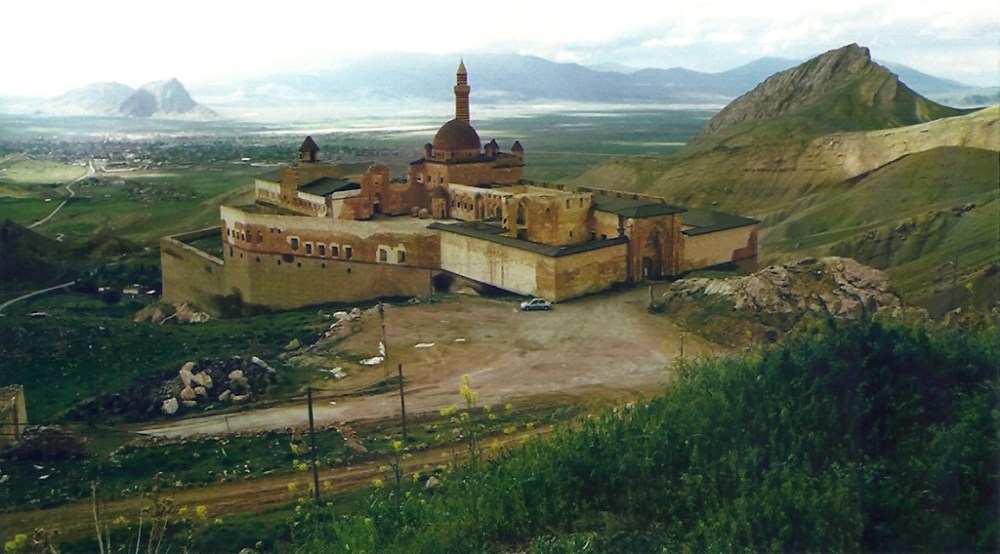
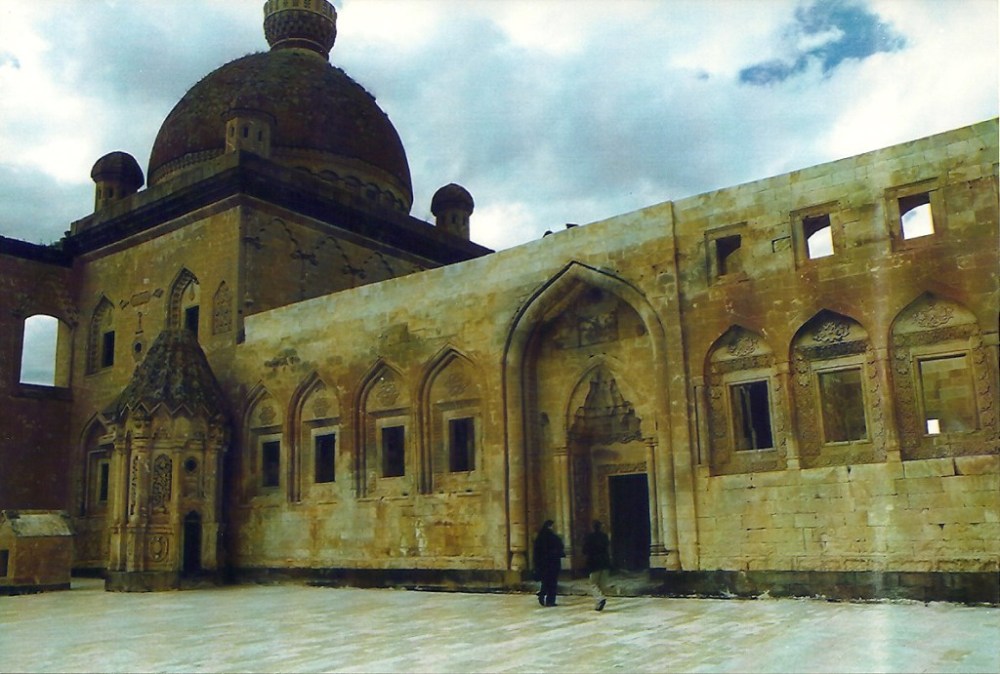
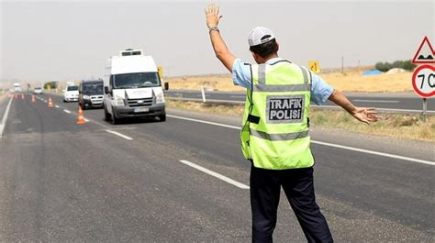 J and I were on our way up here to the cabin when we, along with others, were pulled over by the traffic police for a routine document check. It’s so routine here in Turkey that we expect it and are delighted when we are waved through and not over. In our more than 20 years of driving here we have been meticulous about all or documents and paperwork being in order because we really don’t want to fall foul of the bureaucracy here.
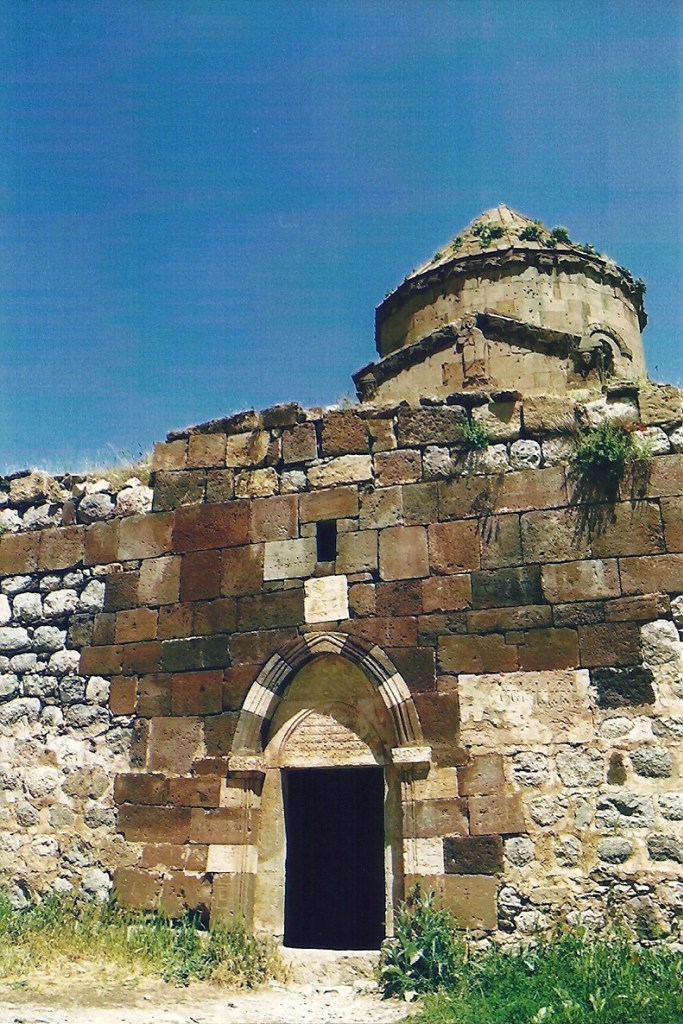
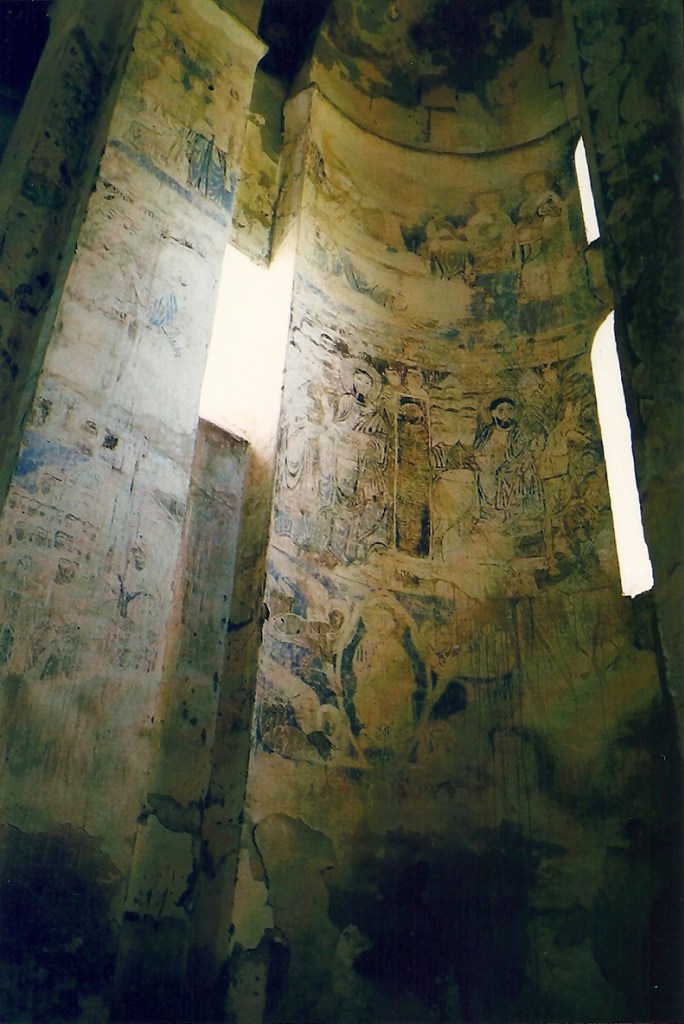
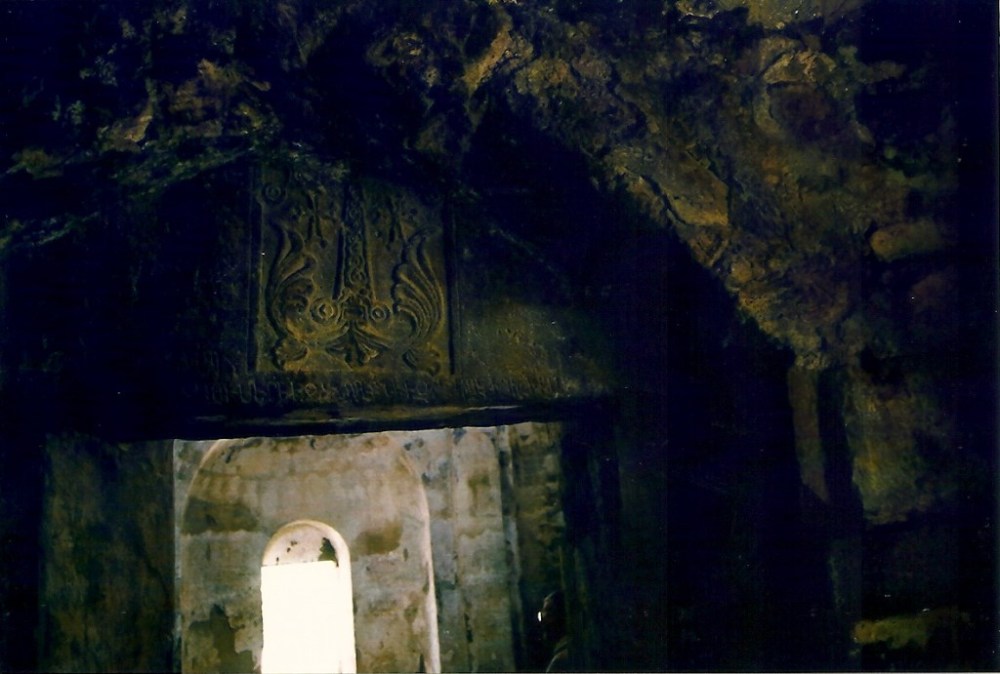
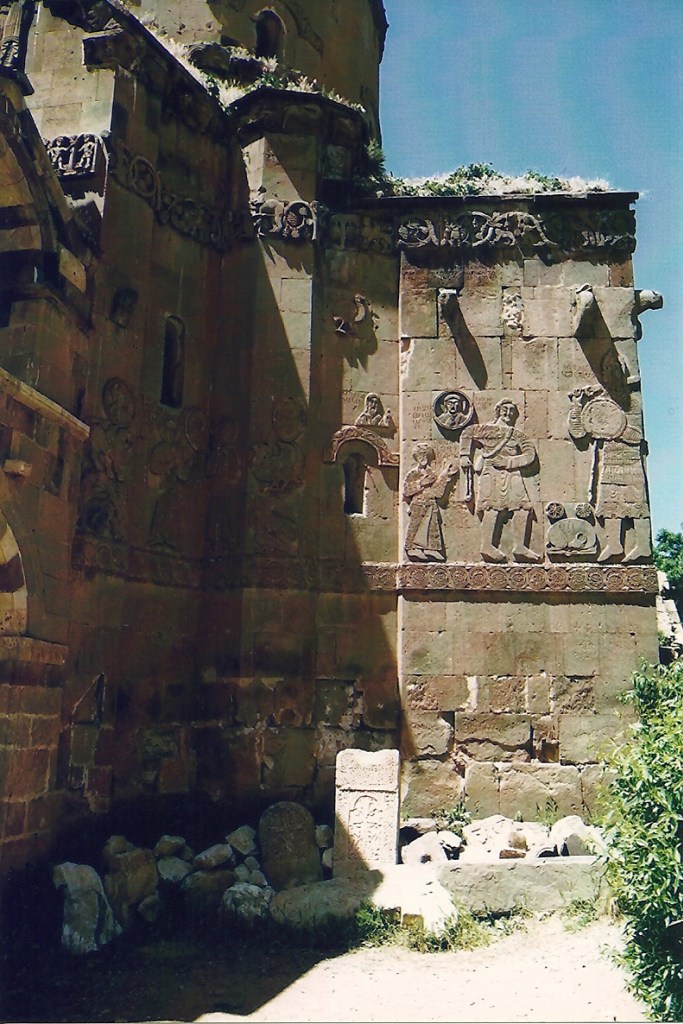
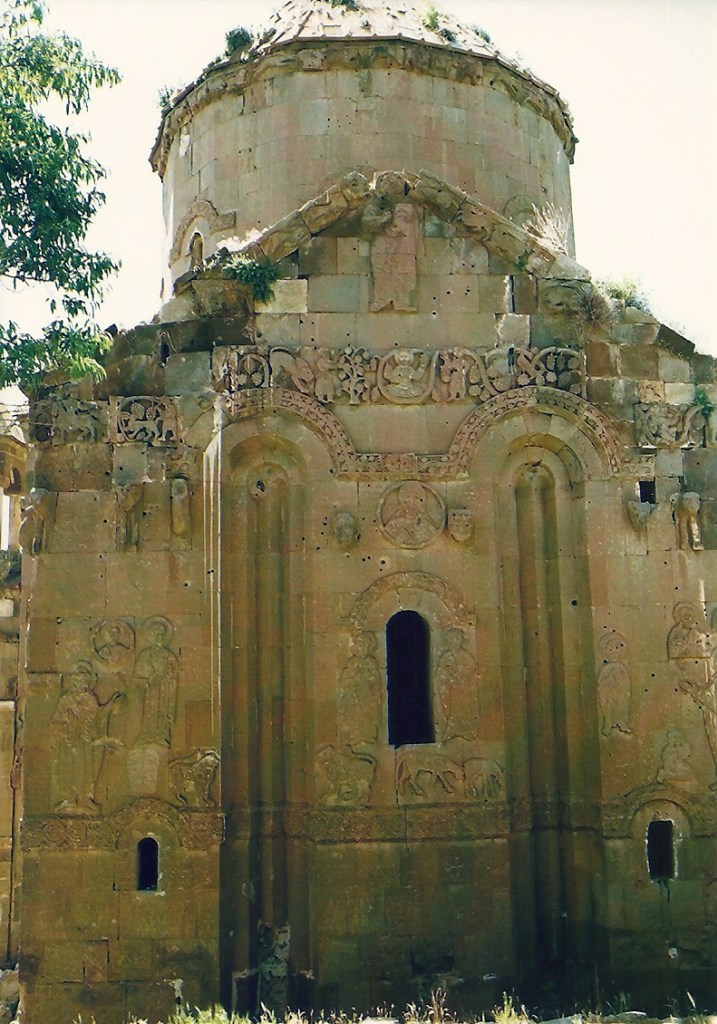
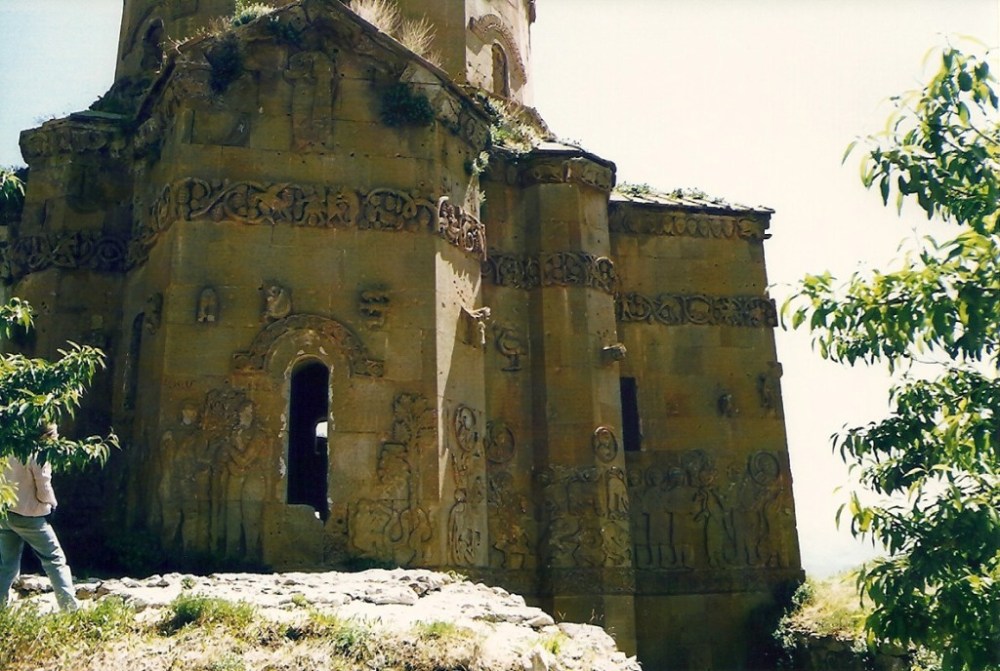
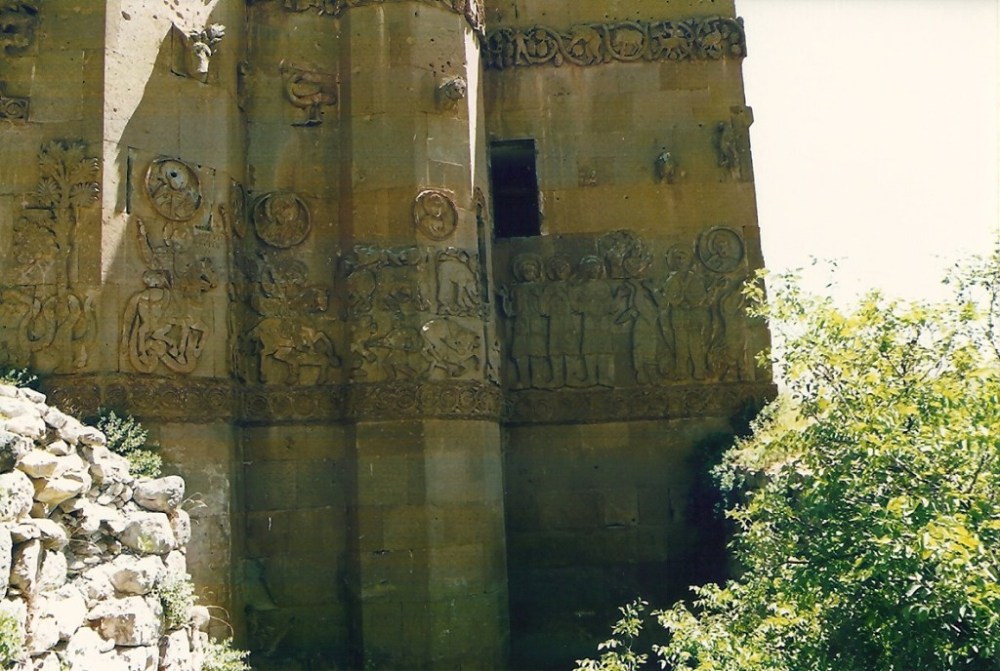
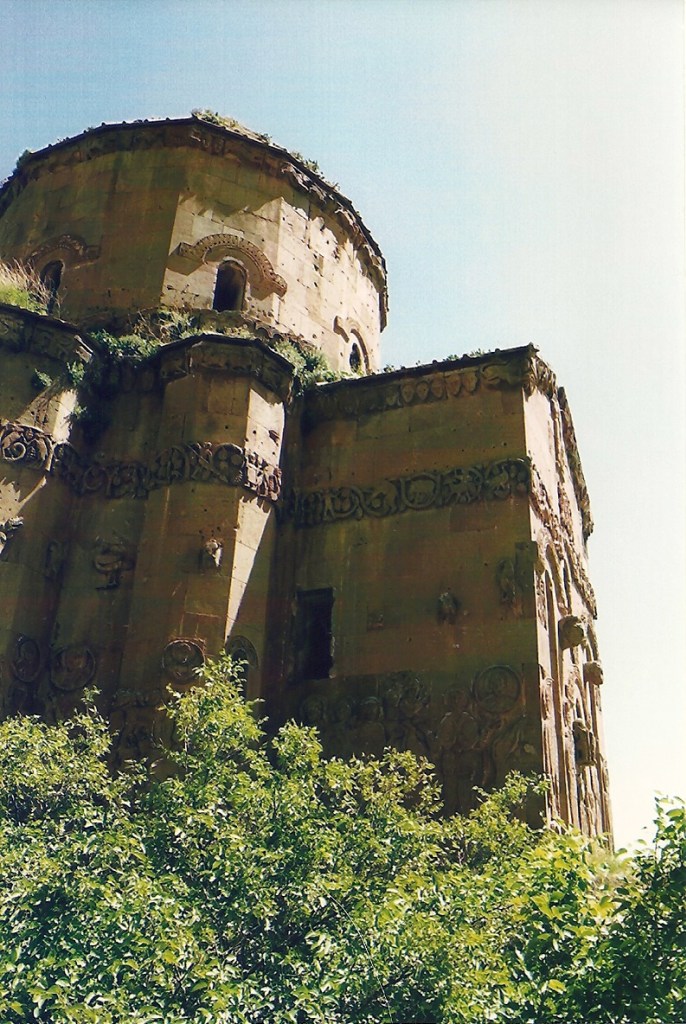
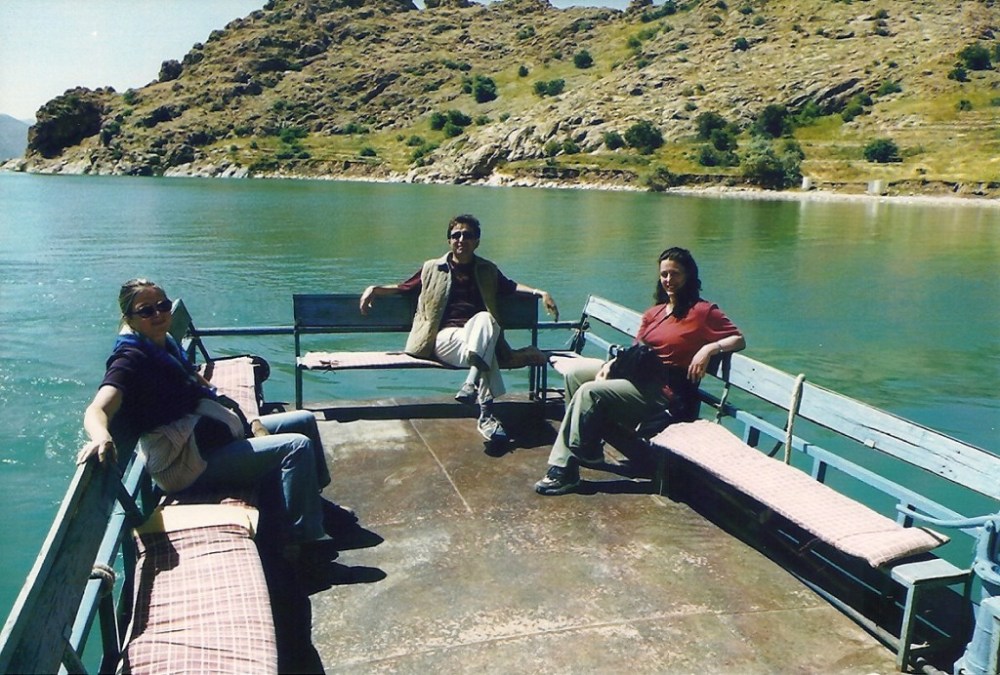
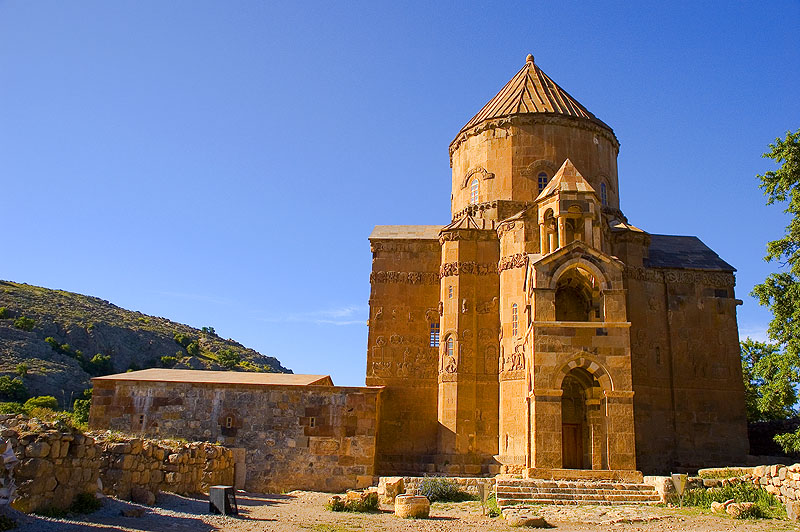
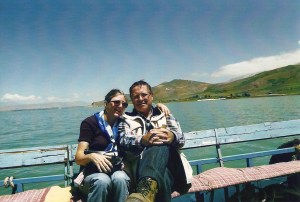 Join me as we slip back to a time before (I had) a digital camera – it is Spring; the year is 2003 and we are aboard a small boat heading for the island of Akhtamar, or Akdamar that lies 3 kms out into Lake Van in Eastern Turkey.
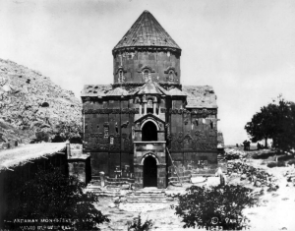 The Church of the Holy Cross was the seat of Armenian patriarchs from 1116 until 1895 when it was abandoned due to ‘difficulties’ between Armenians and the Ottoman Empire. The church fell into disrepair – in 1951 there was a concerted effort to demolish the complex – fortunately the total destruction was prevented by an observant military officer and an enlightened minister in Ankara. Today, all that remains is the church.
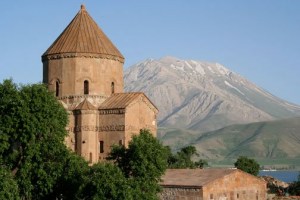 In 2005-6 the Turkish government carried out a programme of restoration and the church was opened as a museum in 2007. In 2010 the first mass in 95 years was celebrated and in the same year the cross was replaced on the dome.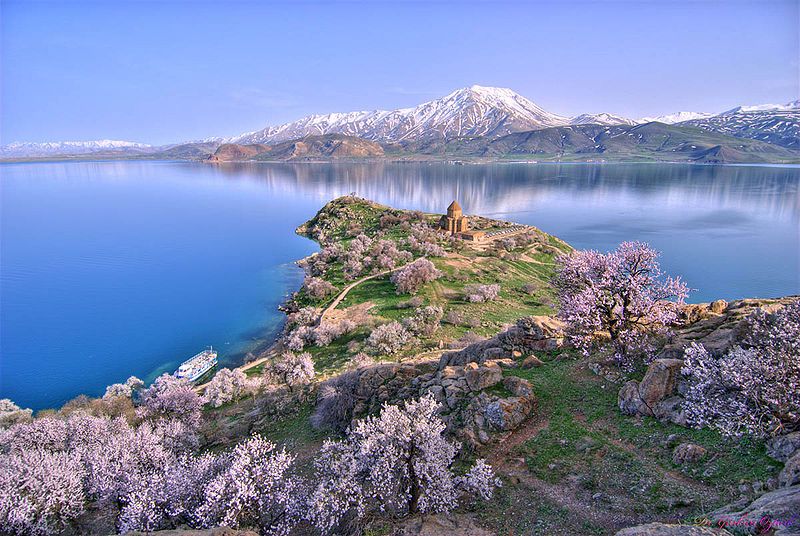
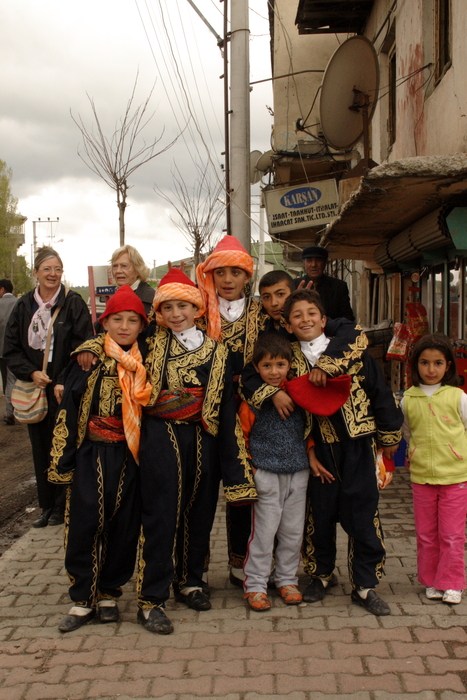
 . . an appropriate title for a trip back in time to 2004. J and I were on one of our periodic wanderings around the east of the country; Erzurum in general and the ‘almost’ town of Çat in particular. ‘Almost’, because the place is only about the size of a village and had to be twinned with another village a few kilometres away to qualify as a town. The photos left give you a good idea of how ‘basic’ the place is.
 here’s some background. We were there visiting our ‘son’ who was the resident kaymakam with responsibility for an area covering some 30 villages. One of the splendid bonuses on these trips is getting to ‘shadow’ him as he goes about his daily tasks and visits to outlying parts of his ‘empire’.
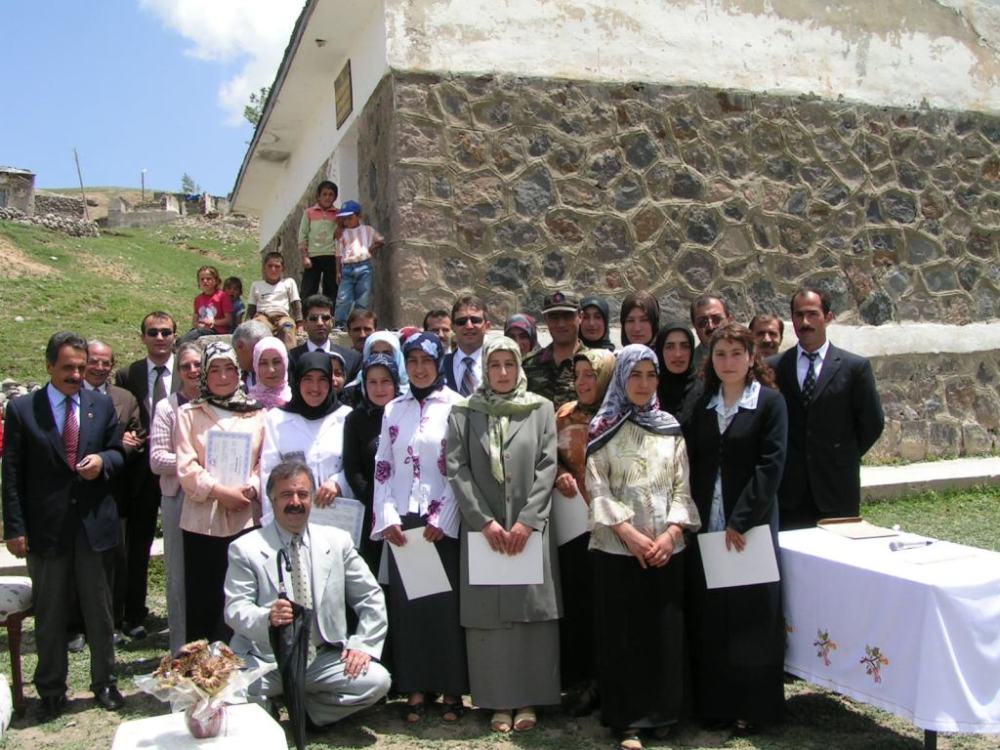
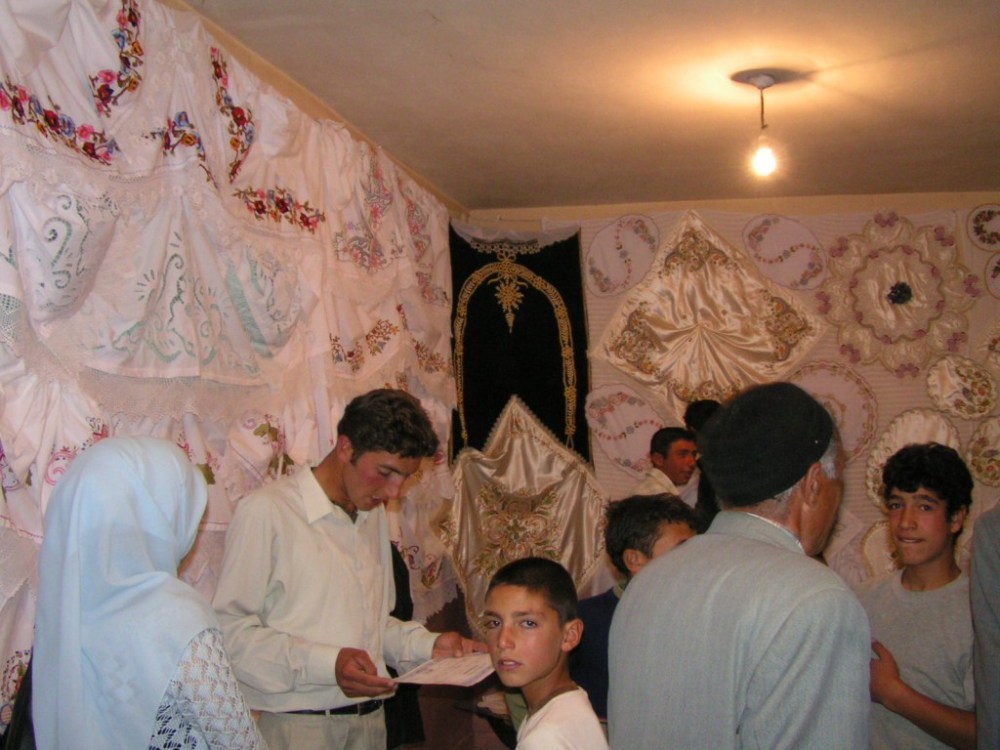
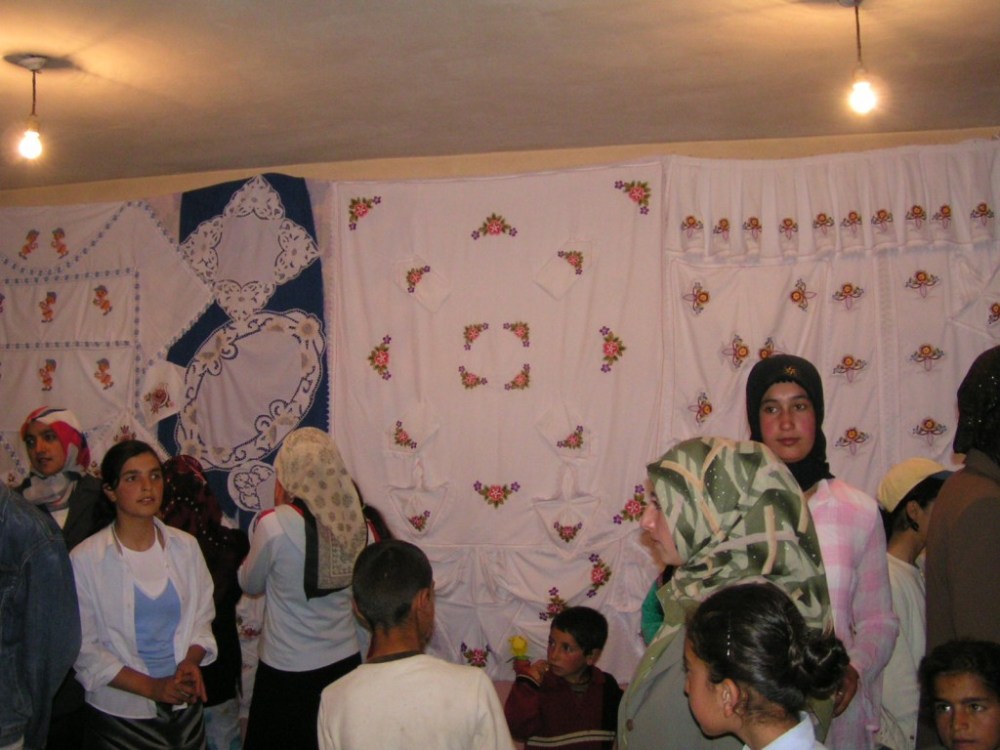
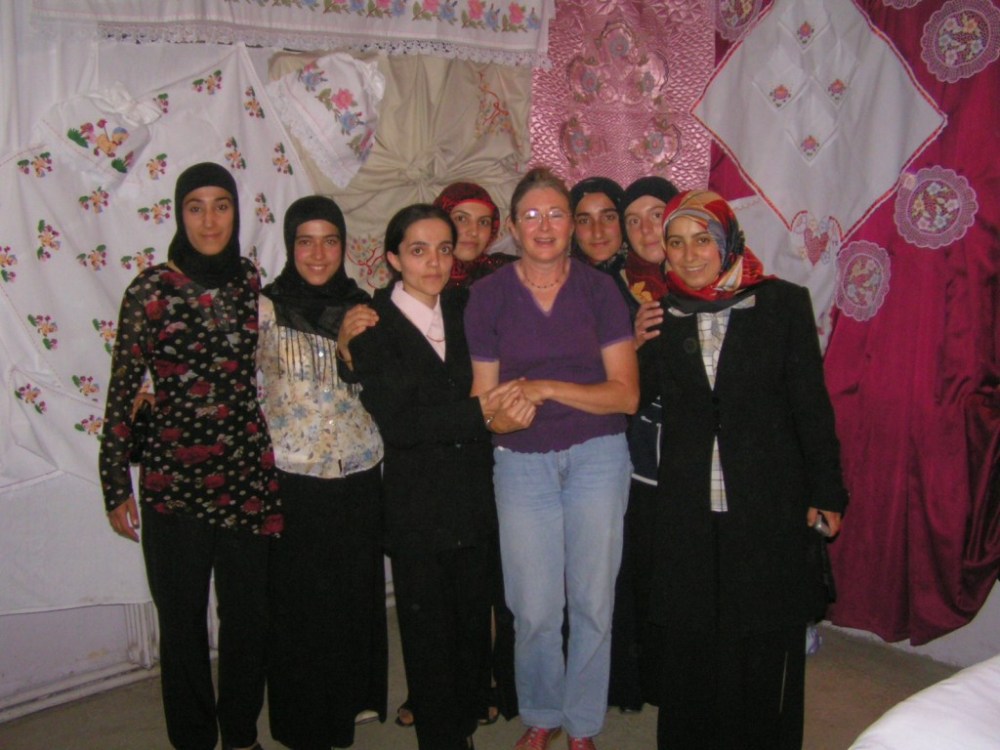
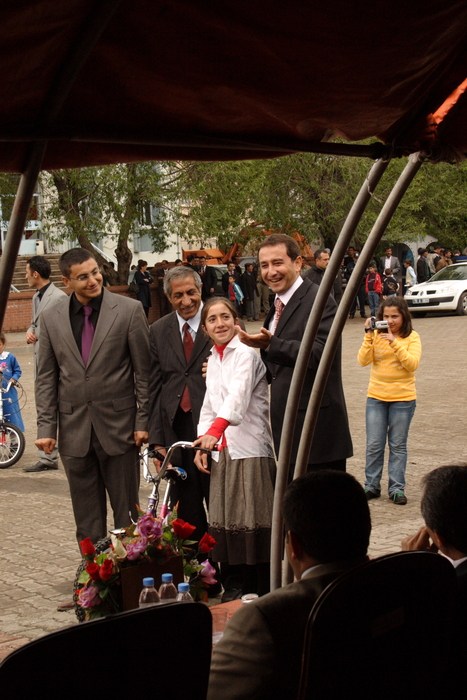
 earning ability of many of the young women by teaching them skills to do with machine embroidery. There was to be an exhibition and a presentation of certificates and, of course, the inevitable speeches.
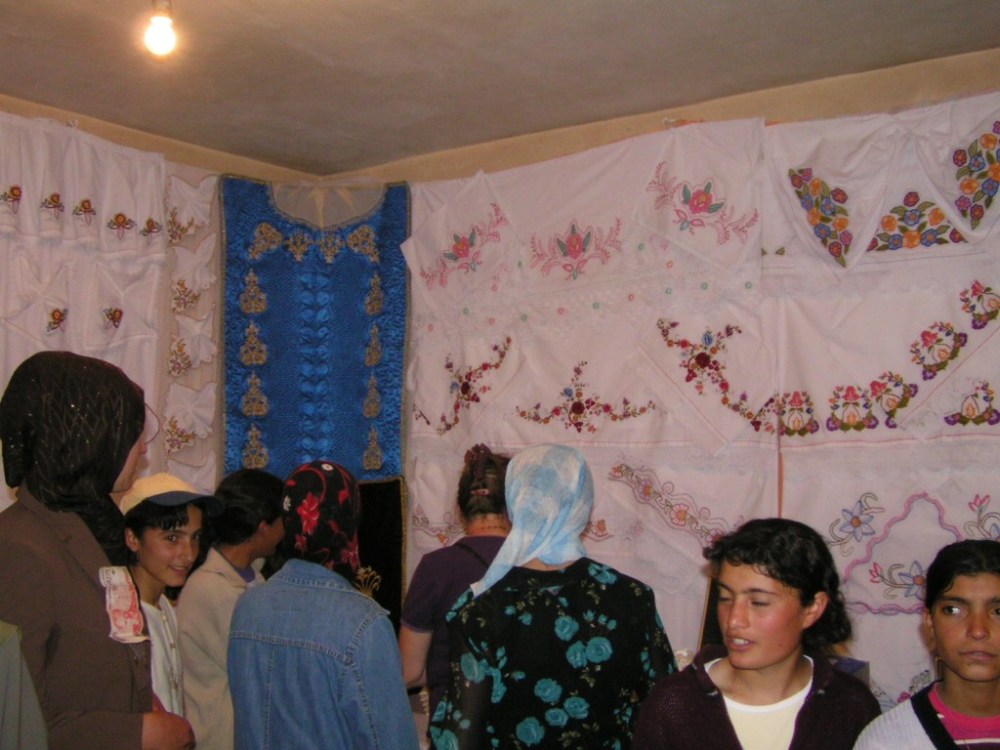
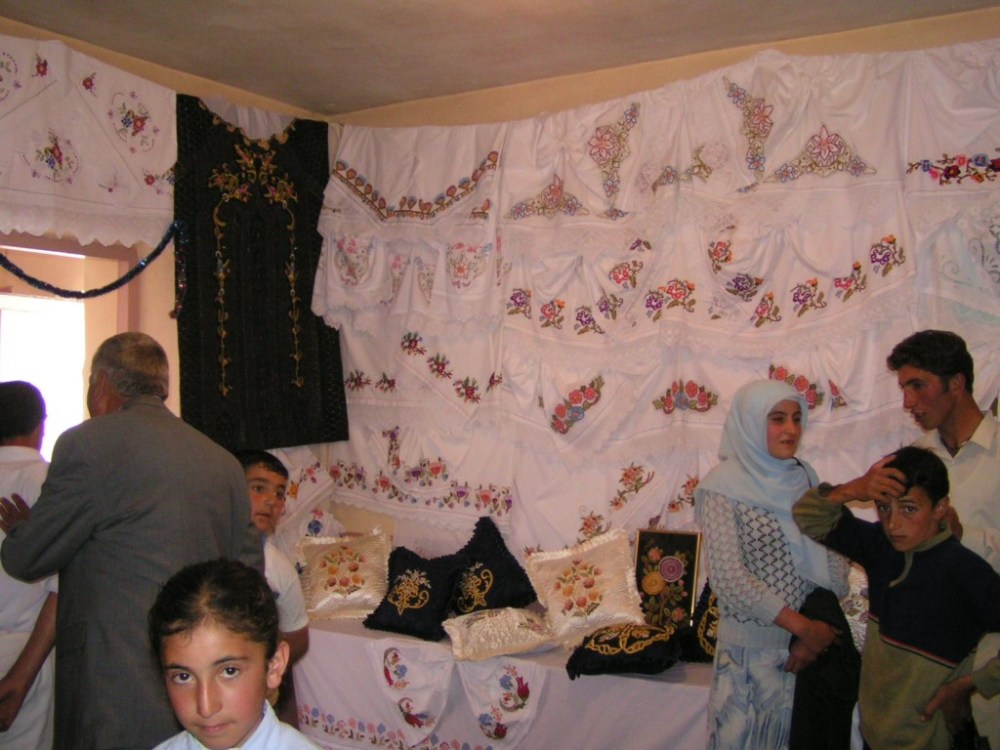
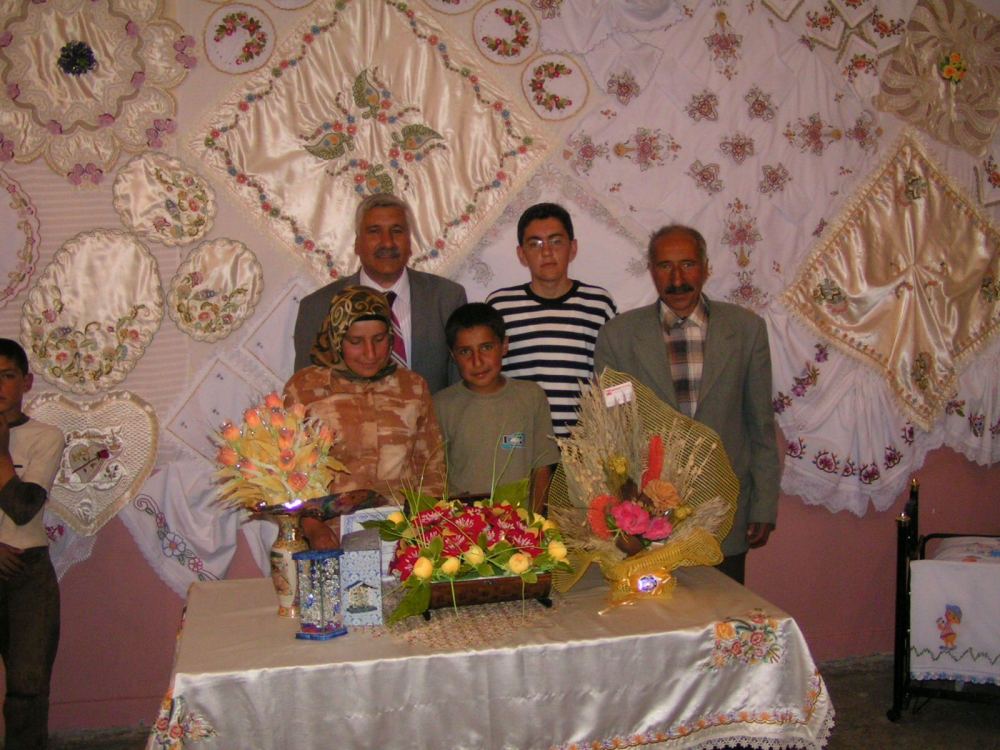

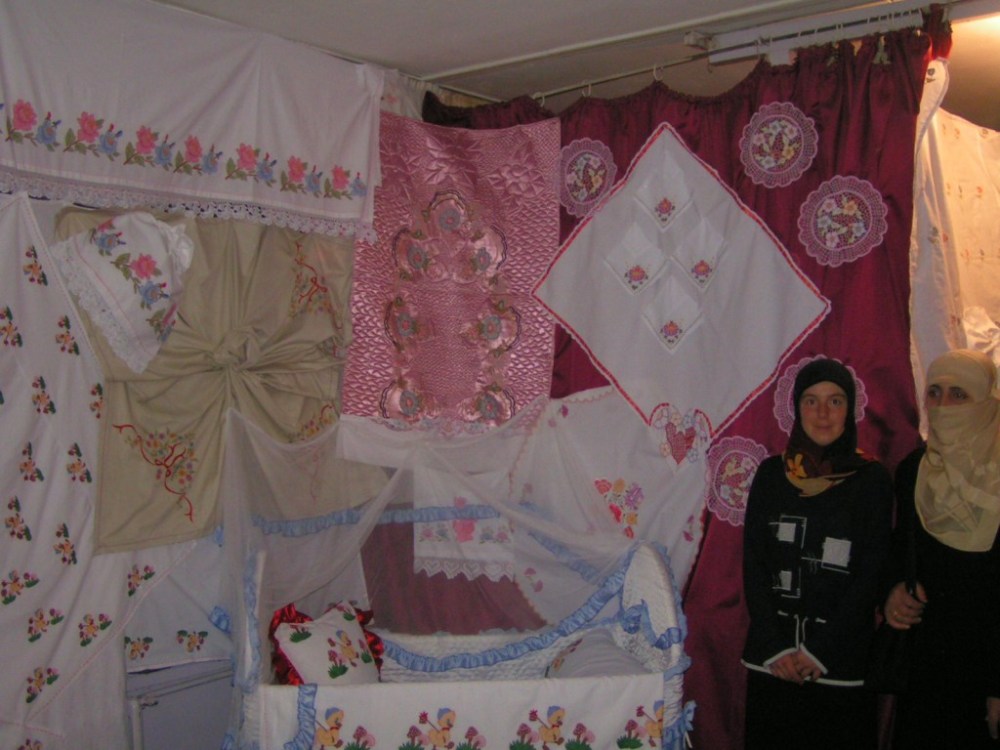
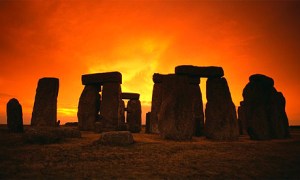 Sometimes, living as we do in a country stuffed full of biological, historical and geographical gems, a land so overflowing with wonderful, wondrous superlatives, we forget to look around our own ‘backyards’. If you live by the junction of the A303 and A360 trunk roads in Wiltshire (UK), I bet that it wouldn’t take long before you wouldn’t even notice that Stonehenge was there!!
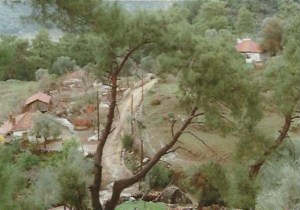 Çandır was one of the first places J and I considered when we were searching for a place to call home here in Turkey. It was Christmas Day 1996 when we arrived, shaken and bruised from a grinding drive along broken tracks (it would be several years before anything remotely resembling a road broke through to the village), and we were ready for something to eat and a glass of tea. This photo is of the original road in to the village.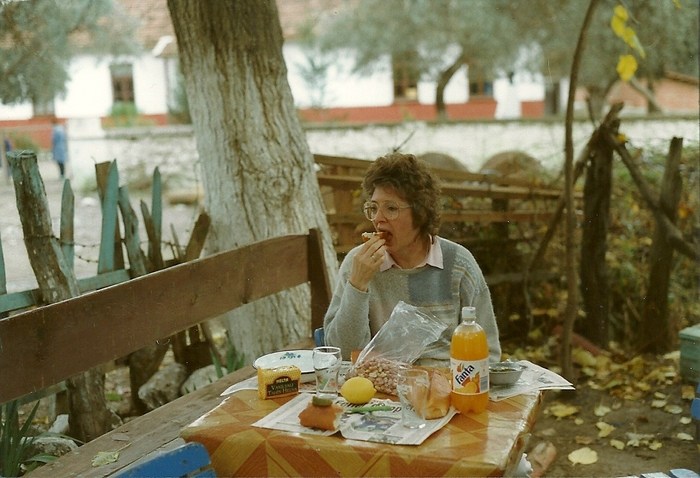
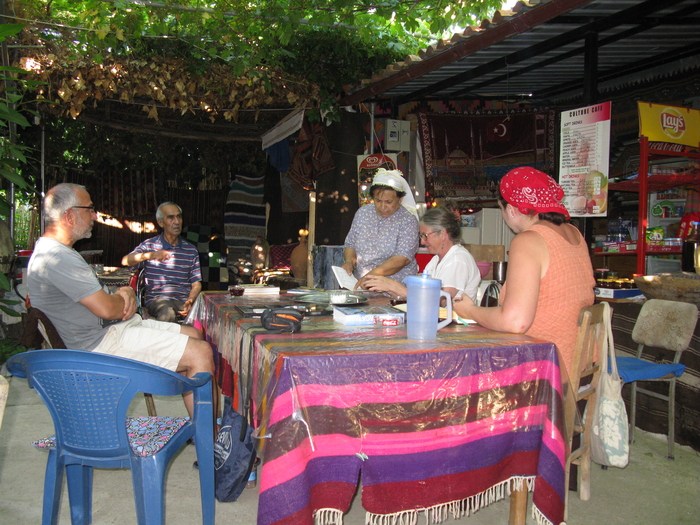
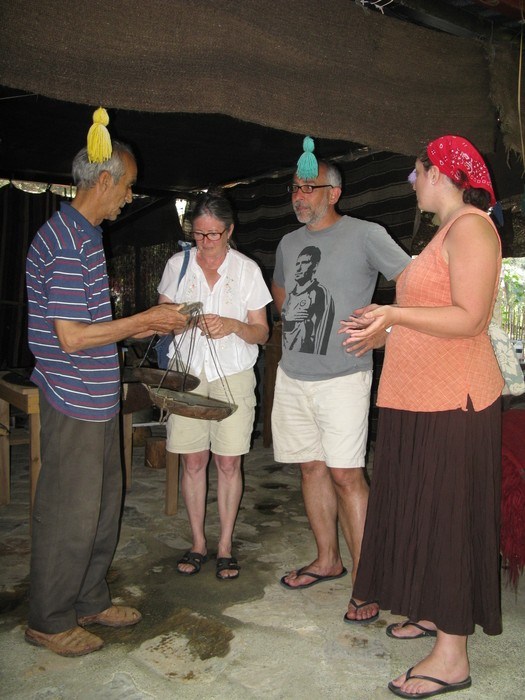
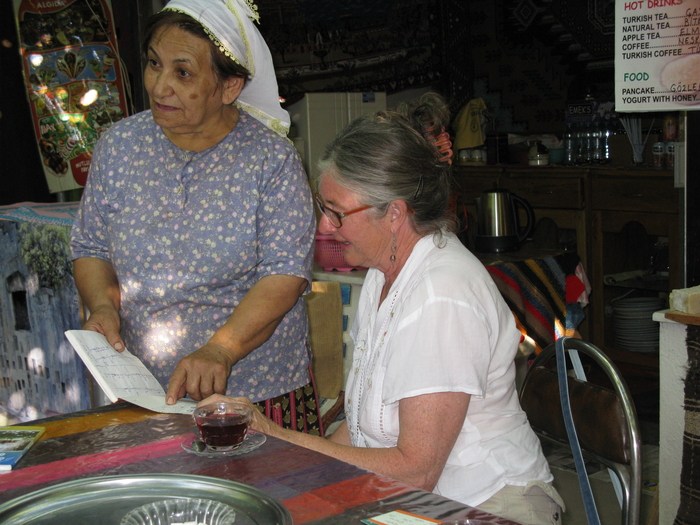
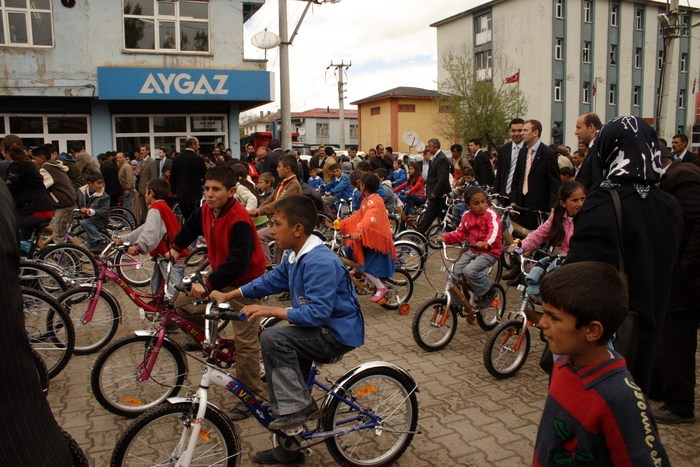
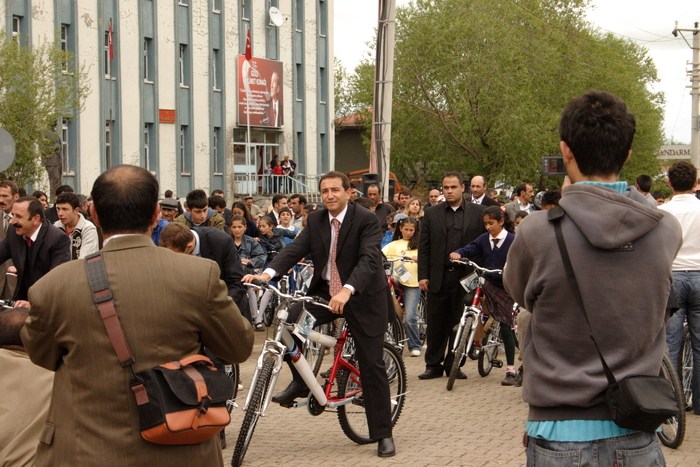
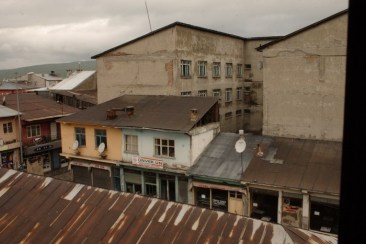 Göle is a rather grubby, nondescript little town in Turkey’s Ardahan Province. It was also the scene of a minor revolution that, with a little luck and a fair wind, will have a profound effect on the lives of hundreds of kids.
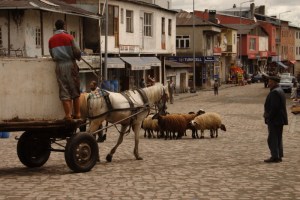 Kaymakams wield considerable power and control substantial budgets; some use their position to bring real benefits to the areas under their control, whilst a few do little more than collect their monthly pay packets! We have, on numerous occasions, watched ‘our’ man make good on his promise to us that he would always seek to work for the people. We have witnessed countless individuals benefit from acts of relief, and numerous larger projects bring benefits to the wider community. From helping the destitute to setting up an organic food/milk/cheese cooperative; from pioneering environmentally friendly road surfacing (with a South African-Turkish company) to breaking the strangle-hold of monopoly produce buyers; we have seen so much good done.
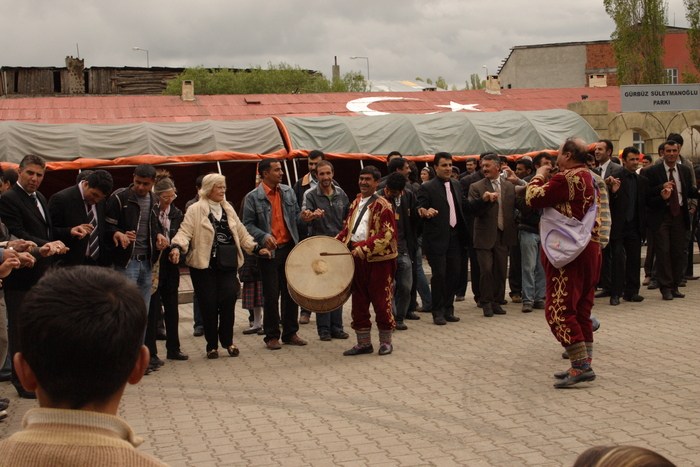
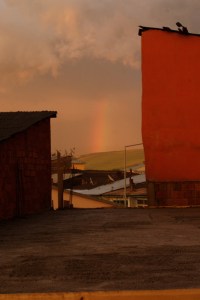 On their special day, we joined the children, the media and the many members of the inevitable ‘protokol’ for the presentation of the prizes. As happens every day in Ardahan, it rained, which had no effect whatsoever on the proceedings and on the spontaneous street party that erupted.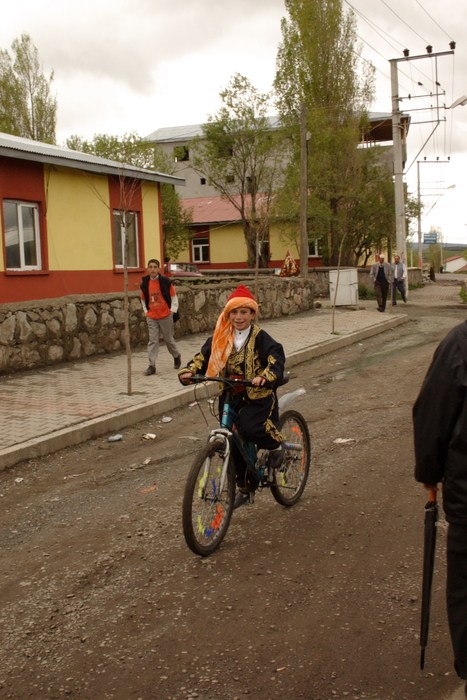
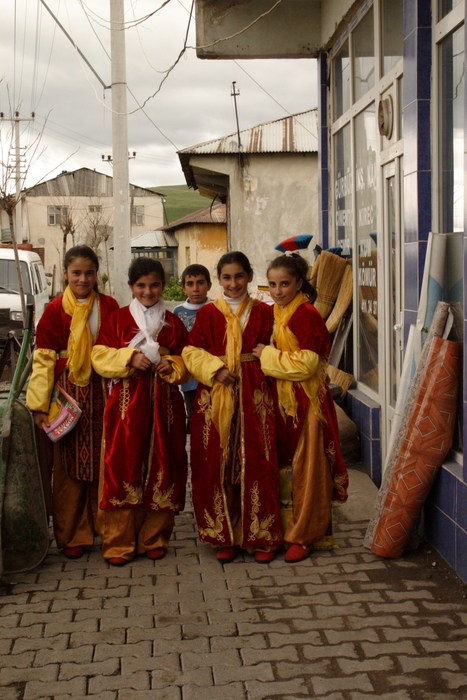
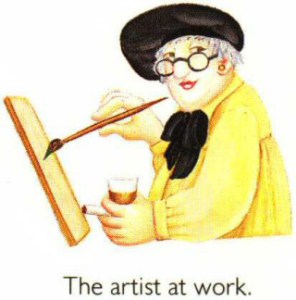
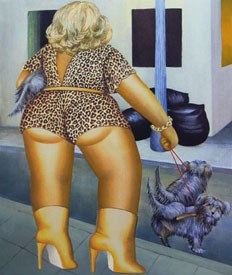

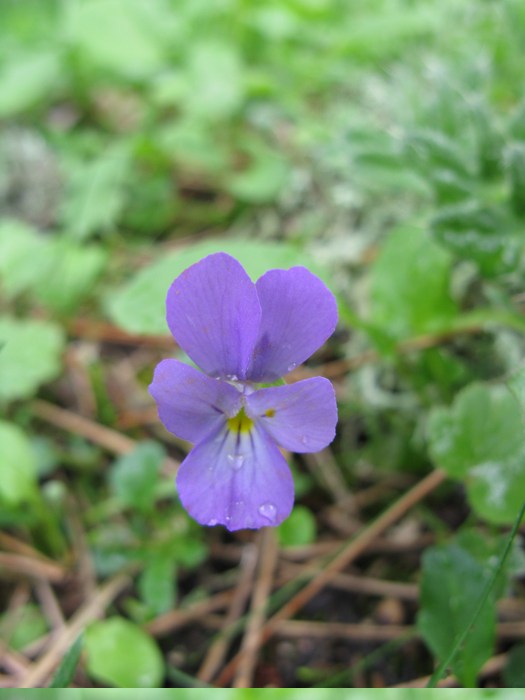
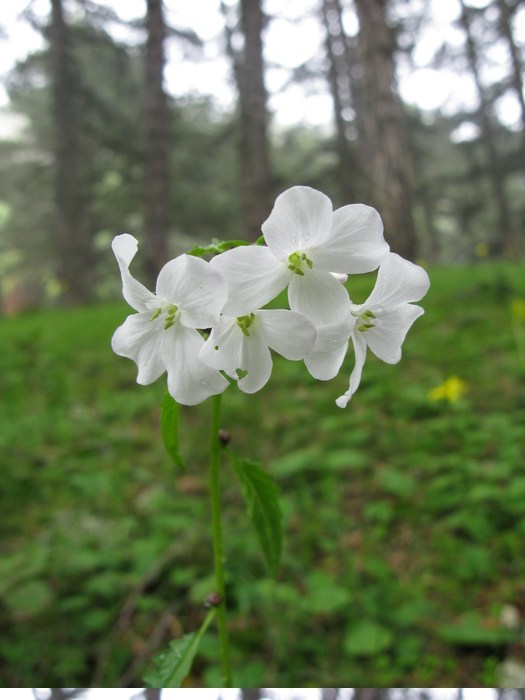
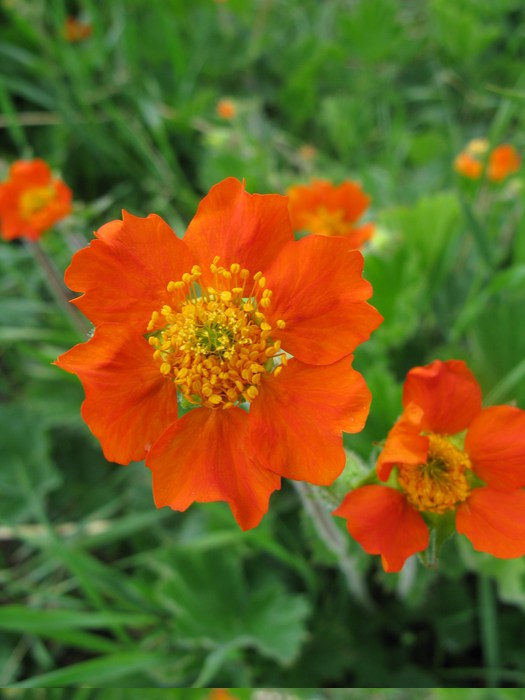
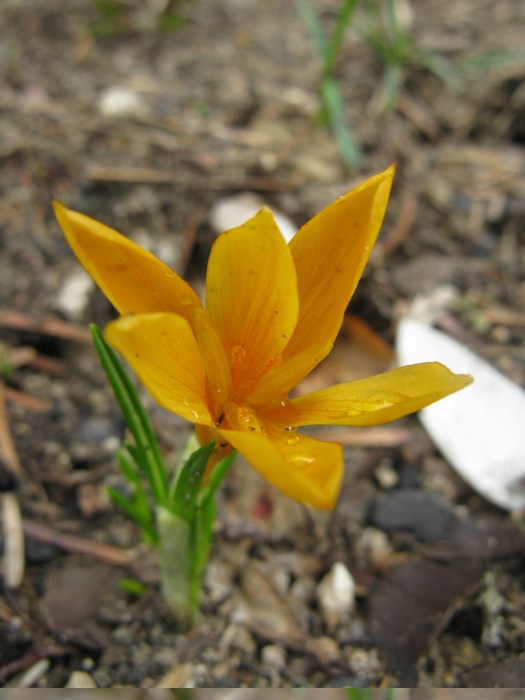
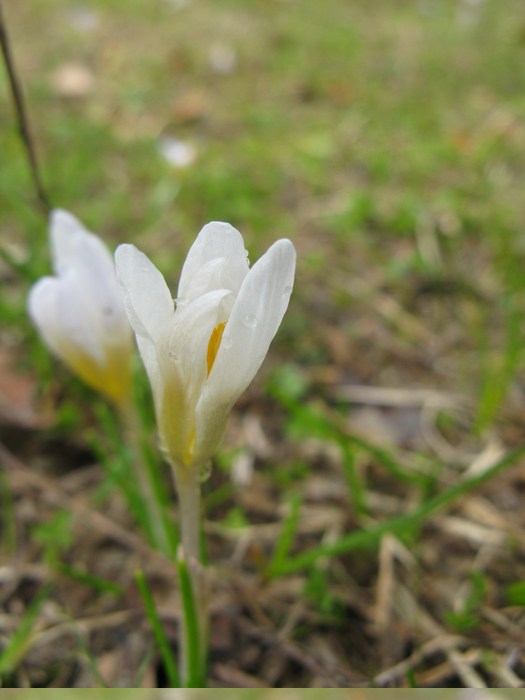
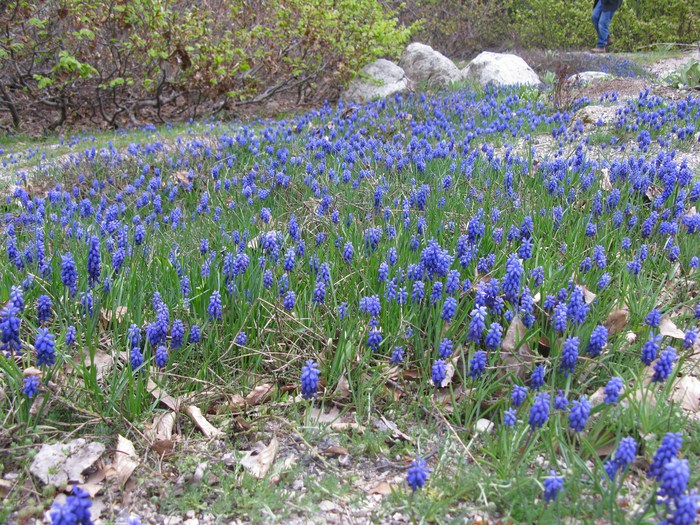
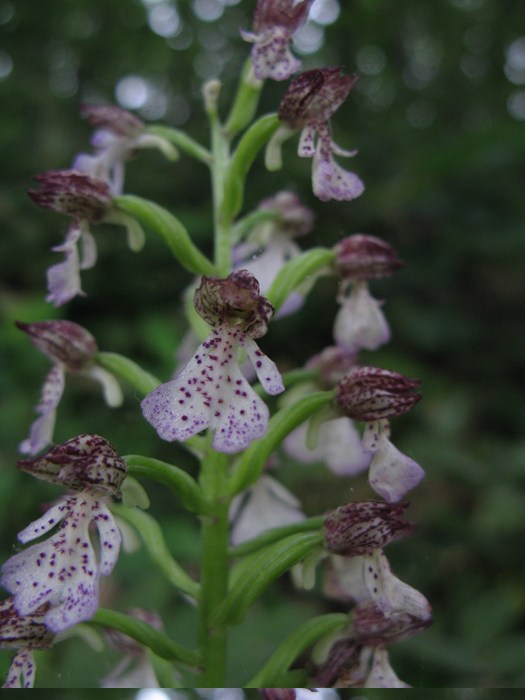
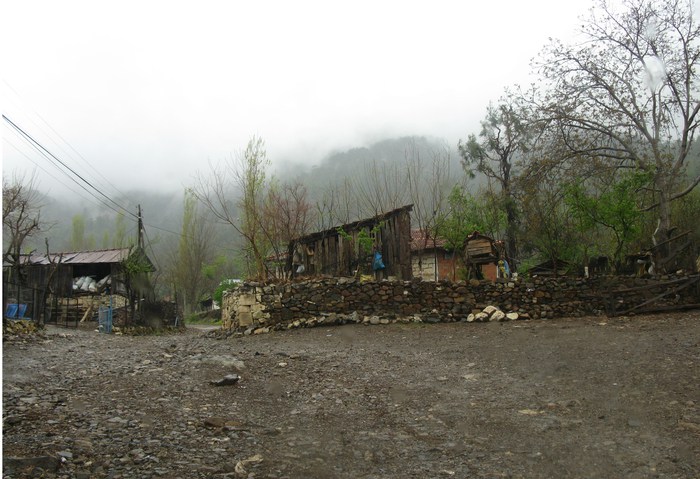
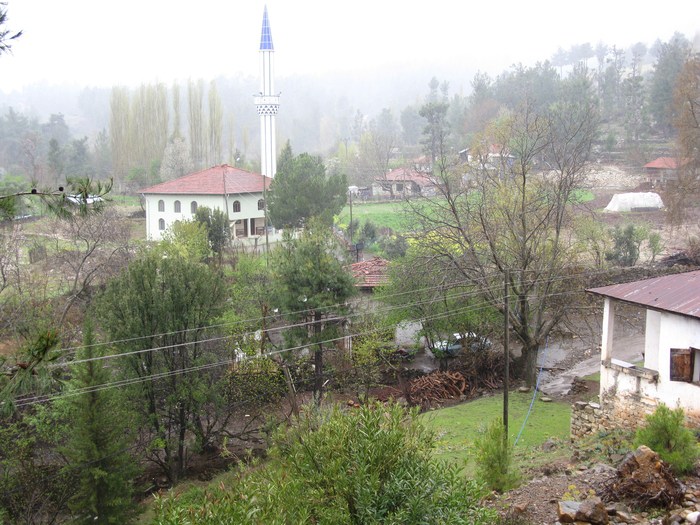
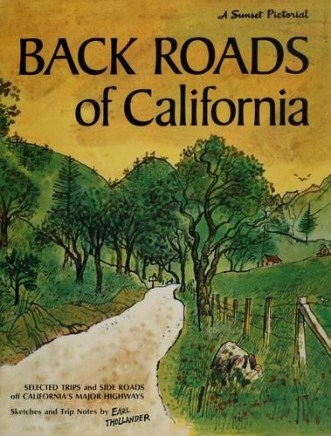 There is another book project simmering in a recess somewhere in the sponge that passes for my brain. It owes its existence to a chance comment (and later prodding) by a blogger friend from the US – she and her artist husband will collaborate to help pull this whole thing together. The inspiration is a classic book about the back roads of California – I sent for a copy and what arrived is a gem printed on hand-made paper.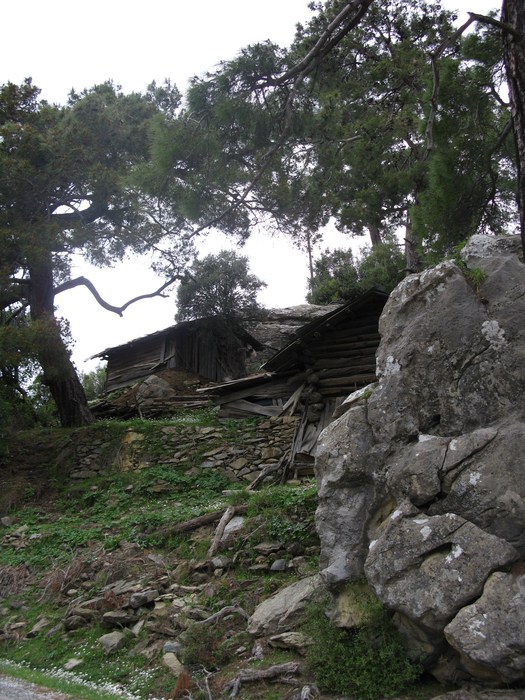


 Bof's Blog