
Ed is a new friend who has a deep affinity with our part of Turkey. He is drawn to mountains and wide, open vistas which I understand. Ed is from the US – California to be exact and he says ‘Wow!’ a lot. Then he says it backwards ‘!woW’ which may have more to do with his age and California Dreamin’ than the view!
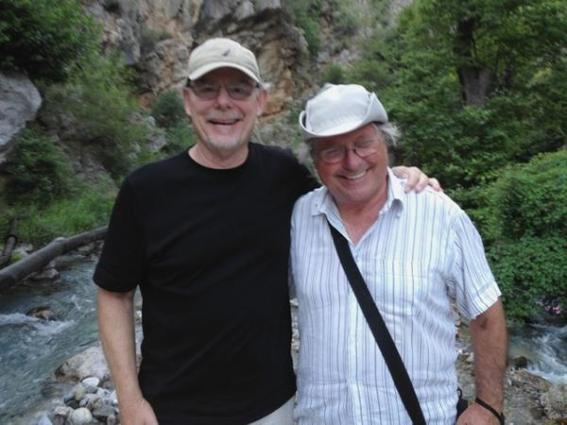
(Ed is not so much a ‘new friend’ these days as this was originally posted on Archers of Okçular June 2013)
So it was that J and I offered to take him to one of our favorite ‘!woW’ places where, once upon a time, seldom did the shoes of outsiders tread – Girdev Lake which, at 1800 mts, is a long way up and over Ak Dağ mountain near the small town of Seki, not too far from the Fethiye-Antalya road in SW Turkey. As so often happens with wild, unspoilt places that take a bit of effort to get to, tourism catches on and has the effect of altering or, in some cases, totally messing up what Toprakana-Mother Nature seemed to think was really pretty good in the first place.
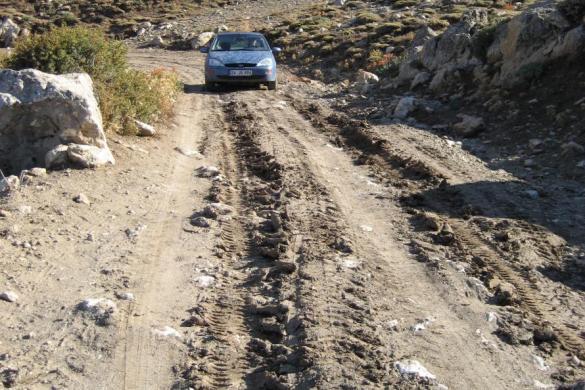
Access gets ‘improved’ and before long ways are being found to commodify and exploit the place by upgrading the environment.
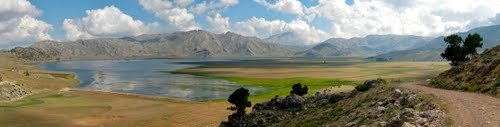
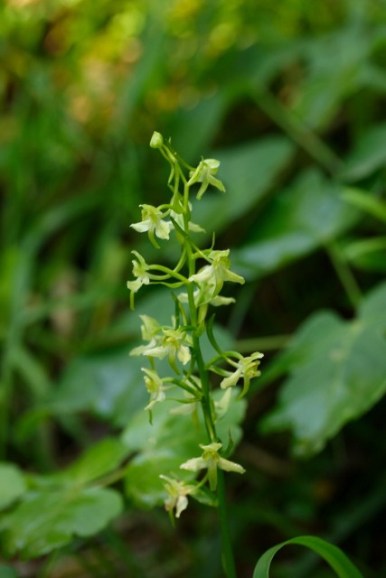
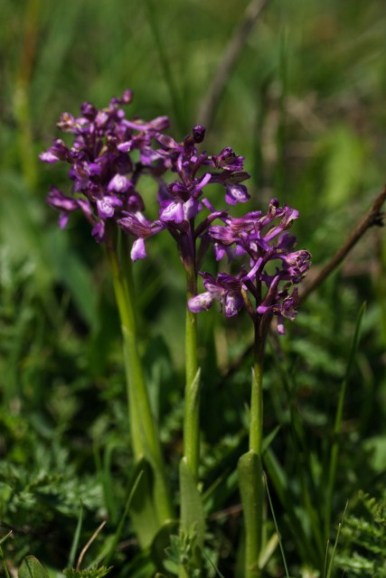
So it is with Girdev which is a sort of crater lake in that it is totally surrounded by mountains. Rain and especially snow-melt feeds the seasonal waters. No rivers flow from the lake and it drains through a sink-hole near the north end before emerging as the Kazanpınar Spring some 18 kms away near Elmalı in Antalya province. Nature’s balance meant that as the lake dried great swathes of wild flowers emerged, particularly Orchis palastris – the Marsh Orchid. Girdev is also home to many different species of birds and insects as well as the great flocks of sheep brought up there each season by the traditional nomadic herders.
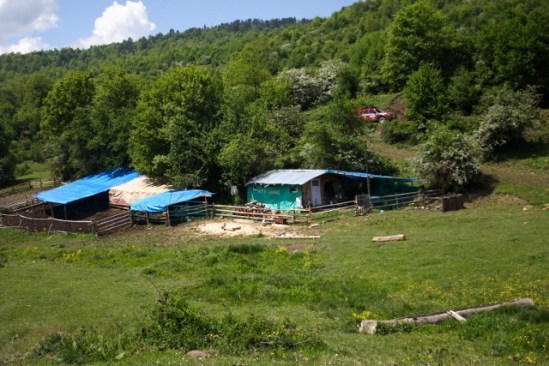
That was then, this is now – tourism has come! A permanent ‘camp’ has been built to house those who want to visit this unique place for longer than a day-trip. Nothing wrong with that I say.
What is sad is that, pandering to money from those who know no better, a shallow dam has been raised restricting the flow to the sink-hole and creating a permanent lake where one never existed before and this has been stocked with carp. Nature will adapt and species will change – my question is ‘Why does money always have to trump nature?’ There will always be consequences – nomadic herders have lost much of their traditional grazing grounds; to make ends meet will they have to resort to opening restaurants and gözleme (pancake) stalls around the lake? And what about the water quality at Elmalı as tourism expands? That said, Girdev is still yet a lonely and wildly beautiful place – as long as you miss the Jeep safari crowds!
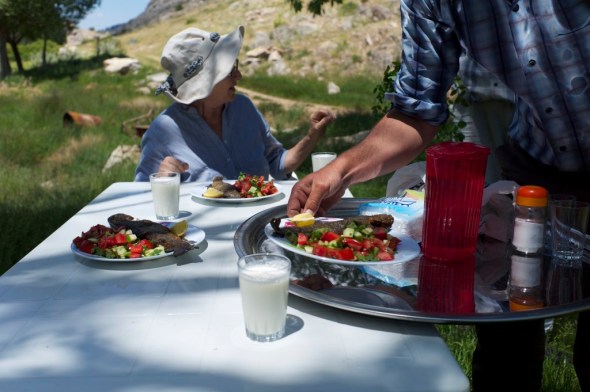
Anyway, enough of that, back to Ed and the ‘!woW’ factor. As I said, he loves to photograph vistas which means that getting anywhere can take a while longer than with most people. That said, seeing the familiar through Ed’s fresh eyes was truly refreshing and reinforced the reasons that J and I love this country so much.
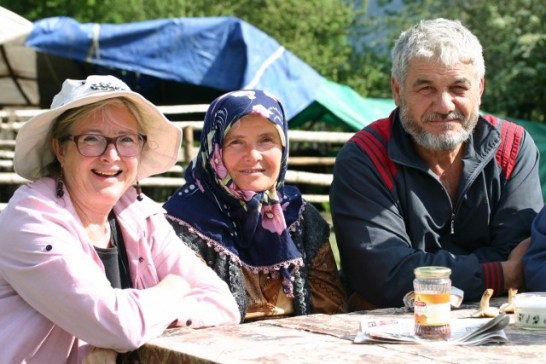
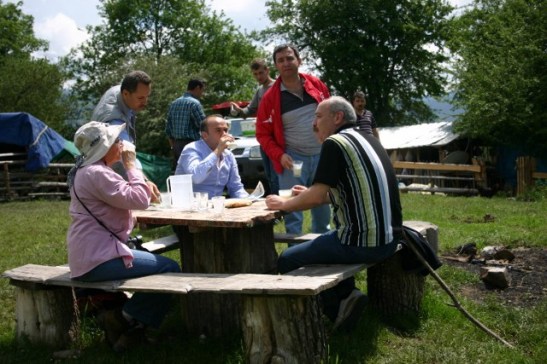
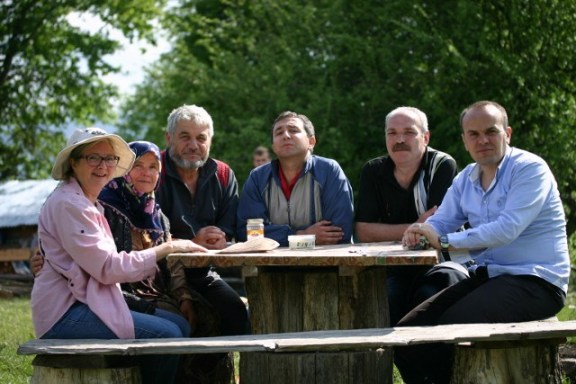
So, Ed, we owe you – although I do think that that lunch with a family of herders was ample compensation!
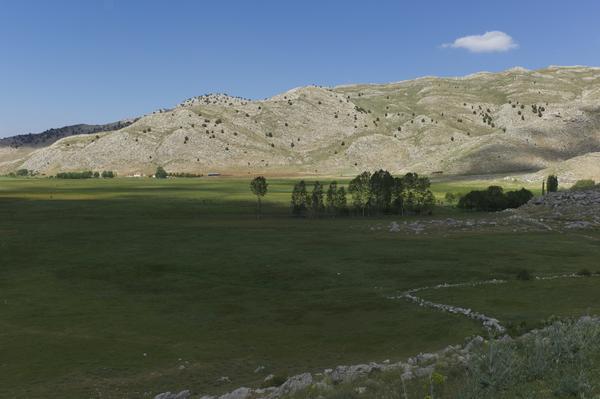
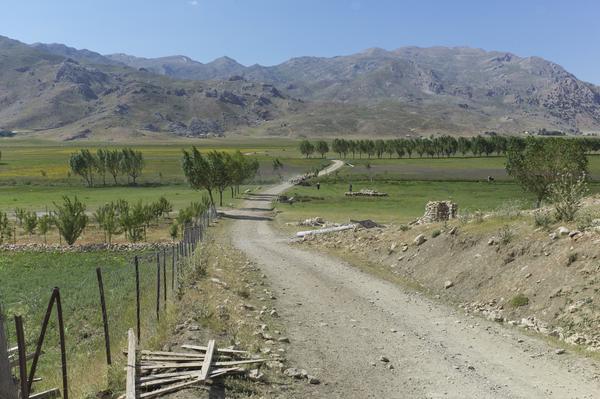
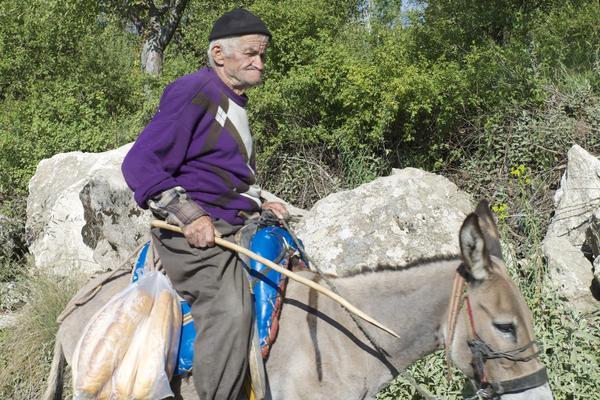

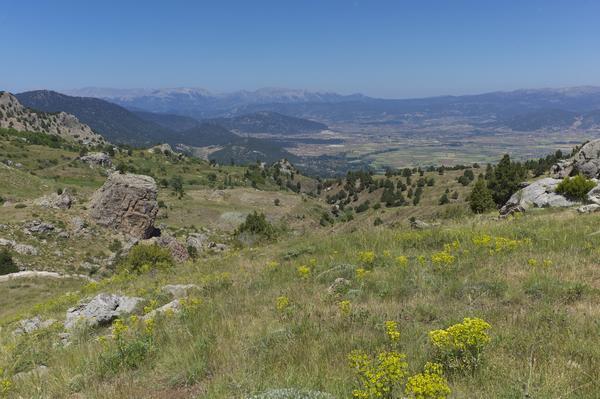
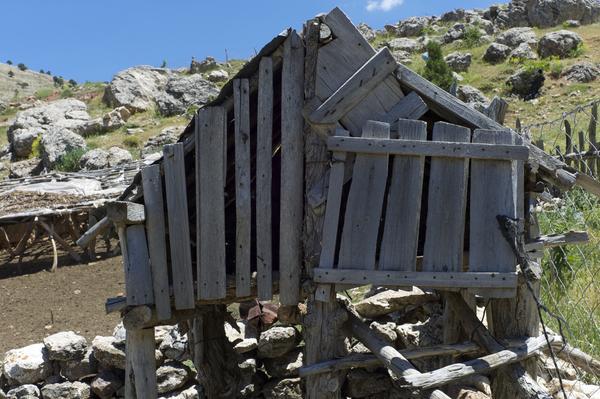
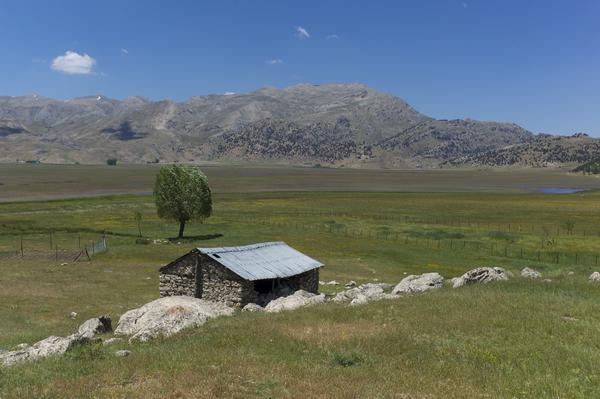
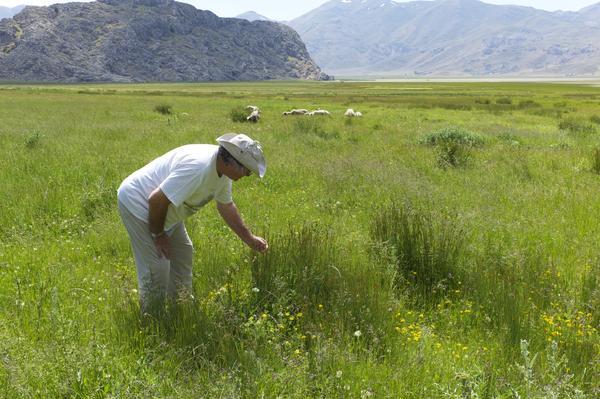
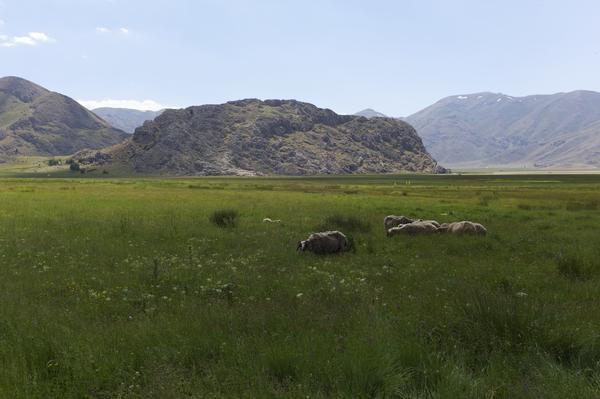
So, there you have it, a mere drop in a veritable cascade of Ed’s views of this trip to the ‘wild, blue yonder’ of Girdev.
Alan in Okçular
 ‘Hobbits!’ I thought as J and I tucked into our second breakfast of the morning – Hobbits, you see, have second everything and breakfast at our hotel was now being followed a couple of hours later by a veritable feast. We were being hosted by a couple of ranking bureaucrats (no names to protect the guilty) who were taking the opportunity to bunk off on the pretext of a public relations junket with ‘important’ visitors from Okçular.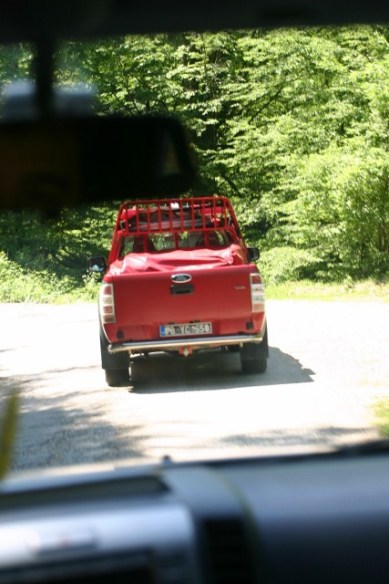

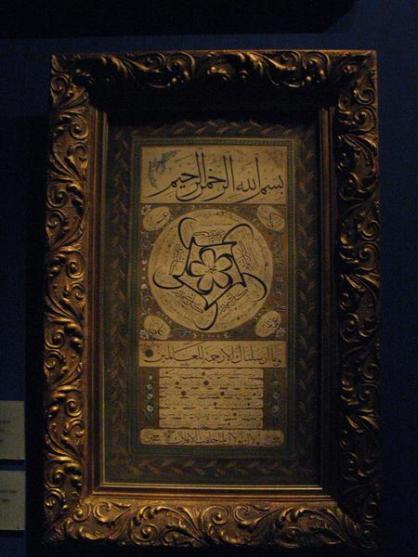
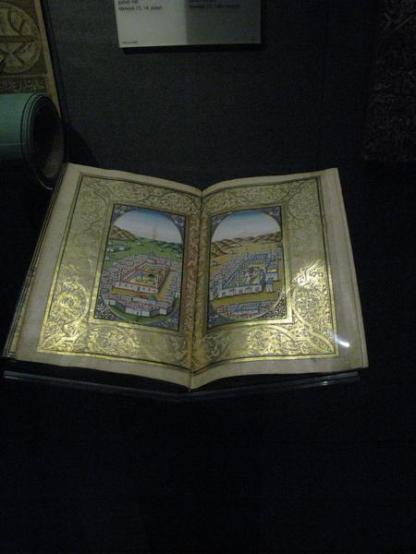
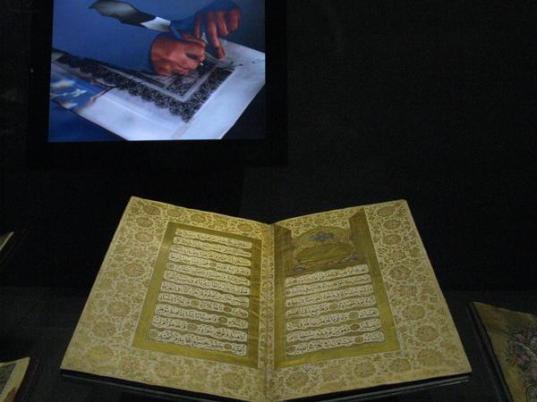
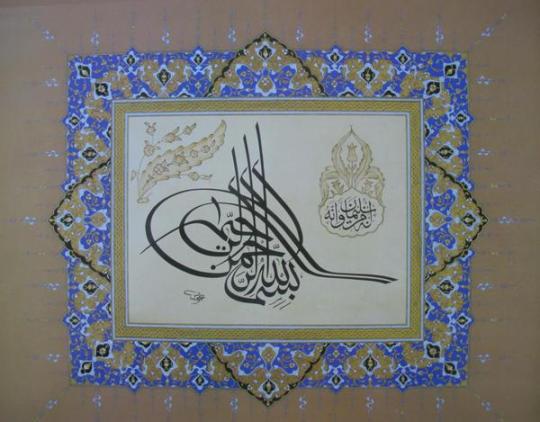
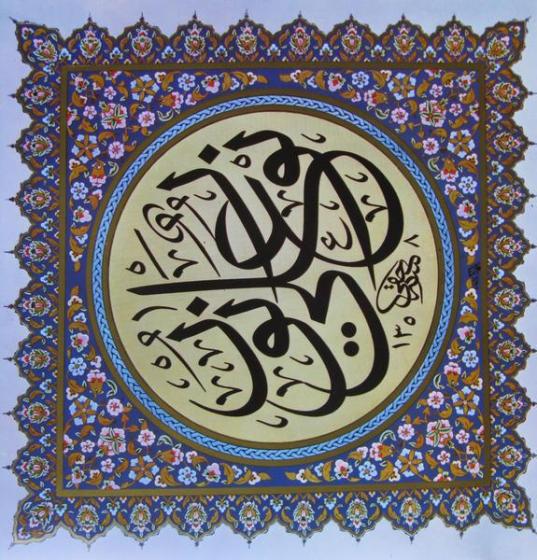
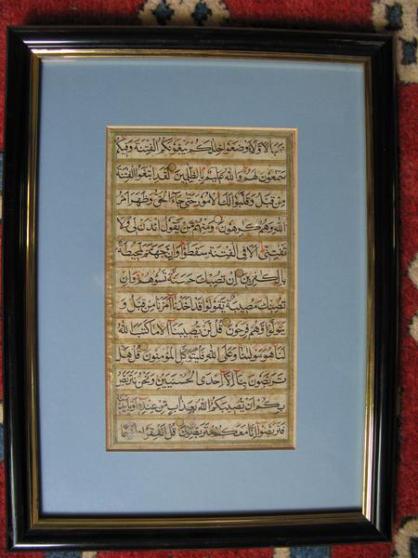
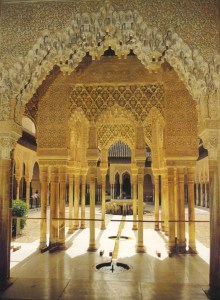 The first was of the classic view of the Lion Courtyard at la Alhambra and the second was of Arabic calligraphy. The impact of those images kindled a fire that smouldered over the years. I determined that one day I would spend time at the Alhambra and some ten years ago we had an emotional reunion. Here in Turkey, with its history and tradition of calligraphy, I have been able to enjoy and indulge my passion for the Arabic script with visits to exhibitions and some modest collecting.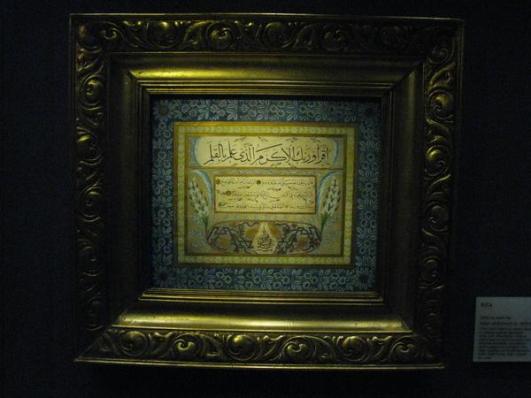
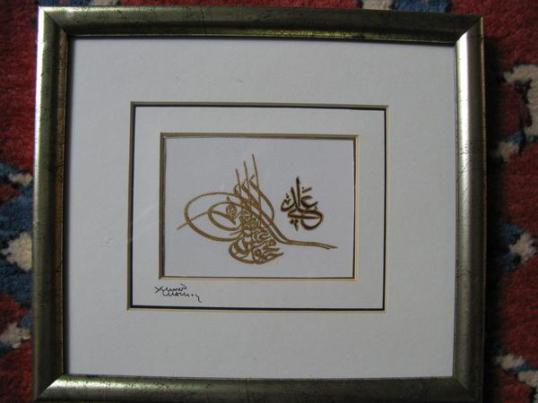
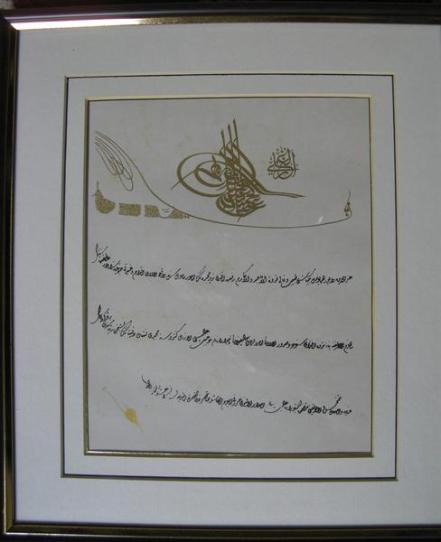
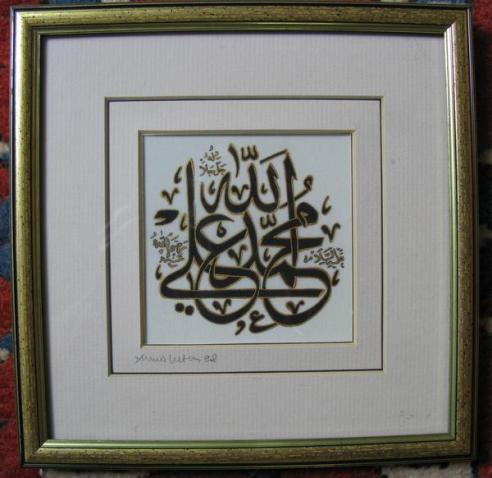
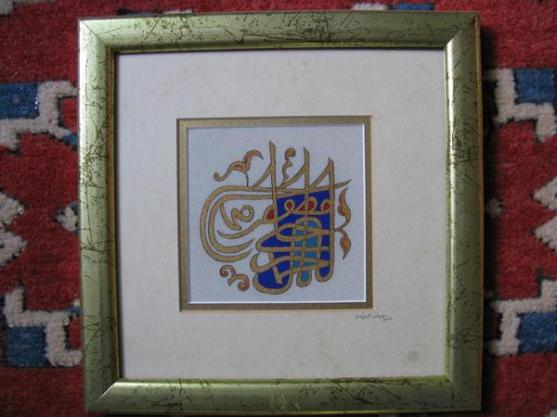
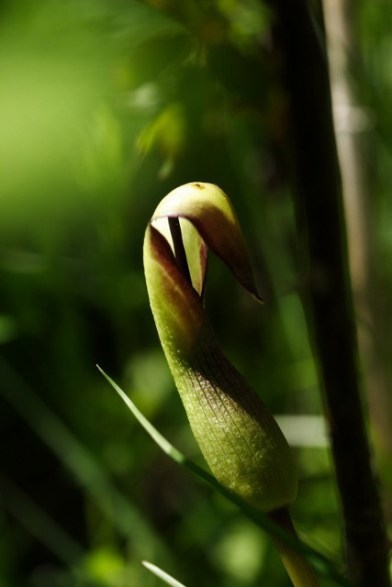
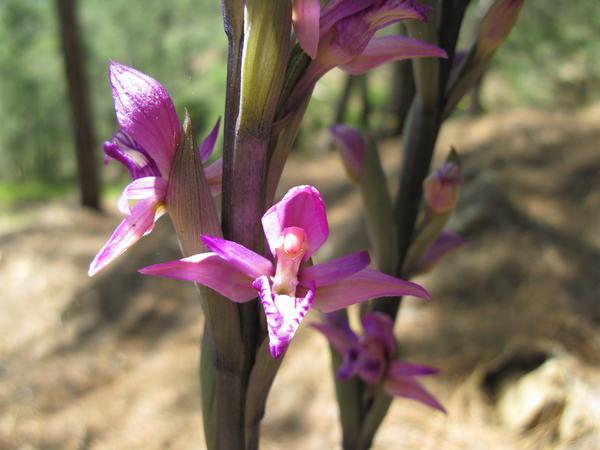
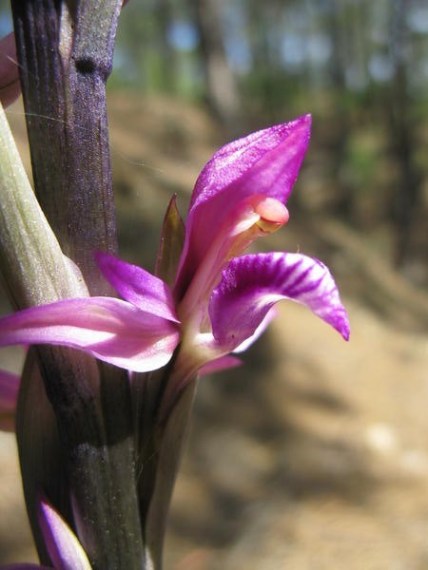
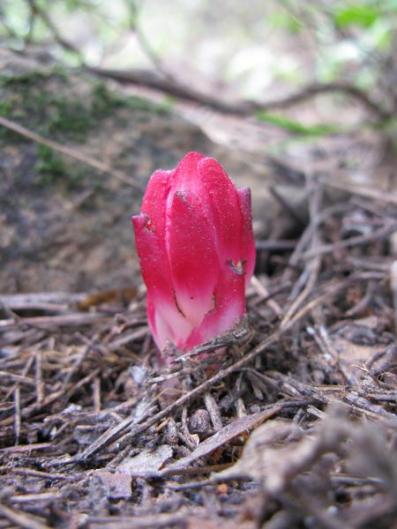
 Last week I was rambling on about wandering over the mountains and getting overly excited about a huge stick of ‘asparagus‘ that I’d discovered. In my sweaty, fevered state I’d convinced myself that it must be the biggest tongue orchid anyone had ever seen and vowed to return this week to check it out once it had flowered.











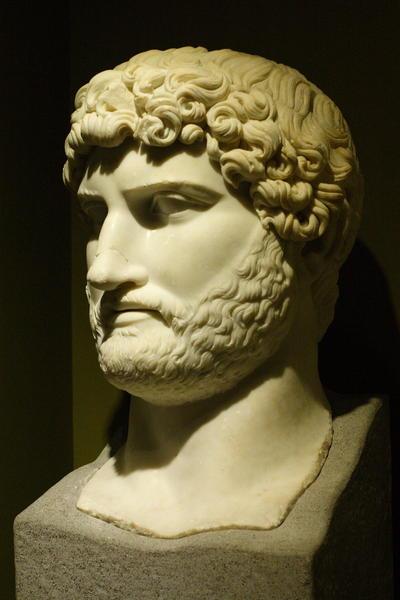
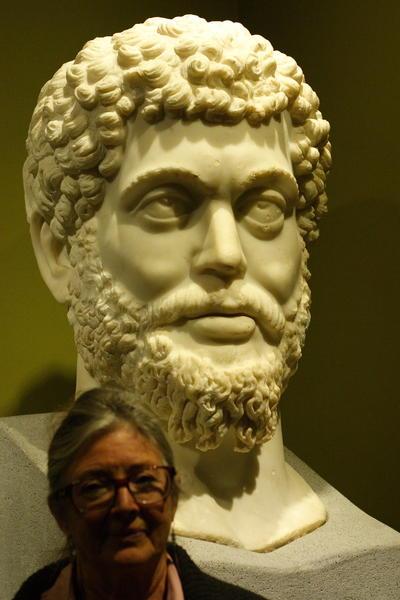
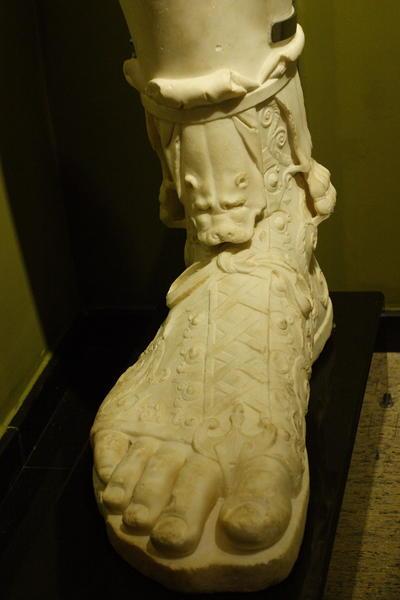
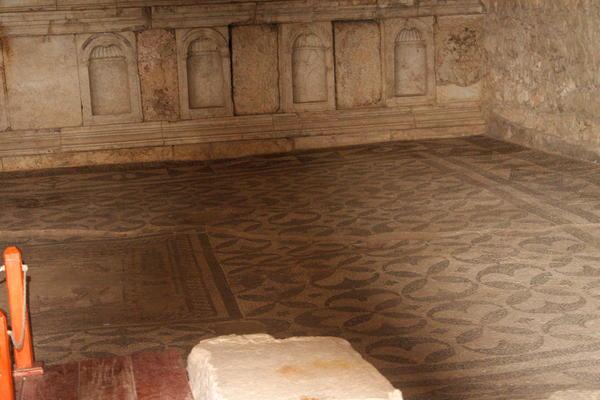
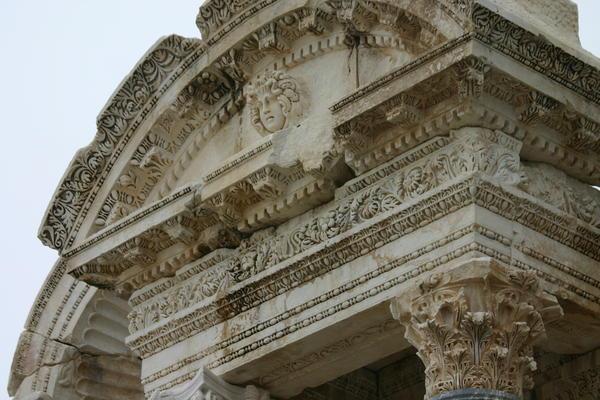
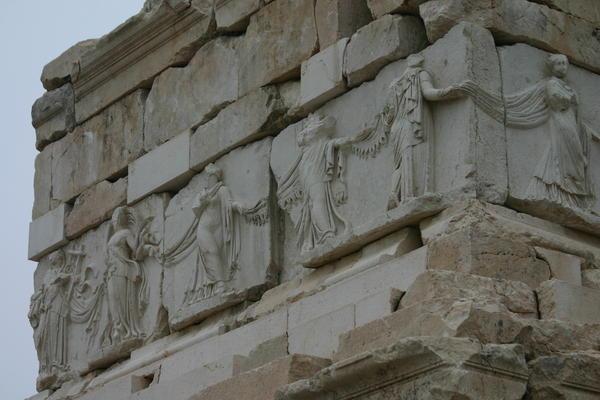

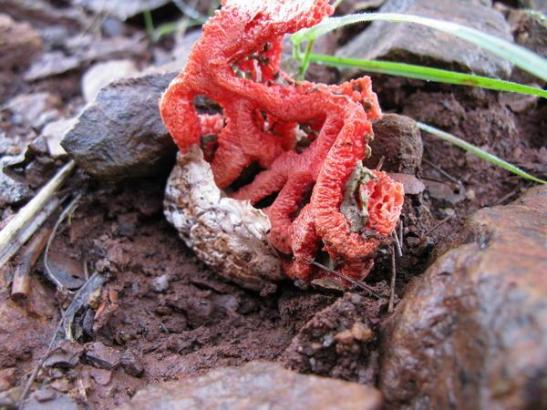
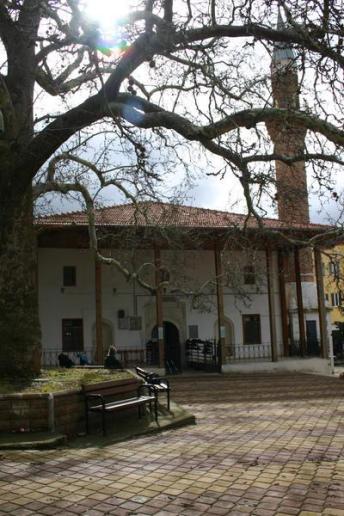
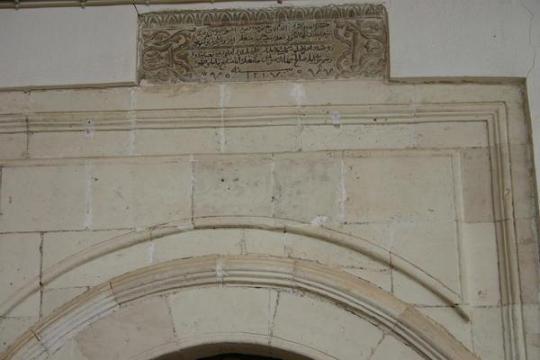
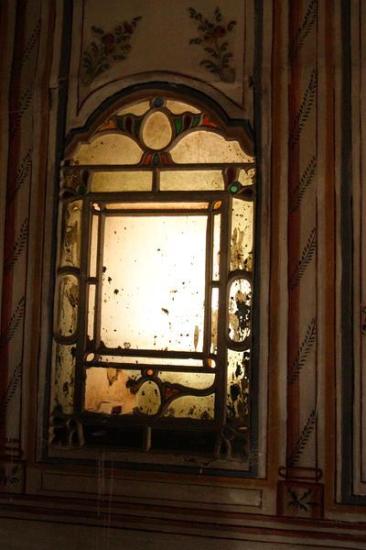
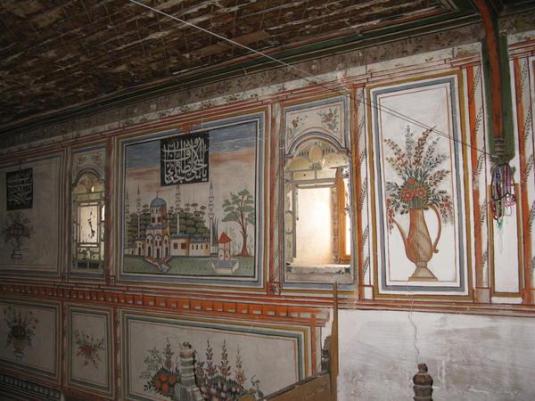
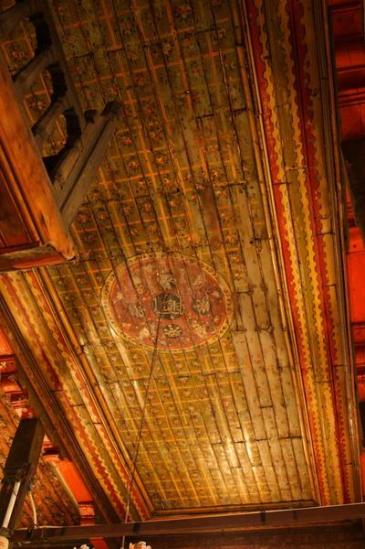
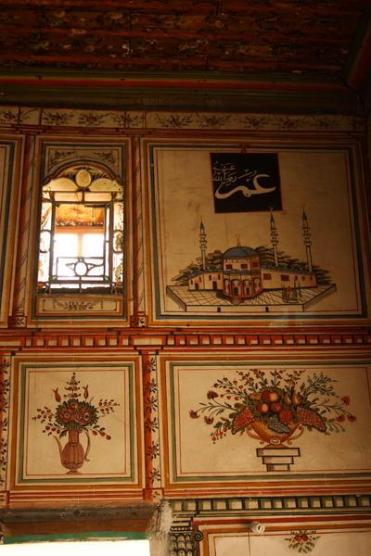
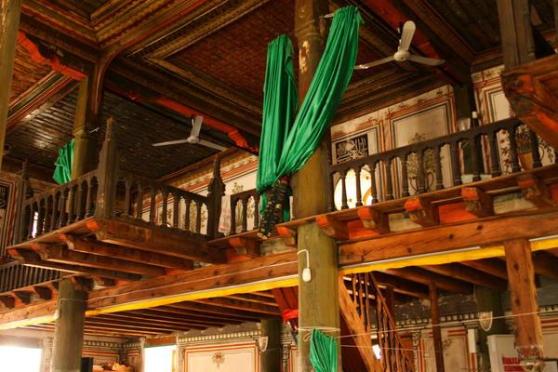
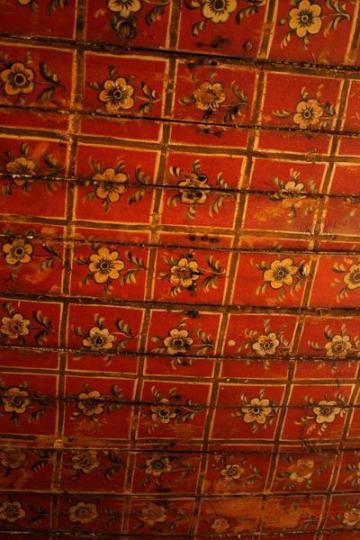
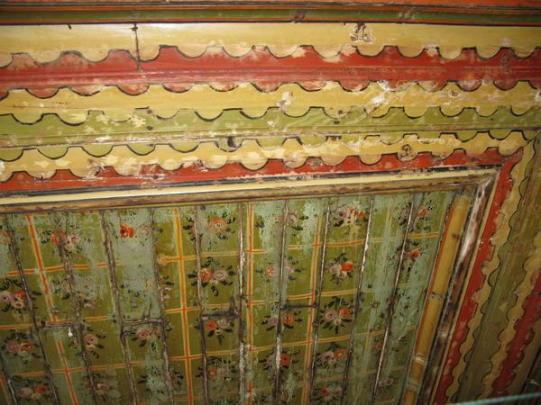
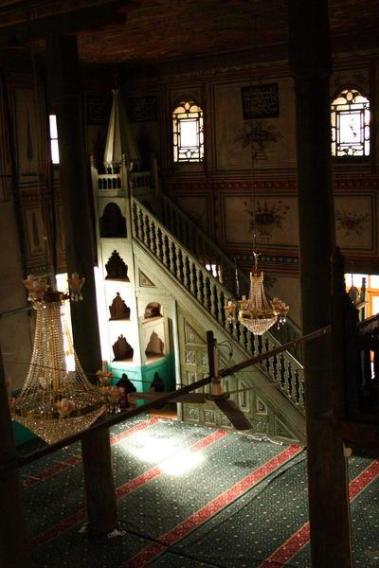
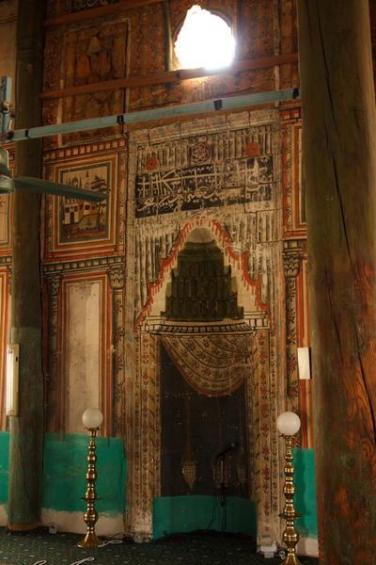
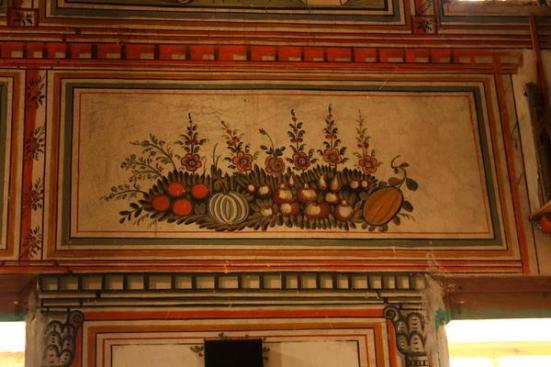

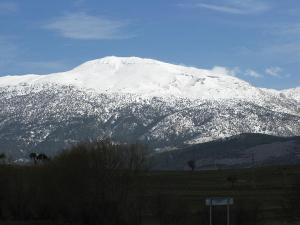 Finding the village of Boğaziçi from our base in Pamukkale meant a drive of about a hundred kms – first south to Denizli and then east to the junction of the D595 Uşak Yolu. I find this a rather sad stretch of road having covered it several times; rather like driving through an industrial wasteland with only the view of the beautiful snow-capped mountains to redeem it. Follow the Uşak road and just after the village of Denizler fork right for Baklan. Then take the second turning on the right (approx 3kms) signposted to Boğaziçi and look out for the minaret.
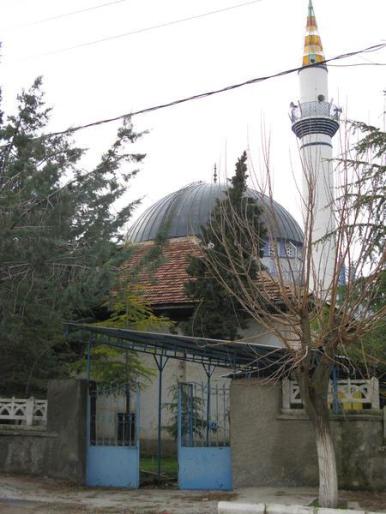
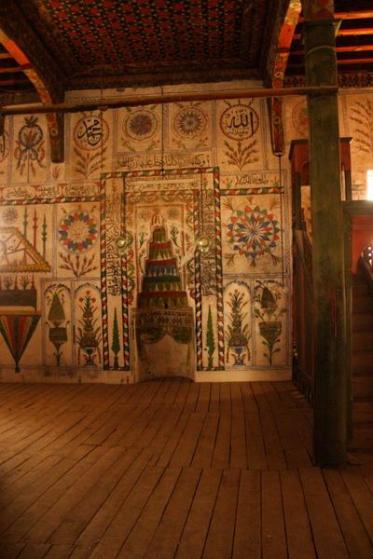
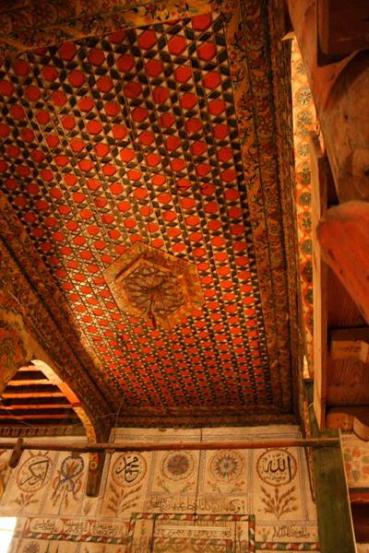
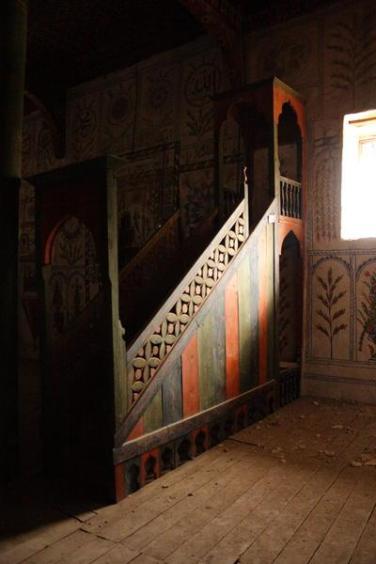
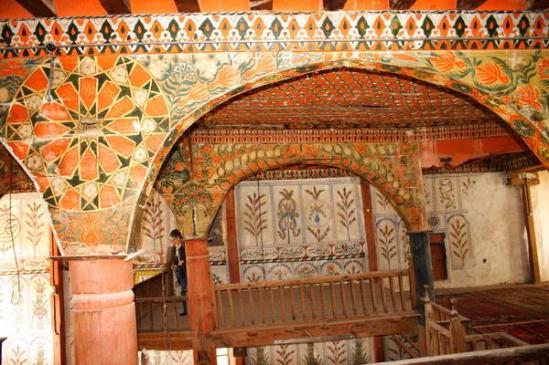
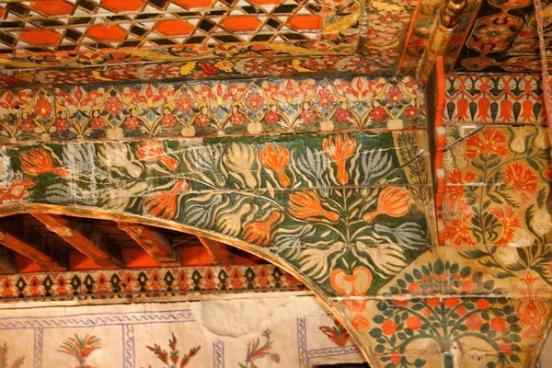
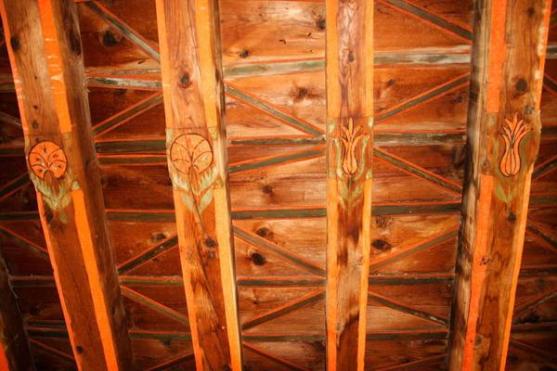
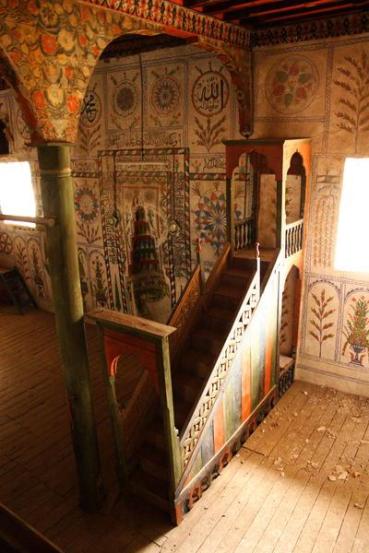
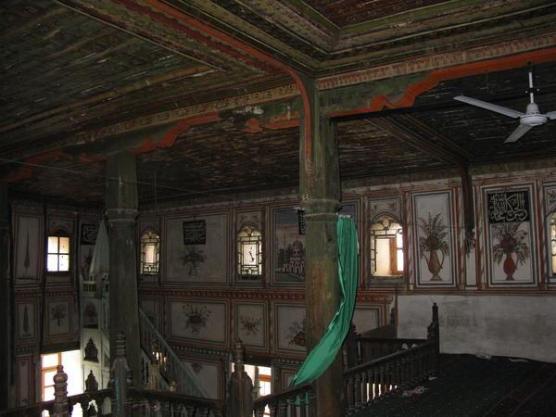
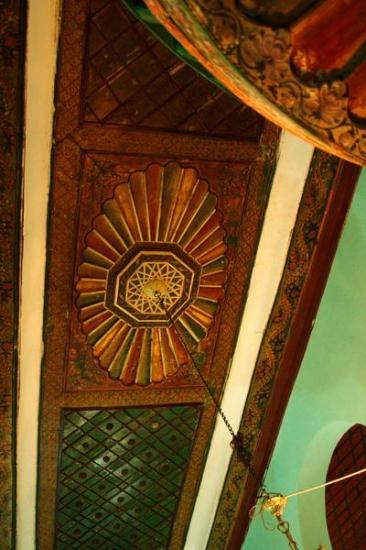
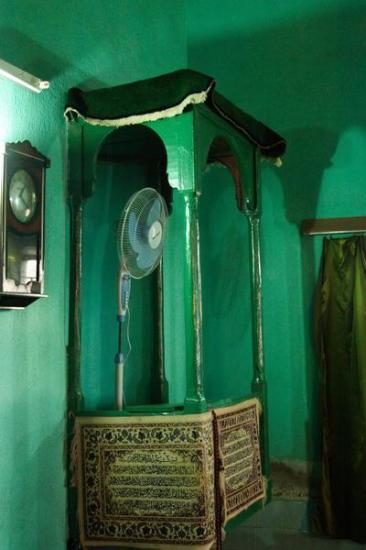
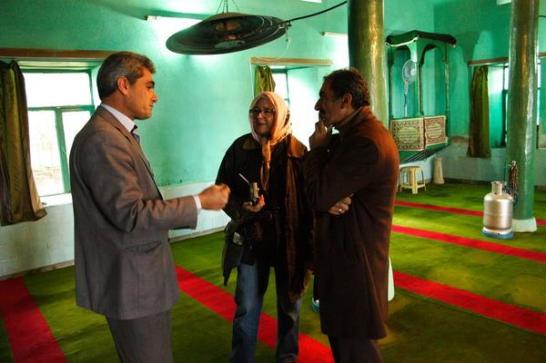
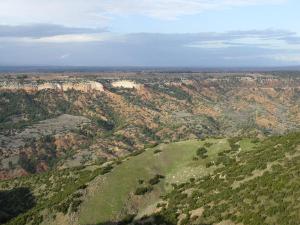 Kocaköy and its Şalvan Mosque, so-called because that was once the village name, lies about 28kms north west of Boğaziçi as the crow flies (a lot further by country roads), through attractive landscape and tiny villages. It is a poor little place with a beautiful outlook over a sweeping valley. We parked at the mosque and set out to find the kahvehane (tea house) where we were immediately engaged by some young men who sent a boy off to find the imam. Meanwhile we were joined by Yaşar, groomed, dressed in a suit and looking every inch a ranking bureaucrat With the arrival of the imam the four of us set off back to the mosque and so began one of the most enjoyable interludes that J and I have ever experienced on this type of visit.
 Bof's Blog