
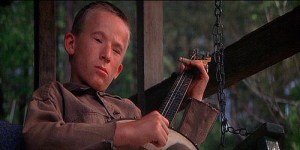
 I’m from the Isle of Sheppey – a ‘Swampy’! Actually, I need to qualify that; a true Swampy has to be born and (in)bred on the island and my father was a ‘Mainlander’ from Newcastle which means that, although some might disagree, I carry few of the physical or psychological characteristics which were once the mark of the real thing. When I was a kid a Swampy was a thing best avoided by normal folk. Sheppey had a disproportionate number of strange looking people and a disproportionate number of children in special schools or institutions – records are there to be checked! It was a bit like living on the set of the film ‘Deliverance’ but without much hope of escape.
Why am I telling you all this? I don’t know, really. Sheppey actually has a very interesting history strategically placed as it is at the confluence of the rivers Thames and Medway. Swampies have had their fair share of outsiders to put up with.
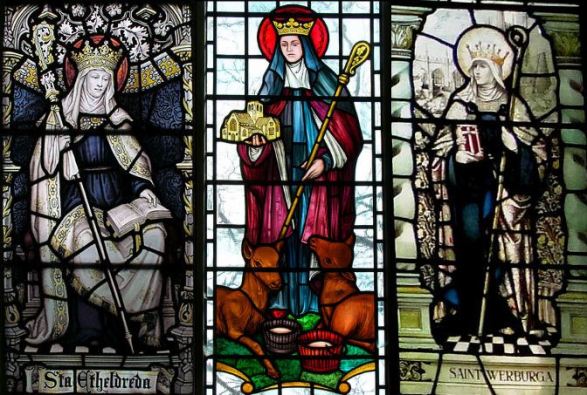
The abbey church at Minster, built by the all-conquering Normans, is dedicated to St Sexburga, a Celtic warrior princess married to King Anna of Kent who, a couple of centuries earlier, took on the marauding Danes and is said to have skinned any captives alive and nailed their hides to the gates by way of an invitation to ‘bugger off’! The king not being up to much she later wandered away and lived as a nun at Ely in Cambridgeshire – as good a reason as any, I suppose, to be made a saint.
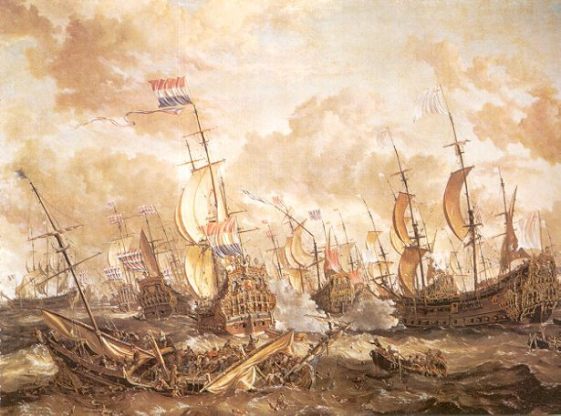
Sheppey also has the distinction of being the only part of the UK, (apart from the Channel Islands 1940-45), to have been occupied by an enemy since 1066. In June of 1667, the Dutch Admiral de Ruyter sailed up the Medway and burned the English fleet at Chatham. He towed off the flagship ‘Royal Charles‘, sailed back to Sheppey and occupied the island for a time before heading home to be immortalised by van Eyck, or was it Rubens?
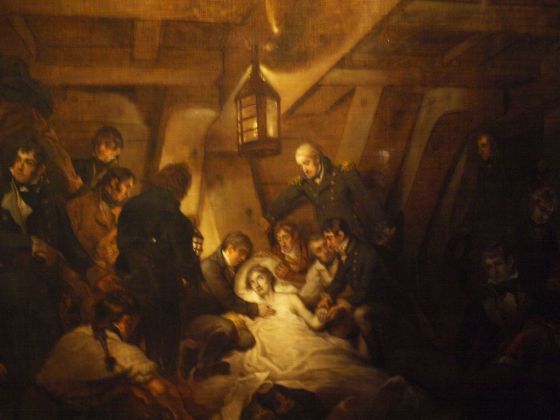
Horatio, Lord Nelson, bane of the French and darling of the masses kept his bit of skirt by the name of Emma, Lady Hamilton at a hide-away in Queenborough on the island. Queenborough gained its Royal Warrant from Edward III in 1366 because his good lady, Queen Phillippa, took a shine to the place for some reason. Two years later it was made a Royal Borough.
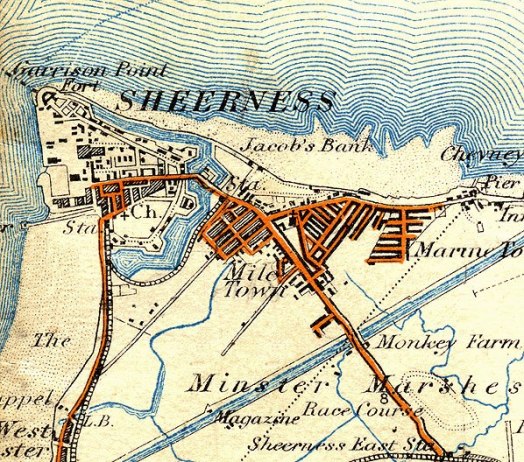
The island’s strategic position meant that it was bound to be heavily garrisoned – as aviation ‘took off’ Shellness and later Eastchurch became home to the Royal Naval Air Service and the Royal Flying Corps (later the Royal Air Force). Short Brothers built the first Wright bi-planes under license here. Lord Brabazon of Tara, holder of the first British pilots licence (1909), and Winston Churchill learned to fly here. Sheerness, the main town, had long been home to the Royal Navy with its dockyard and safe deep-water anchorage. The town was protected by two massive moats and the army was at Garrison Point which commanded the entrance to the Thames and Medway.
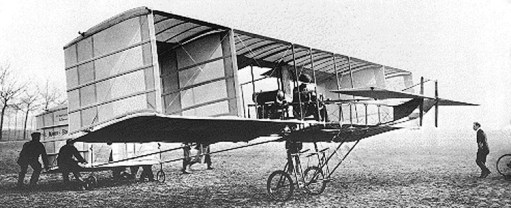
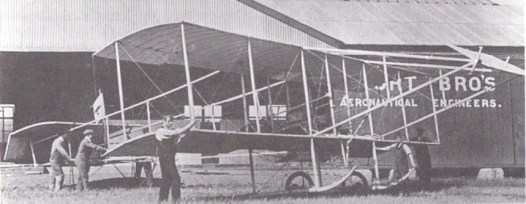
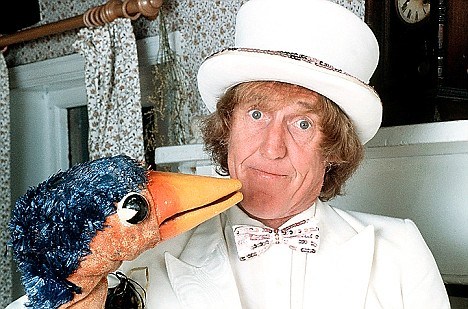
History is to be had in bucket-loads; Sir William Penney, ‘father’ of the British atomic bomb was of Queenborough stock and even Rod Hull and Emu came from Halfway (between Sheerness and Minster)!
‘Fascinating!’ I hear you say, ‘But what has this to do with ‘living, loving and traveling Turkey‘? The link, would you believe, is Sheerness Dockyard!
By the time I left school Garrison Point had become a shipping control centre; Shellness was, and remains a naturist/nudist colony; Eastchurch Aerodrome was transformed into the UK’s first open prison and the dockyard had been turned over to a civilian industrial area. I was signed on as an apprentice by an electronics company that was housed in the dockyard’s old rope works, a building that was distinguished as the oldest cast-iron framed structure of its type to be built in Britain. The dockyard was a fascinating place to wander around and so it was that I learned that it housed Europe’s most northerly and the UK’s only colony of scorpions!
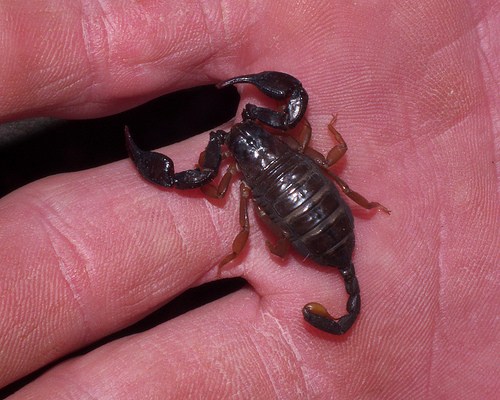
These are a rather docile species called Euscorpius flavicaudis – Yellow–tailed Scorpion, a native of North Africa and Southern Europe. The colony has been known about for several hundred years and was believed to have been imported in cargoes of building material shipped from Italy during the reign of George III. Brown in colour with a yellow tail, they grow up to two inches, live in crevices in brick walls, feed on small insects and can go for months without eating. Their numbers are thought to be well in excess of 10,000 and they are thriving in the warmer weather of the past few years. Once thought to be unique, I know of three other recorded colonies at Portsmouth and Tilbury docks and at Ongar railway station in Essex.
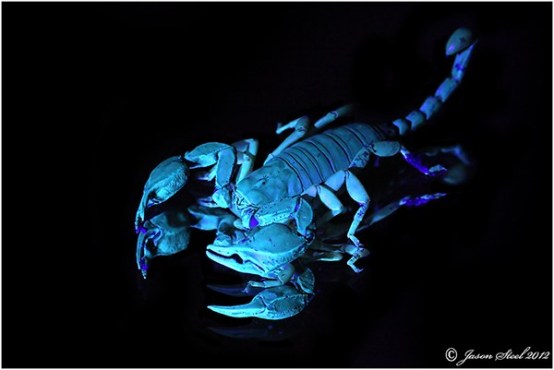
So, from the UK’s relatively gentle and only scorpion species to Turkey’s most common – and a nasty little sod it is too! Meet Mesobuthus gibbosus aka the Mediterranean Checkered or Anatolian Yellow Scorpion. Found all over Turkey, including urban areas, it has a particularly painful sting and can cause a severe reaction in some victims although generally poses no long-term threat to healthy humans. As a general, although not infallible, rule of thumb the more delicate the pincers sported by scorpions the more painful and venomous the sting.
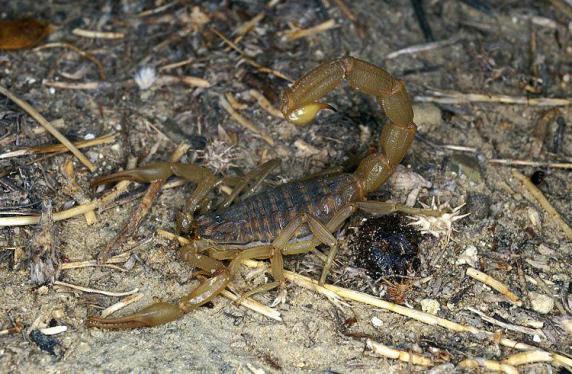
With that in mind have a look at this next species – Iurus dufoureius asiaticus – endemic to Turkey and so rare that it has no common name. Formidable as it looks with its powerful pincers it is thought to pose no threat to humans.
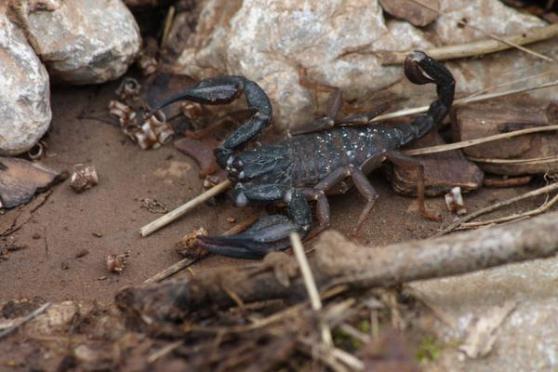
This photo was taken in our incredibly biodiverse Kocadere Valley, Okçular in the cool of springtime – this species tunnels deep underground during the hot summer months. It is the largest European (Turkey incl for classification) species, dark brown to black body and paler legs. Little is known about this creature so if you fancy an interesting project . .
From a lone UK species to Turkey’s most common and rarest scorpions – linked by a dockyard, an aerodrome, an emu, the atom bomb, Nelson, a saint and an undisciplined train of thought. Good value, or what?
Alan in Cloud Cuckoo Land!
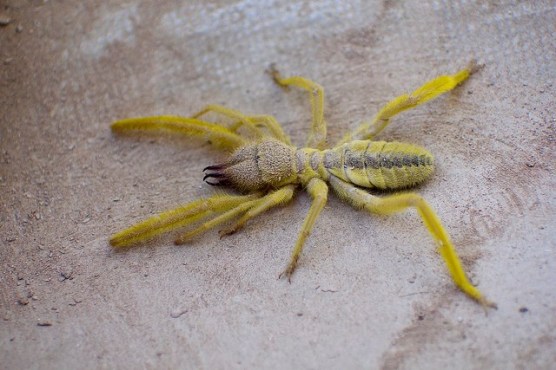
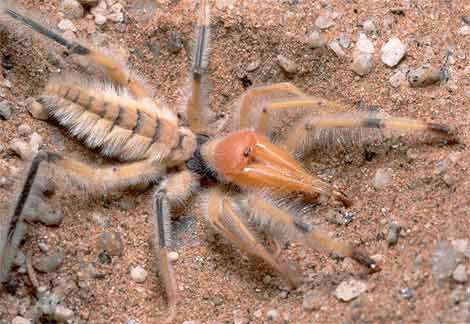
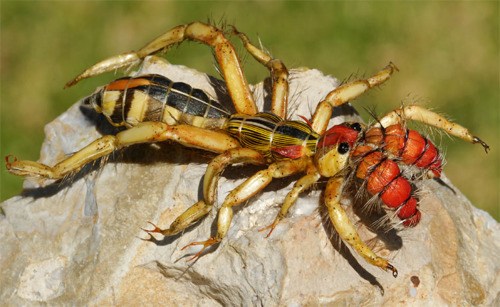
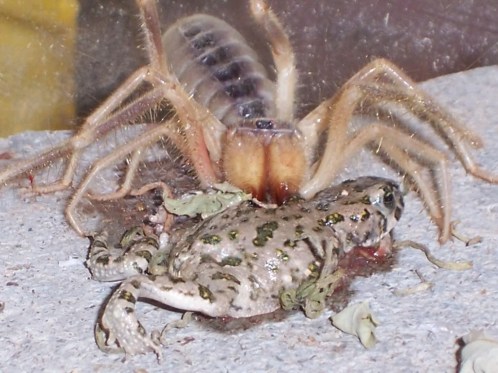
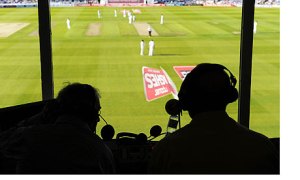 This is the time of year when those not listening to ‘Test Match Special’ with a beer or a glass of spritzer to hand are busy commenting on Facebook about the perennial monster ‘insect’ that spends its life inflicting life-threatening poisonous bites on the unwary or scaring the crap out of the rest of us as it scuttles by at about 10mph (16kph).
 Poisonous: despite what you read or hear they are not – with the possible exception of a species in India. That their bite is extremely painful and the wound liable to secondary infection is without doubt. If you are unlucky enough to get bitten or you suspect that your pet has been bitten get to the vet pronto! Well, you go to the doctor . . !!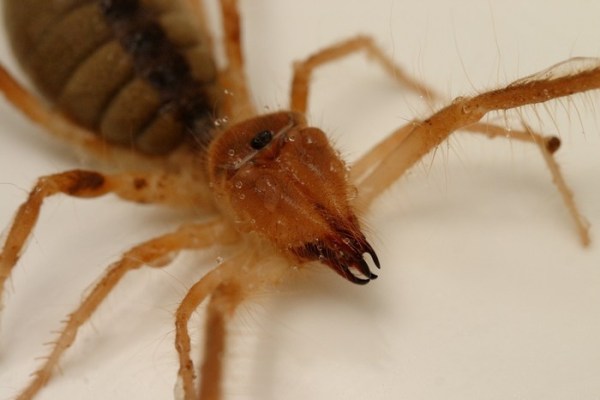
 These extra, front ‘legs’ are highly modified pedipalps (those little finger-like things in front of your average spider’s fangs). They are used primarily as sensing organs but can also act as secondary legs for hunting, fighting and climbing. They also have a sort of sticky-pad that helps entrap prey or grip smooth surfaces. The photo left shows the threat/defence pose.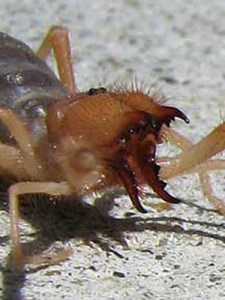
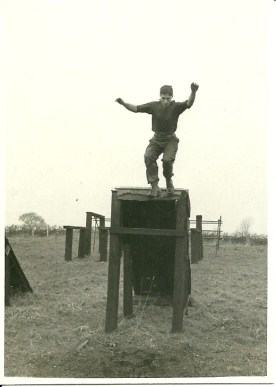 Back in the dim and distant past in those wild, halcyon days of my youth, I took the Queen’s shilling and signed up to be a parachute soldier. Looking back, me and my mates were like putty in the hands of the training staff as they set about the task of moulding us into something that resembled ‘useful’ and ‘fit for purpose’.


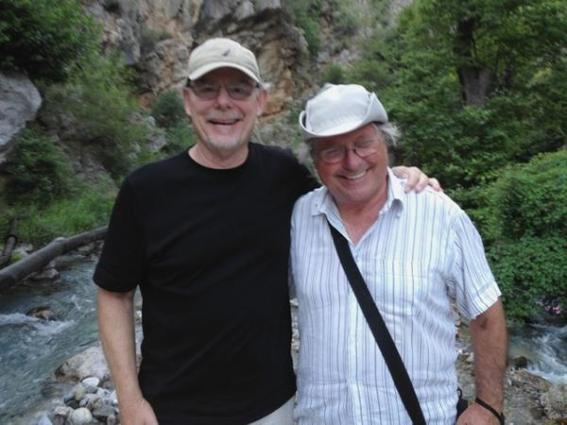
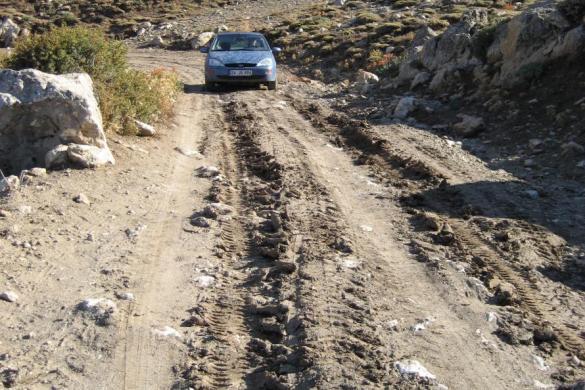
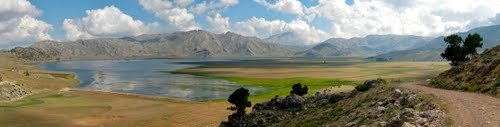
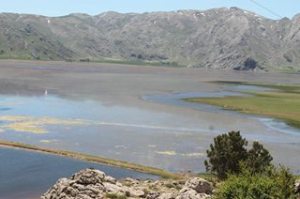
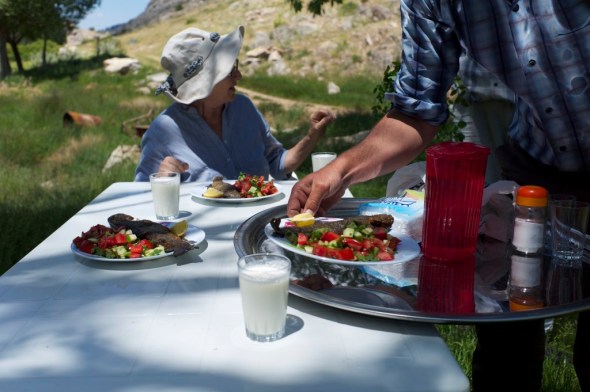
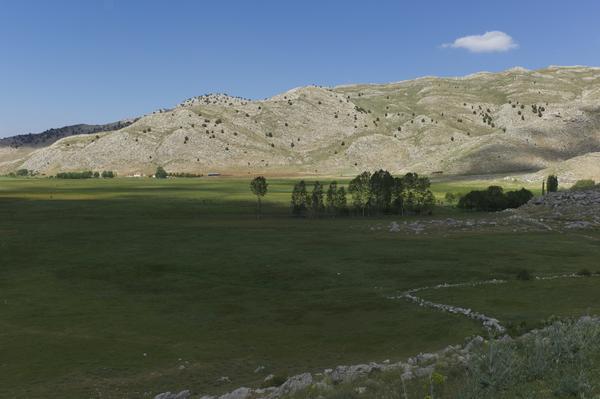
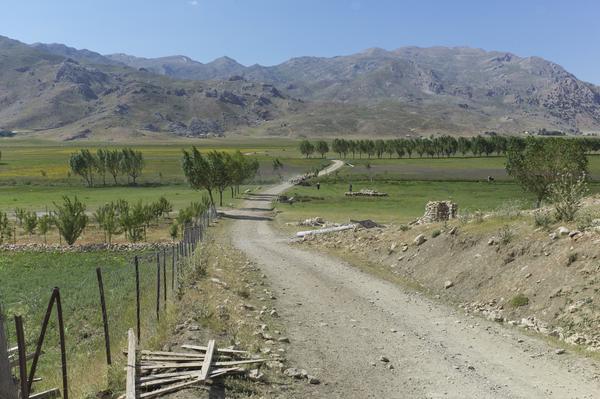

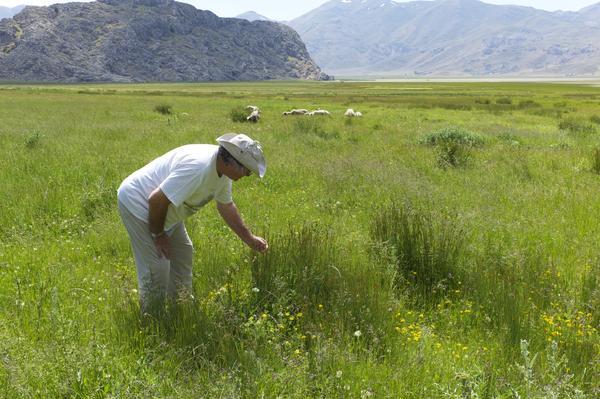
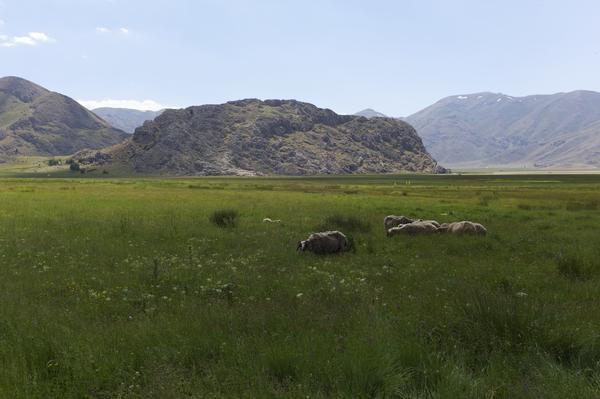
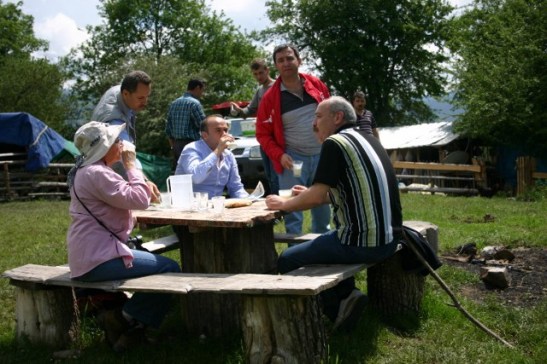
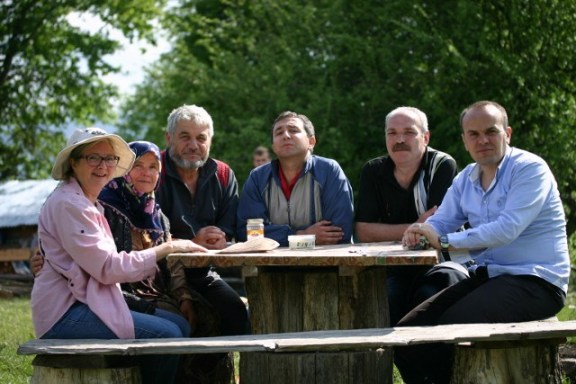
 ‘Hobbits!’ I thought as J and I tucked into our second breakfast of the morning – Hobbits, you see, have second everything and breakfast at our hotel was now being followed a couple of hours later by a veritable feast. We were being hosted by a couple of ranking bureaucrats (no names to protect the guilty) who were taking the opportunity to bunk off on the pretext of a public relations junket with ‘important’ visitors from Okçular.

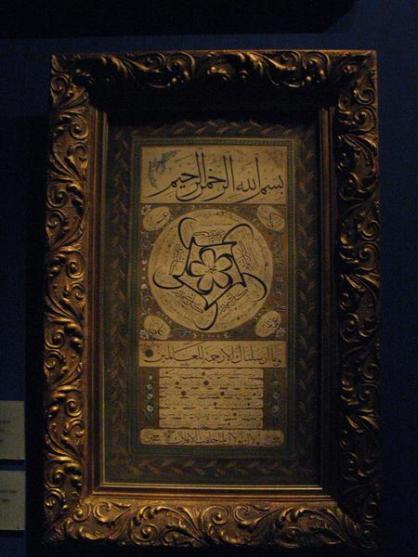
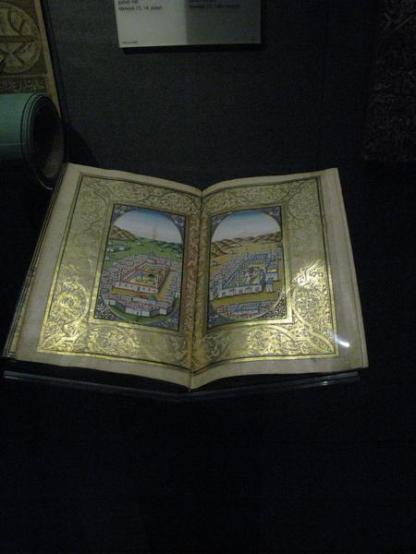
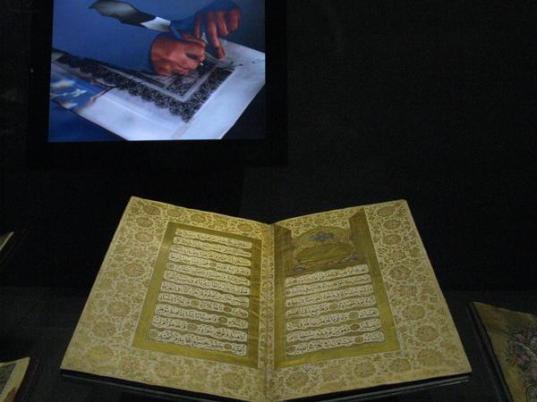
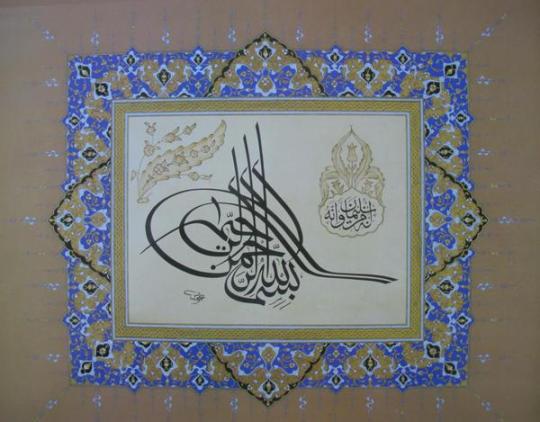
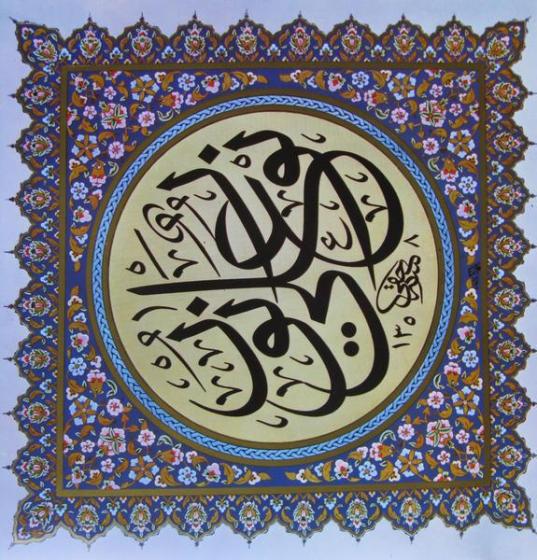
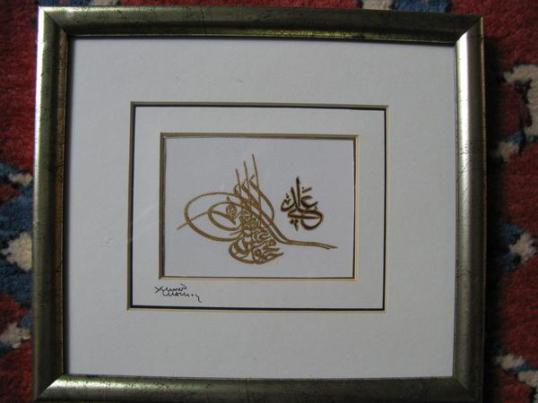
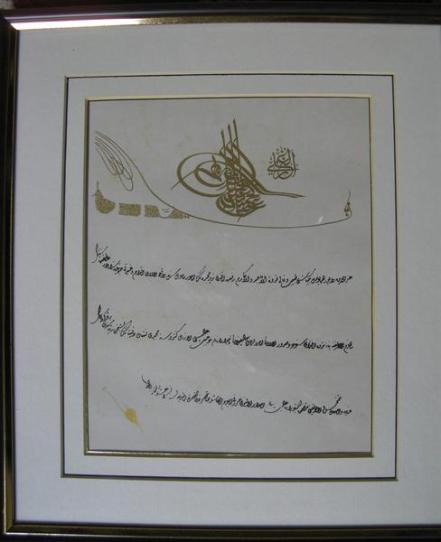
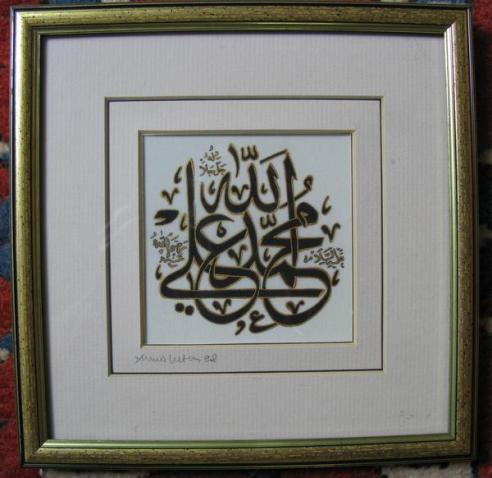
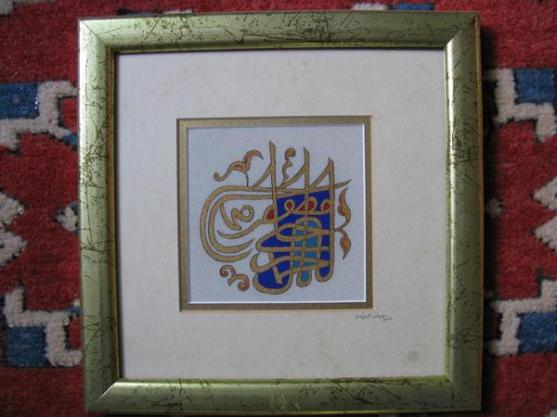
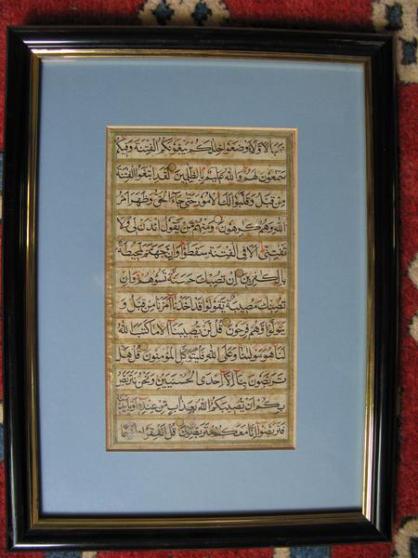
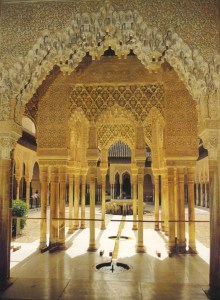 The first was of the classic view of the Lion Courtyard at la Alhambra and the second was of Arabic calligraphy. The impact of those images kindled a fire that smouldered over the years. I determined that one day I would spend time at the Alhambra and some ten years ago we had an emotional reunion. Here in Turkey, with its history and tradition of calligraphy, I have been able to enjoy and indulge my passion for the Arabic script with visits to exhibitions and some modest collecting.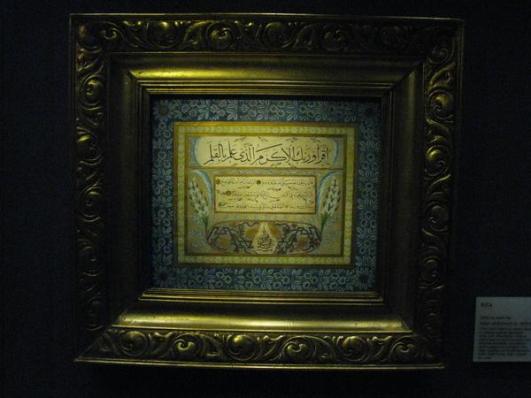
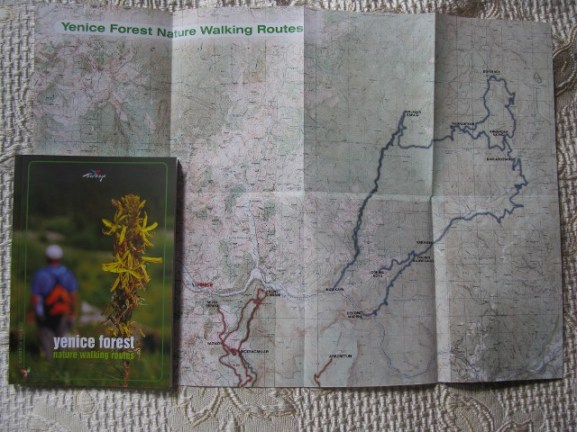
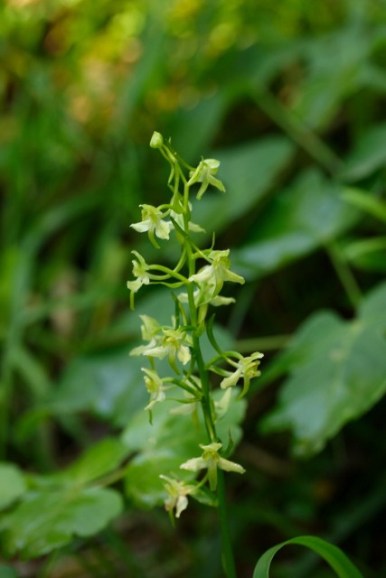
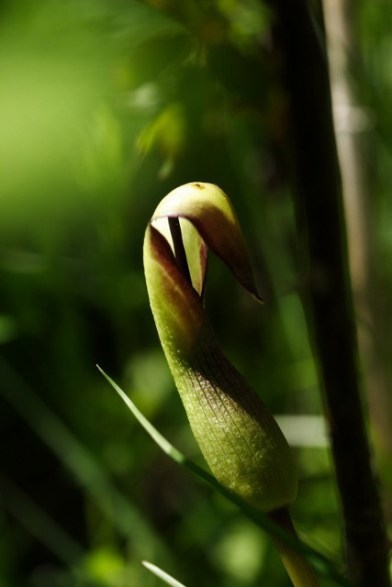
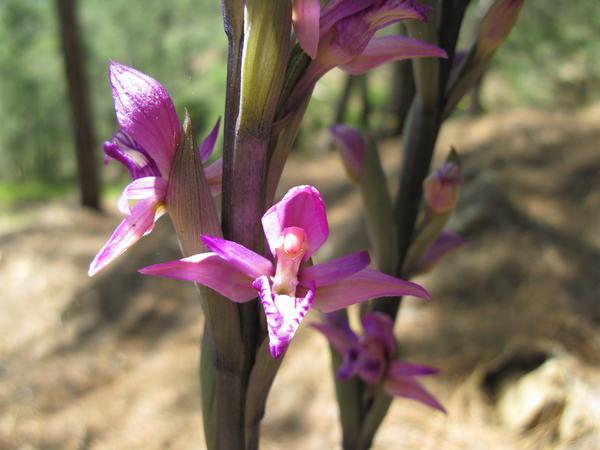
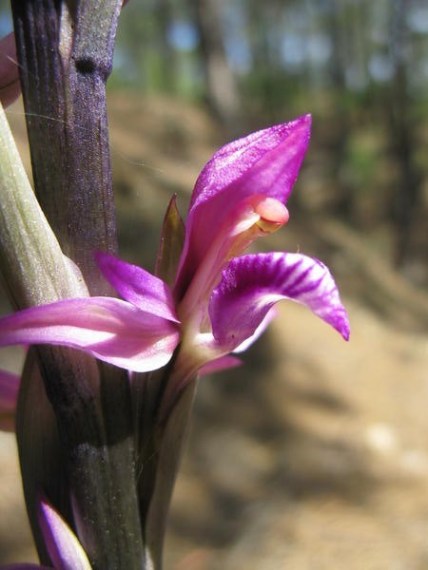
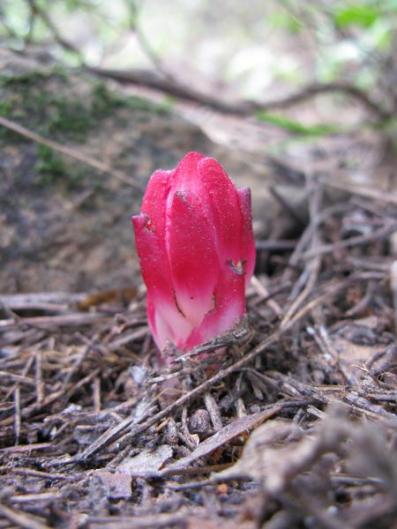
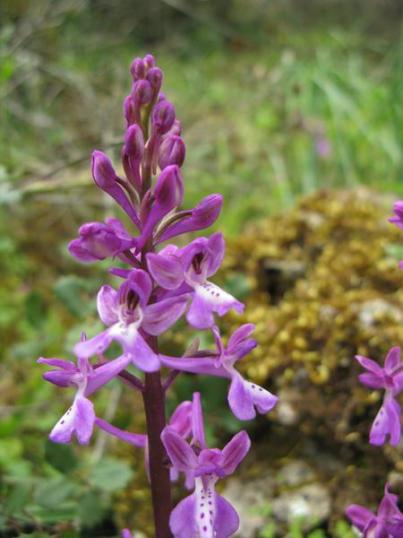
 Last week I was rambling on about wandering over the mountains and getting overly excited about a huge stick of ‘asparagus‘ that I’d discovered. In my sweaty, fevered state I’d convinced myself that it must be the biggest tongue orchid anyone had ever seen and vowed to return this week to check it out once it had flowered.












 Bof's Blog