Last night J and I did something we swore we’d never do again – go to a music concert in another parochial backwater! Truth to tell I’d given up on ever being able to enjoy any live performance where plebs without a moment’s thought for anyone else bring children and wailing infants into the venue; scrunch about in sweet packets; talk and are never off their bloody iphones and soddin’ ipads!
(salvaged from Archers of Okçular and first posted 30th May 2014)
Give me Istanbul where people, real fans of whatever music they are there to enjoy, know how to behave – and do! Give me Istanbul – whatever the flight costs, it’s worth it not to have these . . these . .
Anyway, as I was saying, we went to a concert in Fethiye last night to hear the Tombak and Daf playing of a young man from Iran of whom we’d never heard – Mohammed Reza Mortazavi. In spite of all of the above listed pig-ignorance, this performance was just amazing! Phenomenal! The most wonderful, virtuoso tour-de-force by an absolute master of the craft.
Rather than write about him, here’re a few minutes to whet your audio-buds. For those here in Turkey who still miss You Tube here’s a simple work-around: Download and install the Google Chrome browser (Chromium if you use Linux/Ubuntu like me). Then install the ZenMate add-on and Bob’s your uncle – you have You Tube. You also have bandwidth to choose some of the really good stuff from this guy, I don’t! Now, enjoy this amazing musician at work:
above with Tombak and below with Daf
After last night we won’t be going to any more parochial concerts . . well, until the next time!
Poor J has had a real bummer of a week! Seven days ago she woke up a virtual cripple with debilitating lower back pain – there was no rhyme nor reason to it, it was just there!
I could certainly empathise with the pain she was in having been through years of agony and then enforced early retirement. So it was that she started on a regime of rest, muscle-relaxants, pain-killers and anti-spasmodics. It was to no avail and so Tuesday saw us in consultation with the neurosurgeon at our local hospital.
What an ebullient character he turned out to be. After the usual battery of tests and scans it was ‘hands-on’ time as he bounced around his office, prodding, poking and bending poor J’s extremities all accompanied by his booming and jovial running commentary. I should add that all this is happening in a jolly mix of pidgin-english and Turkish which is being translated for my benefit simultaneously by J (who understands perfectly) and our charming Ukrainian-born translator. Taking notes at the desk is Mr Neurosurgeon’s secretary/assistant.
Finally, it was prognosis time – no trapped nerves or arthritic bits to worry about – this was all to do with J’s sacroiliac joint and was very treatable (he said).
He prescribed this and that and finally added that she would need an injection in her ‘bum’ (his word, not mine) every day for a week, either at the hospital or at the clinic which had J a bit discombobulated at the thought and the inconvenience.
My hand shot up, ‘I’m good for that!’ I exclaimed. The chance of needling J for a week was not something I wanted to pass up. ‘As long as it’s into the muscle I can do that!’
Mr Neurosurgeon looked skeptical, ‘Just what experience have you had of giving injections?’ he asked.
‘I’ve injected the dog many times’ I claimed (which is true), ‘injecting her will be no different!’
Satisfied with my qualifications, Mr Neurosurgeon decides, for good measure, that I need instruction on exactly where to stick the needle. ‘Turn around’, he says to J ‘and drop your trousers.’ There is a sharp intake of breath from the lady secretary at the desk. The rest of us, Mr Neurosurgeon, our Ukrainian translator, me and, of course, J are quite unflustered – dropping ones pants to a doctor of either sex is pretty normal.
In the interests of accurate journalism I need to state that I’ve touched-up the lines for clarity as J keeps washing them off! You can make out three neat puncture marks in the ‘top third’ as per instructions (original and genuine model – no photoshopping)
Flourishing his ball-point pen, Mr Neurosurgeon exposes J’s right buttock (discreetly), ‘It must be divided into thirds’ he said as he drew a large cross on her arse in true Irish style, all of which reduced us to howls of laughter – even the secretary eventually joined in as she tried to hide her embarrassment behind some document folder or other.
Eventually order was restored and I was solemnly instructed to make the injection ‘here, in the top third’ as he pointed at the top right quadrant!
I declined the offer of a practice go under supervision in favour of testing out my ‘needle-point’ skills in private! Every cloud has a silver lining!
my ‘needlepoint’ kit
Alan at Okçular Health Clinic
ps I’m pleased to report that J seems to be on the mend and I now feel free to share my pleasure at helping her healing process – there are also four more jabs to go! 🙂
(originally posted in Archers of Okçular march 2012)
Other people’s kit is always interesting – I’d go further and say that other people’s anything is always more interesting! Ever sat in a restaurant watching other diners and noticed that their eyes always seem to spend more time looking at what those around them have on their plates? I know I do – I’m always thinking to myself that I wished I’d ordered what they have – it looks nicer and there’s more of it!
The same holds true for blokes using urinals – but that’s another story! (salvaged from ‘Archers of Okçular’ first posted in November 2013)
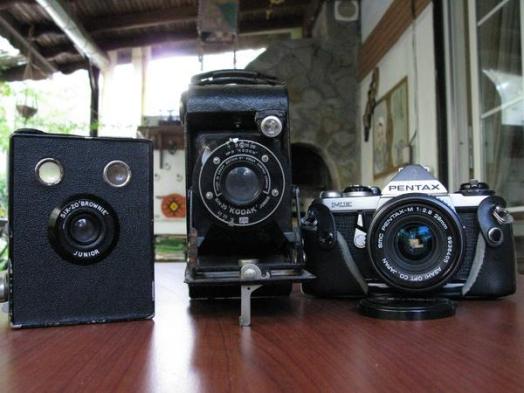
Enough of all that, back to the subject in hand. I’ve been asked lots of times about the camera gear I use and, as I use it rather poorly, I’ve often wondered why. There’s no denying that I get a lot of fun out of the kit and the more buttons and functions it has the greater the fun! I started with a little plastic thingy with a fold-out viewfinder when I was eleven, and over the years I’ve played around with a Kodak ‘Box Brownie’ and a Kodak Six-20 ‘Kodon’ bellows. There was also a Yashica Twin-lens reflex that was followed by the brilliant Pentax M. Many of you know how difficult I find it to part with anything so, much to J’s despair, I still have the ‘Brownie’, the ‘Kodon’ and the Pentax!
one day they might be worth a small fortune!
My first digital was a very cheap Konica-Minolta Dimage that fell to bits within a short period and led me to my first Canon – their original entry level 300D. Against all my hoarding instincts that kit is on its way to UK to a young wildlife enthusiast – I hope he shares with his sister and becomes a better photographer than I’ll ever be. I also hope it leads on to a lifetime of fun and interest.
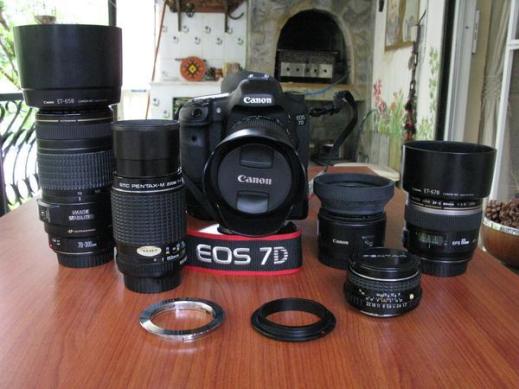
My present kit is shown below – an EOS 7D; EF 70-300mm; EF 50mm 1.8; EF-S 60mm macro; EF-S 18-135mm STM. I love the flexibility it offers and I know that good kit doesn’t make a good photographer.
the kit including ‘legacy’ lenses and adaptor rings
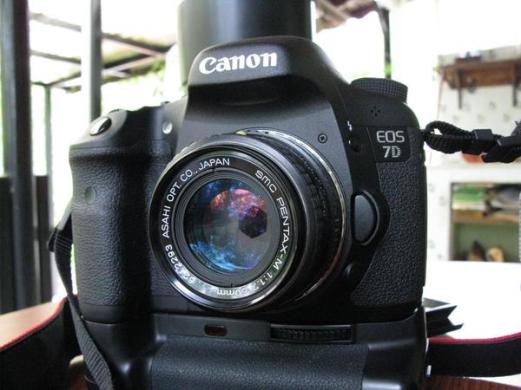
That said, I love messing around and experimenting and part of that fun has been to modify my old Pentax lenses, which are wonderful bits of glass, and using reversing and adaptor rings I’m able to use them in a conventional way sans any auto-focus (or auto anything).
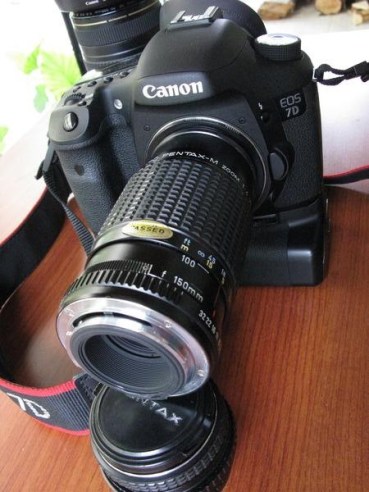
fitted with Pentax 50mm f1.7 a beautiful bit of glasspentax 150mm zoom lens reverse mounted and acting as a super macro
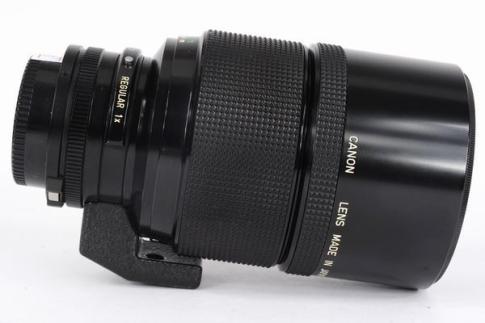
By reversing the 150mm zoom it becomes a super-macro lens which is magic to play with. Sitting on the sidelines in the UK whilst I figure out how to get it to Turkey is another ‘legacy’ lens. Built in 1964 for the Tokyo Olympics (and a now defunct model of camera) it is a 500mm Reflex (or mirror) lens. it is said to be the best of its kind ever made – that said it will never match the performance of a modern EF lens but at about 5% of the price never mind the quality, feel the width!!
It’s in pristine condition and is complete with its original leather case. I have had a special mount built with optics that will allow it to fit my EOS and focus from very close to infinity! Now that really is going to be fun!
And the ‘Flash, Bang, Wallop’ bit? Take a few minutes to enjoy this clip . .
Disclaimer: Every part of this story is true. You can choose to believe it or not – I know it is true because I was present when these things happened. (recovered from and first published on Archers of Okçular October 2013)
Last year an old workmate of mine suffered a catastrophic collapse and multiple fractures when we were doing a job together. Stanley ‘Blacken’ Decker and I teamed up forty odd years ago and we’ve collaborated on all sorts of DIY and home improvement jobs. Over the years we’ve bent every health and safety and common sense rule you can think of and got away with it. Our good luck ran out last year and I felt guilty as hell because I was the cause of what nearly killed ‘Blacken’. At the time I really thought that the injuries were terminal but, after nearly a year of rest and some brilliant surgery that included two transplants, SBD is back in ‘harness’.
When J and I moved to Turkey, ‘Blacken’ moved here too, arriving about three months after we did. It wasn’t long before we were up to our old tricks of pushing the limits of physics, engineering and good old plain common sense! Our luck held until last year when I’d given ‘Blacken’ the job of supporting a huge tree trunk whilst I set about reducing it to manageable pieces with a chain saw. It was an accident waiting to happen and what followed was horrifying. ‘Blacken’s’ spine broke near the top causing the huge trunk to topple down onto the lower limbs which were also smashed. ‘Blacken’ was shattered and the injuries looked terminal. The loss of an absolutely essential workmate and friend left me distraught and at a total loss.
To cut a long story short, and I know this makes me seem a bit heartless, I needed a replacement to help with all the jobs I wanted to do and so I began making enquiries. It was a fruitless search – there was no one here in Turkey who could help. In the end I had no other alternative than to persuade ‘Blacken’ to undergo re-constructive surgery with a view to coming back to work.
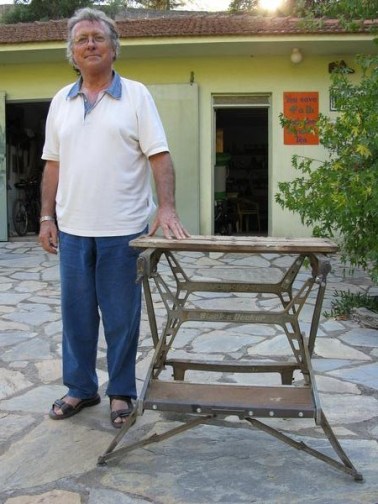
The results are pretty amazing – after that near-death experience old SBD will never be quite the same again but, as long as between us we use a bit of that rare commodity ‘common-sense’ and don’t overdo things in the way we used to, there is no reason why we can’t continue our collaboration for many more years.
‘Blacken’ – nearly as good as newhome-made handles – a successful transplantspinal tap and splintfractured foot board pinned and splintedme and my workmate ‘Blacken’ – back in business!
Alan in Okçular
ps There is twist to this tale. When I was a soldier stuck in some boring place or other me and my mates would send off letters to manufacturers of various products such as Mars Bars and Wilkinson Sword razor blades in which we eulogised the benefits to us poor Toms. You would be surprised how often this paid off and boxes of chokky-bars would arrive a couple of months later or, in the case of Wilkinson Sword, a letter containing a single razor blade and a note saying thanks for the endorsement and ‘please find enclosed a three months supply’. A few others had obviously tried that one!
Ever the optimist I have written to Messrs Stanley, Black and Decker at their head office in the US and enclosed some of the above photos. I have explained the unavailability of the latest Workmate here in Turkey despite it being on their website and in their catalogue. I have praised the stamina and durability of their old product after years of use and abuse and my disappointment at being unable to buy a replacement and having had to make repairs and carry on. I’m awaiting their response and I’m not holding my breath – meanwhile ‘Blacken’ and I have a few jobs to be getting on with!
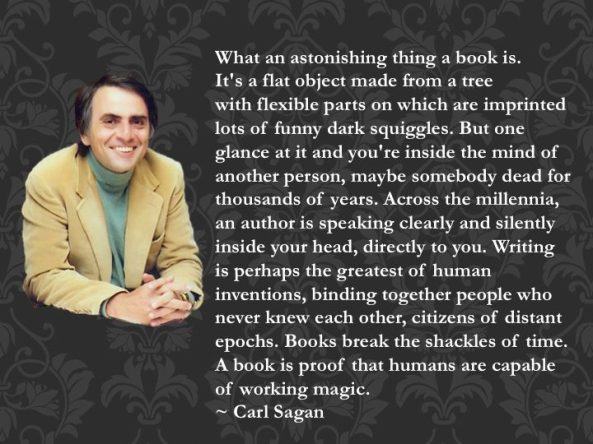
One of my heroes Carl Sagan was a pretty inspirational sort of bloke. As well as stating that which should be blindingly obvious to us, he once memorably quoted ‘We are all stardust’. That resonated with me – I always felt like I was some etherial, heavenly body floating in an eccentric orbit!
Which brings me nicely to the point of this post – those of you who followed my ramblings on Archers of Okçular before it imploded and turned into a black hole will recall that I not only enjoy a rakı snifter or three but also ‘manufacture’ the stuff. You may well be raising an eyebrow and wondering what that has to do with ‘stardust’ so let me explain.
Each molecule of ethanol, the alcohol that gives us so much pleasure, includes nine atoms: two carbon, one oxygen and six hydrogen. Hence the chemical symbol C₂H₆O. Now, astrophysicists have determined that out there in the cosmos in the vast spaces between the stars 88% of atoms are hydrogen, 10% are helium and the remaining 2% are chiefly carbon and oxygen. The whole, bloody universe is one great distillery! At some deep, subliminal level I knew it! I knew it!
When those of us who have such inclinations gaze up at the stars we are usually drawn to the spectacular. Incredible sights like the Orion Nebula . .
. . however, here is not where it’s at!
When those biblical prophets of old preached about the ‘void’ and the ‘spirit moving upon the face of the deep’ they knew what they were on about. In our search for Uisge Beatha – the ‘Water of Life’ we do indeed need to search in the darkest, deepest reaches of the void. We need to seek out those parts of interstellar space that appear to astronomers as dark and cloudy, and only dimly illuminated by distant stars. The gas in these spaces is extremely cold, slightly less than -260℃ (so I’m told), or about 10℃ above absolute zero. This makes it very sluggish.
In these regions the cosmic gasses are spread thin upon the face of the deep. About 100,000,000,000 atomic particles per cubic metre or 1×10¹¹ to be nearly exact! These particles seldom come close enough to interact but when they do, they can form molecules that can hang together. If an atom of carbon meets an atom of hydrogen, for instance, they can stick together as a molecule called methyldyne (chemical symbol CH). Methylidyne is highly reactive and so is quickly destroyed on Earth, but it is pretty common in interstellar space.
Simple molecules like these are more free to encounter other molecules and atoms and slowly build up more complex substances. For a nine-atom molecule such as ethanol to form in these cool and decidedly tenuous conditions might still take a very long time – certainly much longer than the time it takes me to knock up a couple of litres of home-made rakı!
Anyway, astronomers will tell you that in these darker regions there are also molecules that have formed into a sort of ‘sooty’ dust and these particles act as a gluey magnet to other molecules and gradually, because of their proximity, chemical reactions take place. So, it is in these cool, sooty regions that complex molecules are encouraged to appear more quickly. We know from spectrum analysis in these regions that there is water, carbon dioxide, methane and ammonia and oodles of ethanol!
Oodles is a relative term because in the vastness of the cosmos we’re only talking about roughly one in every 10 million atoms and molecules. Let me put it like this, suppose you could travel through interstellar space holding a pint mug, scooping up only alcohol as you went. To collect enough for a pint of beer you would have to travel about half a million light years – much further than the size of our Milky Way Galaxy! Mind you, a decent pint of Shepherd Neame would take quite a bit further unlike that gnat’s pee they call lager!
The ‘proof’ may be out there but bottling it would be an astronomical project. Now, I refer you back to the first photo at the top of the post – replace book with blog and you have to admit that between us we’ve added a spot of magic stardust to the cosmos that is inside us. And ‘No! I haven’t been at the ethanol.’ Not yet, anyway!
Alan, boldly going . .
ps now you know why they built ‘The Restaurant At The End Of The Universe’ – cheap booze!
This from Bill Purkayastha, someone whose writing and research I greatly admire. Pretty much sums up where I think we are – some will never live to read this.
Nuclear war is radiotherapy for the cancer that is the Imperialist States of Amerikastan.
It is too late for surgery, and the patient can wait no longer. The cancer insists on spreading, and the cells that make up the tumour are indifferent to the fact that they, too, will be destroyed when the body they are intent on killing dies.
There is, therefore, no other option. It is literally kill or cure. The world can wait no longer.
If this is the last post before WWIII, it was nice knowing you.
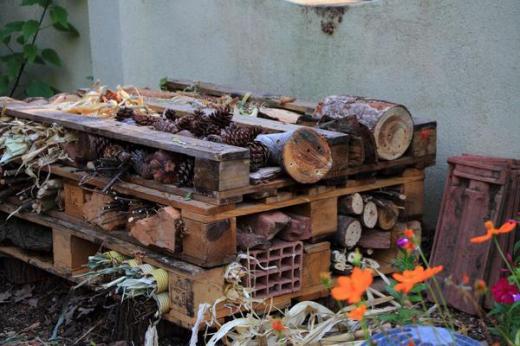
Back in June of this year J and I were in residence for a Summer School at Fircroft College in Birmingham. Fircroft is one of those fine old houses that have extensive grounds with plenty of mature trees and shrubs – it’s a very pleasant place to be. So it was that as we wandered the gardens one day J spotted a strange-looking construction. On closer examination it proved to be a stack of wooden pallets stuffed full of all sorts of scrap building/household materials and garden waste. It had obviously been there a while as all sorts of plants had colonised it.
‘What is it?’ asked J. ‘A habitat.’ said I, knowingly. ‘I want one!’ said J. ‘Really!’ said I, filing that one away in the bottom drawer.
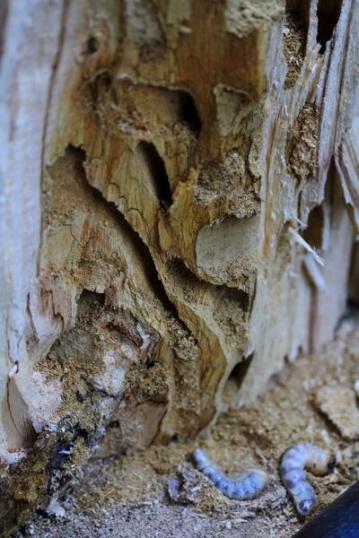
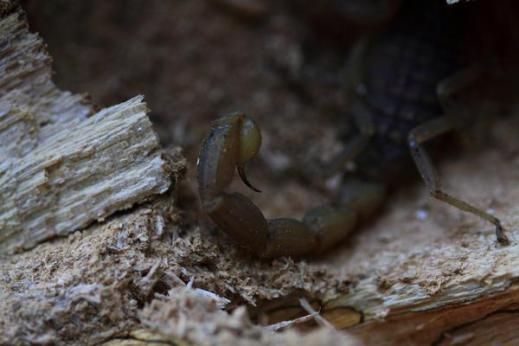
Fast forward to this past week. We used to have a rather large Acacia retinoides, known locally as İzmir Mimosa – we rather liked it! We also rather like (amongst other things) Oryctes nasicornis – the European Rhinoceros Beetle which in its turn likes İzmir Mimosa. Last year the tree began to shed bark and looked decidedly unwell and so a week or so ago I began adding to our store of winter logs. As work progressed the culprits and their handiwork became apparent . .
male and female Oryctes nasicornis – the European Rhinoceros Beetlethe culprits and the crime scenefortunately wearing gloves – the business end of a rather large Anatolian Yellow scorpion that was sharing the grubs’ tunnels
As J and I stood and contemplated our own mortality where the tree once blossomed, she looked up and said, a bit too brightly for my liking, ‘This will be the perfect place for one of those habitat things!’ For someone who worries about the onset of dementia she seems to do remarkably well remembering things/projects I need to be getting on with.
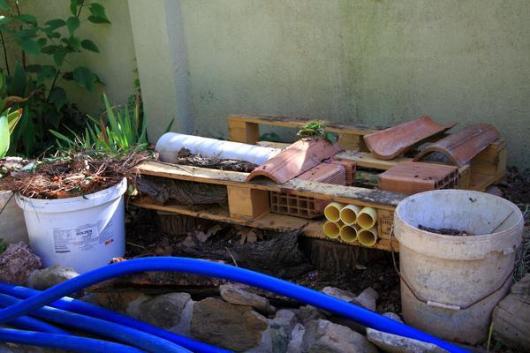
A few days ago a tractor delivered five pallets and the project commenced . .
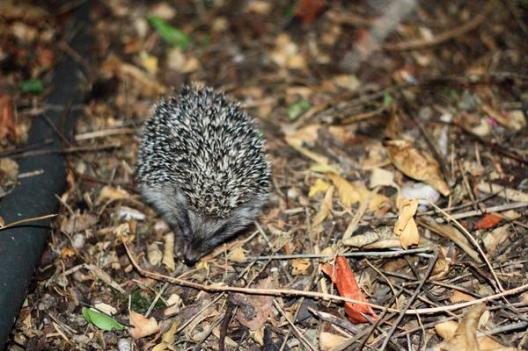
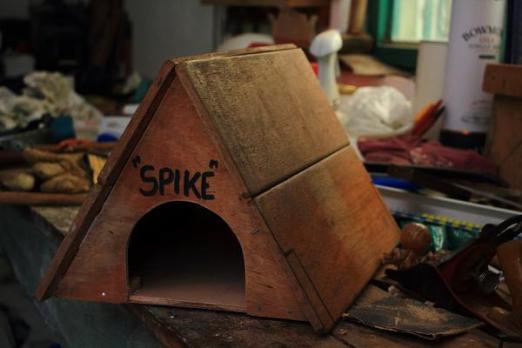
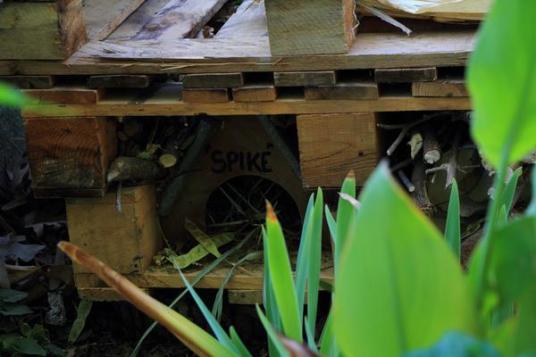
always knew that builder’s stuff would come in useful one daySpike doesn’t like being photographedSpike’s basement flathigh-rise des-res coming along nicely
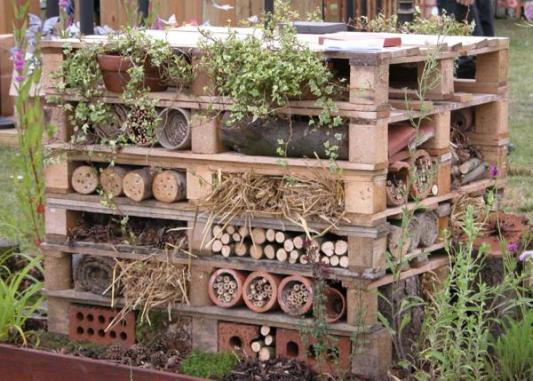
There’s still a bit of work to do to finish off, frog and toad halls, mouse and shrew holes – that said, this has been a fun project for J and me. You too could create something similar to attract all sorts of beneficial creatures to your garden – with natural habitats vanishing or being sanitised you could add your drop to the bucket of conservation. Here’s a link to download a pdf from Cheshire Wildlife Trust that will get you started.
If you are not impressed by what you’ve just seen, then in the best ‘Blue Peter’ tradition, here’s one I made earlier:
. . not true! This was made by Cheshire Wildlife for a RHS garden show
Happy condo building!
Alan in Okçular
ps in case you wondered where Spike’s place actually is . .
The very English game of Cricket has had a profound influence on global events, particularly in the last couple of hundred years. Actually, coming from the county of Kent in the south east of England, I need to change that to ‘the very Kentish game’ because its origins go back to the Weald of Kent in Saxon times. That said, how has this Kentish creation influenced world events . . ?
(salvaged from Archers of Okçular and first posted August 2013)
Britannia Rules OK!
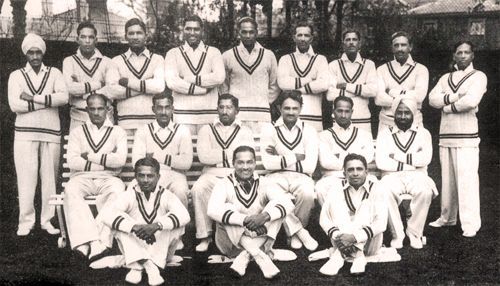
Well, to start with, there is the British Empire which was the largest the world has ever known – as long as you don’t count the present US Empire (which they deny exists) that is! As Britain built and expanded its empire we introduced cricket to the defeated and crestfallen natives. We taught them the rules of the game, both written and unwritten. We taught them about fair-play, being a team player, honesty and accepting the umpire’s decision even when you knew it was wrong! We played by the ‘same rules’ on a ‘level playing field’ where everyone was equal. We dressed them in white, the colour of integrity and the ruling elite. Above all, we treated them as equals on the playing field and applauded them when they played well. We even accepted defeat by them with grace and gave them trophies. We drank tea with them and shared our cucumber sandwiches!
All India Cricket Team 1932
With all this equality on the playing field the natives forgot that their country was being raped and plundered and they were being subjected to humiliation at every turn. Instead of fighting the British to a stand-still, ‘Johnny Foreigner’ accepted the empire/umpire’s bad decision, acknowledged the applause of players and spectators alike, tucked his bat under his arm and walked docilely back to the pavilion for the duration.
Countries like India became masters of the game of cricket, meanwhile they allowed the British to rule their country for a couple of hundred years with a relatively tiny administration whilst it was being robbed of anything that wasn’t nailed down and some that was! Cricket was the weapon of empire – a ‘weapon of mass deception’.
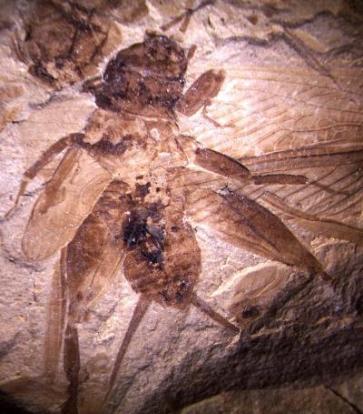
Moving on, there are Crickets, as in Bush Crickets! I would argue that crickets are named after cricket. I’m not suggesting that cricket is older than crickets which, after all and as fossil records prove, go back more than 350 million years to the Carboniferous Period. But crickets were definitely named after cricket and the evidence is in the records, so to speak.
Crickets were first described, recorded and named as such by Linnaeus in 1748. Cricket, on the other hand, has its first recorded reference in a court legal document of 1598. Proof that crickets were named after cricket – although, as I said, I’m not suggesting that cricket was around before crickets. Crickets pre-date human-kind by quite a few million years and the way things are going they’ll probably be around for a few million after we kill ourselves off!
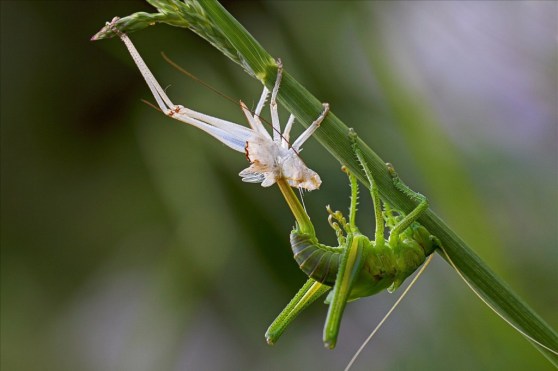
a beautiful picture of a Green Bush Cricket shedding its old suit of clothes
Homo idioticus has been treating Mother Earth in much the same way that Britain treated its empire. Talking the eco-talk behind a smoke-screen of initiatives about ‘responsibility’ and ‘sustainability’ whilst actually accelerating the primitive plundering of resources. The latest batch of climate change models say it all – we are past the ‘tipping-point’, and change is compounding at an unprecedented rate.
Vast volumes of methane, a far more dangerous greenhouse gas, are erupting from the defrosting tundra and ‘boiling’ from the floor of the Arctic Ocean. By 2040 vast areas of the planet will be unviable for humans due to extremes of drought, flooding, sea level rise. Such is the speed of change that many species, particularly mammals, will fail to adapt – others, mostly insects and micro-organisms will do so to some extent and some will flourish.
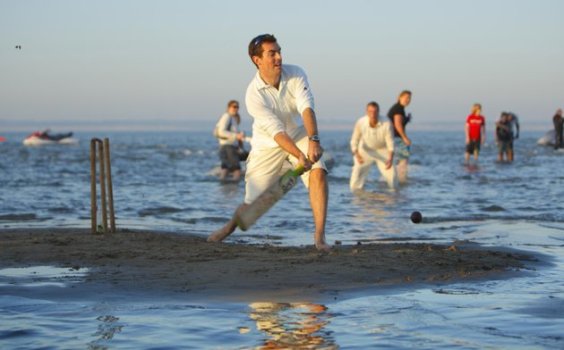
cricket on the treacherous Goodwin Sands mid-English Channel (something I once did) a curious English pastime doomed to extinction along with the species
Mother Earth is not dying as some claim. Mother Earth is changing – evolving and adapting to the unnatural pressures of one ‘unnatural’ species. The umpire’s finger is raised and there will be no place for those who were stupid enough to believe that some ‘God’ gave them dominion over her.
Our innings is over – the Age of Man is passing!
Alan in Okçular (I also recognise that I need to get out more)
ps ‘Silly Point’ is a fielding position on the cricket field so called because it is just about the silliest place to be relative to a cricket ball coming off a bat at well over 100 mph! You need quick reactions – see below.
pps for those who don’t ‘get’ cricket here is a brief but famous explanation. After reading it you will understand why the British Empire failed to last a thousand years as had originally been predicted:
Cricket: As explained to a foreigner…
You have two sides, one out in the field and one in. Each man who’s in the side that’s in goes out, and when he’s out he comes in and the next man goes in until he’s out. When they are all out, the side that’s out comes in and the side that’s been in goes out and tries to get those coming in, out. Sometimes you get men still in and not out.
When a man goes out to go in, the men who are out try to get him out, and when he is out he goes in and the next man in goes out and goes in. There are two men called umpires who stay out all the time and they decide when the men who are in are out. When both sides have been in and all the men have been out, and both sides have been out twice after all the men have been in, including those who are not out, that is the end of the game!
I’m from the Isle of Sheppey – a ‘Swampy’! Actually, I need to qualify that; a true Swampy has to be born and (in)bred on the island and my father was a ‘Mainlander’ from Newcastle which means that, although some might disagree, I carry few of the physical or psychological characteristics which were once the mark of the real thing. When I was a kid a Swampy was a thing best avoided by normal folk. Sheppey had a disproportionate number of strange looking people and a disproportionate number of children in special schools or institutions – records are there to be checked! It was a bit like living on the set of the film ‘Deliverance’ but without much hope of escape.
Why am I telling you all this? I don’t know, really. Sheppey actually has a very interesting history strategically placed as it is at the confluence of the rivers Thames and Medway. Swampies have had their fair share of outsiders to put up with.
St Sexburga, abbey in hand flanked by her saintly sisters
The abbey church at Minster, built by the all-conquering Normans, is dedicated to St Sexburga, a Celtic warrior princess married to King Anna of Kent who, a couple of centuries earlier, took on the marauding Danes and is said to have skinned any captives alive and nailed their hides to the gates by way of an invitation to ‘bugger off’! The king not being up to much she later wandered away and lived as a nun at Ely in Cambridgeshire – as good a reason as any, I suppose, to be made a saint.
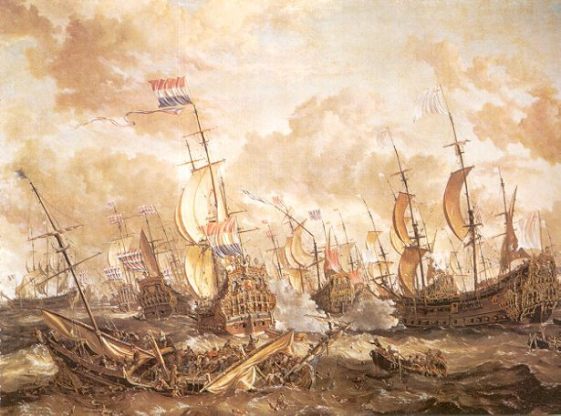
Sheppey also has the distinction of being the only part of the UK, (apart from the Channel Islands 1940-45), to have been occupied by an enemy since 1066. In June of 1667, the Dutch Admiral de Ruyter sailed up the Medway and burned the English fleet at Chatham. He towed off the flagship ‘Royal Charles‘, sailed back to Sheppey and occupied the island for a time before heading home to be immortalised by van Eyck, or was it Rubens?
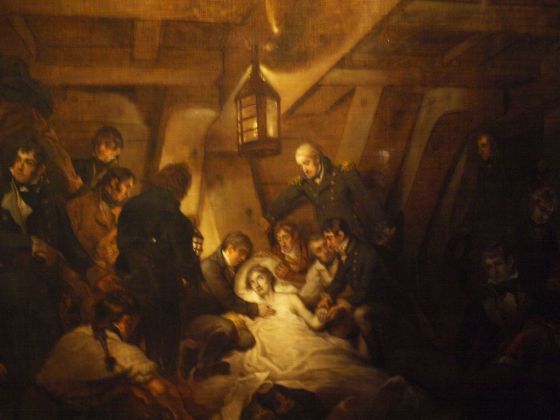
Horatio, Lord Nelson, bane of the French and darling of the masses kept his bit of skirt by the name of Emma, Lady Hamilton at a hide-away in Queenborough on the island. Queenborough gained its Royal Warrant from Edward III in 1366 because his good lady, Queen Phillippa, took a shine to the place for some reason. Two years later it was made a Royal Borough.
‘Kiss me Hardy’ – missing Emma
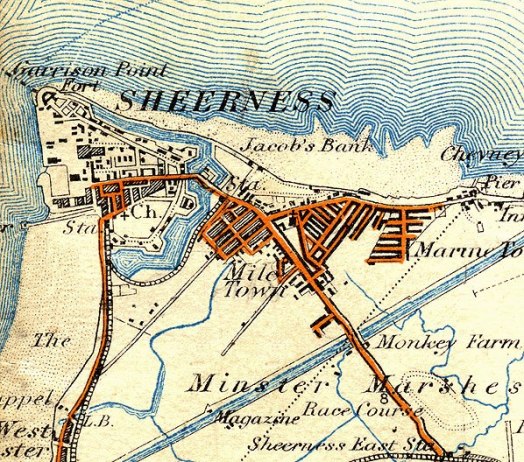
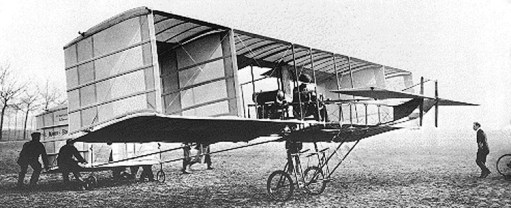
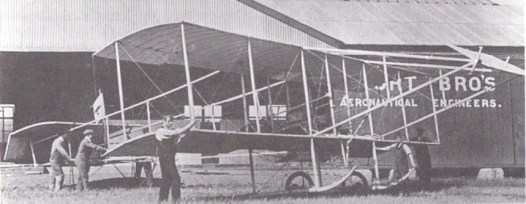
The island’s strategic position meant that it was bound to be heavily garrisoned – as aviation ‘took off’ Shellness and later Eastchurch became home to the Royal Naval Air Service and the Royal Flying Corps (later the Royal Air Force). Short Brothers built the first Wright bi-planes under license here. Lord Brabazon of Tara, holder of the first British pilots licence (1909), and Winston Churchill learned to fly here. Sheerness, the main town, had long been home to the Royal Navy with its dockyard and safe deep-water anchorage. The town was protected by two massive moats and the army was at Garrison Point which commanded the entrance to the Thames and Medway.
the massive moats protecting ‘Fortress Sheerness’Lord Brabazon getting his ‘wings’ 1909Short Bro’s S27 an early version of Concorde
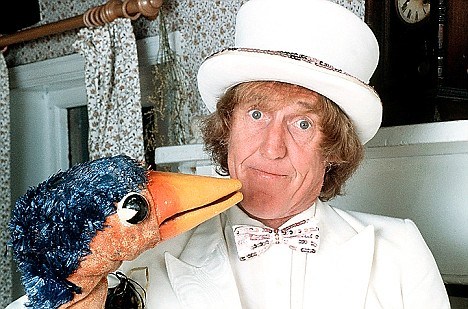
History is to be had in bucket-loads; Sir William Penney, ‘father’ of the British atomic bomb was of Queenborough stock and even Rod Hull and Emu came from Halfway (between Sheerness and Minster)!
told you – strange people come from Sheppey
‘Fascinating!’ I hear you say, ‘But what has this to do with ‘living, loving and traveling Turkey‘? The link, would you believe, is Sheerness Dockyard!
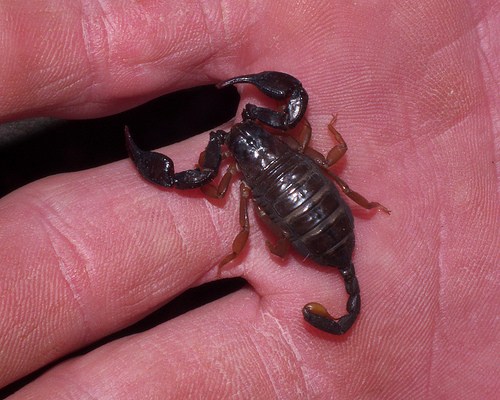
By the time I left school Garrison Point had become a shipping control centre; Shellness was, and remains a naturist/nudist colony; Eastchurch Aerodrome was transformed into the UK’s first open prison and the dockyard had been turned over to a civilian industrial area. I was signed on as an apprentice by an electronics company that was housed in the dockyard’s old rope works, a building that was distinguished as the oldest cast-iron framed structure of its type to be built in Britain. The dockyard was a fascinating place to wander around and so it was that I learned that it housed Europe’s most northerly and the UK’s only colony of scorpions!
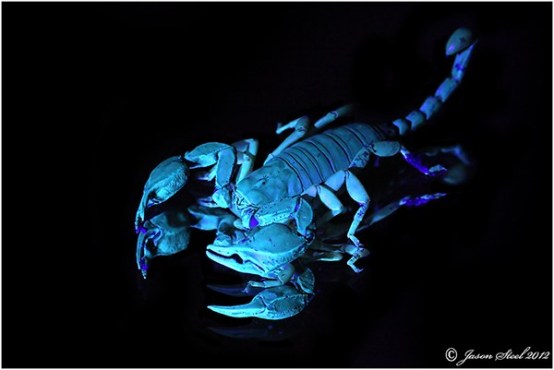
These are a rather docile species called Euscorpius flavicaudis – Yellow–tailed Scorpion, a native of North Africa and Southern Europe. The colony has been known about for several hundred years and was believed to have been imported in cargoes of building material shipped from Italy during the reign of George III. Brown in colour with a yellow tail, they grow up to two inches, live in crevices in brick walls, feed on small insects and can go for months without eating. Their numbers are thought to be well in excess of 10,000 and they are thriving in the warmer weather of the past few years. Once thought to be unique, I know of three other recorded colonies at Portsmouth and Tilbury docks and at Ongar railway station in Essex.
scorpions glow under ultra-violet light – a beautiful image by Jason Steel
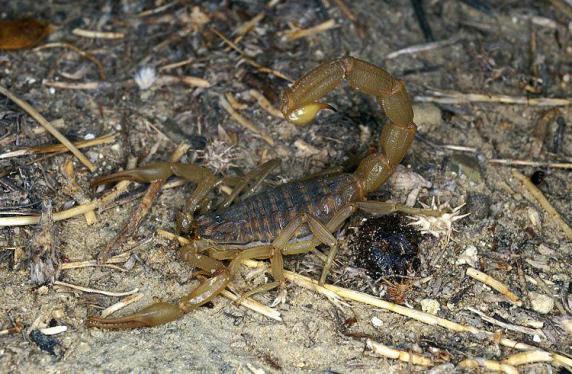
So, from the UK’s relatively gentle and only scorpion species to Turkey’s most common – and a nasty little sod it is too! Meet Mesobuthus gibbosus aka the Mediterranean Checkered or Anatolian Yellow Scorpion. Found all over Turkey, including urban areas, it has a particularly painful sting and can cause a severe reaction in some victims although generally poses no long-term threat to healthy humans. As a general, although not infallible, rule of thumb the more delicate the pincers sported by scorpions the more painful and venomous the sting.
our very own Anatolian Yellow
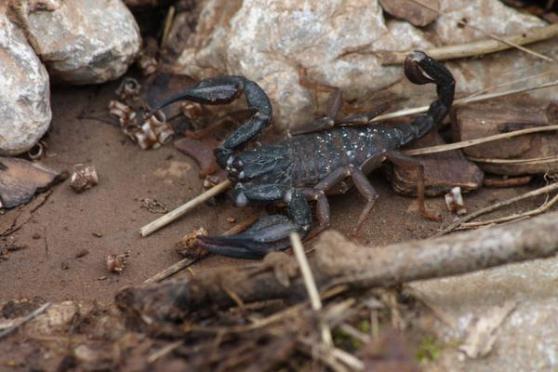
With that in mind have a look at this next species – Iurus dufoureius asiaticus – endemic to Turkey and so rare that it has no common name. Formidable as it looks with its powerful pincers it is thought to pose no threat to humans.
such a rare beauty – enjoy!
This photo was taken in our incredibly biodiverse Kocadere Valley, Okçular in the cool of springtime – this species tunnels deep underground during the hot summer months. It is the largest European (Turkey incl for classification) species, dark brown to black body and paler legs. Little is known about this creature so if you fancy an interesting project . .
From a lone UK species to Turkey’s most common and rarest scorpions – linked by a dockyard, an aerodrome, an emu, the atom bomb, Nelson, a saint and an undisciplined train of thought. Good value, or what?
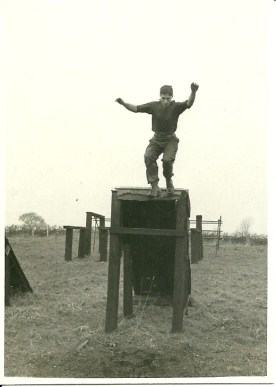
Back in the dim and distant past in those wild, halcyon days of my youth, I took the Queen’s shilling and signed up to be a parachute soldier. Looking back, me and my mates were like putty in the hands of the training staff as they set about the task of moulding us into something that resembled ‘useful’ and ‘fit for purpose’.
Some of this stuff they drummed into us was ‘biblical’ in nature and profoundly important when you consider that most of us had never lived communally and a ‘bosom-buddy’ was a whole new concept. Apart, that is, from what I’d hoped Stella, who lived three doors away, would let me be without making too much fuss – but I digress. Biblical as in ‘thou shalt not steal’ – ever, end of story! Understood? Good!
That said, as with any good religious doctrine, there is always some wriggle-room – things are seldom as they seem and words can be open to interpretation. So it was that I learned and absorbed the lesson that there are always things that airborne soldiers need that others are unwilling to share or hand over. That being the case these things have to be ‘acquired’ in order to meet said needs. Stealing is a mortal sin, whilst ‘acquiring’ things is a virtue much to be admired and nurtured. Perfectly logical if you think about it for a moment.
And that brings me to the meat of this story which is about ‘acquiring’ a bell, its origins and a fascinating tale of glamour and daring-do.
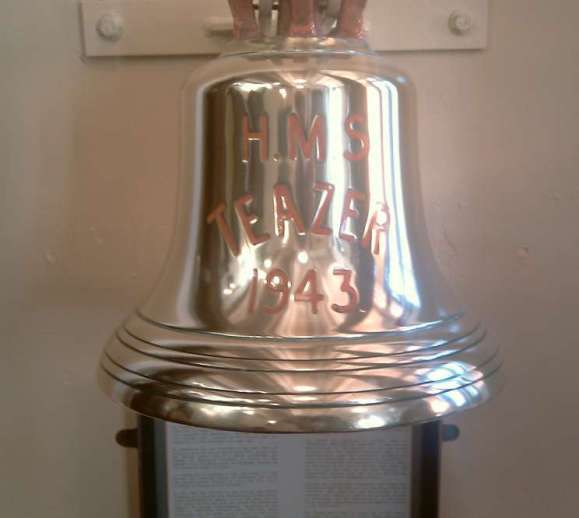
. . if you are concerned – you clean it!
I have an original warship’s bell which has been in my possession since the 1960s. The bell carries the name ‘Teazer’ without ‘HMS’ which I understand was normal practice for wartime builds. Its history after removal from the ship goes something like this; at some point in the early 1950s it became the fire bell at the Depot of the Parachute Regiment and Airborne Forces at Maida Barracks in Aldershot. It hung from a tripod outside the guardroom and in those days it gleamed! My first encounter with it was as a young recruit on guard duty.
Later, the Regimental Depot moved from Maida to the modern Browning Barracks with an electrical alarm system. The Provost Sergeant at the time was not an advocate of unnecessary ‘bull’ and the bell was hidden away in the back of a store cupboard. I was posted to the depot Regimental Provost staff in 1967 and succeeded in ‘acquiring’ the bell for ten shillings which was the price for the sergeant to look the other way. Before you start to moralise the bell was ‘acquired’ and not stolen – there is a difference as I’ve already explained!
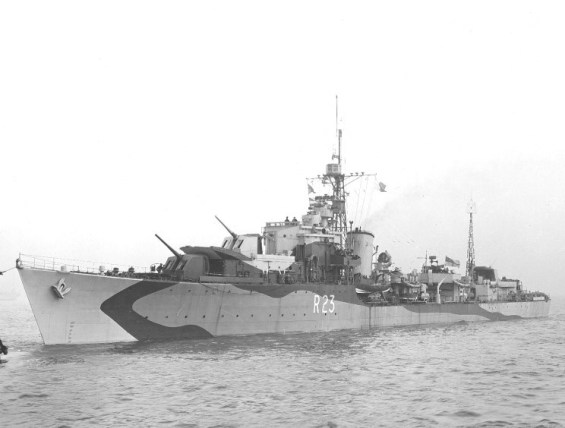
HMS Teazer – newly commissioned 1943
Anyway, this ramble has now moved on to a certain HMS Teazer, a Tumult Class destroyer that was commissioned into the 1st Emergency Flotilla in September 1943. She and her crew saw action in the Mediterranean, Aegean, Adriatic and the landings in the South of France in 1944. In 1952 she was converted to a Type 16 frigate before being scrapped in 1965.
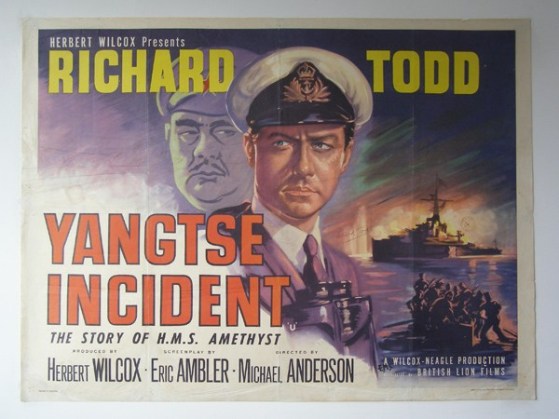
So, where does the ‘daring-do’ come into the story? Well, some of you will remember the film ‘Yangtse Incident’ made in 1957 and starring Richard Todd.
The film tells the true tale of HMS Amethyst, a British warship trapped and shelled by Communist troops in the midst of the Chinese Civil War whilst steaming up the Yangtse to Nanking. Many of her crew were killed and injured and the situation was dire – what followed was the stuff of legends as numerous rescue attempts were made by HM Ships Concord and Consort. The crew laboured to disguise the ship’s outline with timber and canvas and then slipped cable in the dead of night and using a local merchant ship to guide them passed through the shallows under the guns of the PLA forces.
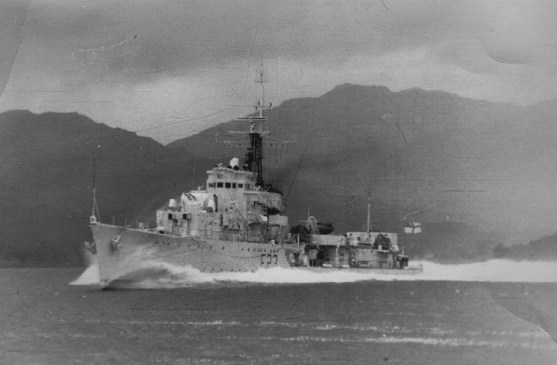
Teazer at speed 1958 Isle of Arran
In the film, which was made mostly on the Rivers Orwell and Stour on the Suffolk-Essex borders in SE England, HMS Teazer played the role of both Concord and Consort and one of the great moments is the sequence where she is shown turning at full speed and firing broadsides in the narrow confines of the estuary.
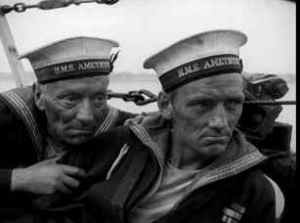
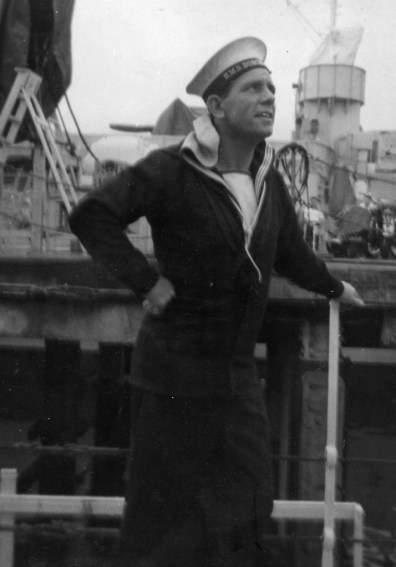
William Hartnell and Sam Kidd -intrepid ‘Tars’ – Hartnell went on to star as the 1st Doctor Who – another link with HMS Teazer
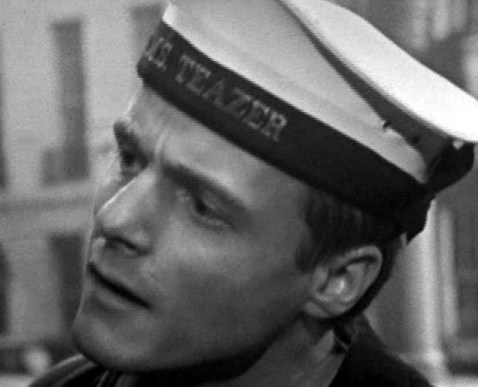
The Yangtse Incident was not Teazer’s only starring role, she went on to feature in ‘Bulldog Breed’ with Norman Wisdom and in ‘Petticoat Pirates’ with Charlie Drake. Then came a mention as the ship of ‘Ben Jackson’, played by Michael Craze, a companion of the first and second BBC Doctor Who series.
Norman Wisdom starred with HMS Teazer in ‘Bulldog Breed’Michael Craze as ‘Ben Jackson’ – Dr Who series 1 & 2
When the war ended the bell that now hangs at my door was removed and was replaced by a peacetime bell that now resides in Macclesfield Town Hall. The town has an association that goes back to wartime fund raising for this ship so it’s fitting that it should be there.
As for my ‘acquired’ bell, I think it’s fitting that it is hanging just a few miles away from the Aegean where HMS Teazer, a long-forgotten Tumult Class destroyer saw action and lived to tell many more lively tales.
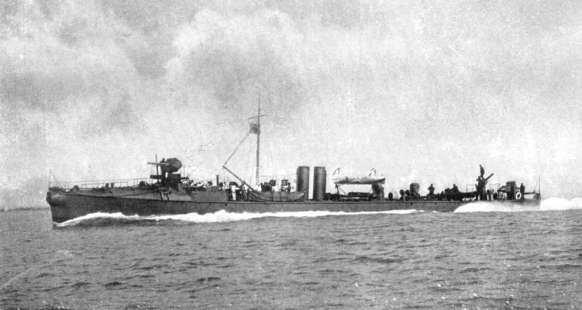
there have been many incarnations over the centuries – here as a Victorian fast gunboat
Alan in Okçular
ps this is a salveged post from Archers of Okçular July 2013


 Last year an old workmate of mine suffered a catastrophic collapse and multiple fractures when we were doing a job together. Stanley ‘Blacken’ Decker and I teamed up forty odd years ago and we’ve collaborated on all sorts of DIY and home improvement jobs. Over the years we’ve bent every health and safety and common sense rule you can think of and got away with it. Our good luck ran out last year and I felt guilty as hell because I was the cause of what nearly killed ‘Blacken’. At the time I really thought that the injuries were terminal but, after nearly a year of rest and some brilliant surgery that included two transplants, SBD is back in ‘harness’.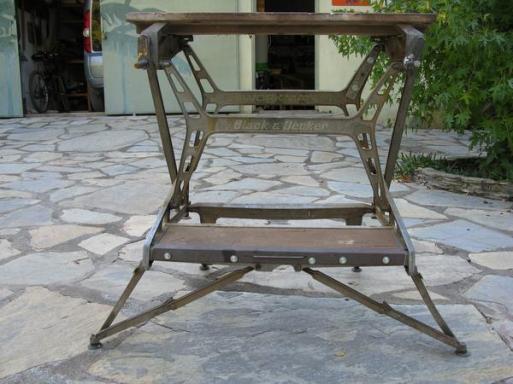


 One of my heroes Carl Sagan was a pretty inspirational sort of bloke. As well as stating that which should be blindingly obvious to us, he once memorably quoted ‘We are all stardust’. That resonated with me – I always felt like I was some etherial, heavenly body floating in an eccentric orbit!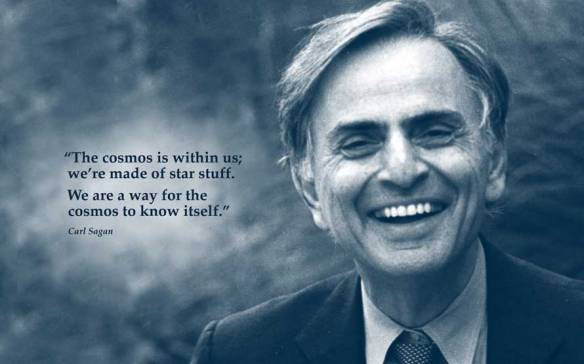

 When those biblical prophets of old preached about the ‘void’ and the ‘spirit moving upon the face of the deep’ they knew what they were on about. In our search for Uisge Beatha – the ‘Water of Life’ we do indeed need to search in the darkest, deepest reaches of the void. We need to seek out those parts of interstellar space that appear to astronomers as dark and cloudy, and only dimly illuminated by distant stars. The gas in these spaces is extremely cold, slightly less than -260℃ (so I’m told), or about 10℃ above absolute zero. This makes it very sluggish.

 From Archers of Okçular September 2013
 Fast forward to this past week. We used to have a rather large Acacia retinoides, known locally as İzmir Mimosa – we rather liked it! We also rather like (amongst other things)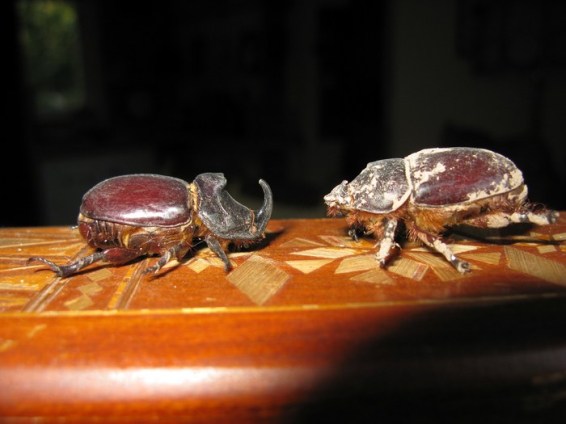
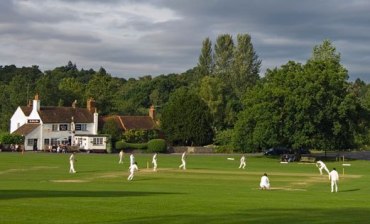 The very English game of Cricket has had a profound influence on global events, particularly in the last couple of hundred years. Actually, coming from the county of Kent in the south east of England, I need to change that to ‘the very Kentish game’ because its origins go back to the Weald of Kent in Saxon times. That said, how has this Kentish creation influenced world events . . ?
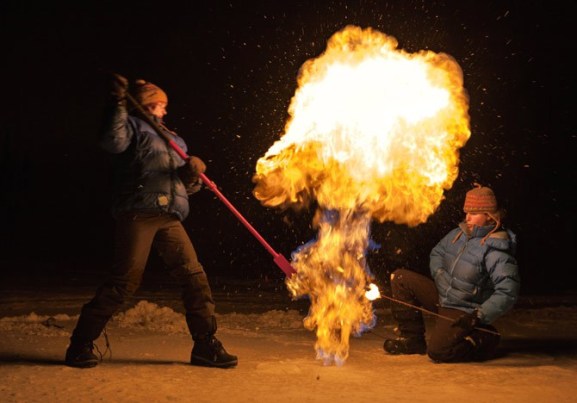

 I’m from the Isle of Sheppey – a ‘Swampy’! Actually, I need to qualify that; a true Swampy has to be born and (in)bred on the island and my father was a ‘Mainlander’ from Newcastle which means that, although some might disagree, I carry few of the physical or psychological characteristics which were once the mark of the real thing. When I was a kid a Swampy was a thing best avoided by normal folk. Sheppey had a disproportionate number of strange looking people and a disproportionate number of children in special schools or institutions – records are there to be checked! It was a bit like living on the set of the film ‘Deliverance’ but without much hope of escape.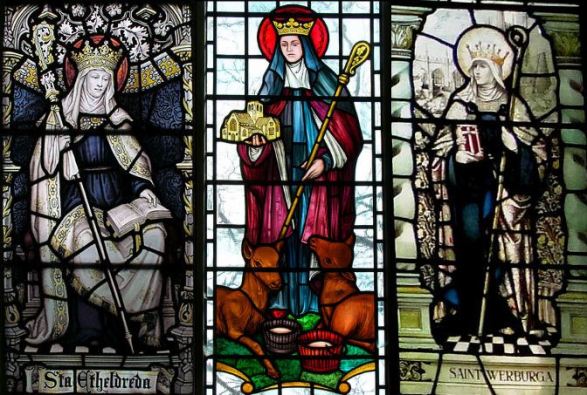
 Back in the dim and distant past in those wild, halcyon days of my youth, I took the Queen’s shilling and signed up to be a parachute soldier. Looking back, me and my mates were like putty in the hands of the training staff as they set about the task of moulding us into something that resembled ‘useful’ and ‘fit for purpose’.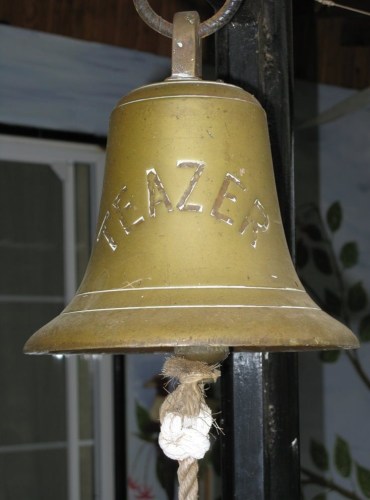

 Bof's Blog